
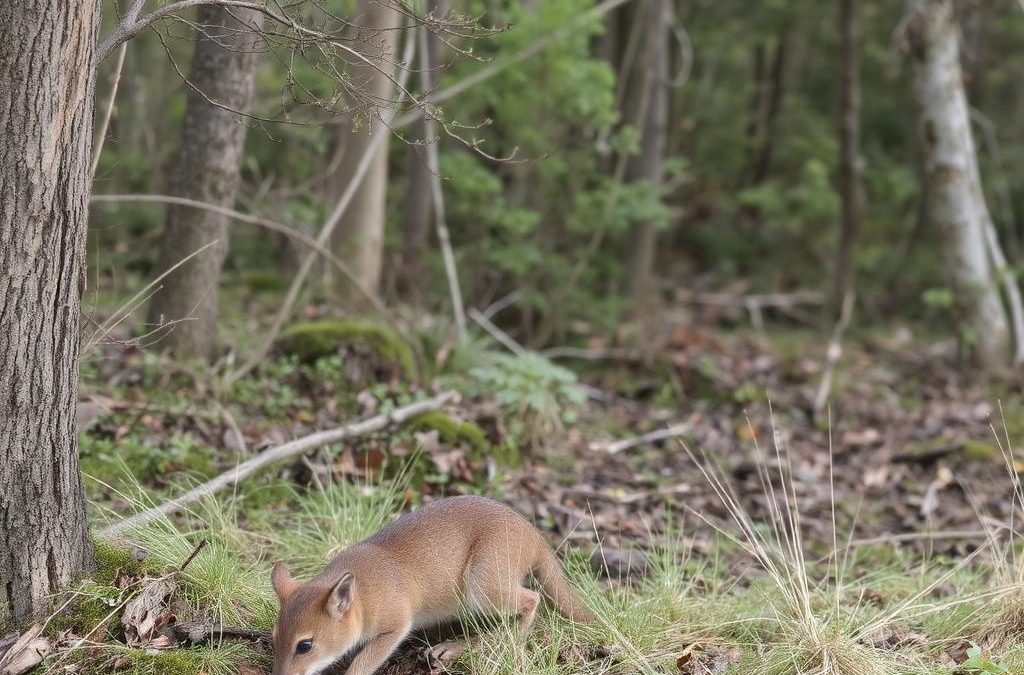
DIY wildlife trapping can be safe for a small, low-risk animal like a chipmunk or a red squirrel, if you use the right live trap, check it every day, and know what you’ll do once it’s caught. It’s risky for raccoons, skunks and bats, and for any animal inside your living space. In New York City, the Health Department’s raccoon flyer says never to try to capture or trap a raccoon.
The stakes are real. Bats, skunks, raccoons and foxes are the animals most often found with rabies in the U.S., and once symptoms appear, rabies is nearly always fatal, according to the CDC (January 2026). The good news from the same page: treatment after an exposure is nearly 100% effective.
Can I legally trap wildlife myself in New York?
Sometimes. The New York State DEC’s chart lets homeowners take skunks, chipmunks and red squirrels that are a nuisance or causing damage. Raccoons, opossums and gray squirrels can be taken only when they’re damaging property. Whatever you catch, DEC says it’s illegal for you to move it off your property. For bats, DEC says to call a DEC wildlife office or a licensed operator. Our New York wildlife trapping laws checklist has the rest.
What can go wrong?
- You get bitten or scratched. “A panicked and scared raccoon may bite,” Humane World for Animals warns. Opening or moving a trap puts your hands close to the animal.
- You catch the wrong animal. A trap baited for a raccoon or opossum can catch a skunk or a neighbor’s cat. The Internet Center for Wildlife Damage Management has a whole guide to releasing a trapped skunk without getting sprayed.
- You leave babies behind. Trapping a mother in baby season leaves her young inside to die.
- The animal suffers in the trap. A trap left in the sun, or not checked for a day or more, can kill what it catches.
- You get sick from the cleanup. Raccoon droppings can carry roundworm eggs, and the CDC says most chemicals don’t kill them. Bat droppings can carry the fungus that causes histoplasmosis.
- The problem comes back. A trap removes one animal. The way in is still open for the next one.
When does DIY trapping make sense?
When all of these are true: it’s an animal you’re allowed to take, like a chipmunk or red squirrel; it’s outdoors or in a shed, not in your home; it isn’t acting sick; babies aren’t likely; and you can follow DEC’s trap rules, including the daily check and the 100-foot rule.
Even then, think about the end. Since you can’t take the animal off your property, trapping only helps if you also close off the space it was using. Our guides to humane animal traps and trapping small animals cover sizes and baits.
When should I call a professional?
- The animal is a raccoon, skunk or bat.
- It’s inside your home, walls or attic.
- You can’t find where it gets in.
- There may be babies.
- There’s a big pile of droppings to clean up.
- It’s acting sick, or it bit or scratched someone. Call 311 first.
What does a DIY job gone wrong look like?
Here’s a simple example. Say a Queens homeowner buys a live trap for an animal getting into the trash, and the next morning there’s a skunk in it. Now someone has to open the trap while standing close to an animal that can spray, and under DEC’s rules the skunk can’t be driven to a park.
The trap that seemed like the easy part has become the hardest part of the job. Locking the trash cans and closing off the space under the porch would have solved the problem without catching anything.
How can NYC Extermination help?
Our free on-site inspection tells you what animal it is, how it gets in and what it will take, so you can decide whether it’s a job you want to handle yourself. If you’d rather we take it on, we use humane live traps watched with cameras, handle the animal the way New York State rules require, and seal the way in. Same-day emergency service is available across the five boroughs.
See our wildlife removal service, what goes into wildlife removal cost, or call (347) 988-2315.
Frequently asked questions
Is it safe to trap a raccoon myself?
Not in New York City. The city’s Health Department says never to try to capture or trap a raccoon. Raccoons are the animal most often reported rabid in the city, and licensed trappers must humanely euthanize any raccoon they trap.
What should I do if a wild animal bites or scratches me?
Wash the wound with soap and water for 15 minutes right away, as the CDC advises, then get medical advice and call 311 in New York City. Don’t wait for symptoms: the treatment works when it’s given soon after the exposure.
Is a DIY trap cheaper than calling a pro?
Up front, yes. But a trap only removes one animal. If the way in stays open, or babies are left inside, you can end up paying for removal, cleanup and repairs anyway.

Recent Comments