
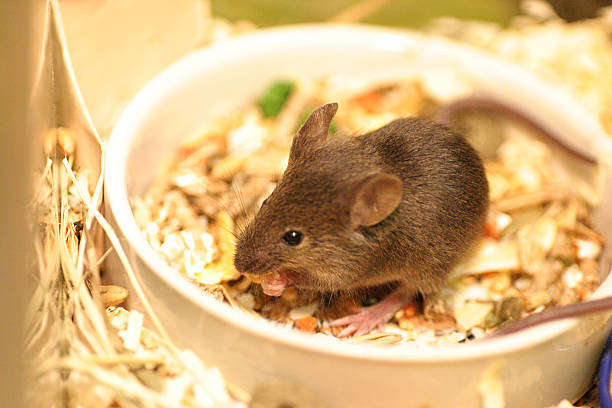
What attracts mice is simple: food they can reach, a sheltered place to nest, and a gap to get in. Crumbs, open boxes of cereal, pet food and bird seed are the usual draws, and piles of paper, cardboard and fabric give them nesting material. Mice don’t need much. A house mouse eats up to 20% of its body weight a day in about 200 small meals, and it can get the water it needs from its food, according to UC IPM’s 2025 guide to house mice.
That’s why one open bag of dog food on the floor can feed a family of mice. And once they find food and a place to nest close together, they stay. House mice seldom go more than 30 feet from both, so mice in your kitchen are usually nesting nearby, often inside your walls.
Does food attract mice more than anything else?
Yes, because mice eat whatever food is available, and a kitchen has plenty of it. The EPA lists droppings around food packages, in drawers and cupboards and under the sink as common signs of rodents. The usual food sources:
- crumbs under the toaster, the stove and the refrigerator
- open boxes and bags of cereal, rice, pasta, flour and snacks
- pet food left out overnight, and bags of pet food or bird seed on the floor
- garbage in a bag or a can without a tight lid
- dishes and food left on the counter overnight
Store dry food in glass, metal or hard plastic containers with tight lids. Put pet food away at night, and keep big bags in a closed bin.
What smell attracts mice?
The smell of food they already know. UC IPM notes that the best bait for a mouse trap is often the food the mice are already eating. Peanut butter is a popular trap bait, but it can be a problem for anyone with a peanut allergy. A cotton ball or a bit of dental floss also works, because mice want it for their nests.
Do clutter and leaks attract mice?
Clutter does. Mice build nests from finely shredded paper or fabric in sheltered spots, so piles of newspapers, shopping bags, cardboard boxes and old clothes are an invitation. NYC Health advises clearing clutter and storing things off the floor and away from walls.
Leaks matter less for mice, since they get most of the water they need from their food. Fix them anyway: fixing leaks is part of the pest rules NYC building owners must follow.
How do mice get in?
Through gaps you’d never notice. House mice can squeeze under a gap 1/4 inch tall and through an opening 3/8 inch wide, according to UC IPM. In an apartment, the usual ways in are the gaps around pipes under the sink and behind the stove, holes around radiator pipes, and the space under the front door.
Does a clean home get mice?
Yes, a clean home can still get mice. Clean counters make your home less attractive, but they don’t close the gap around the gas pipe. In a building, mice also move between apartments through walls, pipes and the basement. In our experience, rodents are rarely a one-apartment problem.
Here’s a simple example. Say a tenant on the third floor of a Brooklyn walk-up keeps finding droppings in the drawer by the stove, even though the kitchen is spotless. The neighbor below leaves a bag of dry dog food open on the floor, and the mice travel up through the gap around the gas pipe. Cleaning the third-floor kitchen won’t stop it. Sealing that gap, and a closed bin for the dog food downstairs, will.
How do I keep mice out of my apartment?
Do what you can inside your apartment, and get your landlord to handle the rest:
- Seal the gaps you can reach. Pack small holes around pipes with steel wool and hold it in with caulk, as the CDC suggests. Cover bigger holes with metal, not foam.
- Close up food. Use sealed containers, and don’t leave pet food out overnight.
- Take the trash out often, in a bag tied shut, to a can with a tight lid.
- Cut clutter in closets, under beds and under the sink.
- Skip sprays and foggers. The city’s guidance for tenants says to avoid using pesticides yourself.
- Tell your landlord or super in writing. Under Local Law 55, owners of buildings with three or more apartments must inspect for mice every year and fix problems with Integrated Pest Management. That includes sealing entry points with durable materials, fixing leaks and adding door sweeps to doors that lead to hallways, basements or the outside. If nothing happens, call 311.
What to do if you already have mice
If you’re seeing droppings now, start with our guides to signs of a rodent infestation and how to get rid of rodents. If the droppings keep coming back after you’ve cleaned up and set traps, there’s a gap you haven’t found yet.
NYC Extermination finds how mice get in, removes them, seals the gaps and helps you take away what draws them. Every job starts with a free on-site inspection. See our rodent control service and pest control for apartment buildings, or call (347) 988-2315.
Frequently asked questions
What attracts mice immediately?
Food they can smell and reach, especially grains, cereal, seeds and pet food. An open bag on the floor or crumbs under the stove can be enough to bring out mice that already live in the building.
What do mice hate most?
No smell or gadget keeps them out for long. UC IPM says there’s little evidence that sound, magnetic or vibration devices drive mice out of a building, and mice quickly get used to repeated sounds. What they can’t get past is a gap sealed with metal or cement.
Can mice come from a neighbor’s apartment?
Yes. Mice travel through the spaces in walls and along pipes, so a problem in one apartment often starts in another. NYC building owners have to inspect every unit each year, and the fix in a building usually covers more than one apartment.

Recent Comments