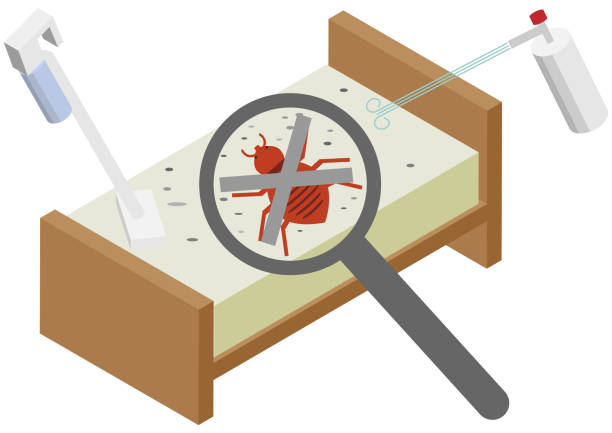
Heat treatment kills every bed bug and every egg in a single day, but the moment it’s over, it offers zero protection against new bugs wandering in, which matters a lot if you live in a building with shared walls. Chemical treatment takes longer and needs a few visits, but it leaves behind a barrier that keeps working for weeks. Neither one is automatically “better.” They’re built to solve different problems.
Let’s break down how each one actually works, where each one falls short, and why more exterminators, especially in apartment buildings, are starting to recommend using both together.
Key Takeaways
- Heat treatment works quickly and thoroughly, eliminating bed bugs at all life stages, including eggs, often within a single day at temperatures of around 120°F or higher.
- Heat provides no lasting residual protection. Once the area cools down, new bed bugs can enter and establish another infestation.
- Chemical treatment usually takes longer, often requiring three visits over approximately six weeks, but it can leave a residual barrier that continues working after treatment.
- Bed bugs can develop resistance to certain chemicals, which has contributed to the growing popularity of heat treatment.
- Apartments have additional reinfestation risks because bed bugs can move between neighboring units through shared walls, pipes, and other connected spaces.
- A combined approach can offer broader protection, with heat used to eliminate the existing infestation and chemical treatment used afterward to provide residual protection.
- The best treatment depends on your situation, including cost, preparation requirements, the type of property, and whether items such as electronics, wax, or vinyl could be affected by heat.
What Is Heat Treatment For Bed Bugs?
Heat treatment, sometimes called thermal remediation, is a pest control heat treatment method that works exactly as it sounds: instead of spraying chemicals, exterminators heat your entire space to a temperature that bed bugs simply can’t survive. Specialized heaters and fans raise the air temperature in the room to somewhere between 120°F and 140°F and hold it there for several hours, allowing the heat to reach mattresses, furniture, baseboards, and every crack where bed bugs might be hiding.
How Does Bed Bug Heat Treatment Work?
Technicians bring in industrial heaters and position them around the space, along with fans to keep the hot air circulating evenly. This matters more than people realize if the heat doesn’t reach every corner of a room, bed bugs can survive by retreating to a cooler spot. That’s why proper heat treatment isn’t just “turn up the heat and leave” it takes monitoring, adjustment, and experience to make sure the temperature stays lethal everywhere, not just near the heaters.
What Is Chemical Treatment for Bed Bugs?
Chemical treatment is the more traditional route: an exterminator applies insecticides to the areas where bed bugs live and travel mattress seams, baseboards, cracks in furniture, behind outlets. Depending on the severity of the infestation, this usually isn’t a one-visit job. Most chemical treatment plans involve three visits spaced about two weeks apart, giving the product time to work through the bed bugs’ life cycle.
Unlike heat, chemical treatment doesn’t just disappear once it’s applied. Many products leave a residue on treated surfaces that keeps killing bed bugs for weeks after the technician leaves.
Pros and Cons of Heat Treatment for Bed Bugs
Pros:-
- Kills every bed bug and every egg in a single visit no multi-week waiting game
- No chemical odor or residue left behind, which is a relief if you have kids, pets, or just don’t want to think about pesticides in your home
- Heat reaches places sprays physically can’t deep inside furniture, behind wall outlets, between mattress layers
Cons:-
- It’s genuinely the biggest downside, and it’s worth saying plainly: heat treatment provides no residual protection. Once the room cools back down, there’s nothing stopping a new bed bug from wandering in the next day.
- It tends to cost more upfront than chemical treatment, mostly because of the equipment and monitoring involved.
- Heat-sensitive belongings candles, vinyl records, certain electronics, wax-based items need to be removed or protected beforehand, or they can be damaged.
- A lot of the prep work falls on you, the occupant. If something gets missed during prep, it can affect how well the treatment actually works.
Pros and Cons of Chemical Treatment for Bed Bugs
Pros:-
- More affordable than heat treatment in most cases
- Leaves a residual barrier that continues killing bed bugs for weeks, which is genuinely useful if you’re worried about reinfestation
- Doesn’t require electricity or special equipment, so it can be used pretty much anywhere
Cons:-
- Bed bugs in many areas have built up resistance to common insecticides, which means treatment doesn’t always work as fast or as completely as it used to
- It’s rarely a one-visit fix; expect two or three treatments over several weeks
- Chemicals don’t always reach every hiding spot, especially deep inside furniture or wall voids, so eggs can sometimes survive the first round
Quick Comparison: Heat vs. Chemical Treatment
| Factor | Heat Treatment | Chemical Treatment |
| Speed | Done in 1 day | 2–6 weeks (multiple visits) |
| Cost | Higher upfront | Lower upfront |
| Kills eggs | Yes, reliably | Inconsistent |
| Residual protection | None | Yes — weeks of protection |
| Reinfestation risk in apartments | Higher, no barrier | Lower, barrier protects entry points |
| Risk of property damage | Possible with sensitive items | Low |
| Works without electricity | No | Yes |
Why Apartments Need Extra Consideration?
Here’s something a lot of general bed bug advice glosses over: if you live in an apartment, your situation isn’t the same as someone treating a standalone house. Bed bugs don’t respect walls. They can travel through wall voids, along shared pipes, and through gaps around outlets from one unit to the next.
That means even a perfectly executed heat treatment can be undone within days if your neighbor is also dealing with an infestation because heat has no “memory.” It kills what’s there in the moment, but it doesn’t stop the next bug from wandering in through a shared wall. This is exactly why chemical treatment’s residual barrier matters so much more in multi-unit buildings than it does in a single-family home.
If you live in an apartment building, especially in a city like New York, where units share walls, pipes, and sometimes entire heating systems this is worth discussing directly with your exterminator before you decide on a treatment plan.
The Hybrid Approach: Combining Heat and Chemical Treatment
More and more pest control companies are moving toward a combined approach, and honestly, it makes a lot of sense once you understand the trade-offs above. The idea is simple:
- Heat first the room is heated to 130–140°F to kill every bed bug and egg present right now, fast.
- Chemical barrier after a residual insecticide is applied to baseboards, wall voids, and other entry points once the space cools down.
This way, you get the immediate, thorough kill that heat provides, plus the lingering protection that chemicals offer against anything that tries to move in afterward, whether that’s a straggler that survived in an unreachable spot, or a new bug coming in from a neighboring unit. For apartment dwellers in particular, this hybrid approach tends to offer the best of both worlds.
When to Call a Professional Exterminator for Heat Treatment?
It’s tempting to think you could just crank up the heat yourself with space heaters, but this genuinely doesn’t work and it can be dangerous. Reaching and holding a lethal temperature evenly across an entire room requires commercial-grade equipment and careful monitoring. Miss a corner, and the bed bugs simply retreat there and wait it out.
There’s also a lot riding on preparation. Occupants are usually responsible for removing or protecting items that can’t be heat-treated, and if that prep isn’t thorough, it genuinely increases the chance the treatment doesn’t fully work. A licensed exterminator in NYC will walk you through exactly what needs to happen before, during, and after treatment which takes a lot of the guesswork (and stress) off your plate.
Frequently Asked Questions
Does heat treatment kill bed bugs?
Yes. Sustained exposure to 115–120°F or higher kills bed bugs at every life stage, including eggs, which chemical treatments often struggle to fully eliminate.
How does bed bug heat treatment work?
Technicians use industrial heaters and fans to raise the temperature throughout the entire space not just the surface, but deep into furniture, mattresses, and wall cavities — and hold it there for several hours to make sure the heat reaches every hiding spot.
Does heat treatment provide lasting protection against bed bugs?
No. This is the biggest trade-off with heat treatment: it kills what’s present at the time of treatment, but leaves no residual barrier. If a new bed bug enters afterward, whether from luggage, secondhand furniture, or a neighboring unit, heat treatment won’t stop it.
Is chemical treatment or heat treatment better for apartments?
Neither is automatically better; many exterminators recommend combining both for apartments, since heat clears out the current infestation quickly while a chemical barrier helps prevent bed bugs from migrating in through shared walls.
Can bed bugs become resistant to chemical treatments?
Yes. Bed bugs in many regions have developed resistance to common insecticides over the years, which is part of why heat treatment has become a more popular option and why pest control companies often rotate or combine chemical products for better results.
Can heat and chemical treatment be combined?
Absolutely, and it’s increasingly the recommended approach. Heat treatment eliminates the current infestation in one day, while a chemical barrier applied afterward protects against reinfestation for weeks.
How much does an exterminator charge for heat treatment?
Costs vary based on the size of your space and the severity of the infestation, but heat treatment typically costs more upfront than chemical treatment due to the equipment and labor involved. Ask for a free inspection to get an accurate quote for your specific situation.
Does heat treatment kill bed bugs?
Yes, it kills them at every stage of life, including eggs. Research shows bed bugs die within about seven minutes at 115°F, and most professional treatments target 120°F or higher to be safe. That’s a big deal, because eggs are notoriously hard to kill with chemicals alone.
Recent Comments