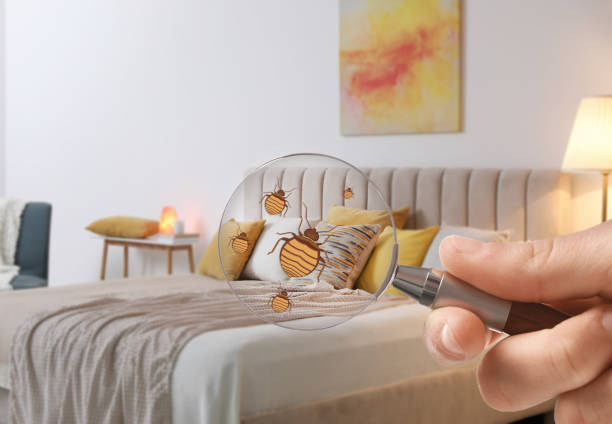
Discovering bed bugs in your home can be stressful, and choosing the right treatment isn’t always straightforward. If you’re comparing fumigation vs heat treatment, you’re likely looking for the fastest, safest, and most effective way to get rid of...
Bed bug infestations can quickly become difficult to control, especially as some populations have developed resistance to commonly used insecticides. Homeowners, landlords, hotels, and property managers often compare traditional chemical treatments with newer...
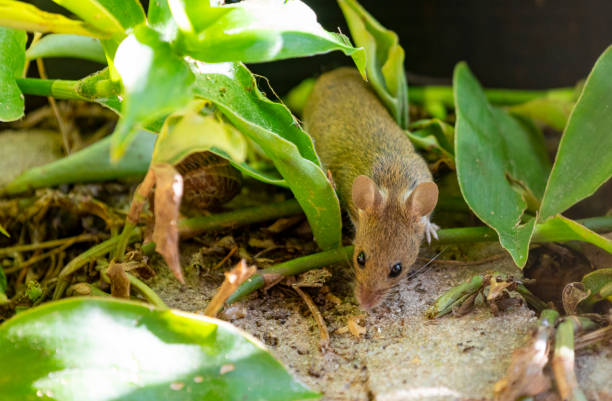
Rodents are not just pests-they are also a significant threat to health and property. Mice and rat infestations can cause significant damage and they can carry disease. However, timely identification of rodent presence can lead to quick intervention and the least...
The life cycle of the bed bug is a key part of successfully detecting and eradicating bed bug infestations. In fact, without understanding how the bed bugs reproduce and grow, an infestation can quickly spiral out of control and require extensive treatment. This guide...
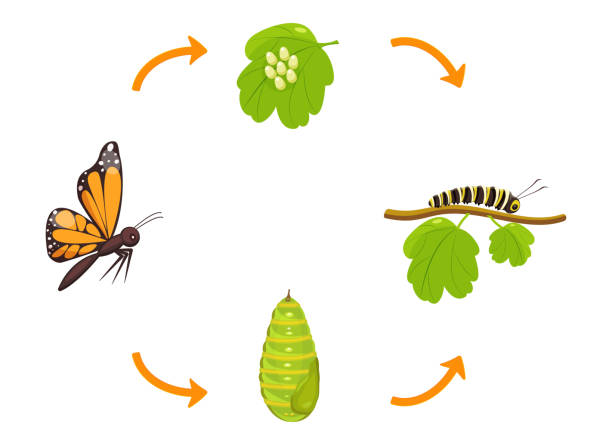
Moths are among the most common household pests in New York and across the country, yet most people know surprisingly little about how they develop. Understanding the life cycle of a moth is not just an academic exercise, it is one of the most practical tools you have...
When it comes to keeping your home pest‑free, one of the most common questions homeowners ask is how long does exterminator spray last after a professional treatment. The simple answer is: it varies. The lifespan of pest control spray depends on the formula used, the...
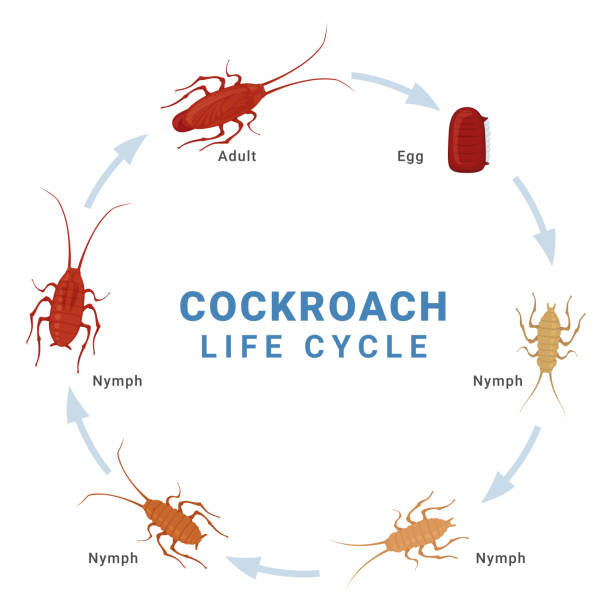
Cockroaches go through three main stages in their life: egg, nymph, and adult. This process is called incomplete metamorphosis. It starts when a female lays an egg case, known as an ootheca, which can hold about 10 to 60 eggs. These eggs hatch into tiny, wingless baby...
Ants are among the most successful organisms on Earth, surviving for over 100 million years and existing today in staggering numbers—around 20 quadrillion worldwide. Found on nearly every continent, they thrive due to their highly organized colonies, incredible...
When it comes to household pests, ants and termites are two of the most commonly confused insects. Homeowners often ask, “Do termites look like ants?” At a glance, they might seem similar, but knowing the differences is crucial. The main physical difference between...
Seen a dark insect in your bathroom and unsure if it’s a water bug or a cockroach? It’s a common confusion. Despite the name, most “water bugs” found indoors are actually cockroaches. True water bugs are larger, aquatic insects with pincer-like legs that rarely invade...





Recent Comments