
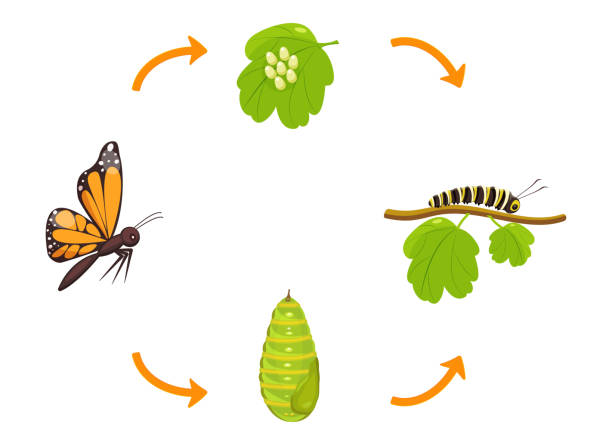
Moths are among the most common household pests in New York and across the country, yet most people know surprisingly little about how they develop. Understanding the life cycle of a moth is not just an academic exercise, it is one of the most practical tools you have for protecting your home. When you know what stage moths are in and what they are doing at each point, you can interrupt that cycle before serious damage occurs.
This guide walks you through every moth life cycle stage, what to watch for, and how to take action before a small problem becomes a full-blown infestation.
Key Takeaways
- Four Life Stages: Moths pass through egg, larva, pupa, and adult each stage hides differently and demands a different control approach.
- Larvae Cause All Damage: Only caterpillars destroy fabric and contaminate food. A flying adult moth means larvae are already active nearby.
- Spring Is Peak Season: Dormant eggs hatch as temperatures rise, making pre-spring inspection of closets and pantry items the most effective prevention step.
- Cocoons Are Easy to Miss: Tucked into carpet edges and fabric folds, moth cocoons survive routine cleaning and missed cocoons restart the infestation.
- Professional Treatment Works on All Stages: Effective moth control must eliminate eggs, larvae, cocoons, and adults at the same time not just the moths you can see.
What Is the Life Cycle of a Moth?
Like butterflies, moths undergo what scientists call complete metamorphosis a four-stage developmental process that transforms the insect from a microscopic egg into a winged adult. The four moth life cycle stages are:
- Egg
- Larva (Caterpillar)
- Pupa (Cocoon)
- Adult
Each stage looks and behaves completely differently from the others, and each serves a distinct purpose in the moth’s survival and reproduction. Understanding the moth life cycle timeline helps homeowners know when pests are most vulnerable and when they are most destructive.
Stage 1: The Egg
Everything begins with the egg. After mating, a single female moth can lay anywhere from a few dozen to more than 10,000 eggs, depending on the species. She deposits them in batches in dark, sheltered locations inside closet corners, along carpet edges, within stored clothing, or inside pantry items like grains and flour.
Moth eggs are tiny, often whitish or cream-colored, and barely visible to the naked eye. The incubation period varies considerably between species. Some eggs hatch within just a few days, while others overwinter in a dormant state and only hatch when spring temperatures rise. This ability to “pause” development is one reason moth infestations can feel like they appear out of nowhere the eggs have simply been waiting for the right conditions.
Females are strategic about where they lay. They select locations that offer their larvae an immediate food source upon hatching, which is why eggs are so often found in natural fiber clothing, wool carpets, and dried food products.
Stage 2: The Larva (Caterpillar)
The larval stage is the most consequential in the life cycle of a moth from a pest control perspective. This is where all the damage happens.
When moth eggs hatch, tiny caterpillars emerge with a single biological mission: eat and grow. Moth caterpillars are not picky about where they feed, but they are selective about what they feed on, depending on the species. Clothes moth larvae target natural fibers wool, silk, cashmere, leather, and fur because these materials contain keratin, a protein their bodies need for growth. Pantry moth larvae (such as the Indian meal moth) burrow into cereals, grains, flour, dried fruit, and even pet food.
It is important to note that adult moths do not eat fabric or food only the larvae do. An adult moth’s job is reproduction, not destruction. So when homeowners spot a flying moth, the real threat is the generation of larvae it may already have or will soon produce.
Stage 3: The Pupa (Cocoon)
Once the caterpillar has grown enough, it enters the pupal stage, one of the most fascinating transformations in the natural world. The caterpillar finds a sheltered, undisturbed spot, sheds its skin for the last time, and forms a protective casing known as a cocoon. Inside this silken shell, the caterpillar’s body undergoes a radical reorganization.
The moth life cycle timeline at this stage typically spans one to two weeks, though some species remain in the pupal stage much longer depending on temperature and environmental conditions. Moth cocoons can look like small, papery or silken lumps and are often found stuck to fabric fibers, tucked into carpet edges, or hidden in dark corners.
The pupal stage is often overlooked during cleaning, which is one reason infestations persist even after visible moths are removed.
Stage 4: The Adult Moth
When the transformation is complete, the adult moth emerges from the cocoon. Unlike caterpillars, adult moths do not have mandibles for chewing solid material. Instead, most have a proboscis, a coiled, straw-like tube used to sip nectar, fruit juices, or plant sap. Some adult moth species do not feed at all, living only long enough to mate and lay eggs before dying.
Adult moths are primarily nocturnal. They are drawn to warmth, darkness, and in the case of household species the scent of natural fibers and stored food. Most adult moths live between a few days and a few weeks. A single female, however, can lay hundreds of eggs during that short window, making rapid reproduction the moth’s most powerful survival tool.
During spring, warmer temperatures trigger eggs to hatch and adults to become more active. This seasonal uptick is why moth-related damage often seems to peak in spring and early summer.
Understanding the Life Cycle Protects Your Property
The life cycle of a moth follows a predictable pattern: egg, larva, pupa, adult but its impact on your home can be anything but predictable without early intervention. The larval stage drives all the real damage, yet it is the adult moth that most people notice first. By the time you see adults flying around, eggs and larvae may already be spread through your closets, carpets, and pantry.
Knowing the moth life cycle timeline gives you a genuine advantage. You understand when the pest infestation is most active, where it hides, and why simply removing visible moths is rarely enough. Pair that knowledge with consistent prevention habits and, when needed, professional support from a licensed exterminator and you are in a strong position to protect your home year-round.
Signs of a Moth Infestation
Because moths are secretive and most of their damage happens in dark, undisturbed spaces, infestations are often well-established before homeowners notice them. Here are the key warning signs:
For clothes and carpet moths:
- Irregular holes in wool, silk, cashmere, or other natural fiber clothing
- Threadbare or bald patches on carpets, especially under furniture
- Silk webbing or small cases (larval trails) on fabric surfaces
- Small cream-colored larvae or shed skins in closets and drawers
- A musty odor in storage areas
- Adult moths fluttering near the floor or in dark corners
For pantry moths:
- Webbing or clumping inside bags of grain, flour, or cereal
- Larvae or silken threads visible in food packaging
- Adult moths hovering near ceiling corners in the kitchen
- Food that smells off or has an unusual texture
Finding even one of these signs warrants a thorough investigation, because by the time damage is visible, larvae have typically been active for weeks.
How the Moth Life Cycle Makes Infestations Hard to Eliminate?
One of the biggest challenges with moths is that standard cleaning often addresses only adults while leaving eggs, larvae, and pupae untouched. Because each stage looks different and hides differently, a surface-level response rarely breaks the cycle completely.
A female moth can lay up to 100 eggs in just a few days. If even a small number of eggs survive a cleanup effort, the infestation restarts. The pupal stage is particularly resilient; cocoons protect developing moths from many environmental threats, including some insecticides applied to surfaces.
To truly eliminate an infestation, you need to target all four stages simultaneously, which is why professional pest control using integrated methods specifically designed to address the entire moth life cycle is so effective for persistent problems.

Prevention Tips to Protect Your Home
Whether you are dealing with a current infestation or hoping to avoid one, these prevention strategies are your best defense:
Storage and fabric care:
- Store seasonal clothing and natural fiber items in airtight containers or garment bags
- Wash all clothing thoroughly before placing it in long-term storage — moths are attracted to body oils and food residues
- Use cedar blocks or lavender sachets in closets as natural deterrents
- Regularly inspect and rotate stored items so nothing sits undisturbed for extended periods
Kitchen and pantry:
- Keep all dry goods (flour, cereals, grains, nuts, pet food) in sealed, airtight containers
- Inspect new grocery items before storing them, as pantry moths often hitch rides in purchased food
- Discard expired or suspect food items promptly
Cleaning and home maintenance:
- Vacuum carpets, rugs, and upholstery regularly, paying close attention to edges and under furniture
- Reduce clutter in closets, attics, and basements where moths prefer to hide
- Seal cracks and gaps around windows, doors, and vents to limit entry points
- Keep humidity levels in check — moths prefer moist environments
Monitoring:
- Use pheromone-based moth traps in closets and pantry areas to detect early activity
- Inspect stored items periodically, especially before and after seasonal transitions
If you would like to learn more about identifying the pests that commonly affect NYC homes, the NYC Extermination Pest Guide is an excellent starting resource that covers a wide range of insects and rodents found in the region.
When to Call a Professional
DIY methods can be effective for minor or very early-stage moth problems. But if you are finding repeated damage, noticing larvae across multiple areas of your home, or dealing with a pantry moth situation that keeps coming back, professional intervention is the most reliable solution.
Pest control professionals are trained to identify which moth species is present, locate the source of the infestation (including hidden hotspots like wall voids and floorboards), and apply targeted treatments that address the entire moth life cycle — from eggs to adults. Attempting to manage a large or entrenched infestation without professional help often leads to months of frustration and continued property damage.
NYC Extermination offers both residential pest control in NYC and commercial pest control services in NYC designed to address infestations at every stage, using EPA-approved methods that are safe for families and pets.
Conclusion
The life cycle of a moth egg, larva, pupa, adult is predictable, but the damage it causes does not have to be. Larvae are responsible for every hole in your clothing and every contaminated pantry item, yet most homeowners only notice adult moths long after the real destruction has begun. Knowing the moth life cycle stages puts you ahead of the problem. Pair that knowledge with consistent prevention habits, seasonal inspections, and professional treatment when needed, and your home stays protected year-round. If you are already seeing signs of moth activity in your New York home or business, do not wait to contact a trusted pest control services in NYC company for professional inspection and treatment.
Frequently Asked Questions
How long does the moth life cycle take from egg to adult?
Under warm indoor conditions, the full moth life cycle can complete in as little as a few weeks. In cooler environments, it may stretch to a year or more depending on the species and conditions.
Do adult moths cause fabric damage?
No. Adult moths do not eat fabric or food at all. All the damage to clothing, carpets, and pantry items is caused exclusively by moth larvae (caterpillars) during the larval stage.
Where do moths lay their eggs in a home?
Female moths lay eggs in dark, undisturbed spots close to a food source — inside closet corners, along carpet edges, within folded clothing, and inside dry food packaging like flour, cereals, and grains.
Why does my moth infestation keep coming back after cleaning?
Most DIY cleanups only remove visible adult moths while leaving eggs, larvae, and cocoons untouched. Moth cocoons in particular are resilient and easy to miss in carpet edges and fabric folds. The surviving stages restart the infestation within weeks.
When is moth season in New York?
Moth activity peaks in spring and early summer. Eggs that overwinter in dormancy hatch as temperatures rise, triggering a surge of larval feeding and adult activity. Pre-spring inspection is the most effective prevention step.
Recent Comments