
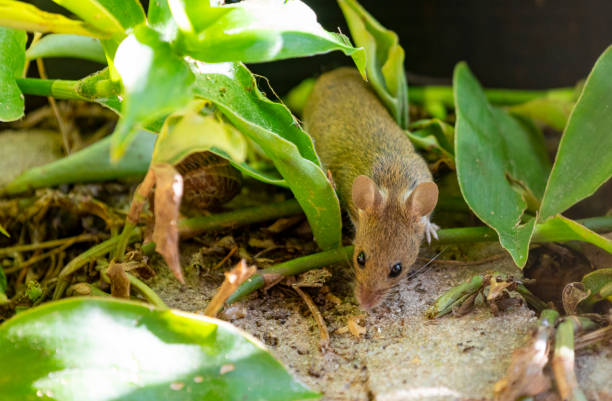
Rodents are not just pests-they are also a significant threat to health and property. Mice and rat infestations can cause significant damage and they can carry disease. However, timely identification of rodent presence can lead to quick intervention and the least amount of damage.
In NYC, professional pest control for rodents is advisable and if you noticed any signs know what to look for. Be alert and keep yourself equipped to handle these pests in both residential and commercial properties.
Key Takeaways
- Multiple Signs Matter: Rodent activity is often identified by droppings, gnaw marks, nests, grease marks, or unusual noises. Spotting just one sign may not reveal the full extent.
- Droppings Are a Warning: Fresh, dark droppings near food or along walls indicate active rodents. Older droppings still signal a potential problem that needs attention.
- Gnawing Signals Danger: Rodents chew constantly to maintain teeth. Damage to wires, packaging, or wood can indicate their presence and pose fire hazards.
- Nests Reveal Hidden Populations: Shredded paper, fabric, or insulation tucked away in dark spaces often hide breeding areas, allowing infestations to grow unnoticed.
- Nocturnal Activity: Scratching, scurrying, or squeaking at night points to active rodents, as they are mostly nocturnal.
- Pet Behavior Can Help: Dogs and cats often detect rodents before humans, alerting owners to hidden infestations.
- Act Early to Prevent Spread: Rodents reproduce quickly; addressing signs promptly with rodent control NYC or professional pest services prevents larger infestations.
Why Early Detection Matters?
The reproduction of rats is very fast; in a few months a pair of mice can have hundreds of newborns. A rat or a mouse can get through the smallest hole to reach food, water, and shelter. Most of the time they wait to be numerous before getting in.
Early detection helps:
- Avoid harming wiring, insulation, and stored items.
- Lessen or avoid the possibility of food contamination and food-related disease.
- Keep the infestations contained within the room. Do not allow the insect or rodent problem to spread to other apartments or condos in the same building.
For both residential pest control NYC and commercial pest control NYC, proactive monitoring is one of the keys to success.

Common Signs of Rodent Infestation
Detecting a rodent infestation involves looking for multiple warning signs. Here’s what to watch for, based on insights from Orkin and the EPA Rodent Guidelines:
1. Droppings
One of the most visible indicators is a rodent dropping. Mouse droppings are minuscule and rice-sized. Rat droppings are more significant and oval-shaped. Recent droppings will be soft and gleaming, but as time advances they harden and disintegrate. Look behind cupboards, close to food storage, and next to skirting boards.
2. Gnaw Marks
Gnawing: They need to keep their teeth trim, so they are constantly chewing. Examine anything made of wood, plastic, or rubber, or even the packaging of the food. When wires get chewed, electrical wiring can create a fire hazard.
3. Nests
Rodents use shredded paper, fabric, or insulation materials to make nests. Nests can be located in hidden, undisturbed places such as the attic, cellar, behind stored materials, or in wall voids.
4. Grease or Rub Marks
Rodent oils in fur smudge walls, baseboards, and other frequented areas with dark, greasy outlines.
5. Foul Odors
A pungent, musky odor like ammonia indicates that a buildup of concentrated rodent urine is present. If the odor is lingering in the kitchen, pantry, or storage, the rodents are likely actively present.
6. Scratching Noises
While it is common in the daytime, they tend to sleep during the day. The first warning of these pests is often the animals’ noises from scratching, scurrying, and squeaking from in the walls, ceilings, or under the floorboards during the night.
7. Unusual Pet Behavior
Animals, especially dogs and cats, can sense rodents much earlier than we can. If the animal starts pawing at the walls, sniffing around all the time, or showing signs of agitation, then it could be a sign.
8. Burrows or Holes
Rats may dig nests in or around foundations, gardens, and using debris. Search outside for small holes which may be home entrances.
9. Sightings
Any sighting of a rodent, dead or alive, is practically a 100% indication of infestation. Regular, or even infrequent sightings, all the more if during daytime, are also an alarm bell.
How to Respond to a Rodent Infestation
Dealing with a rodent infestation is not a problem you want to ignore. They not only damage your property but also present health risks due to disease. A quick response can prevent more serious damage, while minimizing your risks. Here is how to get rid of rodents:
1. Hire professionals :
If you are seeing multiple signs of rodents in your space then the best bet is to hire rodent control NYC professionals or a mice exterminator NYC. These specialists can inspect your property and identify which type of rodents are making a home within it. They will develop a tailored treatment plan that is safe for you, your family and your pets and will also perform follow-up monitoring visits.
2. Employ baits or traps in the right way :
Using baits and traps is effective against rodents but you need to ensure you use them properly:
- Place traps in areas where activity is highest such as against a wall or behind furniture
- Only use rodenticide baits exactly as instructed on the product’s label. In some cases, pest control heat treatments may be used to effectively kill rodents without using harmful chemicals
- Make sure your traps are in an area where children and pets cannot get to them.
3. Seal your entry points
Rodents are tiny creatures that will make an entrance in any crack or hole, however small it may be. You can avoid a re-infestation by ensuring your doors, windows, vents and all pipe openings are sealed. Steel wool and caulk should be used for small cracks, while metal mesh can be used on any larger gaps. Install door sweeps if necessary.
4. Stay tidy
Rodents love messy, untidy spaces as this can make it easier for them to make a home and also there will be more likely to be food available. You should be storing all food in secure rodent proof containers. Make sure garbage is disposed of regularly and any bins you have are always kept with a lid. Storage spaces should also be tidied up as far as possible, as the more clutter there is, the more hiding places will be created.
5. Look for rodents
Once the bait or traps are in place, you need to monitor them regularly and check for new evidence of rodents such as fresh droppings and signs of chewing. Keep a diary to log where and when you see rodents; this should help to indicate whether or not your rodent control measures are working effectively.
Frequently Asked Questions
What is the 5 day rule for mice?
The 5-day rule helps determine if a mouse infestation is cleared. If no mice are caught or signs seen for 5–7 days, the infestation is usually resolved. Check traps daily, move unused traps to active areas, then seal entry points and secure food to prevent re-infestation.
How to get rid of rodent infestation?
- Identify entry points – Check for cracks, holes, and gaps where rodents can enter.
- Assess damage and nests – Look for droppings, gnaw marks, or shredded materials.
- Set traps and baits – Place traps in high-activity areas and monitor daily.
- Seal cracks and holes – Use steel wool, caulk, or mesh to block entry.
- Maintain cleanliness – Store food securely and reduce clutter to remove hiding spots.
Will mice go near sleeping humans?
Yes, mice will go near sleeping humans. While they are naturally skittish and prefer to avoid contact, they will willingly climb onto beds or run across sleeping people. This usually happens if the mouse is seeking the shortest path to a hiding spot, or if it is attracted by food crumbs in the bedding.
What gets rid of mice permanently?
Getting rid of mice permanently requires a three-step strategy:
- exclusion (sealing them out),
- elimination (trapping the ones inside)
- sanitation (removing food and shelter).
Does 2 mice mean an infestation?
Seeing two mice isn’t automatically a full-blown infestation, but it is a major red flag. Catching or seeing two mice—especially if they are a male and female or spotted during the day—often indicates a breeding population has already established itself or will quickly form.
Recent Comments