
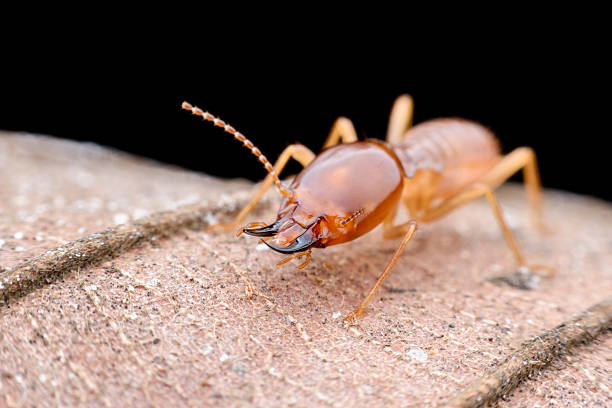
Termite treatment can last anywhere from a few months to several decades, depending on the type of treatment used. For example, liquid soil treatments typically last around 5 years, termite injection treatments can protect your home for 5–10 years, while bait systems need to be checked and replenished every 12–18 months. Physical barriers, on the other hand, can last for 30 years or more.
So, if you’re wondering, “How long does termite treatment last?” There isn’t one simple answer. It really comes down to the treatment method used in your home.
In this guide, we’ll look at how long each type of termite treatment generally lasts, what factors can shorten or extend its effectiveness, and the warning signs that it’s time for a follow-up treatment—before termites have a chance to come back and cause more damage.
Key Takeaways
- There’s no single lifespan for “termite treatment” it depends entirely on the method: liquid barriers (~5 years), termite injection treatment (5–10 years), bait stations (12–18 months between replacements), fumigation (no residual protection at all), and physical barriers (decades).
- How long a treatment is “good for” and how long your service warranty lasts are two different things, a treatment can still be chemically active after your warranty period ends, or vice versa.
- Soil type, climate, termite species, and infestation severity all affect how long any treatment actually holds up in the real world.
- Annual inspections matter regardless of treatment type; even a barrier rated for 10 years can fail early if a gap or breach goes unnoticed.
- Professional termite control services typically include ongoing monitoring and warranty-backed follow-up, which is the main thing separating them from a one-time DIY spray.
How Long Does Each Type of Termite Treatment Last?
Termite treatment lifespan ranges from a few months (bait stations, before replacement) to several decades (physical barriers), with most chemical treatments falling somewhere in the 5-to-10-year range.
| Treatment Type | Typical Lifespan | Maintenance Needed |
| Liquid soil termiticide | 5 years (up to 10 in some conditions) | Re-treatment typically every 5 years |
| Termite injection treatment (wood) | 5–10 years | Periodic inspection; reseal if wood is exposed |
| Bait stations/systems | 12–18 months per station | Monthly to quarterly monitoring |
| Fumigation (tenting) | No residual protection | None, kills existing termites only |
| Heat treatment | No residual protection | None, kills existing termites only |
| Physical barriers | 30+ years | Minimal, but should be inspected for damage |
Liquid Soil Termiticide Treatments
Liquid termiticide treatments typically last around 5 years, and up to 10 years under favorable soil and climate conditions. A termite pest control specialist digs a trench around your home’s perimeter and treats the soil with termiticide, creating a chemical barrier subterranean termites can’t cross without dying. This is one of the most common professional treatments because it addresses both an active infestation and future prevention in a single application but it depends on an unbroken barrier, so any gap from later digging, landscaping, or construction can let termites back in early.
Termite Injection Treatment (Wood Treatment)
Termite injection treatment where termiticide is injected directly into infested or at-risk wood typically lasts 5 to 10 years, though this can shrink to 3–5 years if the wood isn’t properly sealed afterward. This method is used both as a targeted treatment for wood that’s already showing termite activity and as a preventative measure during new construction. Because the termiticide is applied directly into the wood itself rather than as a perimeter barrier, injection treatment is particularly effective for isolated infestations that haven’t spread through the whole structure yet.
Bait Stations and Systems
Bait stations don’t offer a fixed multi-year lifespan the way barrier treatments do; they require monitoring every 30 to 90 days and typically need bait replacement every 12 to 18 months to stay effective. Stations are placed strategically around your property; termites that find the bait carry it back to the colony, gradually eliminating the whole nest rather than just the termites that happen to cross a chemical barrier. This makes bait systems slower to show results (it can take weeks to months for termites to find and spread the bait) but genuinely effective at colony-level elimination; the trade-off is that they’re an ongoing commitment, not a treat-and-forget solution.
Fumigation and Heat Treatment
Fumigation and heat treatments eliminate an active termite infestation quickly, but neither provides any residual protection against termites moving back in afterward. Fumigation seals and fills a structure with gas that kills termites throughout, typically within 24–72 hours. Heat treatment raises the temperature inside the structure to a lethal threshold for termites. Both are fast and thorough for an active infestation, but because neither leaves behind a chemical or physical barrier, they’re often paired with a follow-up preventative treatment (liquid barrier or bait system) to actually protect the home going forward.
Physical Termite Barriers
Physical termite barriers, stainless steel mesh, crushed stone, or sand barriers installed during construction can last 30 years or more, since they work by physically blocking termite entry rather than relying on a chemical that eventually breaks down. These are typically installed preventatively during new construction rather than retrofitted, and their main advantage is longevity with minimal ongoing maintenance though they should still be inspected periodically, since physical damage or shifting can create a gap termites can exploit.
How Long Is Termite Treatment “Good For” vs. How Long Is the Warranty?
These are two different things, and conflating them is one of the most common points of confusion homeowners run into. “How long is termite treatment good for” usually means how long the chemical or physical protection is actually effective the numbers covered above. Your service warranty, on the other hand, is a contractual commitment from the pest control company to re-treat your home (often at no extra cost) if termites return within a specified period, which may be shorter or longer than the treatment’s actual chemical lifespan.
A treatment can still be chemically active after a 1-year warranty period ends; you’re just no longer covered for free re-treatment. Conversely, some companies offer renewable annual warranties that extend well beyond a single treatment’s natural lifespan, effectively keeping you protected as long as you keep renewing, regardless of how long any individual application would last on its own. When comparing quotes from different companies, it’s worth asking specifically: how long is the treatment itself rated to last, and separately, how long is the warranty, and what does it actually cover?
What Factors Affect How Long Termite Treatment Lasts?
The biggest factors affecting how long termite treatment lasts are soil composition, local climate, termite species, infestation severity at the time of treatment, and how well the treatment was applied.
- Soil type: sandy or loose soil can allow liquid termiticide to break down or migrate faster than dense clay soil, shortening a barrier’s effective life.
- Climate: heavy rainfall and humidity can accelerate the breakdown of some liquid termiticides, while consistently dry conditions tend to preserve them longer.
- Termite species: subterranean, drywood, and Formosan termites behave differently, and treatment effectiveness varies accordingly; Formosan colonies in particular are known for being more aggressive and harder to fully eliminate with a single treatment.
- Infestation severity: a well established, large colony may require more aggressive or combined treatment approaches than an infestation caught early.
- Application quality: an improperly applied barrier (gaps, insufficient depth, missed areas) will fail well before its rated lifespan, regardless of which product was used.
How Often Should You Spray for Termites?
As a general guideline, liquid termiticide barriers should be reapplied roughly every 5 years, while properties in high-risk areas or with a history of infestation may benefit from annual preventative inspections even between full re-treatments. “Spraying” specifically refers to liquid termiticide application, and the reapplication interval is really just the practical expression of that treatment’s expected lifespan once the barrier’s effectiveness starts to decline (see below), it’s time to schedule another application rather than waiting for a new infestation to force the issue.
For homes that have never had a termite problem, an annual inspection (without necessarily a full re-treatment) is generally the more cost-effective approach catching an early warning sign is far cheaper than dealing with an active infestation that’s had time to establish itself.
Signs Your Termite Treatment Is Wearing Off
Even a treatment well within its expected lifespan can fail early if conditions change.
- New mud tubes along the foundation, which subterranean termites build to travel safely between soil and wood
- Fresh frass (termite droppings) near wood structures, which drywood termites push out of their galleries
- Soft or hollow-sounding wood when tapped, particularly near previously treated areas
- Discarded wings near windowsills or doors, a sign of a termite swarm often the first visible indicator homeowners notice
- Visible soil disturbance near a liquid barrier’s perimeter, which can indicate a breach in the treated zone
Any one of these is worth a professional inspection, even if your treatment is technically still “within” its expected lifespan on paper real-world conditions don’t always match the average.
Why Professional Termite Control Services Matter
Professional termite control services matter because they combine the correct treatment method for your specific situation with licensed application, ongoing monitoring, and a warranty none of which a DIY spray or bait product can fully replicate. A store-bought termiticide might kill the termites it directly contacts, but professional-grade products, application depth, and barrier continuity are what actually determine whether a treatment holds up for years rather than months.
A professional termite control service typically includes:
- An initial inspection to identify termite species, infestation extent, and the right treatment method
- Application by a licensed technician, using professional-grade products not available for consumer purchase
- A service warranty covering re-treatment if termites return within a specified period
- Scheduled follow-up inspections, particularly important for bait systems that require ongoing monitoring
For most homeowners, the cost difference between DIY products and a professional service is small relative to the cost of a termite infestation that wasn’t fully addressed the first time termites cause billions of dollars in structural damage annually precisely because problems are often caught late or treated incompletely.
Conclusion
There’s no single number that answers “how long does termite treatment last” the honest answer depends entirely on which method protected your home. Liquid barriers and termite injection treatments typically hold up for 5 to 10 years, bait systems require ongoing replacement every 12 to 18 months, and physical barriers can last decades with minimal upkeep.
Working with a trusted pest control NYC professional can also help you choose the right treatment and keep an eye on its effectiveness over time. What matters most isn’t memorizing these ranges, though it’s understanding that soil, climate, and application quality can shorten any of them, and that a service warranty isn’t the same thing as the treatment’s actual lifespan. Regular inspections, whether DIY spot-checks between visits or scheduled professional follow-ups, are what actually catch a failing treatment before termites get a second foothold in your home.
Frequently Asked Questions
Do I need to re-treat my whole house, or just the affected area?
This depends on the treatment method and infestation extent; bait systems and injection treatments can often target specific areas, while liquid barrier treatments typically need to cover the full perimeter to remain effective, since termites will simply find any untreated gap.
How long is termite treatment good for?
This refers to how long the treatment remains chemically or physically effective, which varies by method (see above) this is different from your service warranty period, which is a separate contractual commitment from your pest control provider.
How long does termite treatment take to start working?
This varies by method: liquid barriers and injection treatments typically start working immediately on contact, while bait systems can take weeks to months, since termites need to find the bait and carry it back to the colony before the colony-wide effect takes hold.
How often should I spray for termites?
Liquid termiticide barriers are generally reapplied about every 5 years. Even without a full re-treatment, an annual inspection is a good practice for catching early warning signs before they become a full infestation.
What is termite injection treatment?
Termite injection treatment involves injecting termiticide directly into infested or at-risk wood, rather than treating the surrounding soil. It typically lasts 5 to 10 years and is commonly used for isolated infestations or as a preventative measure during construction.
Do I need professional termite control services, or can I treat it myself?
DIY products can address minor, surface-level issues, but professional termite control services use higher-grade products, proper application depth, and ongoing monitoring that most DIY approaches can’t match particularly important for an active infestation or a home in a high-risk area.

Recent Comments