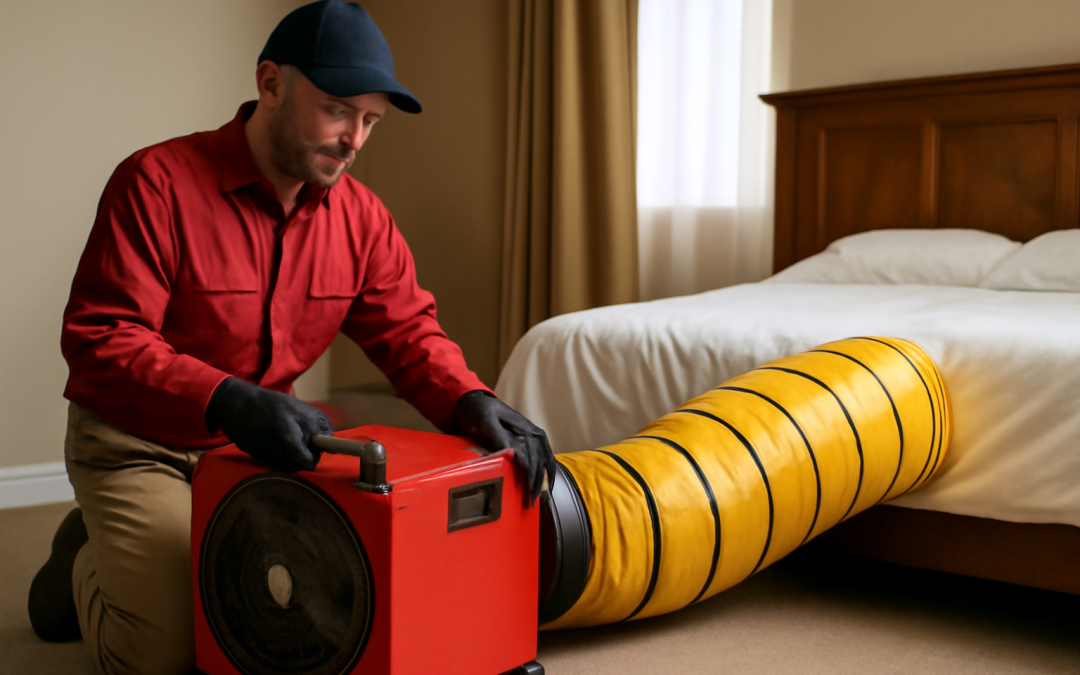
Yes, heat can kill all stages of bed bugs including eggs, nymphs and adults if the right temperature and exposure time are maintained. Most professional heat treatments bring room temperatures to between 130°F and 145°F so that lethal heat reaches hidden bed bugs. In this guide we will explain how heat affects each stage of life, the temperatures that are required and when professional heat treatment is the best solution.
Key Takeaways
- Heat treatment can eliminate bed bugs at all life stages, including eggs, nymphs, and adults, when proper temperatures and exposure times are maintained.
- Proper preparation improves treatment effectiveness by removing clutter, protecting heat-sensitive items, and ensuring pet safety.
- Professional heat treatment is more effective than DIY methods because experts use specialized equipment and temperature monitoring to reach hidden bed bug areas.
- Heat treatment may require follow-up monitoring to prevent reinfestation and ensure complete bed bug elimination.
- Heat can safely eliminate bed bugs when performed by trained professionals using proper procedures and safety precautions.
Does Heat Kill Bed Bugs?
Yes, heat can kill bed bugs at every life stage, including eggs, nymphs, and adults, when exposed to the proper temperature for the required amount of time. The effectiveness of heat treatment depends on reaching hidden infestation areas and maintaining consistent temperatures throughout the treatment process.
Understanding Bed Bug Life Stages
Understanding how heat affects each stage helps explain why proper temperature control and heat distribution are essential for complete bed bug extermination. Missing any stage can allow surviving bed bugs to continue developing and reproduce, leading to a recurring infestation.
Bed bugs undergo three primary life stages:
- Eggs
- Nymphs
- Adults. Each stage presents unique challenges and vulnerabilities that demand specific strategies for effective elimination. Overlooking any stage can lead to the survival and multiplication of bed bugs.
Examining each life stage reveals how heat treatment can effectively target and eliminate bed bugs.
Bed Bug Eggs
Bed bug eggs are minuscule, measuring about 1 millimeter, and have a shiny, pearl-white appearance that makes them difficult to detect. Despite their small size, they are resilient and can withstand various environmental conditions. An egg can be easily overlooked in such environments.
Heat treatment can effectively kill bed bug eggs if temperatures reach 125°F, making it a powerful tool for eliminating eggs hidden in mattresses, box springs, and other infested items.
Nymphs
Nymphs, or juvenile bed bugs, molt through five stages before reaching adulthood. During these molting phases, they are particularly vulnerable to heat treatment. Prolonged exposure to temperatures above 120°F can effectively kill nymphs.
Eradicating nymphs during their molting stages is crucial since they cannot withstand the high heat needed for effective treatment.
Adult Bed Bugs
Adult bed bugs are notoriously resilient and can withstand a range of temperatures, making them challenging to eliminate. However, they become vulnerable when exposed to temperatures above 118°F for an extended period. During heat treatment, adult bed bugs display erratic behavior as they succumb to the high temperatures, ensuring their complete extermination.
Effectively killing adult bed bugs requires:
- Maintaining temperatures of at least 118°F for 90 minutes.
- Ensuring consistent high temperatures throughout the treatment area to allow thorough penetration.
- Accounting for the surrounding environment and materials where bed bugs hide.
This approach guarantees that all adult bed bugs, even those hiding deep within clutter or furniture, are eradicated.
How Does Bed Bug Heat Treatment Work?
Bed bug heat treatment works by raising the temperature of an infested area to levels that bed bugs cannot survive. Unlike traditional treatments that rely on direct contact, heat can reach bed bugs hiding in furniture, cracks, mattresses, and other difficult-to-access areas. The effectiveness of heat treatment depends on several factors, including the size of the infestation, the structure of the property, proper heat distribution, and maintaining the required temperature for the necessary amount of time.
Professional exterminators use specialized heaters, air movers, and temperature monitoring equipment to ensure heat reaches all potential hiding areas and eliminates bed bugs at every life stage, including eggs, nymphs, and adults.
What Temperature Kills Bed Bugs?
Bed bugs die when exposed to high temperatures for a sustained period. Professional heat treatments typically raise indoor temperatures to approximately 120°F–140°F to ensure lethal heat reaches areas where bed bugs may be hiding.
The effectiveness of pest control heat treatment depends on both temperature and exposure time. Maintaining consistent temperatures throughout the treatment area is essential for eliminating bed bugs completely.
Professional technicians use monitoring equipment to confirm that heat levels remain effective and that all areas receive sufficient exposure.
Factors that influence heat treatment effectiveness include:
- Treatment temperature
- Exposure duration
- Heat distribution throughout the property
- Locations where bed bugs are hiding
Maintaining proper temperatures allows to target heat treatment for bed bugs at all life stages, including eggs, nymphs, and adults.
How Does Heat Reach Hidden Bed Bug Infestation Areas?
Bed bugs often hide in small, protected areas that can be difficult to treat, including:
- Mattress seams
- Furniture joints
- Behind baseboards
- Wall voids
- Cracks and crevices
Professional heat treatments use industrial heaters and air movers to distribute heated air throughout the property and reach these hidden infestation areas.
Proper heat penetration is essential because untreated cooler areas may allow bed bugs to survive. By carefully controlling airflow and monitoring temperatures, technicians can improve heat coverage and increase the effectiveness of the treatment.
A thorough approach ensures that heat reaches the locations where bed bugs are most likely to hide, helping achieve a more complete extermination.
How Should You Prepare Your Home for Bed Bug Heat Treatment?
Proper preparation helps maximize bed bug heat treatment effectiveness while protecting your home and belongings. Before treatment begins, homeowners should remove clutter, protect heat-sensitive items, relocate pets, and follow technician instructions.
A properly prepared home allows heat to circulate more effectively and reach areas where bed bugs may be hiding, improving the chances of complete elimination.
Removing Clutter
Removing clutter helps improve airflow and allows heat to reach areas where bed bugs commonly hide, including mattresses, furniture, cracks, and other hard-to-reach locations.
Reducing clutter also gives technicians better access to potential infestation areas and helps ensure more effective heat distribution throughout the treatment space.
Protecting Heat-Sensitive Items
Before heat treatment, remove or protect items that may be damaged by high temperatures, such as aerosol cans, certain electronics, candles, medications, and other heat-sensitive belongings.
Technicians may provide specific preparation instructions to help protect valuable items while ensuring the treatment remains safe and effective.
Relocating Pets
Pets should be removed from the treatment area before heat treatment begins. This includes dogs, cats, birds, and other animals that may be affected by high temperatures.
Relocating pets helps keep them safe and allows technicians to complete the treatment process without interruptions.
Following Technician Instructions
Following professional preparation guidelines is essential for successful bed bug heat treatment. Technicians may provide specific instructions based on your property, infestation level, and the areas being treated.
Proper preparation helps improve heat penetration, reduces safety risks, and increases the effectiveness of the overall treatment process.
What Happens During Professional Bed Bug Heat Treatment?
The professional bed bug heat treatment process involves setting up specialized equipment, monitoring temperatures, and maintaining the required heat levels for the proper duration to eliminate bed bugs at all life stages. Trained technicians use industrial heaters, air movers, and safety protocols to distribute heat effectively while minimizing risks to your home and belongings.
Before treatment begins, proper preparation is completed to improve heat penetration and treatment effectiveness. Informing neighbors before treatment may also help prevent bed bugs from moving to nearby areas during the process.
Step 1: Equipment Setup
Professional heat treatments use industrial heaters to reach necessary temperatures for bed bug eradication, with safety protocols in place to protect household items and minimize damage.
Proper preparation and monitoring allow heat treatments to be performed safely without harming homes.
Step 2: Temperature Monitoring
Continuous temperature monitoring ensures they remain within the required range, with technicians using infrared thermometers to monitor effective heat penetration.
Rigorous monitoring is critical for eliminating bed bugs at all life stages during heat treatment.
Step 3: Maintaining Treatment Temperature
A typical heat treatment for bed bugs lasts 6 to 8 hours, varying based on the size of the area and severity of the infestation.
Infested objects should be heated for three to five hours to ensure effective bed bug eradication.
Step 4: Final Inspection
After the heat treatment process is complete, technicians perform a final inspection to check the treated areas and confirm the effectiveness of the service.
They look for signs of remaining bed bug activity and provide recommendations for monitoring and preventing future infestations. This final step helps ensure the treatment process delivers long-lasting results.
What Should You Do After Bed Bug Heat Treatment?
Thorough follow-up actions after bed bug heat treatment are necessary to help ensure the infestation does not return. After treatment, homeowners should inspect for any surviving bed bugs, clean treated areas, and follow preventive measures recommended by professionals.
Regular monitoring, checking for signs of bed bug activity, and taking quick action if any issues are found can help maintain a bed bug-free environment.
Inspecting for Survivors
Post-treatment inspections are crucial to ensure no surviving bed bugs remain, looking for evidence like dead bugs, shed skins, and feces. Inspections help confirm that the bed bugs have survived the treatment.
Check bed bug interceptors weekly for signs of resurgence. Document any findings and take prompt action if bed bugs are detected.
Cleaning Up
Regular vacuuming and washing items in hot water are essential for maintaining a bed bug-free environment post-treatment. Vacuum up dead bugs and wash bedding in hot water, drying it on a high setting to ensure all bed bugs are killed.
This ongoing cleaning routine helps maintain a bed bug-free environment.
Preventing Future Infestations
Prevent re-infestation by sealing entry points and regularly inspecting for signs of bed bugs. Using bed bug-proof encasements on mattresses can help kill bed bugs and prevent future infestations.
Re-infestation can occur from neighboring units or during travel, so ongoing vigilance and preventive measures against new infestation are crucial.
Common Myths About Heat Treatment
Many misconceptions exist about heat treatment for bed bugs. It is important to debunk these myths to ensure accurate information is available.
Common myths include believing heat treatment is a one-time fix, that DIY treatments are effective, and that heat treatment damages your home.
Is Bed Bug Heat Treatment a Permanent Solution?
Heat treatment can be highly effective, but it may not always be a permanent solution with a single treatment, especially in severe infestations. Some situations may require additional treatments or follow-up inspections to completely eliminate the problem.
Continuous monitoring and preventive measures are necessary to reduce the chances of bed bugs returning after treatment.
Can You Perform DIY Bed Bug Heat Treatment?
Attempting DIY bed bug heat treatment without professional guidance can lead to ineffective results and safety risks. DIY methods often lack the proper equipment, temperature control, and monitoring required for complete extermination.
Professional heat treatments use advanced equipment and proven techniques to ensure effective results and eliminate bed bugs from hidden areas.
Can Heat Treatment Damage Your Home?
No, professional heat treatment does not typically damage your home when performed by trained professionals. Technicians conduct proper assessments and preparation to minimize risks and protect your belongings during treatment.
Precautions include removing or protecting heat-sensitive items and ensuring proper temperature control throughout the process for safe and effective bed bug elimination.
Why Does Bed Bug Heat Treatment Fail?
Bed bug heat treatment may fail when all areas of an infestation do not reach or maintain the required temperature for sufficient time. Factors such as poor heat distribution, airflow issues, insulation, and hidden bed bug locations can reduce treatment effectiveness.
Severe infestations may also require follow-up treatments if some bed bugs survive in untreated areas or if reinfestation occurs after treatment. Proper preparation, professional equipment, and continuous temperature monitoring help improve the success of bed bug heat treatment.
Insufficient Heat Exposure
The success of heat treatment relies on thorough heat application. Consistent high temperatures are necessary to ensure all bed bugs, regardless of their life stage, are killed.
Proper execution of heat treatment requires attention to detail to prevent missed specific areas, enhancing the chances of complete eradication.
Missed Hiding Areas
Heat treatment effectiveness depends on how well heat penetrates various materials and areas, ensuring hidden bed bugs are reached. Decluttering prior to heat treatment allows better heat circulation and access to all potential hiding spots for bed bugs.
Remove or protect heat-sensitive items to avoid compromising treatment effectiveness. Insufficient exposure to lethal temperatures can result in surviving bed bugs, emphasizing the need for consistent and thorough heat application.
Re-Infestation After Treatment
Identifying and preventing re-infestation is crucial for maintaining a pest-free environment, as bed bugs can spread from neighboring units or external sources. Using mattress encasements and conducting regular inspections can help catch signs of bed bugs early, especially when considering the role of a box spring.
A communication strategy with neighbors about bed bug awareness can significantly reduce the risk of re-infestation through shared walls or common areas, making everyone more aware of the issue.
Contact Professional Bed Bug Heat Treatment in NYC
If you’ve discovered bed bugs in your home, don’t wait to get professional help. At NYC Extermination, we provide effective bed bug extermination heat treatments with free estimates, helping you understand your options before starting the process.
Contact our experienced exterminators use professional equipment and proven heat treatment methods to target bed bugs at every life stage. After a thorough inspection, we create a treatment plan designed to eliminate the infestation safely and effectively.
We also recommend avoiding moving infested furniture before treatment, as this can spread bed bugs to other areas of your home. Trust NYC Extermination to handle your bed bug heat treatment with the expertise needed to restore a safe, bed bug-free environment.
Summary
In summary, heat treatment is a powerful method for eradicating bed bugs at all life stages, from eggs to adults. By understanding the science behind heat treatment, preparing your home properly, and following post-treatment steps, you can ensure a thorough and effective elimination of bed bugs. Remember, myths and misconceptions can hinder your efforts, so rely on professional services and continuous monitoring to prevent future infestations. Take action today and enjoy a bed bug-free home.
Frequently Asked Questions
Can heat treatment kill bed bugs at all life stages?
Yes, heat treatment can effectively kill bed bugs at all life stages, including eggs, nymphs, and adults, when maintained at the proper temperatures for the required duration.
How long does a typical heat treatment take?
A typical heat treatment for bed bugs usually takes between 6 to 8 hours, depending on the area size and infestation severity. This duration ensures effective elimination of the pests.
Are there any items that need to be removed before heat treatment?
Yes, it’s essential to remove heat-sensitive items such as aerosols, electronics, and fresh food before heat treatment to prevent damage. This precaution ensures the integrity of both the items and the heat treatment process.
Is heat treatment safe for my home and belongings?
Yes, heat treatment is safe for your home and belongings when conducted by trained professionals who adhere to safety protocols and take adequate precautions to protect your items.
What should I do if I find surviving bed bugs after treatment?
If you find surviving bed bugs after treatment, it’s essential to conduct thorough inspections and document your findings. Prompt follow-up treatments and continuous monitoring will be necessary to achieve complete eradication.
Do bed bugs like heat?
No, bed bugs do not like heat. While they may move away from extreme temperatures temporarily, they cannot survive prolonged exposure to the high temperatures used during professional heat treatments. Heat treatment works by raising the temperature of infested areas to levels that are lethal to bed bugs, including eggs, nymphs, and adults.
Is professional heat treatment better than DIY methods?
Yes, professional heat treatment methods is more effective and safer than DIY heat treatment for bed bugs because it uses specialized equipment, accurate temperature monitoring, and controlled heat distribution. DIY methods often fail because household heaters and appliances cannot maintain the consistent temperatures needed to eliminate bed bugs hiding in mattresses, furniture, cracks, and wall voids.
How long does bed bug heat treatment take?
A professional bed bug heat treatment typically takes 6 to 8 hours, depending on the size of the property, severity of the infestation, and how effectively heat reaches hidden areas. Technicians must maintain lethal temperatures long enough to eliminate bed bugs at every life stage, including eggs.
Will heat treatment damage my furniture or belongings?
No, professional heat treatment does not typically damage furniture or belongings when performed correctly. Trained technicians carefully control temperatures and provide preparation instructions to protect heat-sensitive items such as electronics, aerosols, candles, medications, and certain materials. Proper monitoring ensures effective bed bug elimination while minimizing risks to your property.
Recent Comments