

Looking for the best humane wildlife traps for safe animal control? You’ve come to the right place. This guide will help you find effective and ethical solutions for managing wildlife without causing harm. We’ll cover the top traps available, key features to look for, and tips for safe handling and use.
Key Takeaways
- Choosing the right humane wildlife trap is essential, focusing on factors like easy setup, quick-release mechanisms, and durable construction to ensure both effective and ethical animal control.
- Top brands such as Havahart, Tomahawk, and Tru Catch are noted for their humane and effective designs, suitable for capturing various wildlife species.
- Ethical considerations are crucial in wildlife trapping, including avoiding unintentionally orphaning young animals and following safe relocation practices to minimize animal distress and mortality.
Key Factors in Choosing Humane Wildlife Traps
The selection of an appropriate humane wildlife trap significantly influences the effectiveness and ethics of animal control. Humane traps come in various types, including box traps, cage traps, and tube traps, all designed to capture animals without causing harm or stress. Key features to look for include easy setup, quick-release mechanisms, durable construction, and safe handling features. These elements ensure that animals do not suffer cruelty and that the trap is effective and user-friendly.
One needs to ensure the selected trap is:
- spacious enough for the animal’s comfort
- sufficiently strong for secure containment
- the cage door should open and close without contacting the animal to ensure health security
Keeping these factors in mind, we will now discuss the specific characteristics of a superior humane wildlife trap.
Easy Setup and Release Mechanism
The safety of both animals and users largely hinges on the easy setup and quick-release mechanisms. Traps should be convenient for animals to enter, highlighting the importance of easy setup. Brands like Havahart offer traps that can be set with one hand, making the process quick and efficient. Similarly, Tomahawk traps feature spring-loaded doors and rear sliding doors that simplify baiting and cleaning tasks.
Also, a humane trap should have the following features:
- A sturdy construction to prevent escape
- A sensitive trigger mechanism to ensure quick capture
- A comfortable and safe interior for the animal
- A quick-release button to facilitate injury-free release
By focusing on these features, you can ensure that the trapping process is humane and stress-free for the animal, whether it’s a cat or any other creature.
Durable Construction
The durability of the trap’s construction is another factor worth considering. Traps made from sturdy, rust-resistant materials ensure longevity and effectiveness. Tomahawk traps, known for their durability, are often used by professionals for animal control. These traps are built to withstand various conditions and securely hold animals without damage.
Tru Catch traps offer a powder-coated finish to prevent rust and ensure a long life. Investing in a well-constructed trap not only provides long-term use but also guarantees that the trap remains effective over time.
Safe Handling Features
Injury prevention to both the animal and the handler largely depends on the trap’s safe handling features. With protective handguards, you can carry the cage without the risk of being attacked by the trapped animal. This is an important safety feature for handling wildlife. Ergonomic handles ensure safe and efficient handling, avoiding harm to both parties.
Moreover, smooth internal edges and rolled edge features in humane animal traps prevent injuries inside the cage and ensure safety for the person carrying it. Brands like Havahart incorporate these safety features to minimize the risk of injury during capture and transportation.
Top-Rated Live Animal Traps for Different Species
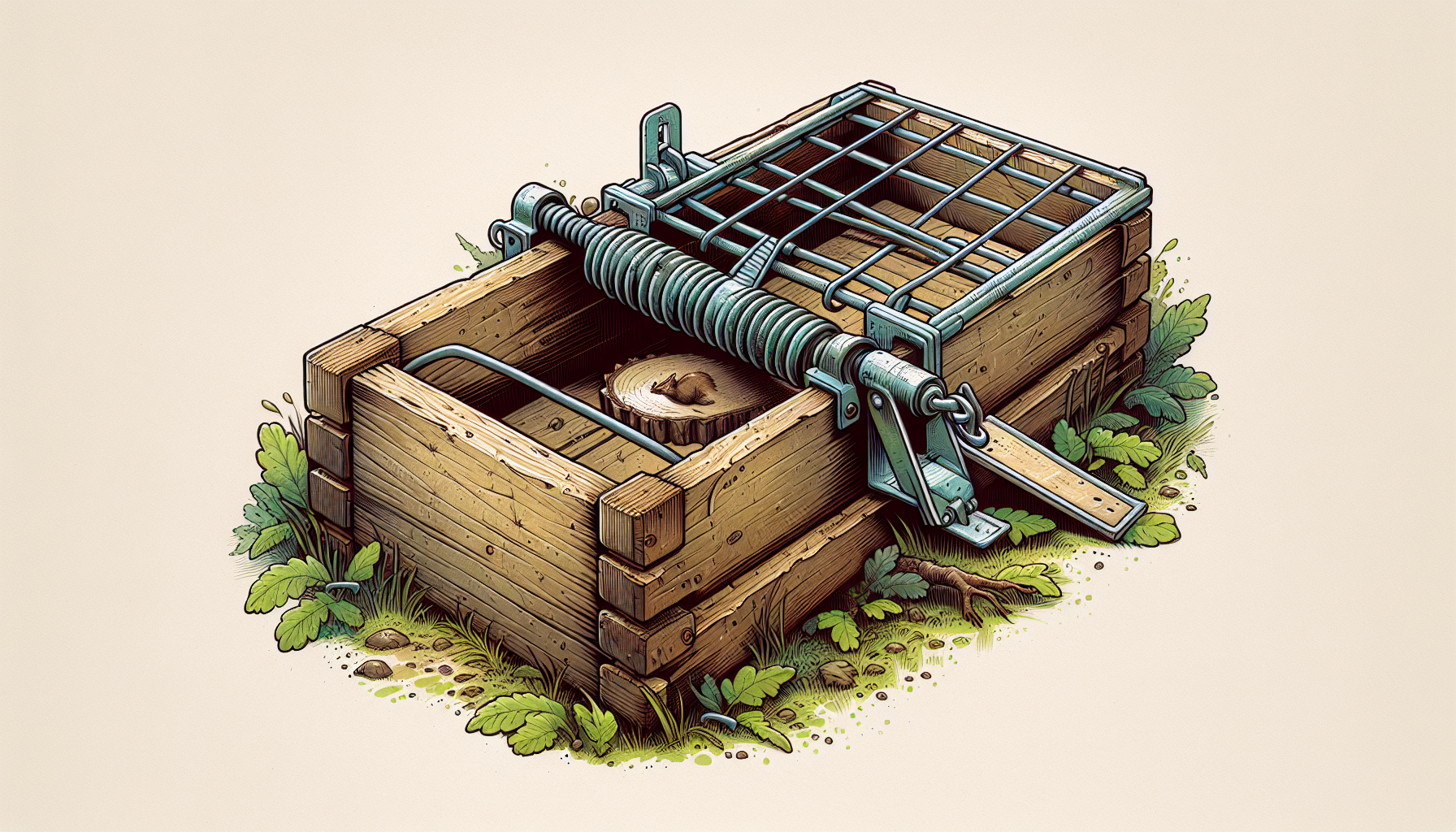
In the selection of the most effective live animal traps, specific brands are notable for their efficiency and compassionate design. Havahart, Tomahawk, and Tru Catch are among the top-rated brands, each offering unique features tailored to different species.
These brands are trusted by professional trappers and animal control officers for their ability to capture a variety of wildlife humanely. We will now dissect the reasons why each of these brands is a top pick for humane wildlife trapping.
Havahart Live Animal Traps
Havahart live animal traps are known for their humane design and come in various sizes suitable for different animals, from small rodents to raccoons. Their traps feature a two-door design that increases the chances of capture. This brand is widely trusted by professional trappers and animal control officers for its effectiveness in capturing pests and nuisance animals humanely.
Whether you’re dealing with mice in your yard or raccoons, Havahart offers a reliable solution that ensures the well-being of the captured animal.
Tomahawk Live Animal Traps
Tomahawk live animal traps offer high-quality options for larger animals and specialized traps for hard-to-catch species. Their range includes traps suitable for larger animals like coyotes and groundhogs. Specialized traps for feral cats and foxes provide solutions for more challenging wildlife control scenarios.
Tomahawk traps are often recommended for their durability and effectiveness, making them a top choice for professional trappers and animal control officers.
Tru Catch Live Animal Traps
Tru Catch live animal traps are praised for their unique designs and quiet operation, which minimizes stress for captured animals. These traps have been used worldwide by humane societies and animal shelters since 1987. However, some users note that the door on larger Tru Catch traps doesn’t always close quickly enough, which can be a drawback.
Despite this, Tru Catch remains a popular choice for those looking for a humane and effective trapping solution.
Budget-Friendly Options for Humane Wildlife Control
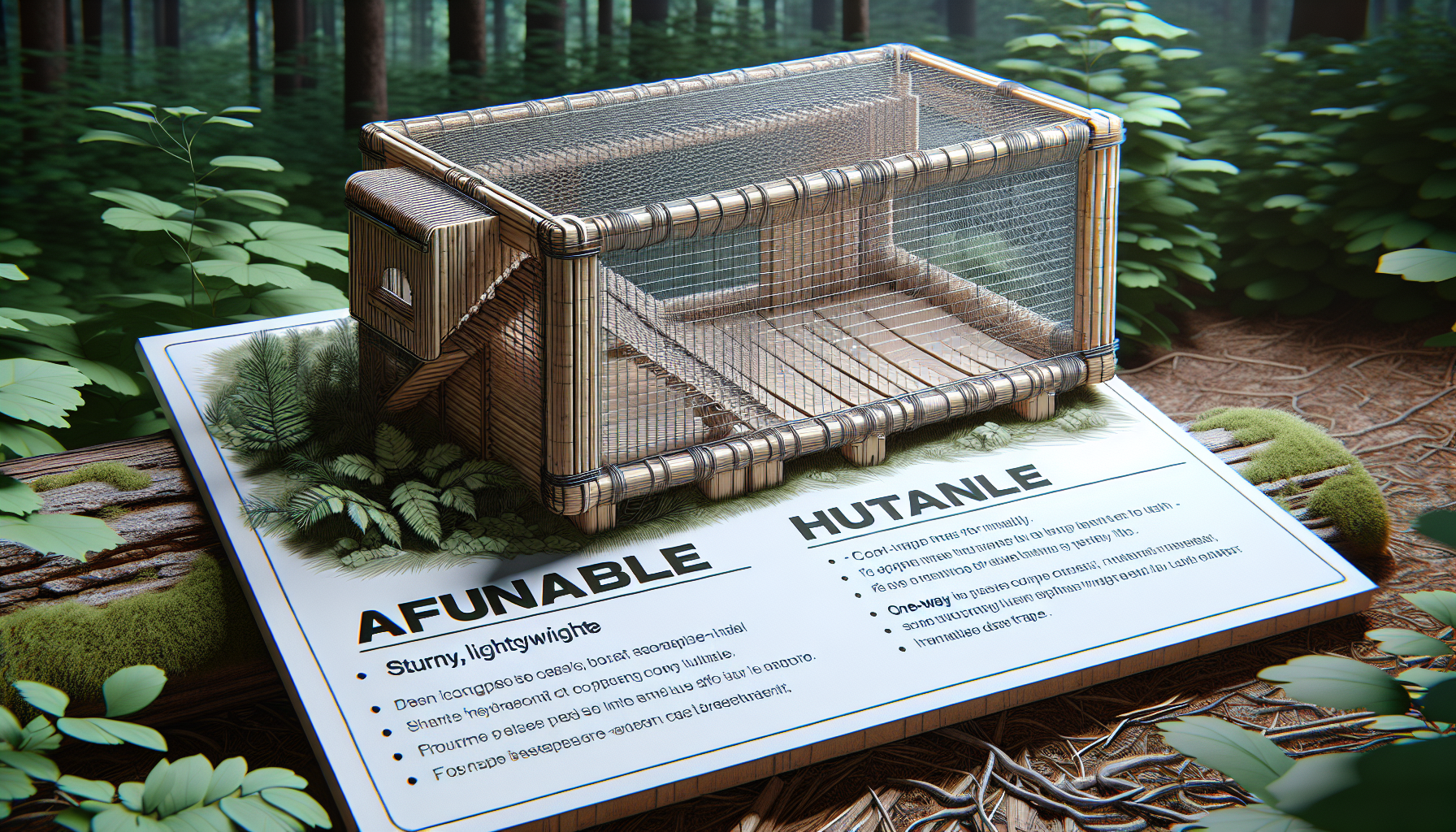
Humane wildlife control need not be financially draining. Affordable options like the Humane Way Folding Animal Trap and DIY humane traps offer effective solutions without high costs. These budget-friendly options ensure that you can handle wildlife situations humanely, regardless of your financial constraints.
We will now discuss these options with greater detail.
Humane Way Folding Animal Trap
The Humane Way Folding Animal Trap is favored for its affordability and practical design. This trap ensures effectiveness without high costs, making it a popular choice among budget-conscious individuals. However, some users have mixed opinions about its quality, with issues like poor assembly instructions and difficulties in using the trap for certain animals like coyotes and opossums.
Despite these mixed reviews, the Humane Way Folding Animal Trap remains a viable option for those looking for an affordable and practical trapping solution.
DIY Humane Traps
For those on a tight budget, DIY humane traps can be an effective solution. Using common household materials like plastic bottles and cardboard tubes, you can create traps that minimize the need for chemical baits or commercial trap purchases.
These homemade traps offer a low-cost and environmentally friendly alternative to store-bought options, making humane wildlife control accessible to everyone.
Where to Purchase Humane Wildlife Traps
To ensure the procurement of a quality product, it’s crucial to identify the right purchasing source for humane wildlife traps. Online retailers and local stores offer a variety of options to choose from.
Whether you prefer the convenience of online shopping or the hands-on experience of visiting a local store, there are plenty of places to find the perfect trap for your needs.
Online Retailers
Online retailers like Amazon provide a wide range of humane wildlife traps from various brands, catering to different types and sizes of animals. Other platforms like LifeSupplyUSA and Chewy also offer top-rated live animal traps for various species.
Opting for online shopping allows you to compare products and read reviews, ensuring you make an informed decision.
Local Stores
Local hardware stores are good options for finding humane wildlife traps. These stores often stock a variety of traps, allowing you to see and feel the products before purchasing.
Feed and grain shops also cater to the needs of local farmers and wildlife control, offering a range of humane traps. Visiting these stores can provide valuable insights and recommendations from experienced staff.
Common Mistakes to Avoid When Using Wildlife Traps
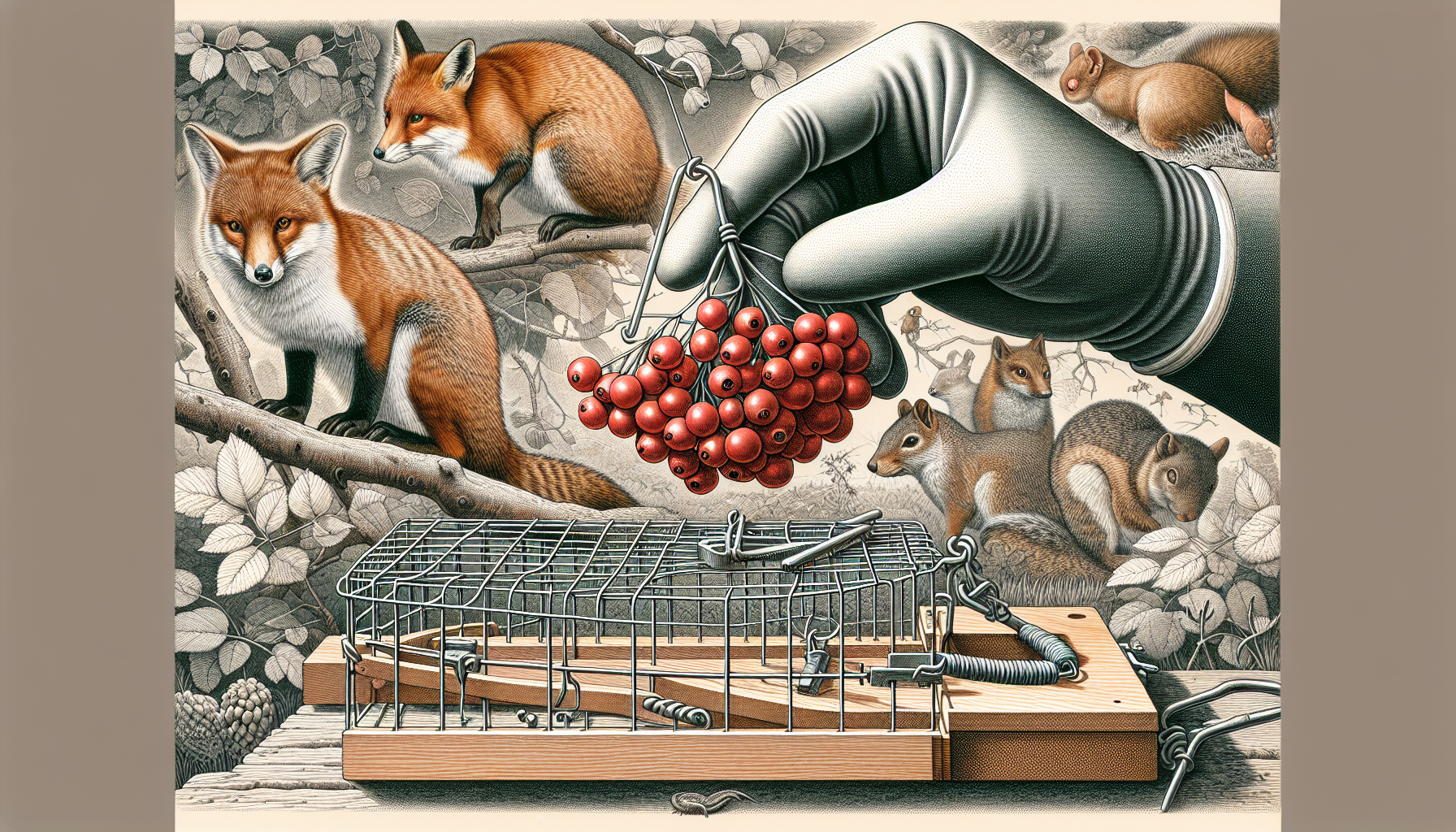
Effectual usage of wildlife traps necessitates both knowledge and meticulous attention. Common mistakes include improper baiting techniques, inadequate monitoring, and choosing the wrong trap size.
Avoiding these pitfalls ensures that your trapping efforts are successful and humane. We will now delve into a more detailed analysis of these mistakes.
Improper Baiting Techniques
Improper baiting techniques can lead to poor trapping results and unintended captures. Using the wrong bait, such as cheese for mice, can be ineffective. Foods high in carbohydrates, like chocolate, can be more successful. Placing too much bait can allow animals to eat without triggering the trap.
Proper baiting is crucial for successful trapping, ensuring the targeted animal is captured without attracting non-target species or predators.
Inadequate Monitoring
Inadequate monitoring can result in prolonged animal distress, suffering, or even death. Regularly checking traps ensures that animals are not trapped for extended periods, allowing for timely release or relocation.
Wrong Trap Size
Using the wrong trap size can lead to unsuccessful captures or injury to the animal. A trap that is too small can injure the animal or fail to capture it effectively. Conversely, a trap that is too large might not effectively capture smaller animals.
Choosing the correct trap size ensures successful and humane trapping.
Ethical Considerations in Wildlife Trapping

In wildlife trapping, ethical considerations hold the utmost importance. Live-trapping and relocating wildlife is not always a humane and effective solution, as it rarely ends well for the animals. Relocated animals often face high mortality rates and may not survive in new territories due to the challenges of finding food and shelter.
Moreover, relocation can lead to the spread of diseases to animals already living in the release area. Understanding these ethical considerations helps ensure that your wildlife control efforts are humane and responsible.
Avoiding Unintentional Orphans
During spring and summer, assume any wild animals around a home may have dependent young. Trapping critters without considering this can result in wild animal babies being unintentionally orphaned and dying of starvation.
It is recommended to wait out the denning season, as animals usually move on within a few weeks, or ensure animals are no longer using dens before sealing entrances and exits.
Safe Relocation Practices
Safe relocation practices are crucial for minimizing animal distress and ensuring their survival in new environments. When animals are relocated to unfamiliar areas, they often struggle with disorientation and locating essential resources. This can lead to high mortality rates as they face territorial conflicts and predation. A 2004 study found that 97% of relocated grey squirrels did not survive or disappeared shortly after relocation.
To mitigate these risks, it’s important to ensure that full animal families are relocated together, as separating them can lead to abandonment or even infanticide in a bid for survival. By following safe relocation practices, you can help ensure that relocated animals have a better chance of thriving in their new environment.
Additional Tools for Humane Wildlife Control
Beyond live animal traps, various other tools and methods exist for humane wildlife control. These can include electronic repellents and natural deterrents, which offer effective, non-lethal alternatives to traditional trapping methods.
Using a combination of these tools can enhance your wildlife control strategy, making it more comprehensive and humane. We will now delve deeper into some of these supplementary tools.
Electronic Repellents
Electronic repellents, such as ultrasonic animal repellers and motion-activated sprinklers, provide a non-invasive, non-poisonous alternative to chemical pesticides. Ultrasonic animal repellers emit high-frequency sound waves that deter animals without being audible to humans. Motion-activated sprinklers can startle animals with a burst of water, keeping them away from your property.
Brands like Havahart offer various electronic repellent devices, including Spray Away and the Electronic Deer Repellent.
Natural Deterrents
Natural deterrents can be an effective and environmentally friendly way to keep animals away from your property. Some homemade repellent sprays that you can try are:
- Vinegar
- Cayenne pepper
- Tabasco sauce
- Garlic
- Hot pepper
These ingredients can be used to create sprays that deter animals from entering specific areas.
Additionally, certain plants like marigolds and lavender can act as natural deterrents to keep animals out of gardens. Using humane eviction methods, such as placing strong-smelling substances like apple cider vinegar near denning spaces, can encourage animals to move without the need for physical relocation.
Choose Only The Best! Contact NYC Extermination Today!
The selection of an appropriate service provider is fundamental to humane wildlife control. NYC Extermination offers high-quality pest control services with a focus on humane and effective solutions. Established by native New Yorker Jeff Pasternack, NYC Extermination has been in business for 25 years, providing top-notch services to both commercial and residential customers.
Our certified exterminators offer an Integrated Pest Management (IPM) program, which is a comprehensive, environmentally-friendly approach to pest management. We prioritize our customers’ health and safety, using only professional-grade, EPA-registered chemicals that are safe for both people and the environment. With a 30-day warranty on all services, NYC Extermination ensures peace of mind and effective animal control solutions.
Contact us today for a humane and reliable pest control experience.
Summary
Humane wildlife traps are essential for safe and effective animal control. By considering key factors like easy setup, durable construction, and safe handling features, you can choose the right trap for your needs. Top-rated brands like Havahart, Tomahawk, and Tru Catch offer excellent options for different species, ensuring humane and effective trapping.
Budget-friendly options like the Humane Way Folding Animal Trap and DIY humane traps make wildlife control accessible to everyone. Avoiding common mistakes, understanding ethical considerations, and using additional tools like electronic repellents and natural deterrents can enhance your wildlife control strategy. For professional and humane pest control solutions, choose NYC Extermination. Take action today and ensure a safe and humane approach to wildlife control.
Frequently Asked Questions
What are the key features to look for in humane wildlife traps?
When choosing a humane wildlife trap, look for easy setup, quick-release mechanisms, durable construction, and safe handling features to prioritize safety and effectiveness.
Which brands offer the best humane wildlife traps?
Consider looking into Havahart, Tomahawk, and Tru Catch for the best humane wildlife traps. These brands are known for their effective and humane designs.
Are there affordable options for humane wildlife control?
Yes, affordable options for humane wildlife control include the Humane Way Folding Animal Trap and DIY humane traps.
Where can I purchase humane wildlife traps?
You can purchase humane wildlife traps from online retailers like Amazon and specialized websites, as well as local hardware stores and feed and grain shops. Consider checking these options out to find the best trap for your needs.
What are some common mistakes to avoid when using wildlife traps?
When using wildlife traps, it’s important to avoid improper baiting, inadequate monitoring, and using the wrong trap size to prevent unsuccessful captures or injury to the animal. Be cautious and mindful of these mistakes.
Recent Comments