
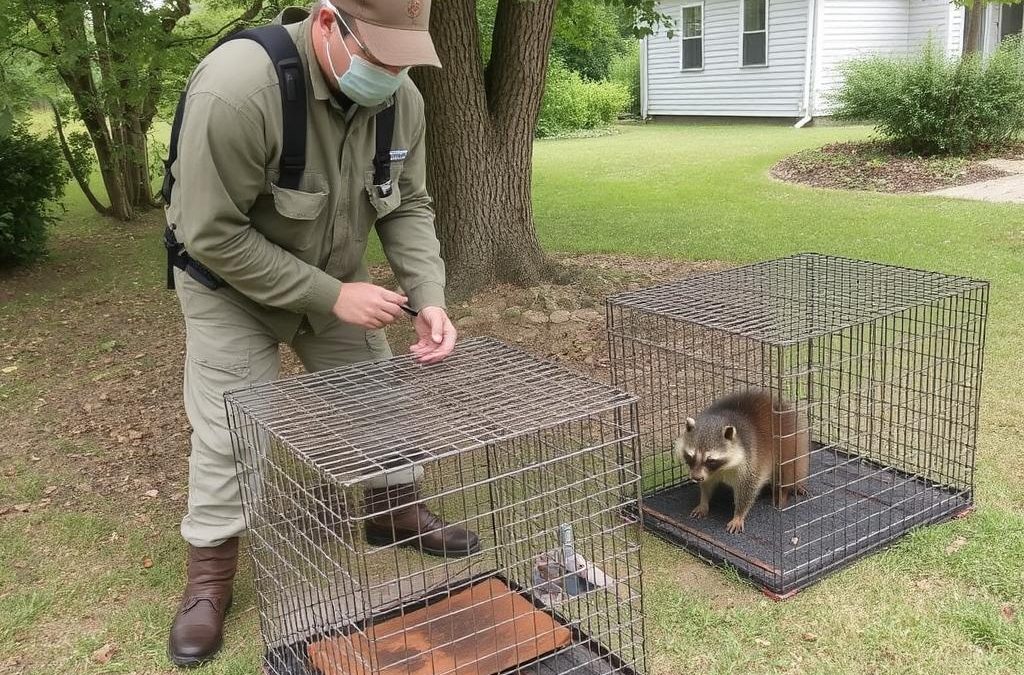
Humane wildlife trapping for small animals involves capturing them without harm or undue stress. Whether you’re dealing with curious squirrels or troublesome raccoons, this guide will help you navigate humane methods for resolving wildlife conflicts effectively and ethically.
Key Takeaways
- Humane wildlife trapping focuses on capturing animals without harm or stress, promoting ethical treatment and coexistence.
- Identifying target species is critical as different animals have unique behaviors that influence trapping methods and effectiveness.
- Legal compliance is essential in humane wildlife trapping, including understanding local regulations and obtaining necessary permits.
Understanding Humane Wildlife Trapping
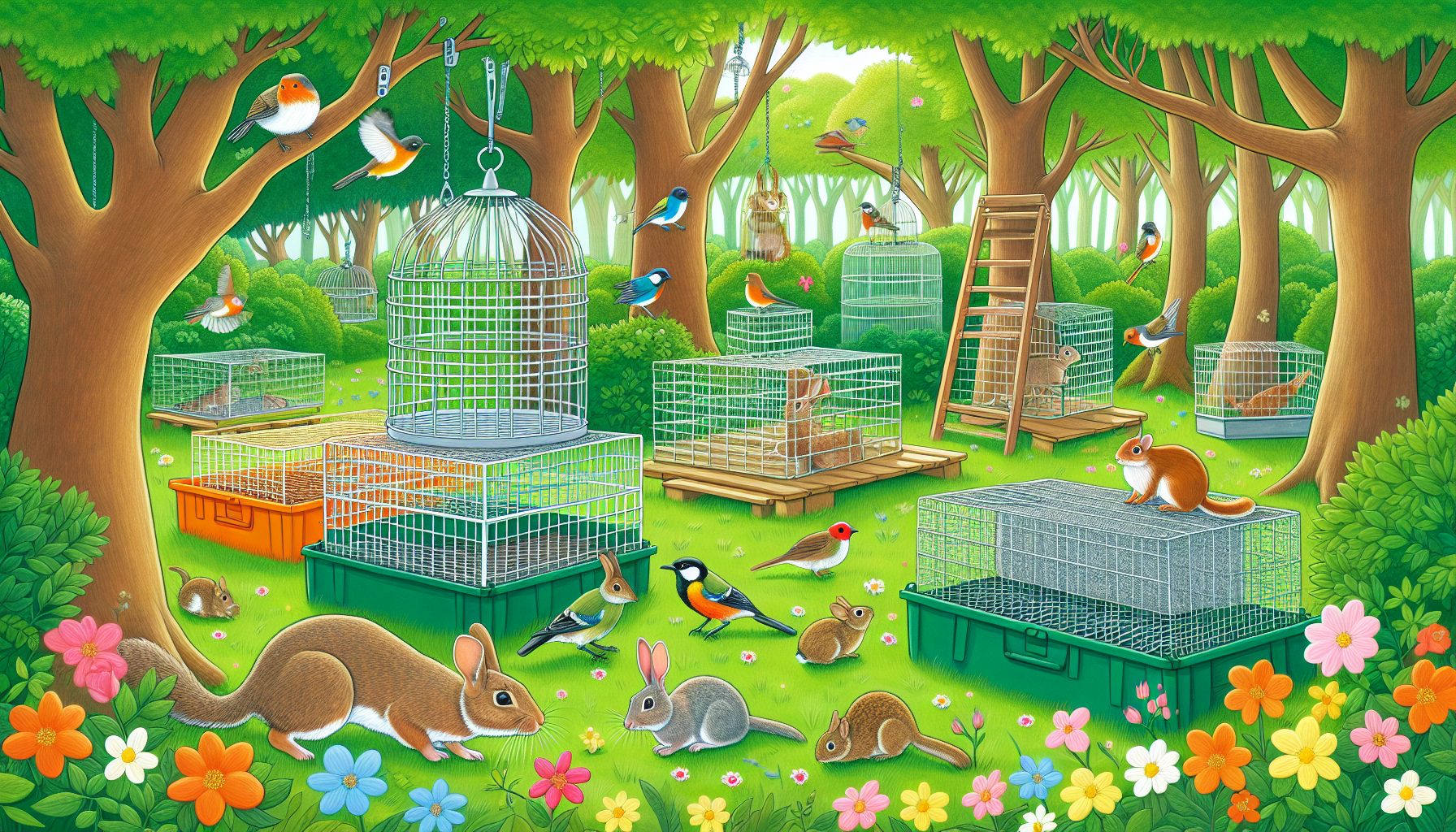
Humane wildlife trapping emphasizes ethical treatment, ensuring respect for animal welfare by capturing animals without inflicting harm or causing stress. This approach not only supports the humane treatment of wildlife but also fosters a balanced ecosystem by treating animals with the respect they deserve.
Humane wildlife trapping techniques aim to capture animals without causing unnecessary suffering. This involves using traps that minimize harm and stress and ensuring animals are not left in traps for long periods. The primary goal is to make sure animals are not subjected to prolonged confinement, which can lead to significant stress and physical damage.
Ethical wildlife removal reduces harm to animals and prioritizes their well-being during the process. This includes using species-specific methods that cater to the unique behaviors and needs of different animal species. For instance, the way you trap a raccoon might differ significantly from how you would trap a squirrel or a skunk. Recognizing these differences is key to successful and humane wildlife trapping.
Focusing on humane methods ensures peaceful coexistence between wildlife and your household. This approach not only benefits the trapped animal but also aligns with broader animal welfare principles, fostering a humane and ethical approach to wildlife conflicts.
Identifying Target Species
Identifying the species causing disturbances is crucial in humane wildlife trapping, as different wild animals have unique behaviors, dietary needs, and habits that influence the trapping methods used.
Recognizing common small animals and assessing wildlife conflicts can determine the need for trapping.
Recognizing Common Small Animals
Common small animals that may require humane trapping include skunks, raccoons, and squirrels. These animals often find their way into residential areas, causing various disturbances such as rummaging through trash, damaging property, or creating nests in attics. Understanding the behaviors of these animals is the first step in addressing wildlife conflicts humanely.
For instance, raccoons are nocturnal and highly intelligent, often figuring out complex ways to access food. Squirrels, on the other hand, are active during the day and are known for their relentless gnawing habits, which can cause significant damage to wooden structures.
Skunks, while generally peaceful, can become a nuisance due to their pungent spray used as a defense mechanism. Knowing these characteristics helps in selecting the appropriate trapping methods.
Assessing Wildlife Conflicts
Consider trapping in emergencies, to remove a problem animal, or when no other practical solutions exist. A raccoon raiding your garbage every night might require trapping, especially if it poses a health risk or causes significant property damage. However, trapping should be the last option; consider other methods like removing attractants or installing barriers first.
Factors such as the availability of food, shelter, and warmth have led to more wildlife entering urban areas. These factors help in assessing the conflict level and determining the most humane and effective solutions.
For instance, removing food sources or securing entry points can often resolve the issue without the need for trapping. If unsure or uncomfortable with trapping, contact wildlife removal services to ensure the problem is handled humanely and effectively.
Legal Considerations for Humane Wildlife Trapping
Complying with local wildlife laws is crucial for humane wildlife trapping. These laws are designed to protect both the wildlife and the community, specifying which species can be trapped and under what conditions.
Be aware of local laws, regulations, and required permits for trapping.
Local Laws and Regulations
Complying with local wildlife laws avoids legal repercussions and ensures humane treatment of animals. Trapping regulations vary by region and may include specific rules for different animal species, reflecting the area’s unique ecosystem. For instance, certain states have guidelines that must be followed for the humane trapping of various wildlife species.
Regulations concerning migratory birds exist in regions like Alberta and British Columbia. Additionally, there are bans on certain predatory animals in those areas. Additionally, compliance with local laws and regulations is necessary when using specific types of traps, such as foot hold traps, to ensure effectiveness and humane treatment.
Proper wildlife identification is critical to prevent legal issues or unintended harm.
Permits and Permissions
Check for required permits before setting a trap and be aware of any restrictions. This is especially important when using underwater traps, as adherence to regulations and obtaining the necessary permits are crucial. Failure to obtain the required permits can lead to legal consequences and undermine the humane treatment of trapped animals.
Decisions regarding the fate of trapped animals include release on site, euthanization, or moving by a permitted transporter. These decisions must be made in accordance with legal guidelines to ensure the ethical treatment of the captured animals.
Always consult with local wildlife authorities to understand the specific requirements and obtain the necessary permissions before proceeding with trapping.
Choosing the Right Humane Traps

Choosing the right traps is a critical step in humane wildlife trapping. Different traps are designed to target specific species and behaviors, ensuring effective and ethical capture.
Explore various types of humane traps, including live cage traps, box traps, and snappy snares.
Live Cage Traps
Live cage traps are used for the safe capture and relocation of wildlife without causing harm. These traps use trigger mechanisms to capture animals as they enter, ensuring they are fully inside the trap before it springs. Baiting with strong odors like canned fish or peanut butter is highly effective in luring animals.
If a trap does not produce a catch within a few days, it’s advisable to change its location or try different bait. This ensures that the trap remains effective and minimizes the risk of prolonged stress or harm to the captured animal.
Regular monitoring and maintenance of live cage traps are essential to ensure their efficacy and the welfare of the trapped animals.
Box Traps
Box traps effectively capture small animals. These traps attract animals based on their curiosity, using bait to lure them inside. Once inside, a mechanism triggers, closing the door behind the animal and preventing escape. This method is particularly effective for species like squirrels, skunks, and raccoons.
The choice of box trap and bait should be based on the specific wildlife conflict you are dealing with. For example, using fresh fruit or peanut butter can help attract various small animals into the trap. Regular inspection and maintenance ensure box traps remain effective and humane.
Snappy Snares
Snappy snares capture birds of prey and large birds. These traps consist of a cable loop that closes around the bird’s leg, providing a humane capture method. Careful placement and regular checks are essential to ensure the traps are effective and do not cause unnecessary harm.
Proper placement and monitoring are crucial for the effectiveness of snappy snares. Ensuring that the snare is adjusted correctly to target the intended animal is crucial for humane trapping. Regular checks help to prevent prolonged confinement and potential harm to the captured birds.
Setting and Monitoring Humane Traps
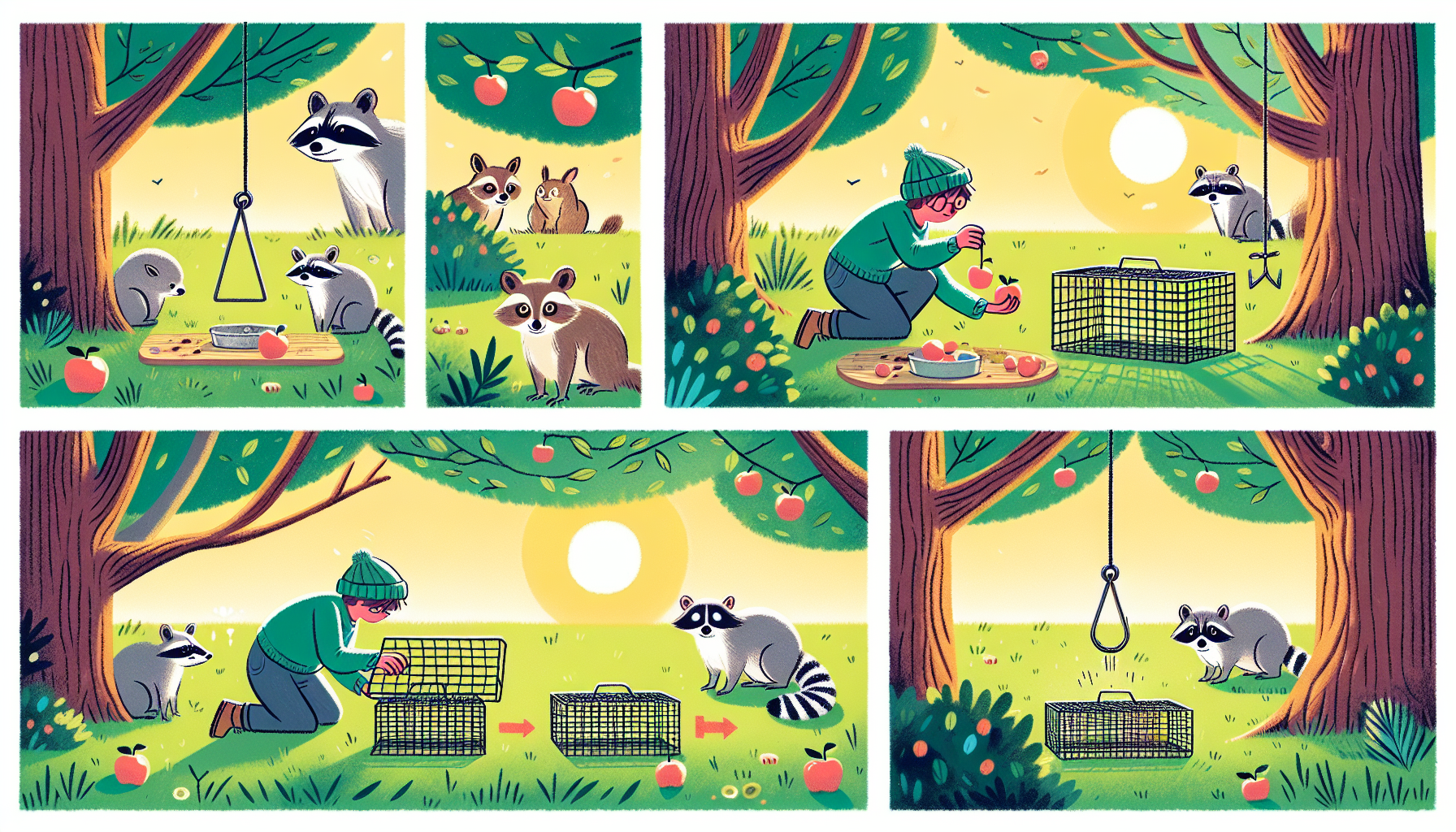
Effective setting and monitoring of humane traps ensure the welfare of captured animals and successful trapping outcomes. Guidelines on proper trap placement, effective baiting strategies, and regular monitoring are provided.
Proper Trap Placement
Evaluating signs of wildlife activity helps understand the conflict level and determine effective trapping solutions. Traps should be set up in areas frequently used by the target species or near food sources. For example, placing cage traps near the animal’s den, in its pathway, or in areas of damage can significantly increase the chances of a successful capture.
When setting traps for nocturnal animals, it’s advisable to set them at dusk and close them at dawn to avoid capturing non-target species. Proper installation and secure attachment of traps prevent escape and ensure trapping effectiveness.
Strategically placing traps reduces the risk of capturing unintended wildlife and enhances trapping efficacy.
Effective Baiting Strategies
Effective baiting attracts desired small animals and ensures successful capture. Common effective baits include canned fish, fresh fruit, and peanut butter, which release strong odors that lure animals into the traps. The bait should be positioned so that the animal is fully inside the trap before it springs, preventing escape and ensuring a humane capture.
Using visually appealing and fragrant bait increases the likelihood of attracting the target species. Experimenting with different baits helps identify the most effective option for the specific wildlife conflict. For example, peanut butter can be particularly effective for attracting small mammals like squirrels and skunks.
Regular Monitoring
Regular monitoring of traps minimizes stress and harm to caught animals, allowing for swift release. Traps should be checked every 24 hours to ensure the well-being of the trapped animals and prevent prolonged confinement. Frequent checks also allow for the prompt release of non-target species, maintaining ethical trapping practices.
Providing food and water inside traps before checking on them can help maintain the well-being of trapped animals, especially during the summer months when dehydration is a risk. Regular monitoring upholds humane trapping methods and prioritizes the welfare of captured animals.
Handling and Relocating Captured Animals
Proper handling of captured wildlife reduces their stress and ensures safety during relocation. Best practices for minimizing stress during handling and ensuring safe relocation are provided.
Minimizing Stress During Handling
Animals should be handled carefully and transported in a manner that minimizes their stress. To lessen stress, keep handling brief and minimize exposure to human interaction. In hot weather, special considerations must be made to prevent dehydration or heat stroke.
Wearing gloves is advisable to ensure both personal safety and animal welfare during handling. Wildlife removal experts focus on safely handling animals while minimizing health risks to both the animals and handlers. A smooth and quick handling process helps maintain the well-being of trapped animals.
Safe Relocation Practices
When relocating animals, ensure the new habitat is appropriate and free from human disturbance to support their survival. Animals should ideally be released at a distance from the capture site to prevent them from returning. It is important to release nocturnal species at night and diurnal species during the daytime for optimal survival chances.
If the captured animal is reluctant to leave the trap, place the open trap on its side and move away to facilitate the animal’s exit. Positioning the trap opening toward escape cover can also encourage the animal to leave quickly and safely.
A suitable, threat-free release site helps protect the relocated animal and supports its integration into the new environment.
Post-Trapping Procedures
Post-trapping procedures prevent future wildlife conflicts and ensure the safety of both the animals and your property.
Sealing entry points and installing deterrents avoid reentry and future infestations.
Sealing Entry Points
Seal holes or gaps in exterior walls, secure loose vent covers, and cap chimneys to prevent wildlife from entering your home. Regular inspections of your property can help identify new entry points that wildlife may exploit. Necessary repairs prevent reentry and reduce future wildlife conflicts.
Keeping outdoor spaces tidy can prevent wildlife from finding food and shelter in your yard. Clearing fallen fruit from the ground and cleaning up around bird feeders can significantly reduce the chances of attracting wildlife to your property.
Sealing entry points and maintaining cleanliness are crucial for long-term wildlife management.
Installing Deterrents
Physical barriers like fencing or netting effectively prevent small animals from accessing your property. These barriers discourage small animals from entering your space. Using barriers and deterrents is essential to keep small animals away and prevent damage and disturbances.
Installing deterrents like motion-activated lights or ultrasonic devices can also help keep nuisance wildlife at bay. These tools can create an environment that is less inviting for wildlife, reducing the chances of future conflicts.
Combining physical barriers with other deterrent methods ensures your property remains secure and wildlife-free.
Preventive Measures to Avoid Wildlife Conflicts
Preventive measures are key to avoiding future wildlife conflicts. Maintaining clean outdoor spaces and removing food sources deter wildlife from your property.
Maintaining Clean Outdoor Spaces
The presence of food and shelter in urban environments has increased wildlife interactions in residential areas. Keep your yard clean, remove debris, and use gravel or fencing to deter wildlife. Regularly removing fallen fruit, pet waste, and food scraps can significantly deter wildlife from entering your property.
Maintaining a tidy outdoor space reduces the chances of attracting wildlife looking for food and shelter. Keeping your yard clean and free from potential attractants prevents wildlife conflicts. Regular monitoring and maintenance of your outdoor spaces are crucial in keeping wildlife at bay.
Removing Food Sources
Storing pet food in sealed containers and cleaning up spills promptly can minimize the chances of attracting small animals. Feeding pets indoors and cleaning up around bird feeders can significantly reduce wildlife attraction to properties. Eliminating access to food, water, and shelter is crucial for deterring wildlife from your property.
By addressing the root cause of wildlife attraction, you can effectively prevent future conflicts. Securing garbage, removing pet food, and using barriers like fencing are practical steps to ensure wildlife stays out of your property.
These preventive measures are essential for maintaining a wildlife-free environment and ensuring long-term peace of mind.
Benefits of Hiring Wildlife Removal Services

Professional wildlife removal services ensure humane trapping methods and prevent future infestations.
The expertise and experience of professionals ensure humane treatment of captured animals.
Expertise and Experience
Wildlife removal professionals bring a wealth of expertise to effectively manage and resolve wildlife conflicts. Their knowledge of animal behavior and effective trapping methods addresses the problem efficiently and humanely. By employing proven techniques and strategic planning, professionals can resolve conflicts successfully.
Hiring wildlife removal professionals ensures humane and effective trapping, minimizing distress for both animals and humans. Their experience and skills make them well-equipped to handle various wildlife conflicts, ensuring the safety and well-being of both the wildlife and your household.
Ensuring Humane Treatment
Wildlife removal experts provide knowledge and experience to ensure humane trapping techniques. This expertise enables them to select the appropriate traps and methods to minimize animal suffering during the capture process. By adhering to humane practices, professional trappers contribute to the well-being of captured animals and align with ethical treatment standards.
If knowledgeable about wildlife and the species to trap, follow humane and legal trapping steps. Professional wildlife removal services ensure that all legal considerations are met, providing peace of mind that the process is conducted ethically and responsibly. Their commitment to humane treatment helps protect the welfare of both the wildlife and the community.
Contact Us Today To Know More About Humane Wildlife Trapping
If you’re dealing with wildlife conflicts and need professional assistance, don’t hesitate to contact us. Our team at NYC Extermination is dedicated to providing humane wildlife trapping and removal services.
Contact us today to learn more about our ethical and effective methods for handling wildlife issues. We are here to help ensure the safety and well-being of both wildlife and your household.
Summary
Humane wildlife trapping is a vital practice that balances the needs of humans and wildlife. By understanding the principles of humane trapping, identifying target species, and complying with legal considerations, you can address wildlife conflicts ethically and effectively. Choosing the right traps, setting and monitoring them properly, and handling captured animals with care are crucial steps in ensuring their welfare.
Preventive measures such as maintaining clean outdoor spaces and removing food sources are essential for avoiding future wildlife conflicts. Hiring professional wildlife removal services can provide the expertise and humane treatment needed to resolve conflicts efficiently. By adopting these practices, you contribute to the well-being of both the wildlife and your community.
Frequently Asked Questions
What is the primary goal of humane wildlife trapping?
The primary goal of humane wildlife trapping is to capture animals without causing harm or stress, thereby ensuring their well-being throughout the process. This approach reflects a commitment to ethical treatment and responsible wildlife management.
Which small animals commonly require humane trapping?
Humane trapping is commonly needed for small animals such as skunks, raccoons, squirrels, opossums, mice, and weasels. Addressing these situations thoughtfully can help ensure their safe removal.
Why is it important to comply with local wildlife laws and regulations?
It is crucial to comply with local wildlife laws to ensure the humane treatment of animals and to avoid legal consequences, which ultimately protects both wildlife and the community.
What are some effective baiting strategies for humane traps?
Using canned fish, fresh fruit, and peanut butter as bait can effectively attract small animals to humane traps, as these options emit strong odors that entice them.
How can hiring professional wildlife removal services benefit you?
Hiring professional wildlife removal services ensures safe and humane handling of animal conflicts, allowing for effective resolution while prioritizing animal welfare. This expertise minimizes risks and potential damage to your property.
Recent Comments