

To protect your garden from birds, knowing how to maintain bird exclusion netting is crucial. This guide covers everything you need to know to keep your netting effective, from inspections and cleaning to repairs and seasonal maintenance.
Key Takeaways
- Regular inspections and maintenance are critical to ensure bird exclusion netting remains effective and free of damage over time.
- Proper installation, cleaning, and repair techniques are essential to extend the longevity of bird netting and prevent issues such as tangling, sagging, and wear.
- High-quality materials, such as UV-treated HDPE or nylon, and well-trained teams are fundamental for effective and durable bird netting solutions.
The Best Tips for How to Maintain Bird Exclusion Netting
To maintain an effective defense against our feathered friends, regular maintenance is the backbone of bird netting longevity. Imagine the netting as a fortress wall; any small breach could invite a siege. Thoroughly inspecting your netting for gaps or damage is critical, acting as the first line of defense to prevent pesky birds from infiltrating your garden or property. As seasons change, the netting will face the brutalities of weather, leading to wear or UV damage that must be keenly observed and addressed.
Before the netting retreats into storage, a meticulous check ensures that it will be ready for the next season’s deployment, free from any hidden damage. The installation process itself is an art; avoid the whirlwind of frustrations that come with tangling and knotting by choosing calm days. Organizational prowess during installation, such as stretching out the net to its full glory, ensures a smooth process and minimizes potential tangles.
Introduction
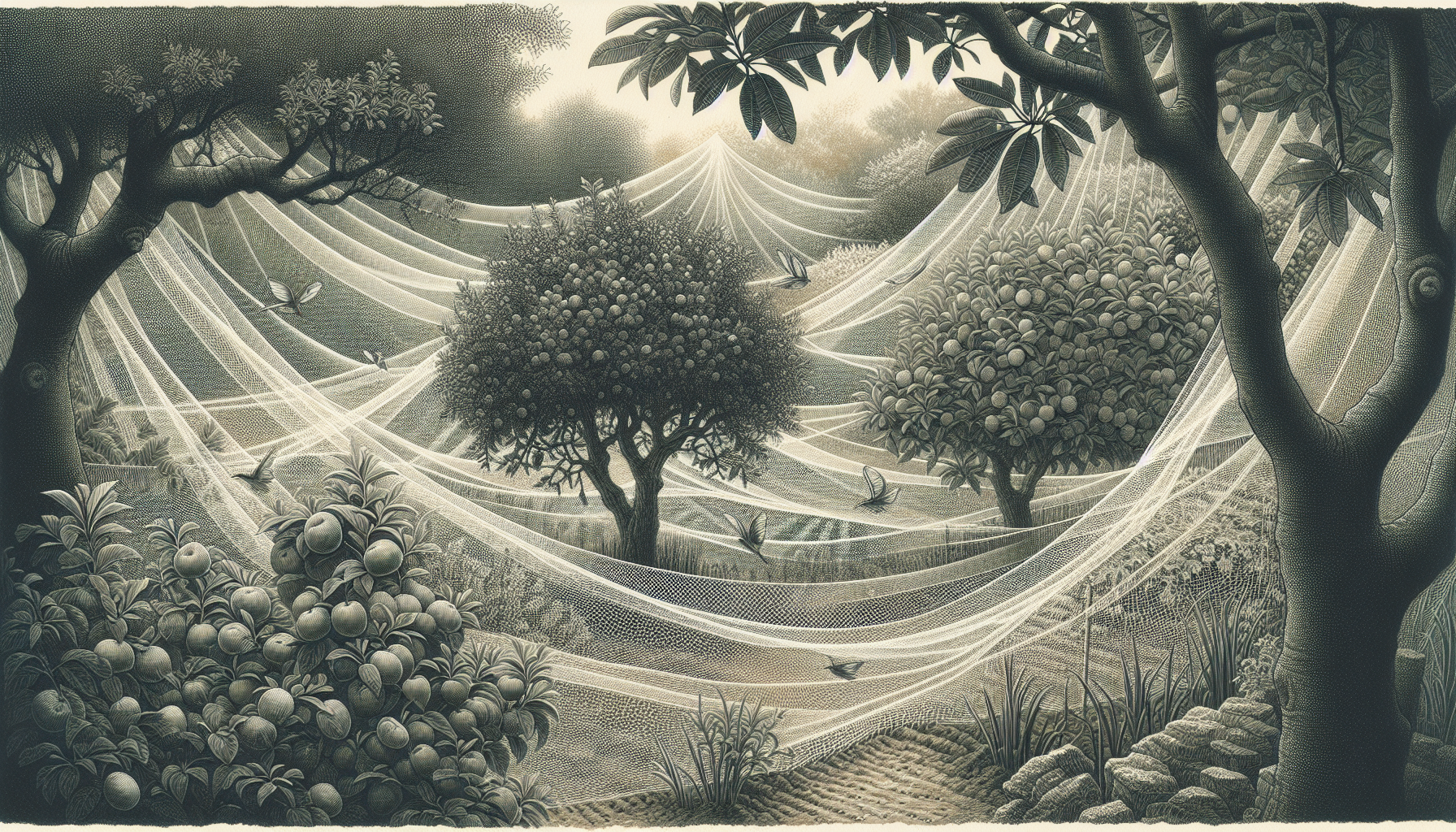
Bird netting, also known as anti bird nets, stands as a sentinel, a lightweight mesh material that provides bird protection without causing harm, while allowing the essentials – sunlight, air, and moisture – to nourish the plants below. It’s the physical barrier that helps prevent birds and keeps the pest birds at bay, ensuring that your tomatoes, blueberries, or fruit trees remain untouched and thriving. A bird net is an effective and humane solution to protect your crops from unwanted avian visitors, and using bird nets can provide additional coverage for larger areas. Bird netting works as a reliable method to safeguard your valuable harvest.
This non-lethal approach has become the right solution for property owners and garden enthusiasts alike, seeking to protect their grounds from bird damage without resorting to harsh measures. Whether it’s a garden, trees, or buildings, bird netting provides the main benefit of protection while maintaining the health and aesthetic of the surrounding environment.
Importance of Regular Inspection
Regular inspections are the rhythm that keeps the bird netting effective. Like a well-oiled machine, a net free of gaps and wear continues to perform its duty in preventing birds. Regular maintenance isn’t just a chore; it’s a commitment to the longevity of your bird control solutions.
It’s also about starting on the right foot. During installation, ensuring the net is fully extended and corners are identified prevents future headaches, setting the stage for an easier maintenance routine. And remember, while nature’s gusts can be refreshing, they are no friend to installing bird netting; a calm day makes for a smooth operation.
Cleaning Bird Exclusion Netting
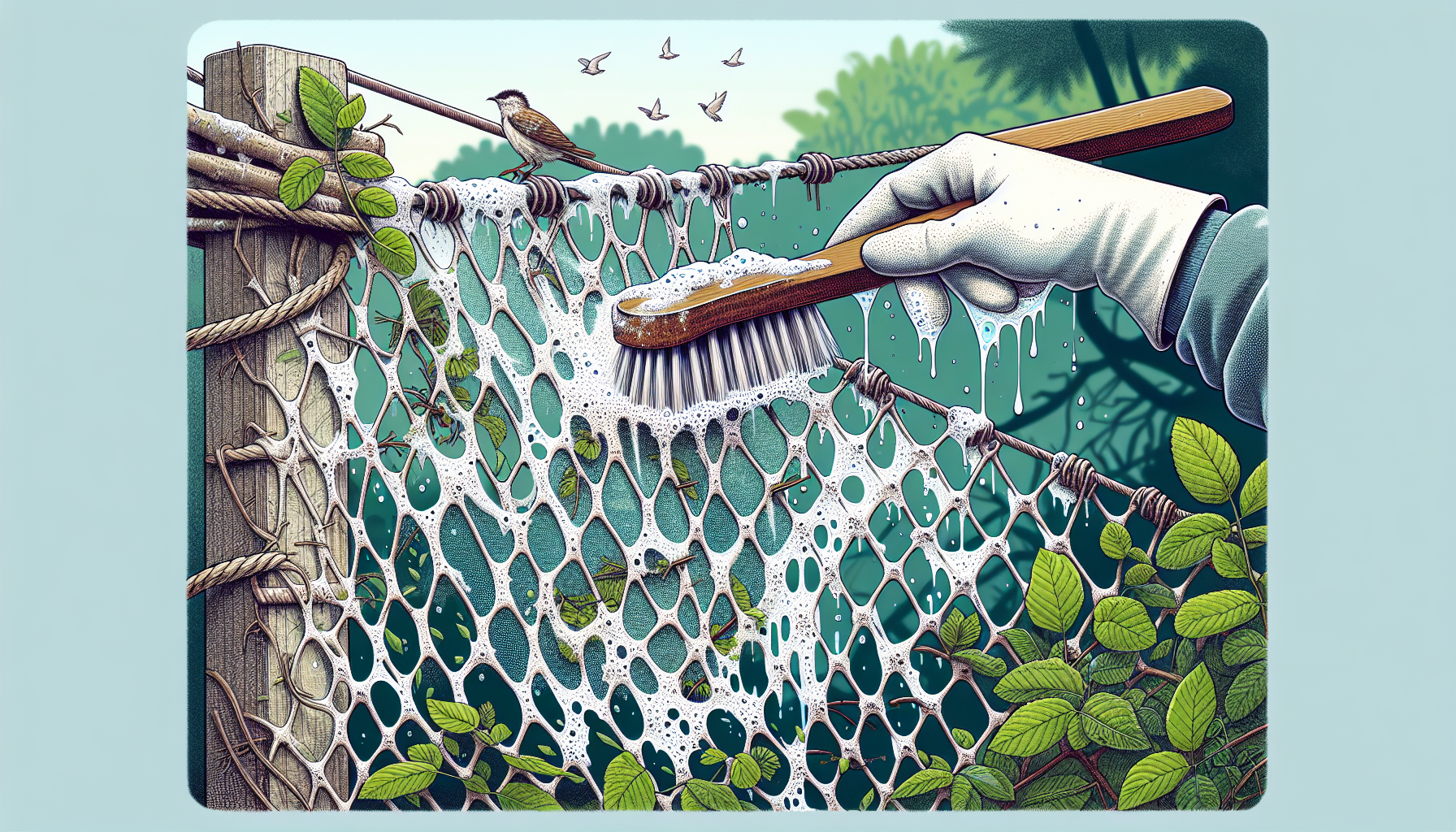
Cleanliness isn’t just for aesthetics; it’s a functional necessity for bird netting. Here are the steps to clean your bird netting:
- Begin by liberating your netting from its posts.
- Embark on a treasure hunt for twigs and trapped fruit which, if left unattended, can lead to pest issues.
- Once freed from debris, a gentle shower with a hose or pressure washer should suffice to dislodge loose contaminants.
For the more stubborn bird waste, arm yourself with a soft brush and a mild detergent — the gentle warriors against grime. Ensure a thorough rinse to banish any soapy residue, which could otherwise become a sticky foe. The grand finale? Letting the netting bask in the sun until it’s completely dry, a vital step to deter mold’s sneaky advances.
Repairing Damaged Netting
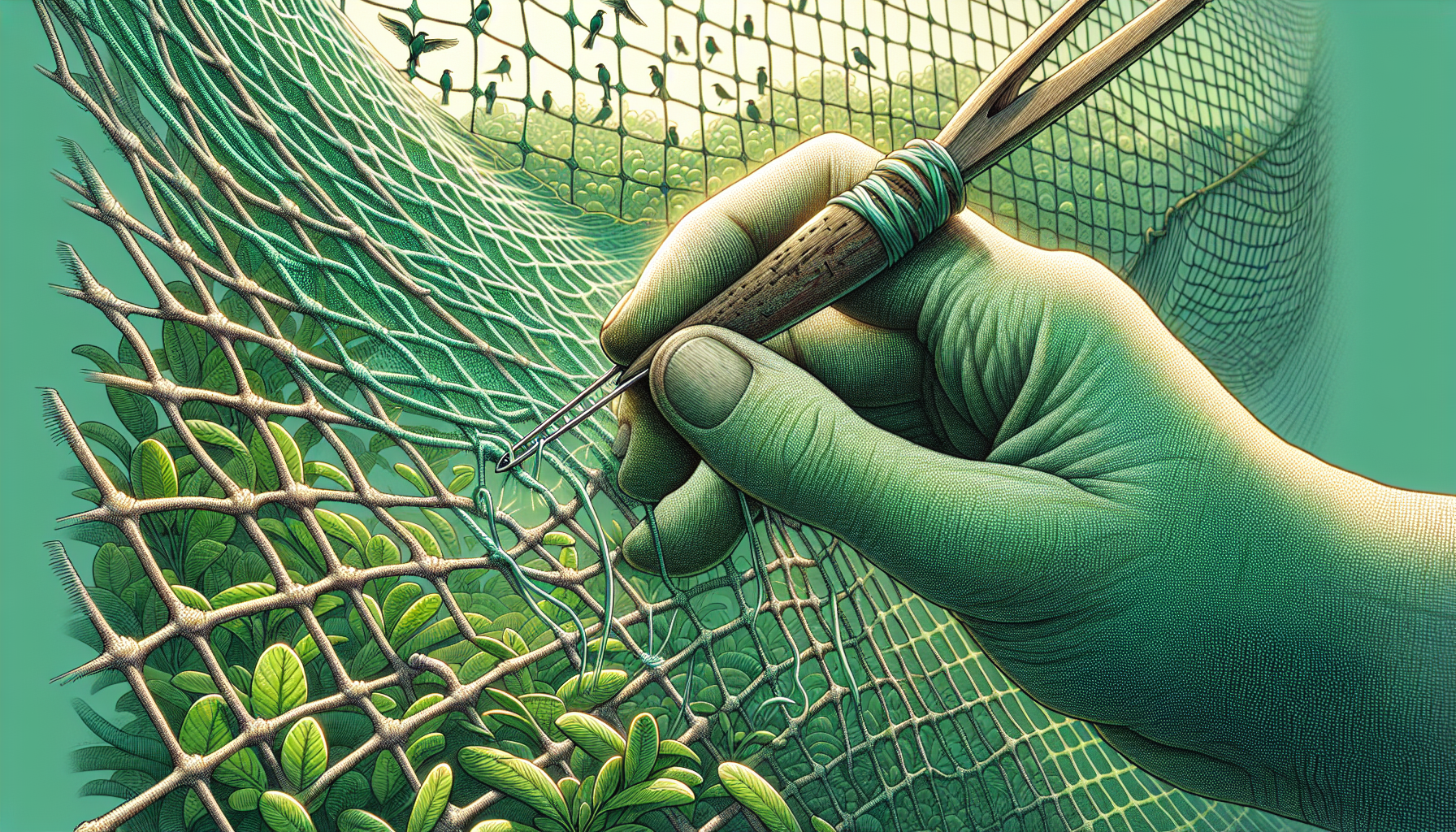
Even the most stalwart netting can succumb to the occasional fray. When this happens, it’s time to channel your inner craftsman. Begin by aligning the netting at the site of the wound, trimming any excess edges to create a neat canvas for your repair. For those minor nicks, a simple needle and thread will do the trick, stitching with care to fortify the mend.
When faced with larger breaches, think of fusible iron-on interfacing as your netting’s knight in shining armor. Sandwiching the hole between two pieces of this handy material and sealing it with heat will reinstate the netting’s barrier status, ready to repel the next wave of pesky birds.
Seasonal Maintenance Tips

As seasons transition, so should your approach to maintaining bird netting. With winter’s chill on the horizon, consider a material swap to something more robust, like Agribon, and ensure your netting is taut to face the icy onslaught. A hoop system can act as a sturdy skeleton for your netting, keeping it aloft and undisturbed by winter’s wrath.
When the wind howls, ensure your netting is anchored securely, perhaps with a clever fold-over technique or a trusty staple gun. The goal? To keep your netting from becoming a flapping banner in the gales, which could lead to sagging or worse, a total collapse.
Preventing Sagging
A sagging net is an invitation for trouble. To prevent this unwelcome scenario, ensure your netting is stretched with confidence, supported by the dependable shoulders of vertical beams or bamboo poles. Securing your netting with a wire skeleton adds an extra layer of defense against gravity’s persistent pull.
Imagine using a staple gun as a wand, casting a spell of tension across your netting with a simple click. And for those vertical supports, a bucket hat can be a peculiar yet effective protector, preventing the net from snagging and tearing.
Protecting Against Weather Damage
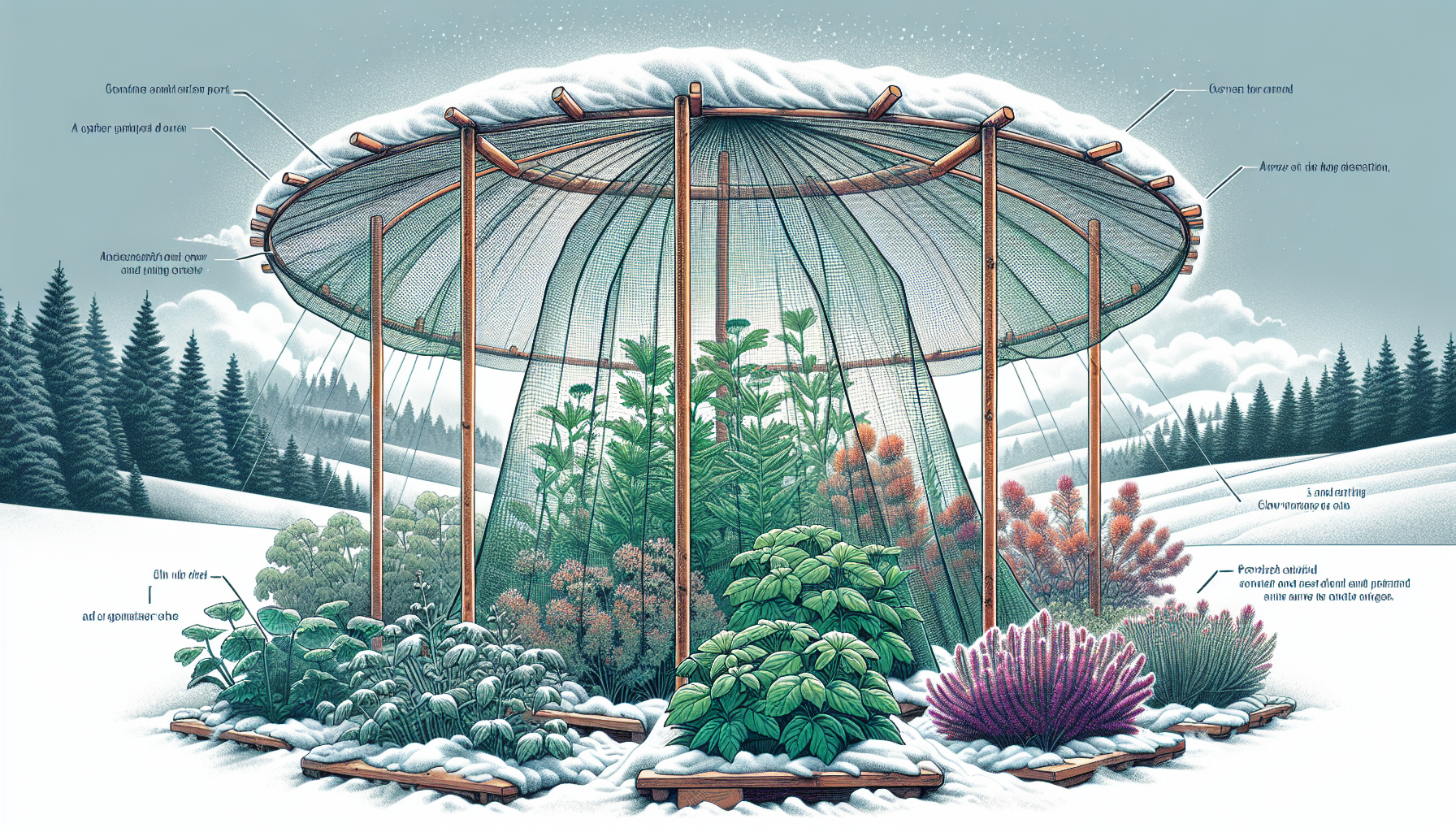
Weathering the storm is a literal challenge for bird netting. Opt for UV-resistant ties when securing your netting; they are the unsung heroes that withstand the elements. Raising the netting above the ground using stakes or poles creates a canopy of protection, allowing plants to grow uninhibited by the weight of a snow blanket.
In the battle against the wind, ensure your netting’s edges are anchored, perhaps using the natural weight of the earth or the snug hug of fabric staples. When it comes to ponds, think high and tight; a well-secured perimeter keeps your netting from becoming a waterlogged burden.
Monitoring for Trapped Birds
In the quest to deter birds, we must not forget our duty to their welfare. Regular monitoring of bird netting is imperative to prevent the distress of trapped birds, who can suffer greatly if not released in time. In the delicate task of freeing them, remember the following:
- Patience and gentleness are your best tools.
- Containment before cutting is key.
- Any tightly wrapped materials should be left to the professionals at a wildlife rehabilitation center.
Replacing Worn-Out Netting
The passage of time is unkind to all, and bird netting is no exception. When the netting starts to feel brittle, it’s a clear sign that it’s time for a refresh. Vigilance is key; worn-out sections should be replaced promptly to maintain an impenetrable fortress against bird intrusion.
If the local bird species’ population, including pest bird, has been particularly tenacious, it may be necessary to deploy fresh netting to regain control. When doing so, ensure that your new netting spans the entirety of previous nesting grounds, severing the birds’ ties to their former haunts.
Proper Storage During Off-Season
When the season of bird wars wanes, storing your netting properly ensures it will be battle-ready when spring’s bugle sounds again. Ensure the netting is free from debris and thoroughly dry, a practice that wards off the specter of mold. A cool, dry haven is the perfect resting place for your netting, away from the sun’s withering gaze.
Rolling up your netting and tucking it into storage bags or containers is akin to tucking it into bed, safe and sound until it’s called to arms once more. Handled with care, durable bird netting can be a loyal ally for multiple seasons.
Choosing High-Quality Materials
Quality matters, especially when it comes to the longevity of bird netting. Investing in UV-treated materials pays dividends, as they stand resolute against the relentless sun. HDPE netting, with its UV stabilizers, is a stalwart choice, weather-resistant, and flexible, making it ideal for guarding against the summer sun.
Nylon netting is another worthy contender, boasting strength and resistance to UV damage, water, and chemicals, ensuring it remains a steadfast guardian over the long term. When selecting your netting, consider these materials as the champions of durability and effectiveness.
Training Your Team
To truly make your bird netting an impenetrable barrier, your team must be well-versed in the art of bird netting installation and maintenance. Training should cover:
- Evaluating the structure’s substrate for tension support
- Selecting the right anchors to bear the load
- Knowing how to install bird netting, including corner and intermediate fixings
This is crucial to carrying the weight of expectation and netting alike.
Leaving a bit of excess mesh at the corners and attaching the netting to wire ropes with hog rings are nuanced skills that ensure a gap-free installation. Such details may seem small but are pivotal in fortifying your bird control efforts. Contact us now!
Summary
In the grand scheme of bird control, maintaining bird exclusion netting is a task that requires vigilance, precision, and a touch of ingenuity. From the careful selection of materials to the meticulous cleaning and storage, each step is vital to safeguarding your property from our winged adversaries. Embrace these tips, and you’ll find that your efforts will soar, much like the birds you aim to deter.
Frequently Asked Questions
How often should I inspect my bird netting for damage?
You should inspect your bird netting periodically, especially after extreme weather events or at the change of seasons, to maintain its effectiveness and ensure there are no gaps, damage, or wear. Regular inspection is crucial for upkeep.
Can I repair bird netting myself, or should I call a professional?
You can repair small holes in bird netting yourself using a needle and thread, but for larger holes or extensive damage, it’s advisable to consult a professional.
What’s the best way to clean bird netting?
The best way to clean bird netting is to start by removing debris, then wash the netting with a hose or pressure washer. For stubborn contaminants, use a soft brush and mild detergent. Ensure the netting is thoroughly rinsed and completely dry before reinstalling.
When should I replace my bird netting?
You should replace your bird netting if it feels brittle to the touch or shows significant wear. Regular replacement helps maintain its effectiveness and prevent gaps that birds could exploit.
What material is best for bird netting?
High-quality, UV-treated materials like HDPE or nylon netting are best for bird netting due to their durability and resistance to environmental factors. Choose these materials for long-term use.
Featured Photo by Vincent van Zalinge on Unsplash
Recent Comments