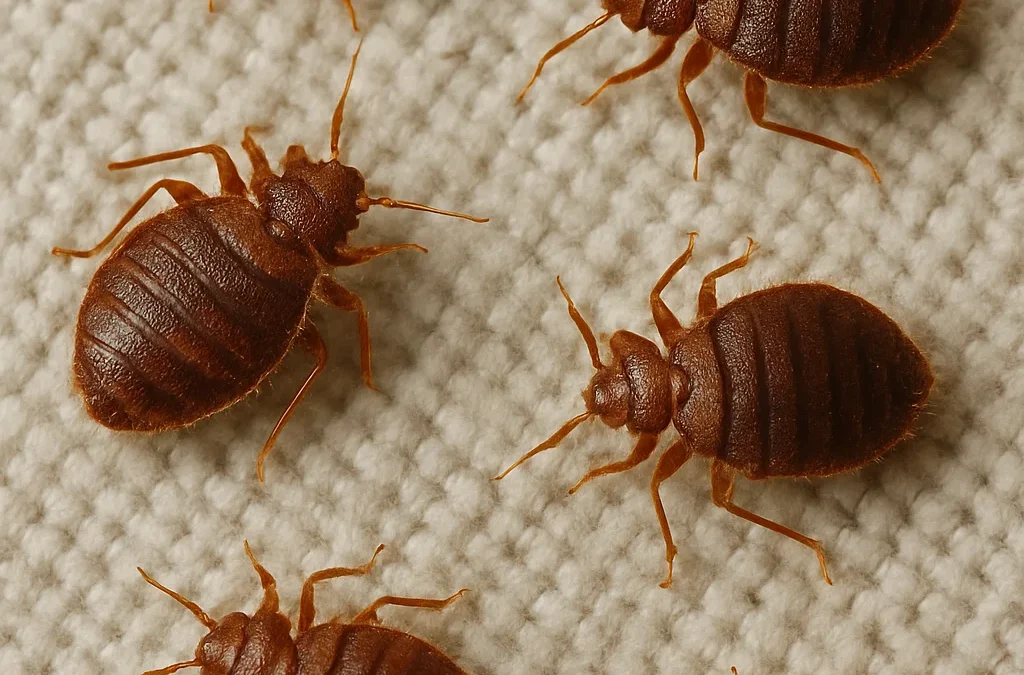
DIY heat treatment for bed bugs often fails to hit the mark. It’s hard to reach the necessary temperatures to kill all bugs, which can lead to repeat infestations. Improper use of heat equipment also poses serious fire risks. Read on to understand why DIY heat treatment isn’t always a good idea.

Key Takeaways

  • DIY heat treatments for bed bugs often fail due to inconsistent temperature maintenance, leading to incomplete extermination and potential re-infestation.
  • DIY methods can overlook hidden bed bug populations in hard-to-reach areas, making it difficult to achieve total eradication without professional assistance.
  • Using improper heat techniques poses safety hazards and health risks, underscoring the benefits of hiring trained professionals with specialized equipment for effective pest control.

DIY Heat Treatment: An Overview

When faced with a bed bug infestation, the immediate instinct is often to find a quick and affordable solution. Many people turn to DIY methods, driven by the desire to avoid the high costs associated with professional pest control services. The physical discomfort and emotional distress caused by these tiny pests only add to the urgency of finding a remedy.

One of the most popular DIY heat treatment methods involves using a dry clothes dryer on high heat to eliminate bed bugs from clothing and bedding. While this can be effective for small items, it doesn’t address the larger problem of how to rid of bed bugs hiding in furniture and other hard-to-reach areas through washing.

Another common method is placing infested items in black plastic bags and leaving them in a hot car. However, the best way to assess the effectiveness of this approach largely depends on external weather conditions, which can be highly variable.

Steam cleaning is another DIY technique that can be used to treat various surfaces like carpets and bed frames. For this method to be effective, the steam must reach a temperature of at least 130°F. Despite the array of DIY options available, their varying effectiveness highlights the need for proper temperature and coverage to kill bed bugs effectively. Without careful execution and awareness of safety risks, these methods often fall short.

Ineffectiveness of DIY Heat Treatments

One of the primary reasons DIY heat treatments fail is the difficulty in maintaining the critical temperature needed for total bed bug eradication. Specifically:

  • Bed bugs, including their eggs, require sustained temperatures of about 120°F to 140°F.
  • These temperatures must be maintained for a period of time to be effectively killed.
  • Most DIY methods struggle to achieve and maintain these temperatures consistently throughout an infested area.

Improper execution of DIY heat treatments can also lead to the unintended consequence of bed bugs dispersing to cooler areas of your home, spreading the infestation rather than eliminating it. This can make the problem worse and more difficult to control over time. Without expert knowledge, these amateur methods often result in incomplete extermination, leading to rapid re-infestation and the need for additional treatments.

While DIY solutions may seem more cost-effective initially, they can lead to increased long-term expenses due to the potential for repeat infestations and the need for further interventions. Investing in a professional heat treatment may be a more economical choice in the long run, ensuring thorough and effective eradication of bed bugs.

Hidden Bed Bugs and Missed Spots

One of the biggest challenges with DIY treatments is the bed bugs’ ability to hide in small, dark spaces that are often overlooked. These pests can conceal themselves in:

  • electrical outlets
  • behind baseboards
  • in the cracks of wall plaster DIY methods often fail to reach these hidden spots, making complete eradication difficult.

During a DIY treatment, only a small fraction of the total bed bug population might be visible. Many bed bugs remain concealed within mattresses, box springs, and under floorboards, areas that are challenging to heat treat effectively with DIY methods. This means that even after what seems like a successful treatment, a significant number of bed bugs could still be alive and breeding, leading to a rapid resurgence of the infestation.

All potential hiding spots must be targeted to effectively kill bed bugs. Missing even a few bugs can result in an ongoing infestation that continues to cause trouble. Professional pest control services are equipped with the knowledge and tools to thoroughly inspect and treat all areas of your home, ensuring no bed bug is left behind.

Fire Hazards and Safety Risks

The use of excessive heat in DIY treatments poses significant fire hazards. Improper use of heating devices like space heaters, heat guns, or even household ovens can lead to unsafe temperature management, increasing the risk of fire or explosion. The potential for these dangers cannot be overstated, especially when dealing with devices not designed for pest control purposes.

Misuse of heating devices in DIY treatments can also ignite flammable materials within your home, leading to costly property damage and creating a fire hazard. It’s crucial to be aware of what items are in the treatment area and their potential to catch fire under high temperatures. All occupants, including pets and plants, must vacate the premises during heat remediation to ensure their safety.

The risks associated with DIY heat treatments highlight the importance of professional intervention. Professional pest control technicians are trained to handle heat equipment safely and effectively, minimizing the hazards that untrained individuals might face.

Harmful Effects on Health and Property

DIY bed bug treatments can have harmful effects on both health and property. Children and pets are particularly vulnerable to the toxic effects of chemicals often used in combination with heat treatments. Respiratory problems and skin irritation can result from these chemicals. They may also lead to other adverse side effects. The EPA warns against the potential health risks associated with DIY bed bug methods.

Inadequate heat treatments can also cause significant property damage. Excessively high temperatures can melt or damage household furniture and electronics. Personal items of value, such as jewelry and irreplaceable heirlooms, should be removed from the treatment area to prevent burning damage.

The potential for property damage and health risks underscores the importance of using professional pest control services. Professionals have the knowledge and equipment to apply heat treatments safely and effectively, to protect both your health and your belongings.

Professional Heat Treatment vs. DIY

Professional heat treatments offer several advantages over DIY methods:

  • They are designed to address entire structures, ensuring even heat distribution, which is crucial for eliminating bed bugs and their eggs.
  • Professionals utilize specialized equipment.
  • Trained personnel conduct the treatments, significantly enhancing their effectiveness.

Professional pest control technicians:

  • They are trained to handle heat equipment safely, minimizing hazards that untrained individuals might face.
  • Conduct thorough inspections to ensure all potential hiding spots are treated, something many DIY methods lack.
  • Maintain proper ventilation to prevent asphyxiation risks associated with heat and fumes.

Hiring a professional pest control service like NYC Extermination is often the best choice for dealing with a bed bug infestation. We bring the right skills, techniques, and equipment to ensure your home is bed bug-free, providing peace of mind and long-term protection.

The Importance of Proper Preparation

Proper preparation is essential for the success of any heat treatment. Key steps include:

  • Moving beds at least two feet away from walls.
  • Removing all items from under the bed to ensure heat penetration.
  • Clearing excessive clutter and stored items from closets to facilitate equipment placement and air circulation.

Clothing should be loosely packed in open-weave laundry baskets during heat treatment to avoid reintroducing bed bugs. Heat-sensitive items, such as electronics and flammable materials, should be removed or stored appropriately before the heat treatment begins. Proper preparation ensures the heat treatment is effective and reduces the risk of damage to your belongings.

Post-Treatment Actions

After a heat treatment, it is important to:

  • Avoid cleaning treated areas for a specified time to allow active ingredients to remain effective.
  • Perform regular vacuuming.
  • Immediately dispose of vacuum contents in an airtight bag to prevent reinfestation.

However, vacuuming alone may not eliminate all bed bugs, especially those slightly hidden deep within furniture details, making it difficult to rid your room of them.

Daily ventilation of the home helps maintain a less hospitable environment for bed bugs. A seal of cracks and crevices in high-risk areas is essential to limit potential access points for bed bugs. These post-treatment actions are crucial for ensuring the long-term success of the heat treatment.

Preventing Future Infestations

Preventing future infestations requires ongoing vigilance and proactive measures. Using encasement covers designed for bed bugs and keeping them sealed for several years can provide lasting protection. Diatomaceous earth can be used in sensitive areas to provide additional protection against bed bugs after treatment.

To help catch and prevent bed bug infestations, consider the following steps:

  • Regularly inspect areas like mattresses and furniture to catch any re-emerging infestations early.
  • Continue sleeping in treated rooms while avoiding moving to untreated areas to monitor for any signs of returning bed bugs.
  • Keep clothes sealed in bags for an extended period to help prevent the spread of any hidden bed bugs.

Professionals provide a range of methods and advice to help with bed bug prevention, ensuring your home remains bed bug-free and that the job is done effectively.

Contact Us Today!

If you’re dealing with pests, don’t wait until the problem gets worse. At NYC Extermination, we provide safe, reliable, and effective solutions to protect your home or business. Our expert team specializes in pest control services tailored to your needs, ensuring fast relief and long-term prevention. Whether it’s bed bugs, rodents, or other infestations, we’re here to restore your peace of mind. Contact us today and let our professionals take care of the rest.

Summary

Summarizing the key points, DIY heat treatments for bed bugs often fall short due to their ineffectiveness, hidden bed bugs, fire hazards, and potential health risks. Proper preparation, post-treatment actions, and preventive measures are essential for long-term success. Professional heat treatments offer a safer and more effective solution for eradicating bed bugs.

In conclusion, while DIY methods may seem appealing, the risks and limitations make professional pest control services the best choice for dealing with bed bug infestations. Ensuring thorough and effective eradication provides peace of mind and long-term protection for your home.

Frequently Asked Questions

Why are DIY heat treatments often ineffective for bed bug infestations?

DIY heat treatments are often ineffective for bed bug infestations because they frequently do not sustain the necessary temperatures for complete eradication, which can result in bed bugs dispersing and quickly re-infesting the area.

What are the risks associated with using household heating devices for bed bug extermination?

Using household heating devices for bed bug extermination poses significant safety risks, including potential fire hazards and property damage from igniting flammable materials. It is crucial to consider professional pest control methods to ensure effective and safe treatment.

How can I prepare my home for a professional heat treatment?

To prepare your home for a professional heat treatment, ensure you move beds away from walls, clear spaces under beds and in closets, and store or remove any heat-sensitive items. This will facilitate an effective treatment process.

What post-treatment actions should I take to ensure the success of a heat treatment?

To ensure the success of heat treatment, avoid cleaning treated areas immediately, regularly vacuum and dispose of contents in an airtight bag, maintain daily ventilation, and seal any cracks and crevices to limit bed bug access.

What measures can I take to prevent future bed bug infestations?

To prevent future bed bug infestations, use encasements for mattresses, regularly inspect furniture, and store clothes in sealed bags for extended periods. Consistently sleeping in treated rooms will also help maintain a bed bug-free environment.