

House flies may seem like a harmless nuisance, but in reality, these tiny pests can create a big problem, especially in densely populated areas like New York City. In this blog post, we’ll explore “10 things you should know about house fly infestations in New York”, discussing the challenges posed by house fly infestations, the risks they pose to human health, and the most effective methods for controlling and preventing them. With expert insights and practical tips, you’ll be better equipped to protect your home and loved ones from these unwelcome invaders.
Key Takeaways
- New York City is faced with a significant health risk due to its large house fly population.
- Effective control of houseflies requires a combination of natural remedies and homemade traps, as well as preventive measures such as sealing doors/windows and managing potential breeding grounds.
- Professional extermination may be necessary if DIY methods fail. Understanding the four stages of the House Fly life cycle can aid in prevention efforts.
The House Fly Problem in New York

Photo by VD Photography on Unsplash
New York City, with its high population density, bustling streets, and abundance of garbage and sewage areas, provides an ideal environment for house flies to thrive. The warm summer months from June to September further exacerbate the problem, attracting even more flies to the city. The annoyance caused by their buzzing and persistent presence is only part of the issue; house flies can contaminate food and surfaces with bacteria and other pathogens they acquire while feeding on trash and feces.
As house flies eat, they also defecate, potentially spreading diseases and posing a significant health risk to New York residents. The challenge of controlling these pests becomes even more pressing when you consider the sheer number of buildings in the city, which provide countless breeding and hiding places for flies. In short, the house fly infestation in New York is a serious concern that requires effective solutions and prevention measures.
Identifying a House Fly Infestation
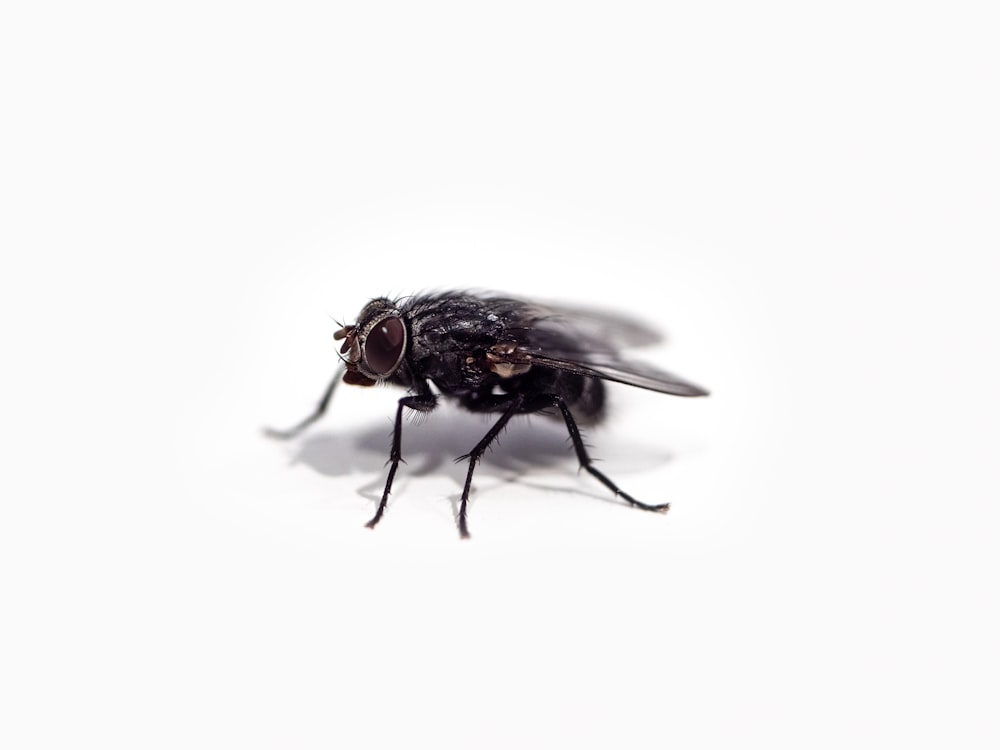
Photo by Chris Curry on Unsplash
Noticing an increased presence of adult flies, larvae, and a constant buzzing noise in your home are telltale signs of a house fly infestation. House flies can be recognized by:
- their gray or black bodies
- large red eyes
- two nearly translucent wings, measuring approximately 0.2 to 0.3 inches in length
- slightly hairy bodies
- females being larger than males
These characteristics make them easily distinguishable from other flying pests.
Prompt identification and action against a house fly infestation is crucial, given the rapid multiplication of these pests. Female house flies can lay up to 150 eggs at a time, and these eggs can hatch within 24 hours in warm conditions. By understanding the signs of an infestation and the characteristics of house flies, you’ll be better prepared to tackle the problem and protect your home.
Health Risks Associated with House Flies

The health risks associated with house flies extend beyond mere annoyance. These pests can transmit diseases such as typhoid, cholera, and dysentery, as well as cause food poisoning. House flies pick up bacteria and other pathogens while feeding on decaying substances, and then contaminate food surfaces by defecating on them. This poses a significant health risk to both residents and businesses, as contaminated food must be discarded, and negative customer feedback can result from the presence of flies in dining areas.
In addition to the health risks, house fly infestations can also cause economic losses for businesses such as restaurants, hotels, and meat processing plants, which must adhere to strict sanitation and preparation protocols to combat the issue. Understanding the health risks posed by house flies and implementing effective control methods are pivotal in safeguarding your home, health, and business from these harmful pests.
Common Breeding Grounds for House Flies in New York
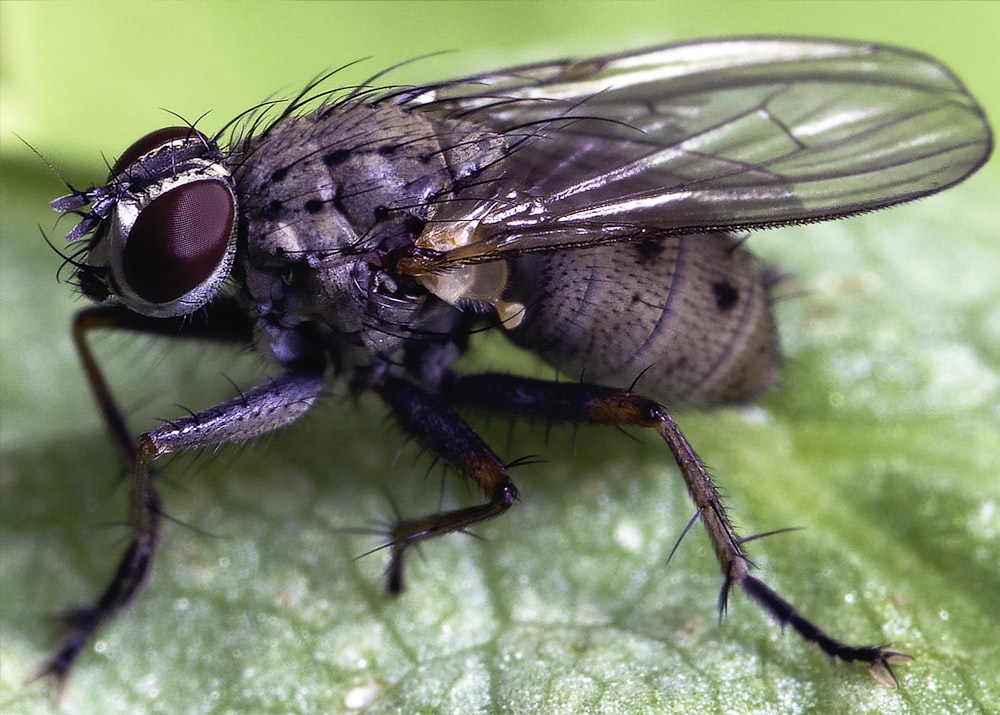
Photo by Dustin Humes on Unsplash
One of the keys to preventing and controlling house fly infestations is understanding where these pests breed. In New York City, common breeding sites for house flies include garbage bins, dumpsters, and areas with decaying organic matter. Dumpsters located near restaurants and grocery stores are particularly prone to harboring large house fly populations. This is mainly due to the abundance of organic material present that may attract these flies.
Female house flies are known to lay their eggs in decaying organic matters. This includes garbage, grass clippings and animal feces. Identifying and addressing these breeding grounds is a significant step towards reducing the number of house flies in your area and shielding your home from infestations.
Effective House Fly Control Methods

Photo by VD Photography on Unsplash
Effective house fly control methods involve a combination of natural remedies, such as essential oils, and DIY fly traps made from household items.
Further down, these methods are dissected in greater detail along with practical tips to help maintain a housefly-free environment.
Natural Remedies
Scents such as lavender, rosemary, and lemongrass can be used as natural remedies for house fly control. These scents are believed to be disagreeable to flies, helping to repel them and keep them away from your home. In addition to these scents, essential oils such as:
- tea tree
- eucalyptus
- peppermint
- citronella
Certain methods, including light traps, have also been found to be effective in helping to get rid of house flies and deter house flies.
Utilizing these natural remedies can be as simple as spraying lavender essential oil around the house, creating a homemade fly repellent with lavender oil, or using dried lavender in small containers. Scientific studies have supported the efficacy of scents like rosemary and lemongrass in deterring house flies, showcasing their effectiveness as natural pest control solutions.
DIY Fly Traps
In addition to natural remedies, DIY fly traps can be an effective and cost-efficient way to control house flies in your home. One popular DIY fly trap involves:
- Cutting the top off a soda bottle
- Inverting it into the bottom half
- Securing the two pieces together with tape
- Filling the bottle with a mixture of water, sugar, and dish soap
The flies are attracted to the sweet-smelling liquid and become trapped inside the bottle, unable to escape.
Another DIY fly trap involves filling a shallow bowl with apple cider vinegar, sugar, and dish soap. Adding food scraps to the mixture can also be beneficial. The flies are attracted to the scent and will perish in the mixture, helping to reduce the number of house flies in your home.
Preventing House Fly Infestations in Your Home
Preventing house fly infestations requires a multi-pronged approach that combines indoor and outdoor prevention measures, such as sealing doors and windows, maintaining cleanliness, and managing potential breeding grounds.
Below, we provide practical tips, backed by expert insights, to help fortify your home against these bothersome pests.
Indoor Prevention Measures
Indoor prevention measures are instrumental in maintaining a housefly-free environment. Here are some specific steps you can take:
- Clean up food waste promptly and thoroughly.
- Secure garbage in tightly sealed containers.
- Maintain clean and tidy pet areas.
- Avoid disposing of food waste in the garbage. Instead, use biodegradable trash bags or compost bins.
- If any leaks or spills occur in trash bins, flush them out to prevent attracting flies.
By following these measures, you can effectively prevent housefly infestations in your home.
Additionally, here are some tips to help deter flies and keep your home fly-free:
- Rinse all cans, bottles, and plastic containers before recycling or discarding them.
- Cover compost piles with a black plastic barrier.
- Utilize homemade remedies, such as eucalyptus oil or apple cider vinegar solutions.
- Consider using fly paper or homemade traps.
By following these tips, you can effectively avoid actions that attract flies and keep them away from your home, including trapping flies.
Outdoor Prevention Measures
Implementing the right outdoor prevention measures is just as important in warding off house fly infestations. This includes:
- Maintaining cleanliness
- Inspecting for potential breeding grounds
- Reducing outdoor lighting at night, as flies are attracted to light
- Eliminating standing water, pet waste, and rotting wood or plants
These measures can help to prevent infestations.
Disinfecting outdoor garbage and recycling pails is another crucial step in deterring house flies and helping you get rid of house infestations. Additionally, keeping trash cans sealed with tight lids and positioning manure or compost piles at least 20 feet away from your residence can help to minimize the risk of infestations.
When to Call NYC Extermination
While DIY methods and prevention measures can be effective in controlling house fly infestations, there may come a point when calling a professional exterminator is necessary. If you’ve tried various methods to control the infestation and still notice an increase in the number of flies, the presence of larvae, or a lack of improvement, it’s time to call in the experts.
A professional exterminator will assess your home and create a tailored treatment plan, which may include the use of insecticides or traps, to effectively eliminate the house fly infestation. Don’t hesitate to seek professional help if DIY methods fail to provide the desired results. Contact NYC Extermination today!
House Fly Regulations and Policies in New York
In order to protect public health and safety, New York has implemented regulations and policies to address house fly infestations. These regulations include:
- Encouraging property managers and landlords to reduce pesticide use
- Complying with environmental laws
- Conducting regular property assessments to address infestations
Breaching house fly regulations in New York can result in civil penalties, with fines ranging from $75 to $250 per violation. The Department of Environmental Conservation (DEC) and the Department of Health (DOH) are responsible for monitoring and enforcing these regulations, using methods such as inspections, citations, and legal action against individuals or businesses that violate the rules.
By adhering to these regulations, you can help ensure the health and safety of your community.
Understanding the House Fly Life Cycle
Grasping the house fly life cycle is key to effectively controlling and preventing infestations. The life cycle consists of four stages:
- Egg
- Larva
- Pupa
- Adult
House flies and fruit flies can complete their life cycle in as little as seven to ten days under warm and moist conditions, which are ideal for the development of fly larvae.
House flies prefer laying their eggs in decaying organic matter. Examples include garbage, grass clippings, and animal feces. Addressing these breeding grounds and understanding that house flies defecate, which contributes to the house fly life cycle, enables you to take the necessary measures to control and prevent infestations in your home and community.
Summary
In conclusion, house fly infestations in New York City pose significant risks to human health and well-being. By understanding the problem, identifying infestations, and implementing effective control methods and prevention measures, you can protect your home, health, and community from these dangerous pests. Armed with expert insights and practical tips, you’ll be better prepared to tackle the house fly challenge and enjoy a cleaner, safer living environment.
Frequently Asked Questions
How do I get rid of flies in my house in NY?
To get rid of flies in your house in NY, seal any cracks where they may be entering, remove potential food sources, lure them outside with light, set out containers with vinegar or apple cider vinegar, and use houseplants or essential oils to repel them.
What are 5 interesting facts about flies?
Flies have fascinating abilities; they can taste with their feet, walk upside down, and even see behind them. They live on a liquid diet, spread various diseases, and have a relatively short lifespan. Learning more about flies can help us discover ways to keep them away from our homes.
What are the problems with house flies?
House flies can spread a variety of diseases, from food poisoning to tuberculosis, and their bites can be painful. They are also known to mechanically transmit disease organisms through regurgitation and excretion.
What are some natural remedies for house fly control?
Using natural scents like lavender, rosemary, and lemongrass can be an effective way to reduce the presence of house flies in your home.
How can I create a DIY fly trap using a soda bottle?
Creating a DIY fly trap using a soda bottle is easy – just cut the top off a bottle, invert it into the bottom half, secure the pieces together with tape, and fill the bottle with a mixture of water, sugar, and dish soap.
Featured Photo by Richard Khuptong on Unsplash
Recent Comments