
If you suspect wildlife in your home, identifying the signs quickly is essential. This guide will show you how to identify signs of wildlife in your home, from unusual noises to visible damage, so you can take action promptly.
Key Takeaways
- Listen for unusual noises and observe signs like droppings to quickly identify wildlife in your home.
- Visible damage and nesting materials are clear indicators of wildlife presence, necessitating prompt action.
- Contact professional wildlife removal services to safely address infestations and implement preventive measures to protect your home.
Unusual Noises in Your Home
Strange noises are often the first sign of a wildlife infestation. Scratching, scurrying, and squeaking sounds in the walls or attic, especially at night, typically indicate the presence of rats, mice, or raccoons, which are active after dark. These critters can create quite a disturbance.
Raccoons and rats create various noises during the night, including:
- scratching
- scurrying
- gnawing
- chirps
- squeaks
- growls
These sounds not only indicate the presence of unwanted visitors but can also be particularly disturbing at night due to the noise.
In the daytime, squirrels and birds might create a ruckus in your attic with scurrying and gnawing sounds. These noises, whether day or night, clearly indicate the presence of uninvited guests.
Unpleasant Odors and Droppings
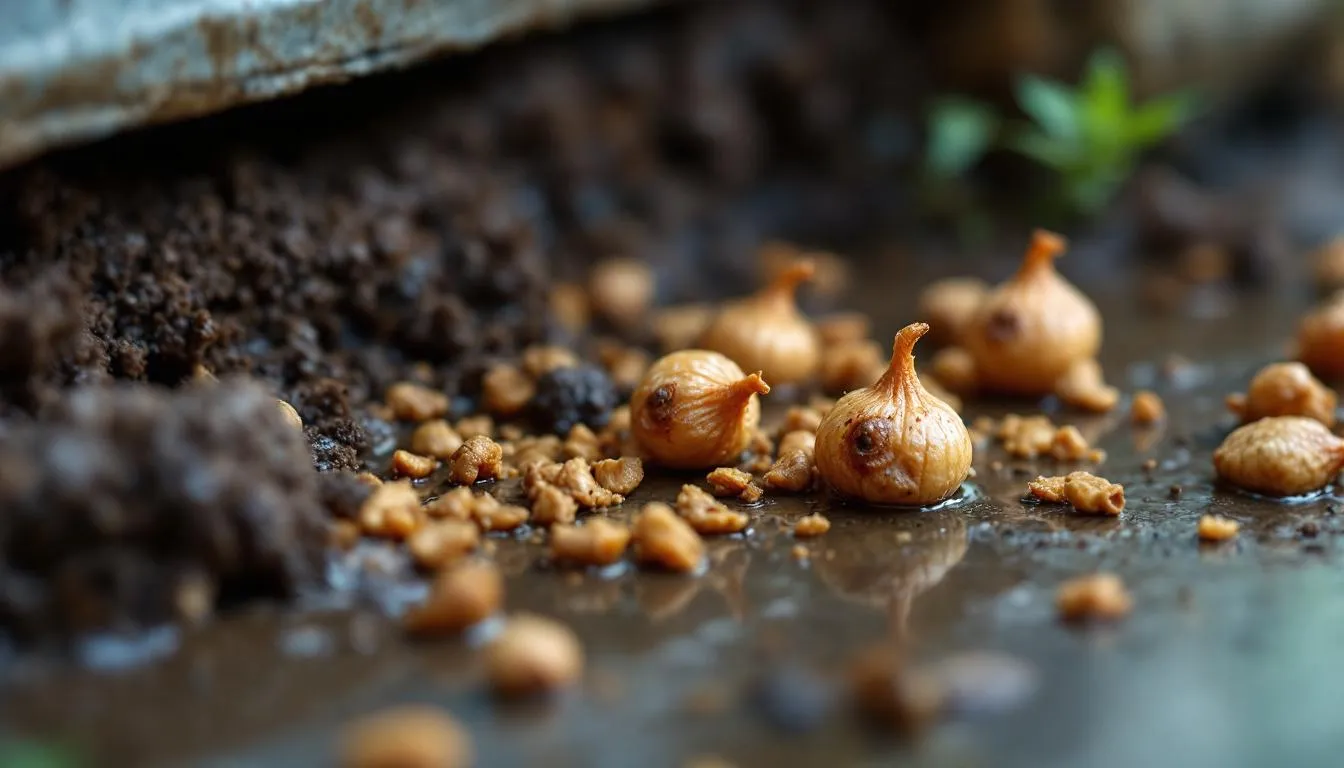
Unpleasant odors and animal droppings are clear signs of a wildlife infestation. Musky, foul smells from droppings, urine stains, or territorial marking indicate wildlife activity in your home.
Different animals leave distinct droppings, aiding in identification:
- Raccoon feces are larger and may contain undigested food.
- Mouse droppings are smaller and pellet-shaped.
- Fresh droppings suggest recent activity.
- Older droppings indicate a long-term issue. Finding droppings and urine clearly points to a nuisance animal problem.
These smells often linger in crawl spaces, attics, and hidden areas where wildlife has been active. Combined with visible droppings, these odors strongly indicate the need for professional wildlife removal services.
Visible Damage and Gnaw Marks
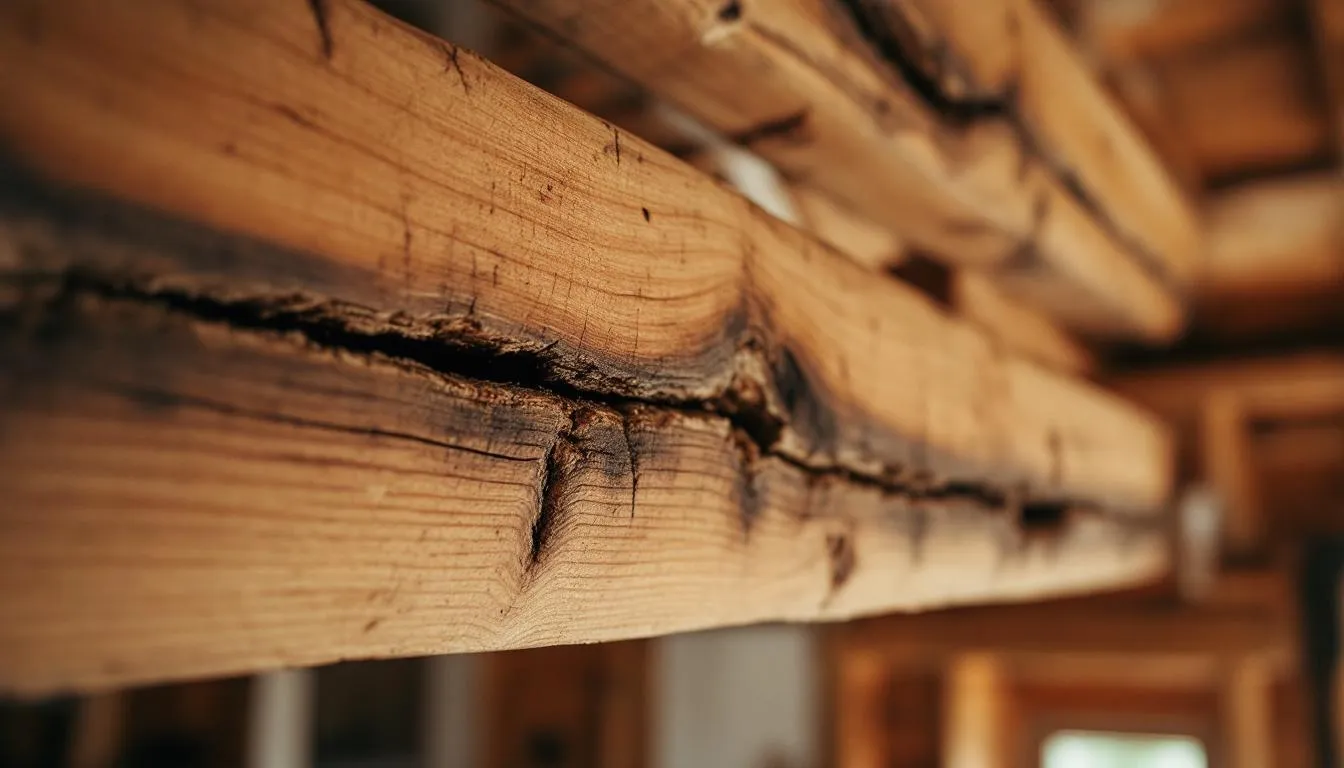
Visible damage and gnaw marks indicate wild animals have taken up residence in your home. Rodents can chew through drywall and other materials, affecting both safety and aesthetics, leading to costly repairs if not addressed promptly. Chewing can exacerbate these issues.
Common signs and consequences of wildlife infestation include:
- Chewed wires and insulation
- Rodents gnawing through wood and electrical wiring, compromising structural safety
- Chewed insulation reducing energy efficiency, which increases utility bills
Squirrels leave gnaw marks on surfaces to access food or nesting materials. Fur or debris near gnaw marks further indicates wildlife activity. Ignoring these signs can lead to significant structural damage, including weakened roofing materials and potential leaks.
Nesting Materials and Debris
Wildlife often nests in warm, secluded areas like attics. The presence of shredded paper, fabric, and other debris indicates animals are making themselves comfortable in your home.
Birds and bats may nest in your attic, leading to larger infestations from other pests if not promptly addressed, further degrading your home’s structural integrity and creating additional mess.
Regular attic inspections for nests and nesting materials can help catch an infestation early.
Tracks and Footprints
Tracks and footprints are essential clues for identifying wildlife in your home. These signs are often found in:
- Soft soil
- Mud
- Sand
- Snow Regularly inspecting less frequented areas helps monitor for wildlife activity, such as:
- Basements
- Attics
Different animals leave distinct tracks. Opossums leave triangular prints, while raccoon tracks resemble human handprints. Identifying these tracks helps determine which animals have invaded your home and tailor your wildlife control efforts.
Visual Sightings of Animals
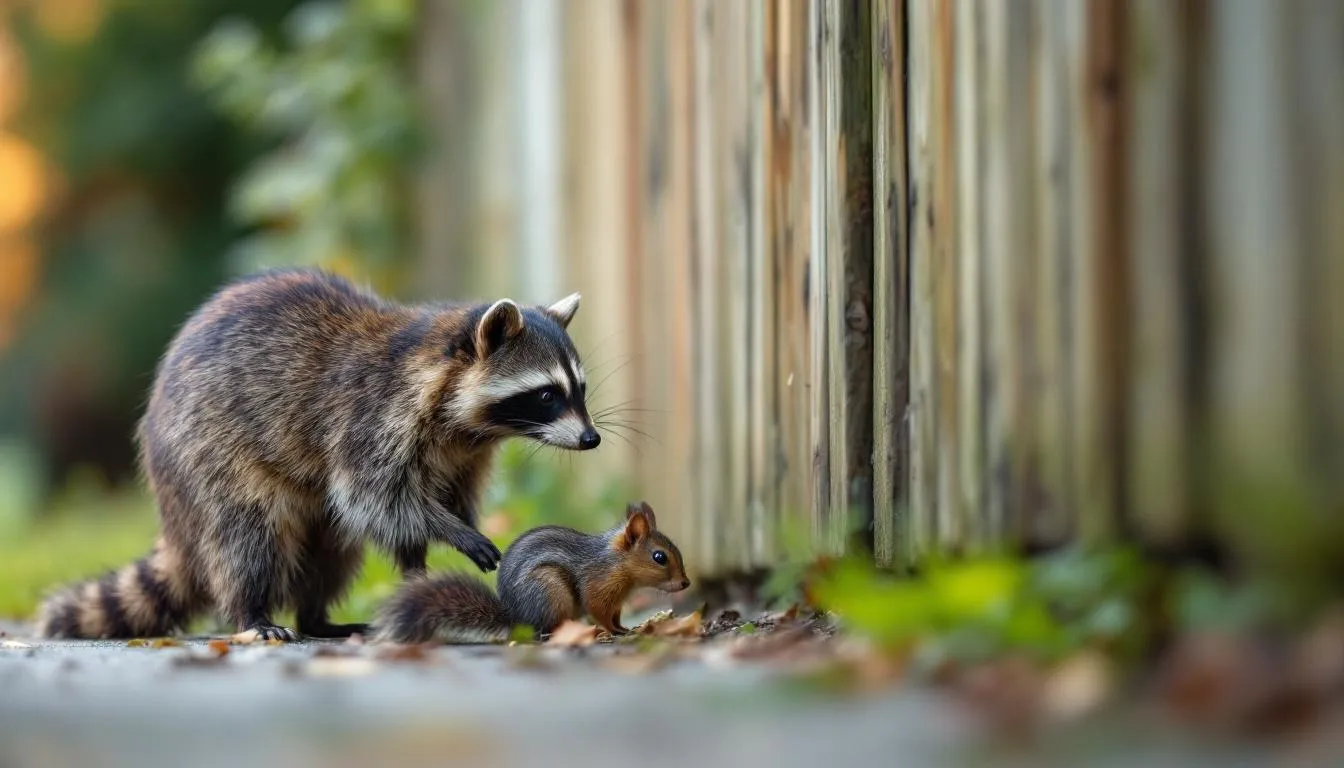
Seeing an animal in your home is an obvious sign of a wildlife infestation. Squirrels are active during the day, while nocturnal animals like bats and raccoons are seen at night. A single sighting could indicate a larger infestation.
Signs of animal activity in your home include:
- Finding acorn shells in your attic, which indicates squirrel activity.
- Discovering a bat in your living space, which might suggest an entire bat colony.
- Noticing raccoons, known for their agility, which can enter through surprisingly small openings. These are some of the obvious signs and telltale signs of the most obvious signs of animal presence.
Seeing one mouse likely means many animals are hidden away, indicating a larger population. Combined with other signs, these visual sightings confirm a clear sign of the presence of wildlife and the need for professional rat removal services.
Health Risks and Contamination
Wildlife infestations pose serious health risks. Animal droppings can harbor harmful bacteria that cause illnesses and potential health hazards. Zoonotic diseases like leptospirosis and salmonella can be transmitted through contact with droppings or contaminated surfaces.
Even seemingly healthy animals can carry diseases, emphasizing the need to address infestations promptly. Wildlife can damage attic insulation, leading to contamination from waste materials and increasing health risks.
Swiftly removing wildlife and cleaning contaminated areas is crucial for maintaining a safe, healthy home.
Structural Integrity Concerns
Wildlife infestations can significantly compromise your home’s structural integrity. Animals gnawing through wood, wires, and insulation can cause severe safety issues and serious threats, leading to potentially hazardous conditions.
Animals often enter homes through openings like loose soffits, gaps, and damaged areas. If not addressed, larger animals like raccoons or opossums may fall through compromised ceilings, causing more damage. When this occurs, a problem arises.
Regular inspections and prompt repairs are essential for maintaining your home’s structural safety.
Professional Wildlife Removal Services
If you suspect a wildlife infestation, contacting professional animal removal services is crucial. Experts can safely and humanely capture and remove wild animals, dealing with local and federal regulations to ensure humane treatment for both animals and humans.
When selecting a removal service, choose licensed and insured companies experienced with specific animals. Professional removal addresses the immediate problem and includes repairing damage and implementing exclusion measures to prevent future infestations.
Preventing Future Infestations
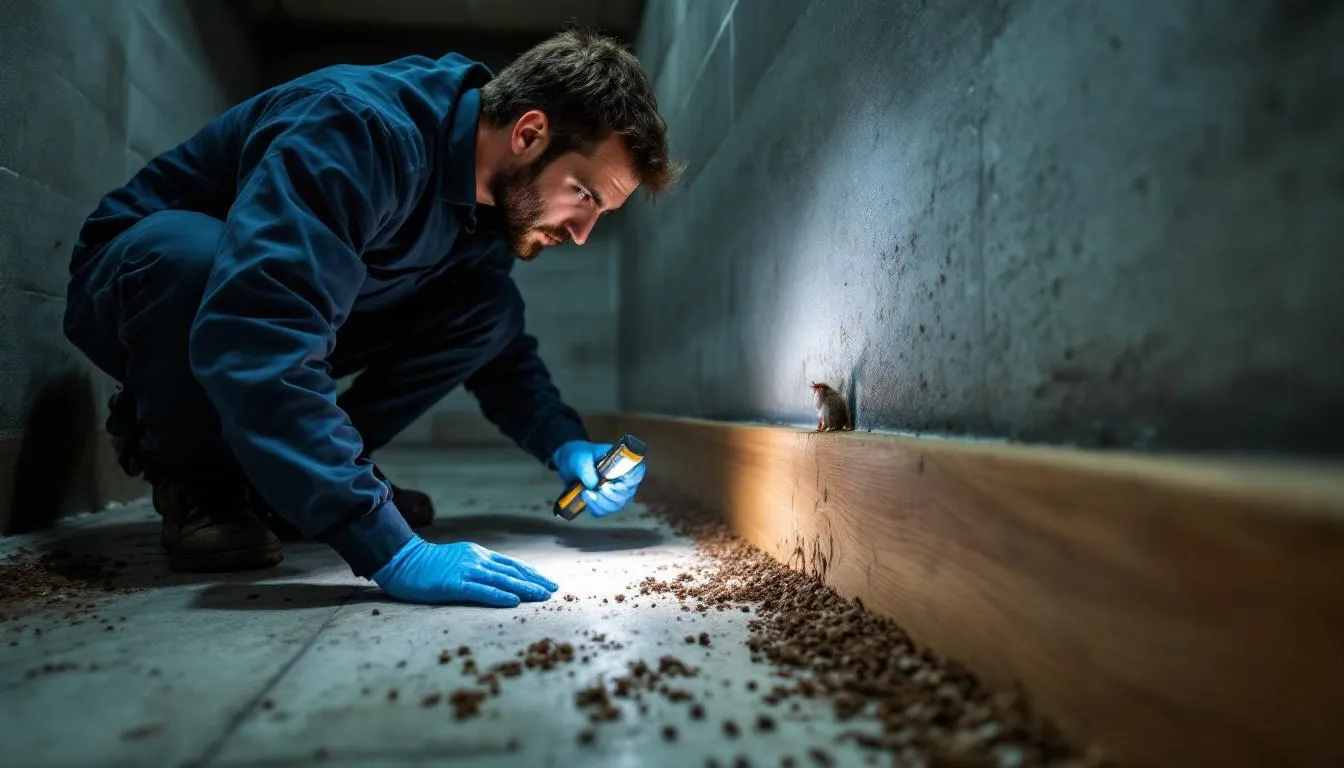
Preventing future infestations requires a proactive approach. Wildlife control companies provide comprehensive inspections to locate entry points and signs of infestation. Sealing entry points with caulk, steel wool, or hardware cloth can keep animals out.
To reduce wildlife attraction and deter pests:
- Store food in airtight containers and promptly clean spills.
- Properly maintain compost piles away from the home.
- Conduct regular home inspections and maintenance to identify new entry points or signs of potential infestations.
Natural repellents like essential oils can effectively keep wildlife away. Implementing these preventive measures protects your home from unwanted visitors and prevents costly repairs down the line.
Contact Us Today
If you’ve noticed strange noises, unpleasant odors, or visible damage in your home, it may be a sign of a wildlife infestation. Ignoring these early warnings can lead to costly repairs, health risks, and ongoing stress. At NYC Extermination, we specialize in safe, humane, and effective wildlife trapping, helping homeowners regain peace of mind and protect their property.
Our team is experienced in identifying entry points, removing unwanted animals, and preventing future infestations through proven exclusion methods. We don’t just fix the problem temporarily—we provide long-term solutions to keep your home safe and secure.
Don’t wait until the damage becomes overwhelming. Contact NYC Extermination today and let our experts restore safety, comfort, and confidence in your home.
Summary
In conclusion, identifying and addressing signs of wildlife in your home is essential for maintaining a safe and healthy living environment. By being aware of unusual noises, unpleasant odors, visible damage, nesting materials, and other signs, you can catch infestations early and take appropriate action.
Remember, professional wildlife removal services can provide the expertise and solutions needed to handle infestations effectively. With regular inspections and preventive measures, you can protect your home and avoid costly repairs. Stay vigilant, take action, and keep your home free from wildlife intruders.
Frequently Asked Questions
What are some common signs of a wildlife infestation in my home?
If you notice strange noises, unpleasant odors, or visible damage around your home, it’s time to act; these are all clear signs of a wildlife infestation. Stay vigilant for droppings, nesting materials, and animal tracks to catch the problem early!
How can I identify the type of animal causing the infestation?
Identifying the type of animal causing an infestation is achievable by closely observing specific sounds, droppings, tracks, and any visual sightings. By paying attention to these unique signs, you can effectively determine which animal is intruding and take appropriate action!
Are there health risks associated with wildlife infestations?
Absolutely, wildlife infestations can lead to significant health risks by transmitting zoonotic diseases such as leptospirosis and salmonella. It’s important to take proactive measures to manage and prevent these infestations for your health and safety!
When should I contact a professional wildlife removal service?
If you see signs of an infestation or suspect an animal is inside your walls, don’t wait—contact a professional wildlife removal service immediately for safe and humane assistance. Taking action now will protect your space and peace of mind!
What can I do to prevent future wildlife infestations?
To prevent future wildlife infestations, seal all entry points and store food in airtight containers. Regular home inspections and using natural repellents can also help keep wildlife at bay, ensuring your space remains safe and secure.
Recent Comments