

Every year, termites cause billions of dollars’ worth of damage, gnawing through our homes with relentless determination. But don’t let these tiny creatures undermine your peace; an ounce of knowledge can be your first line of defense. Let’s embark on this journey to understand these hidden enemies and fortify our homes against their silent onslaught with “how to get rid of termites: your ultimate guide.”
To effectively eliminate termites, a combination of targeted treatments and preventive strategies is essential. You can use liquid termiticides such as Termidor SC around your home’s foundation to create a protective barrier, set up bait stations to gradually eliminate entire colonies, or treat infested wood with boric acid. For smaller, localized infestations, natural remedies like orange oil or neem oil may help control the problem. However, for larger or persistent infestations, professional pest management is highly recommended to ensure complete and long-lasting eradication.
Key Takeaways
- Pinpoint accuracy helps target infestations directly, avoiding unnecessary treatments.
- Canine inspections are cost-effective and safe for both families and pets.
- Recognize termites and detect infestations by identifying mud tubes, droppings, wings, and faint banging sounds.
- Professional extermination services offer expertise to effectively treat large infestations & protect your home.
- Budget for treatment & repairs based on the extent of the problem. Prevention is key in avoiding costly damages from termites.
Early Signs of Termite Infestation You Shouldn’t Ignore
Spotting termite activity early can save you from costly structural damage and extensive repairs. These pests often work silently, but there are a few warning signs that can alert you to their presence before the problem worsens. Understanding the signs of termite infestation can help you take action before serious damage occurs.
1. Mud Tubes
Termites, especially subterranean species, build pencil-thin mud tubes along walls, foundations, or crawl spaces. These tubes act as protected highways, allowing them to travel between their colony and food sources while staying moist and hidden from predators.
2. Discarded Wings
After swarming, reproductive termites shed their wings, often leaving small piles near windowsills, doors, or light sources. Finding these wings indoors is a strong indication that termites may already be establishing a colony inside your home.
3. Head Banging (Clicking Sounds)
When disturbed, soldier termites may bang their heads against wood or shake their bodies to signal danger to the colony. This can create faint clicking or tapping sounds coming from inside walls, which is a subtle but important sign of activity.
4. Frass (Termite Droppings)
Drywood termites leave behind tiny, pellet-shaped droppings known as frass. These are often found in small piles near wooden structures and resemble sawdust or coffee grounds, indicating that termites are actively feeding within.
5. Hollow or Damaged Wood
Wood that sounds hollow when tapped or appears blistered, cracked, or weakened can be a sign of termites feeding from the inside out. This type of damage often goes unnoticed until it becomes severe, making early detection crucial. Learning to recognize commom termite damage signs can help you identify issues before they escalate.
Types of Termites and How to Detect Them in Your Home
Subterranean, drywood, and dampwood termites show signs like mud tubes, frass, discarded wings, and hollow wood-early detection helps prevent serious structural damage. To better understand the different types of termites, it’s important to recognize how each behaves and the warning signs they leave behind.
1. Subterranean Termites
Subterranean termites are like the phantoms of the insect world. They build their termite colonies underground and use mud tubes to travel to their food sources, undetected. These colonies are not a small family affair; they house a staggering 100,000 to 1 million termites, including worker termites. Picture a bustling city right under your feet, with the citizens silently gnawing away at your home’s foundation.
So, why do they build these mud tunnels? The answer is survival. These tunnels shield them from predators and dehydration as they commute from the moist soil to their all-you-can-eat wooden buffet. But don’t despair; there are several termite control methods to disrupt their commute. Insecticides, baiting, and even leveraging their natural predators can help keep these critters in check.
While subterranean termites are found throughout the US, certain types like the Formosan termite and the western subterranean termite have specific geographical strongholds. For example, the western subterranean termite is mainly found along the Pacific Coast and parts of Texas. Your termite control strategy can be effectively tailored using this geographical information and the right termite control methods.
2. Drywood Termites
Crawling into the spotlight next are the Drywood termites. These critters have a preference for dry conditions and are typically found in regions such as:
- California
- Texas
- Louisiana
- Florida
Unlike their subterranean cousins, Drywood termites form relatively small colonies, usually housing no more than 2,500 members.
While their colonies might be smaller, they are no less destructive. When it comes to dealing with these termites, you have a few termite control methods that effectively kill termites:
- Sprays and spot treatments can be effective in controlling the infestation.
- Essential oils, such as orange oil or neem oil, can also be used as natural remedies.
For more severe infestations, you might need to call in the big guns – professional exterminators who use fumigation to ensure no termite is left standing.
Of course, the size of the infestation and the homeowner’s comfort with DIY methods will determine whether to opt for home remedies or professional services. Your home’s specific conditions and the termite species present would dictate the precise blend of DIY and professional termite control methods in a comprehensive termite management plan.
3. Dampwood Termites
Last, but certainly not least, we have the Dampwood termites. As their name suggests, they love wet wood and thrive in moist environments. They are commonly found in the Pacific Northwest, the West, and some parts of Florida, where the wet conditions are ideal for them.
Dampwood termites are the giants of the termite world. Here are some key characteristics:
- Sizes range from 1/2” to 5/8”
- They are light brown to reddish-brown
- They have straight antennae, which differentiates them from other termite species
- Their life cycle includes the stages of egg, nymph, and adult
- The nymph stage involves several molts before reaching maturity
While their love for dampness might seem like a weakness, it can actually make them harder to treat with traditional methods. However, among the effective termite control methods, borate solutions applied directly to the affected wood have proven to be a reliable treatment.
To avoid confusion with other pests, it’s also helpful to understand the differences between termites vs ants, as both can cause structural concerns but require very different treatment approaches.
Termite Damage: Assessing the Impact on Your Home
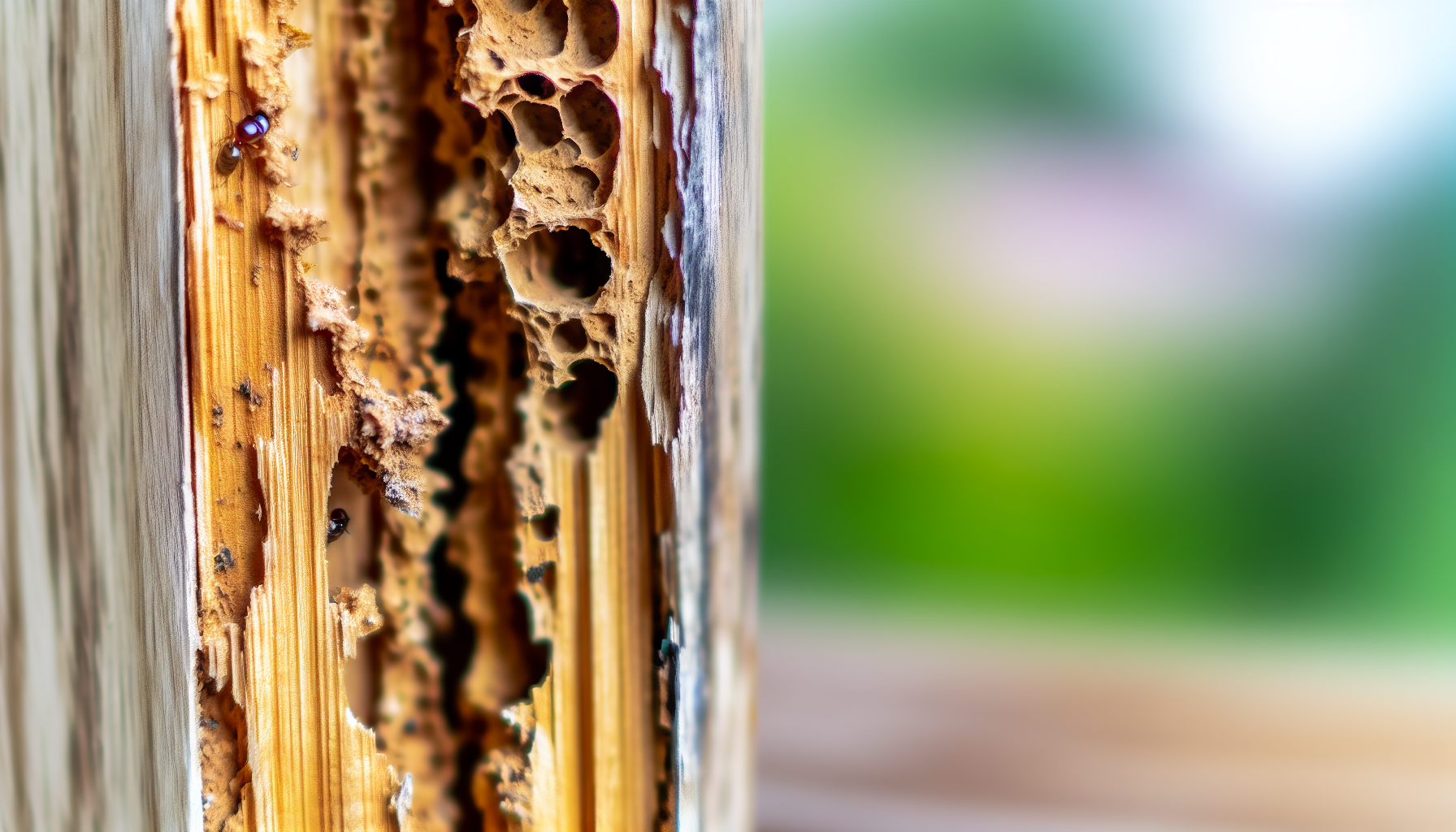
Termites might be small, but their damage can be colossal. These pests chew through wood and other cellulose materials in our homes, undermining the structural integrity of our dwellings. As termites feed, the extent of the damage can vary, from minor cosmetic issues to major structural failures that can render a home uninhabitable. It’s crucial to address a termite problem as soon as it’s discovered, as termites eat away at the very foundation of our homes. Understanding the long-term termite damage effects can help homeowners realize just how serious an untreated infestation can become.
So how do you know if your home has become a termite diner? One telltale sign is a hollow or papery sound when you knock on the wood. This suggests that termites have hollowed out the wood from the inside, leaving a thin veneer of timber or paint. If you’re hearing this sound in your home, it’s high time to call in the professionals.
Ignoring a termite infestation is akin to playing with fire. If left untreated, these pests can cause significant structural damage to your home. Some termite species can even cause significant damage in a matter of months. Now that’s a sobering thought!
DIY Termite Control: At Home
Having identified the pest and evaluated the damage, it’s time to take proactive measures. For those who like to take matters into their own hands, there are several DIY termite control methods available. From natural remedies like cayenne pepper, vinegar, and essential oils to chemical treatments like boric acid and imidacloprid, there’s a whole arsenal at your disposal. Exploring proven termite prevention methods can also help reduce the risk of future infestations.
For those dealing with termites in their cabinets and furniture, here are some solutions:
- Boric Acid: A solution of borax and water can be sprayed directly onto infested areas to eliminate termites.
- Cardboard Traps: These can be used to attract and trap termites in specific locations for easy removal.
- Essential Oils: Oils like neem or orange oil act as natural repellents and can help control small infestations.
- Natural Remedies: Ingredients such as cayenne pepper and vinegar can deter termites when applied regularly.
- Freezing: Small infested items can be placed in a freezer to kill termites effectively.
- Professional Treatment: For larger infestations, expert intervention ensures complete and long-lasting control.
- Bait Stations: These help eliminate colonies gradually by targeting termites at the source.
- Liquid Termiticides: Applied around structures, they create a protective barrier against termite entry.
DIY methods might work for minor infestations, but they are not an instant remedy. Regular applications might be necessary to completely eliminate termites, get rid of termites, and kill termites. Remember, the battle against termites is a marathon, not a sprint. Following expert tips to prevent termites at home can go a long way in keeping your property protected year-round.
Preventative Measures: Keeping Termites at Bay
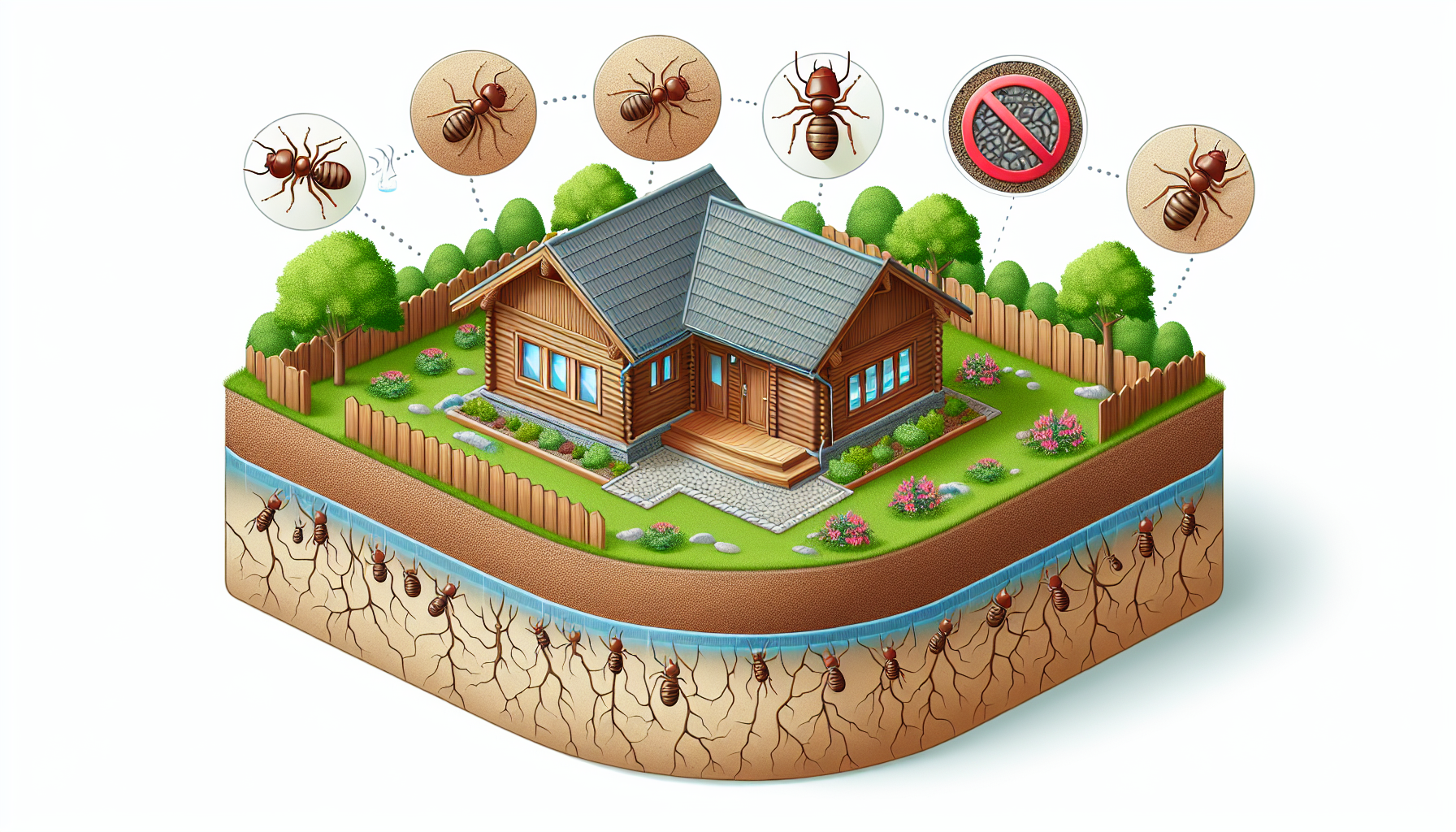
The ancient wisdom of “Prevention is better than cure” is indeed applicable in the case of termites. By understanding what attracts termites-food, moisture, and heat-homeowners can take steps to make their homes less inviting to these pests. Scheduling a termite inspection in NYC as part of your preventive approach can also help identify early warning signs before an infestation becomes serious.
Eco-friendly prevention tips include:
- Removing moisture sources
- Fixing leaks
- Storing firewood away from the house
- Maintaining a distance of at least 18 inches between your house and garden to discourage termites from making the jump from your garden to your home.
Even the construction of your home can play a role in attracting or repelling termites. For example, sloping ground that leads to puddles near the foundation or air conditioners that produce runoff moisture can create a moist environment that can attract termites. By addressing these building flaws and combining them with regular termite inspection in NYC, you can prevent termites from setting up shop in your home.
Long-Term Protection and Prevention
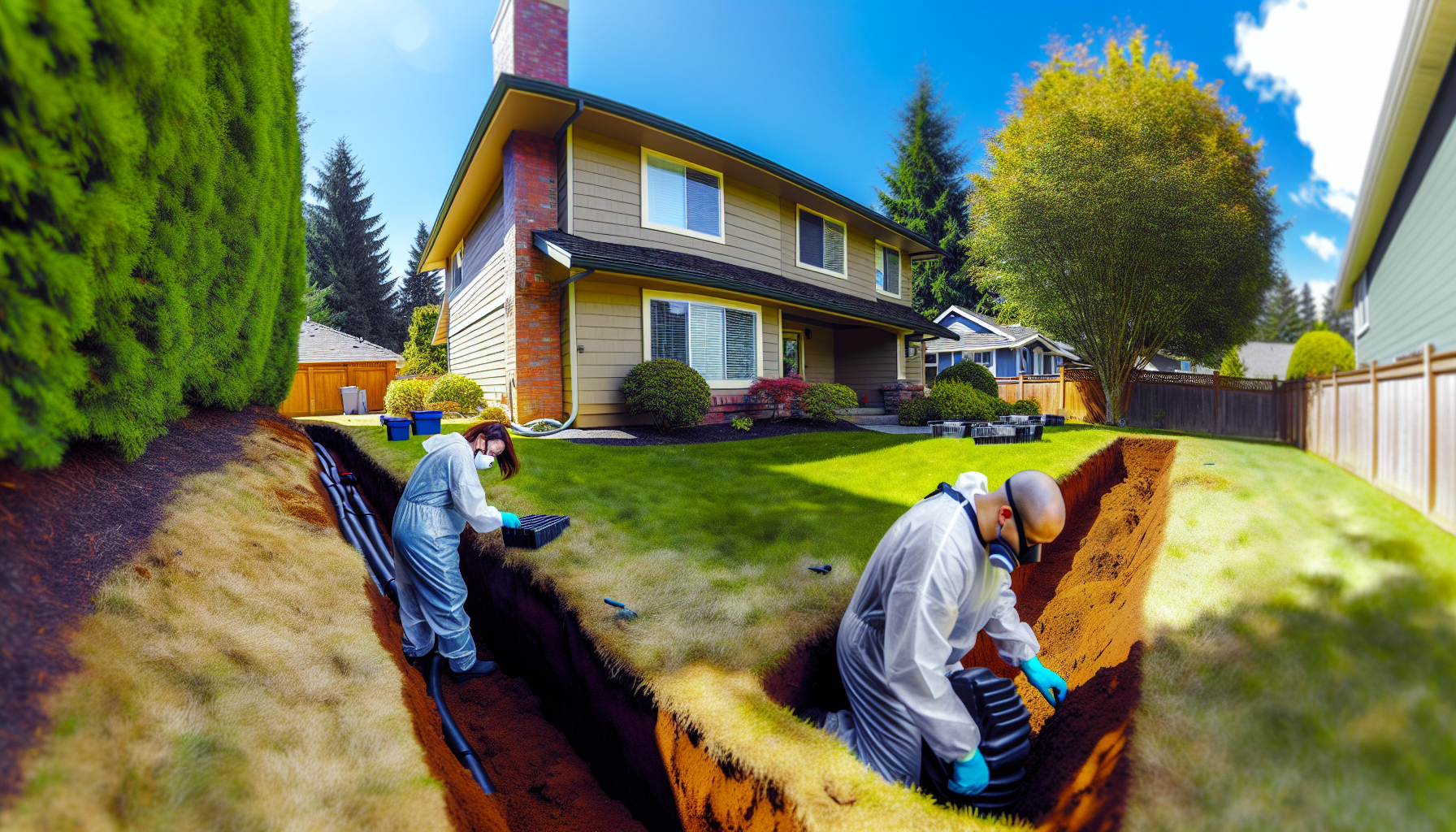
While DIY methods and preventive measures can keep termites at bay, for long-term protection, you might need to bring out the big guns with effective pest control against termite solutions. Termite barriers, for example, create a trench around your home filled with termiticide. This acts as a moat that termites cannot cross, protecting your home from these destructive pests.
Another long-term protection strategy is the use of termite bait stations as part of a broader pest control against termite approach. These devices are placed around the exterior of your home and contain slow-acting insecticides that termites carry back to their colonies, effectively killing them off. However, bait stations are not a standalone solution and should be part of a comprehensive termite management strategy.
Frequent inspections and the use of termite-resistant construction materials are key measures for long-term termite protection. Combining these practices with professional pest control against termite services ensures stronger, more reliable defense. After all, an ounce of prevention is worth a pound of cure.
Costs and Considerations: Budgeting for Termite Treatment and Repairs
While termite proofing your home is critical, the associated costs of termite treatment and repair should also be considered. The costs can vary based on:
- The extent and severity of the infestation
- The species of termites
- The size of the property
- The treatment method used.
The average costs of termite treatment can range from a few hundred dollars for spot treatments to several thousand dollars for fumigation. The costs for repairs following a termite infestation can also range from $500 to $3,000, depending on the extent of the damage.
While these costs might seem overwhelming, remember that the cost of not treating a termite infestation can be much higher. In the battle against termites, an investment in prevention and treatment is an investment in the future of your home.
Why Schedule a Termite Inspection in NYC?
While DIY methods can be effective against small-scale infestations, there are times when you need to call in the professionals, especially when you require a termite inspection in NYC. For with termites makes your skin crawl, professional extermination services like NYC Extermination can save the day.
Professional exterminators, offering professional termite control and a detailed termite inspection in NYC, have the expertise and resources to effectively handle termite infestations of any size. They can assess the situation, recommend the best course of action, and carry out the treatment with precision.
The peace of mind offered by professional extermination, though costlier than DIY methods, can be invaluable. After all, your home is more than just a building; it’s a sanctuary. And it’s worth protecting from these pesky invaders. What are you waiting for? Contact us today for a termite inspection in NYC! example, if you’re dealing with a large termite colony or if the thought of going toe-to-toe.
When to Call the Pros
Call professionals when DIY treatments stop working or the infestation keeps coming back. If you notice widespread pest activity, hidden infestations, or signs of damage like droppings or wood decay, expert help is needed.
For serious cases like termites or bed bugs, professionals can quickly detect and treat the problem using specialized tools. Getting help early prevents the infestation from spreading and protects your home from further damage. If the problem escalates, reaching out to reliable pest control services NYC ensures faster and more effective results.
Conclusion
Termites cause severe structural damage if not detected early. They come in different types like subterranean, drywood, and dampwood, each with unique signs and behaviors. While DIY methods and proactive termite prevention can help with minor issues, larger infestations require professional treatment. Early detection, regular inspections, and moisture control are key to protection. For serious cases, expert extermination is the most effective way to eliminate termites and prevent costly home damage.
Don’t wait for the damage to become visible. Contact NYC Extermination today at (347) 988-2315 for a professional inspection.
Frequently Asked Questions
How do you get rid of termites fast?
To get rid of termites quickly, you can start with natural remedies such as neem oil, clove oil, orange oil, white vinegar, diatomaceous earth, boric acid, petroleum jelly, aloe vera, or even salt solutions. These methods can help reduce termite activity by either repelling or killing them on contact.
What do termites hate the most?
Termites are highly sensitive to certain strong smells and natural compounds. They particularly dislike scents such as orange oil, neem oil, garlic, cinnamon, vinegar, mint, and other citrus-based substances. These materials can act as natural repellents and may help deter termites from entering or staying in treated areas.
Can you exterminate termites yourself?
Although there are many DIY solutions available, completely exterminating termites on your own can be very challenging. Termites often live deep within walls, soil, or wooden structures, making them hard to locate and fully eliminate without specialized tools and expertise.
DIY methods may control minor issues temporarily, but they rarely address the root of the infestation. For long-term and thorough results, it’s generally recommended to seek professional termite control services that can accurately assess and treat the problem.
What are the main types of termites that infest homes in the US?
The three main types of termites that commonly infest homes in the United States are Eastern subterranean termites, Western subterranean termites, and Formosan termites. Subterranean termites are the most widespread and live in soil, building mud tubes to access food sources. Formosan termites, often referred to as “super termites,” are particularly aggressive and can cause significant structural damage in a shorter period of time.
What are the signs of termite infestation?
There are several warning signs that may indicate a termite infestation. Common indicators include mud tubes along walls or foundations, discarded wings near windows or doors, tiny droppings (also known as frass), and swarming activity, especially during warmer months. You might also notice hollow-sounding wood, bubbling paint, or small holes in wooden structures.
What are the differences between termites and other pests?
The main differences between termites and other pests are their appearance, behavior, and the type of damage they cause. Termites feed on wood, while many other pests target food sources or create nests.
Recent Comments