

Homeowners often ask: how can I prevent termites from damaging my property? Our guide provides essential home maintenance tips to prevent termites, delivering straightforward advice on maintaining a solid defense against these persistent pests. This article offers practical steps towards a termite-free home, from avoiding common termite attractors to regular inspection cues. Are you curious about early detection or need guidance on home care? Read on to empower your termite prevention plan.
Key Takeaways
- Regular inspections and maintenance of homes are crucial to prevent and detect termite activity early, particularly in areas where wood is in contact with soil.
- Basic preventive measures such as managing moisture levels, removing potential food sources, and sealing entry points like cracks and gaps are crucial to maintaining a termite-free home.
- Professional pest management services provide comprehensive termite control, offering customized treatment plans, ongoing protection, and expert inspections to mitigate and prevent termite infestations.
Maintaining a Termite-Free Environment
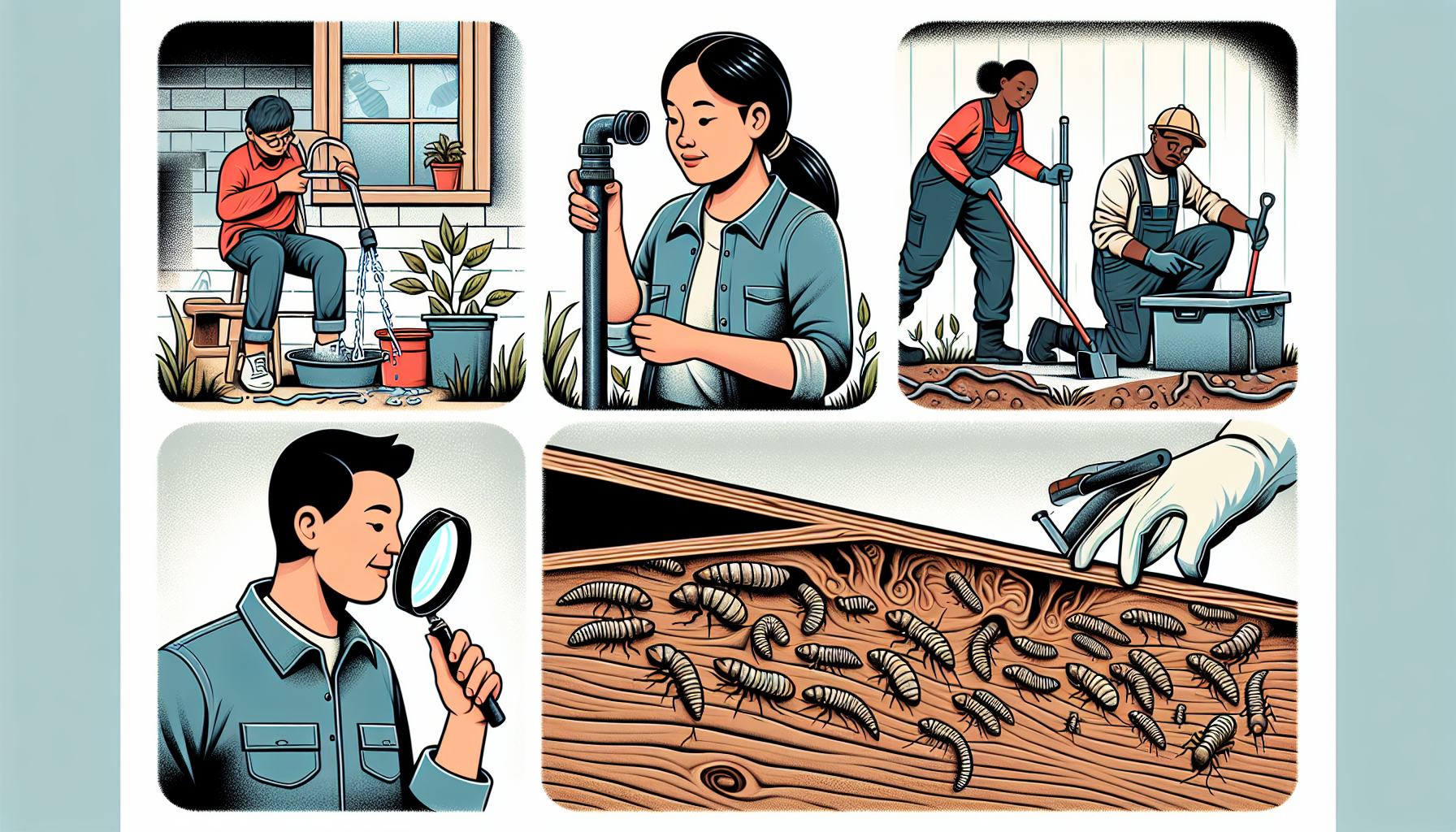
Preventing termite infestations is crucial for maintaining your home’s structural integrity and safeguarding its aesthetic appeal. As termites feed on wood, water, and soil, your home becomes a potential feast for them, notably in areas where wood comes into contact with soil, such as crawl spaces. Therefore, the first line of defense against these pests is creating an environment that’s most minor content for them to thrive in your crawl space.
To achieve this, regular home maintenance and inspections become non-negotiable. At a minimum, homes should be inspected annually. However, inspections 2-3 times a year may be necessary in warmer climates. These regular checks will aid in early detection and prevention of termite activity, saving you from the heartache and financial stress of dealing with extensive damage caused by a full-blown infestation.
Remember, vigilance is critical. Being alert to signs of termite activity in your home and neighborhood can inform your preventative maintenance strategies, enabling you to act swiftly and effectively.
Your home is your sanctuary, and maintaining a termite-free environment is a significant step in preserving its value and your peace of mind.
Eliminate excess moisture
Excess moisture is a termite magnet. These pests thrive in damp environments, and any water accumulation near your home’s foundatiohome’spresent an open invitation to them. To prevent this, ensure your gutters function well and the soil is appropriately graded to divert water from the foundation. Also, regularly check your plumbing for leaks, as even a minor leak can attract termites.
Additionally, proper ventilation is crucial to reduce moisture levels that termites find attractive. Installing vents according to building codes and covering the soil in crawl spaces with polyethylene sheeting can help minimize moisture and deter termites.
Remove potential food sources.
The primary food source for termites is cellulose, which is abundant in wood and paper products. Hence, eliminating wood elements in direct contact with the ground can significantly reduce the risk of termite infestation. Simple steps such as storing firewood at least 20 feet away from your home and ensuring it does not touch the foundation or lie inside crawl spaces can prevent termites from using the wood as a bridge to enter your home.
Also, regularly removing dead trees and stumps from your property and keeping landscape mulch safe from wood siding can prevent creating conditions that attract termites.
Inspect for signs of termite activity.
One key strategy for preventing termites is to recognize early signs of termite activity. Termite tubes on a home’s exterior or piles of discarded wings resembling fish scales near windows or the foundation are telltale signs of termite activity. These signs often indicate termite swarms, suggesting a termite colony might be nearby.
Regular inspections for such signs can ensure the early detection of termites, allowing you to take timely action and prevent a full-scale infestation.
Essential Home Maintenance Tasks

Understanding your home’s specific construction elements, such as the foundation type and materials used, is crucial for termite prevention. Regular maintenance tasks tailored to your home’s construction and the local termite activity can proactively prevent termite infestations. These tasks not only help maintain your home’s structural integrity but also make it less appealing to termites.
Let’s delve into the details of these essential home maintenance tasks.
Maintain your home’s foundatiohome’staining your home’s foundatiohome’s proactive step towards termite prevention. Here are some tips to follow:
- Regularly inspect your foundation for cracks or damage, which can serve as termite entry points.
- Ensure that all foundation vents are clear of blockages.
- Check that seals are intact to prevent termite ingress.
By following these tips to prevent termites, you can help protect your home.
In addition, cellulose-based materials such as lumber and cardboard should be removed from the house foundation as they can attract termites. Lastly, regrade the soil or adjust mulch around the foundation to maintain a separation between wood components and the ground, preventing earth-to-wood contact, which is conducive to termites.
Seal gaps and cracks.
Preventing termites from entering your home is one of the most effective ways to control a termite infestation. To achieve this, ensure there are no cracks in the foundation or gaps where termites could enter. Pay particular attention to the roof, air conditioner, and deck while inspecting your home for any openings around vents or gaps between walls and floors.
Seal these potential entry points using:
- caulk, foam, or weatherstripping around windows, doors, and other openings
- gaps around water and gas lines
- a door sweep under doors
- addressing any settling materials by sealing resulting gaps
- coating exterior wood cracks with paint or installing bug screens over vents
Remember, sealing gaps and cracks is a critical maintenance step to safeguard your home against termites.
Trim trees and bushes.
Trimming trees and bushes around your property minimizes termite access points, providing a critical method for reducing the chance of termite infestations. Trimming shrubbery and keeping branches and foliage away from the house reduces the risk of termites using these as bridges to access the home structure.
Incorporating this maintenance task into your home care routine can significantly contribute to termite prevention efforts.
Professional Pest Management: A Wise Investment

While DIY methods and regular home maintenance are undoubtedly valuable in termite prevention, they may not be enough when dealing with severe infestations or when you lack the time or expertise to perform these tasks regularly. This is where a pest management professional comes into play.
Not only do professionals provide preventive services and ongoing protection to shield properties from future termite infestations, but they can also save you time and potentially expensive damages through efficient termite elimination and regular inspections that catch infestations early.
Regular termite inspections
Regular termite inspections by a qualified expert, usually done annually, are crucial for preventing termite infestations. These inspections help detect early signs of termite activity and allow timely treatment. They can also identify early signs of termite infestation and potential access points, which is important for taking timely action. Professional termite inspectors are skilled at detecting subtle signs of infestation that homeowners might miss, underlining the need for expert assessment.
Therefore, scheduling regular termite inspections with professionals is critical for maintaining a termite-free home and is a wise investment into the property’s customized termite treatment plans.
Professional pest management services don’t just offer a no-size-fits-all solution. Instead, they assess each home’s specific home and tailor a customized termite treatment plan. These plans may include a variety of treatment strategies, such as monitoring stations, liquid treatments, and direct wood treatments, depending on the specific conditions around your home.
Moreover, non-repellent termiticides are particularly effective in tailored plans, targeting active infestations and allowing termites to spread the treatment throughout their colony. Thus, professional pest management services are integral to formulating and implementing an effective customized termite treatment plan, providing expertise for removal and future infestation prevention.
Ongoing termite protection
Professional termite protection involves continuous treatment and preventative measures to shield your home against termite infestations. Ongoing termite protection services employ advanced practices, including baits, chemical treatments, and physical barriers, to prevent termite invasions actively. More importantly, these professionals utilize targeted solutions and innovative monitoring systems to address specific vulnerabilities in your home’s design and landscape, ensuring comprehensive termite defense.
Therefore, regularly scheduled termite protection from professionals provides continuous defense, minimizing the potential for large-scale damage and costly repairs in the future.
DIY Termite Prevention Techniques
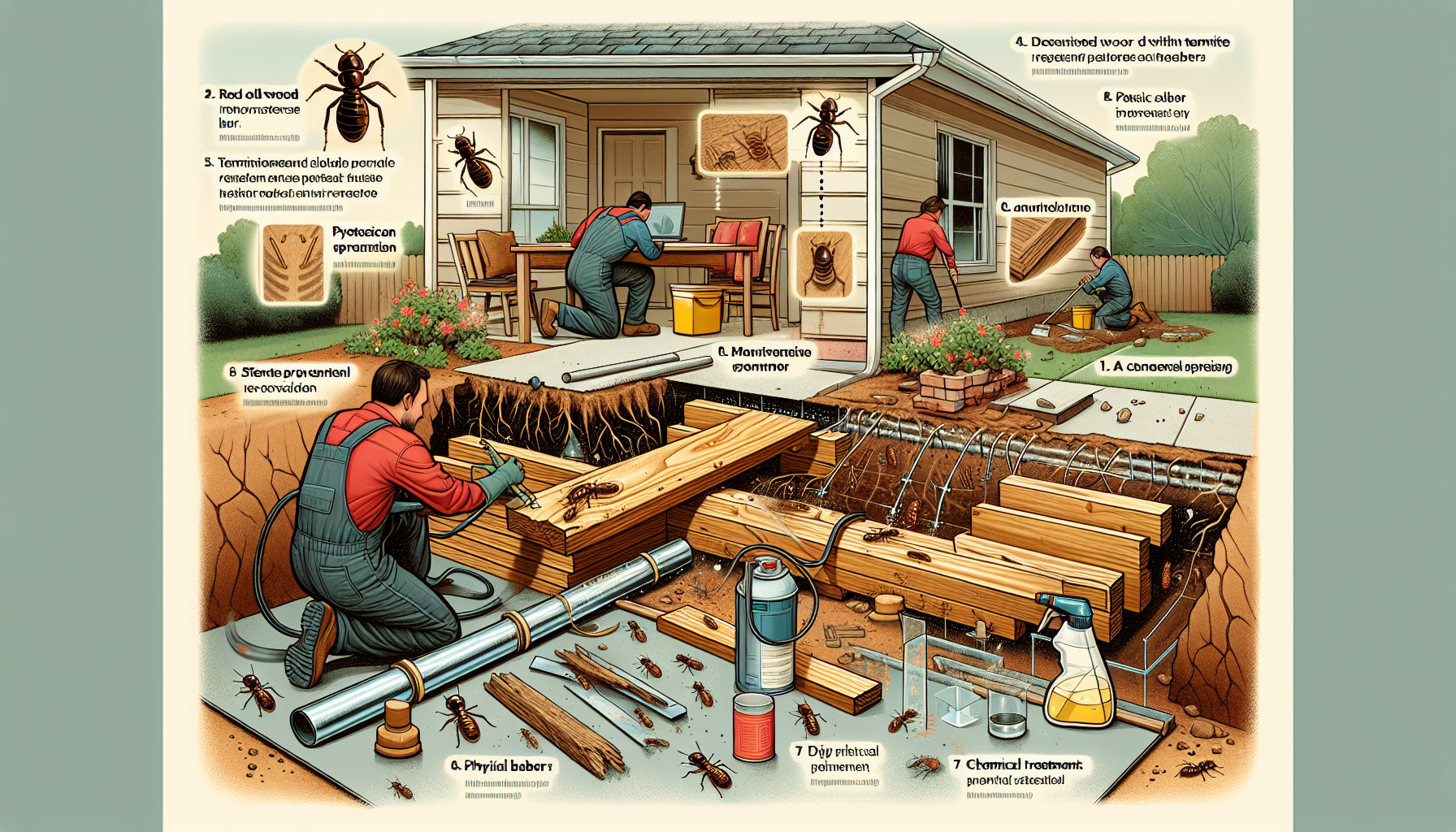
If you enjoy taking matters into your own hands, you can employ several DIY techniques for termite prevention. While these techniques may not replace the expertise of professional pest management services, they can complement them and provide an additional layer of protection against termites.
Use termite-resistant materials
One effective DIY pest control strategy is the use of termite-resistant materials. Opting for woods such as cedar, redwood, and teak, which contain natural oils and densities that deter termites, can be ideal for home construction. Building materials like fiber cement siding, metal, and concrete do not attract termites due to their composition and can be used for siding, foundations, and framing.
Additionally, for landscaping, non-wood mulch or pine needles can be less appealing to termites, thus reducing the likelihood of attracting them to the property.
Install physical termite barriers.
Creating a physical barrier is another effective way to deter subterranean termites from entering the home. Metal termite shields and basaltic particle barriers are examples of physical barriers that can prevent termite intrusion.
To prevent termite access, a physical barrier needs to be maintained, and a separation of at least 4 inches between the soil and wooden elements of the home must be maintained.
Apply chemical termite treatments.
Homeowners can also use boric acid, a borate-based product, as a DIY chemical treatment to help prevent termite infestations. Applying boric acid in liquid or dust form can effectively kill termites and prevent future incursions around the home.
However, patience is critical when using DIY chemical treatments like non-repellent termiticides, as it can take up to 90 days to see results and eliminate existing termites.
Recognizing Early Signs of Termite Infestation
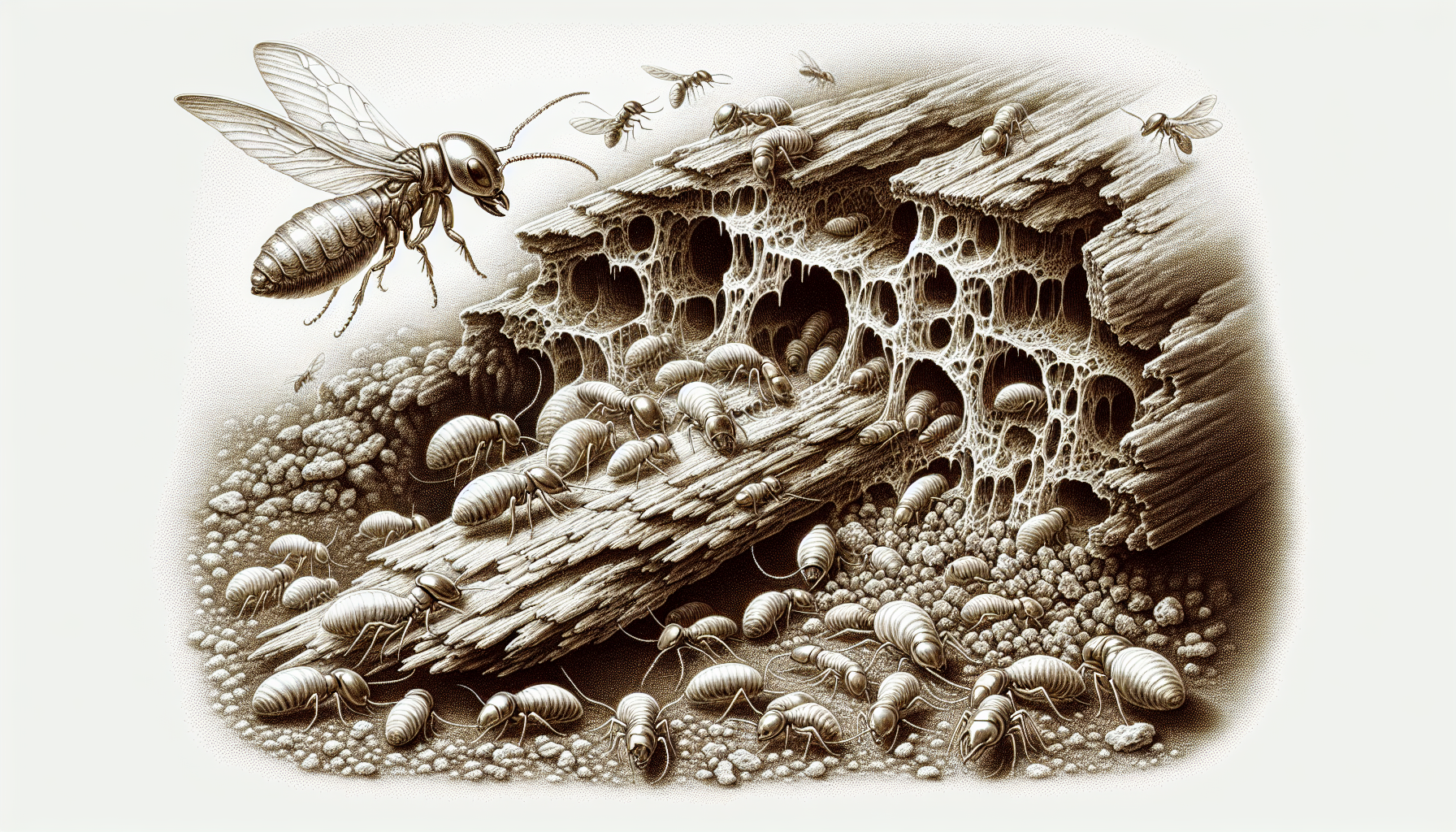
Early detection of termite infestation is vital to preventing extensive damage and reducing repair costs. Identifying the early signs of termite activity can help you take timely action and initiate appropriate measures to control the situation. However, recognizing these signs requires an understanding of what to look for.
In this section, we’ll walk you twe’llh some common indicators of termite activity.
Swarming termites
One of the earliest signs of a termite infestation is the appearance of swarming termites, also known as flying termites. These are termites that have left their nest to start a new colony. The appearance of swarming termites often indicates a mature colony is nearby, as this behavior is part of their reproductive cycle and a sign of potential termite invasion.
So, if you notice swarming termites, it’s time to iniit’se termite control measures.
Hollow or damaged wood
Wood that appears damaged or crumbles easily may signify termite activity, as termites consume it from the inside out, leaving a hollow shell. When tapped, a hollow sound emanating from the wood indicates possible termite infestation because termites eat away the wood internally.
Therefore, regular inspection of your home’s wooden home is crucial. Termites can consume a significant amount of wood quickly, and early detection helps prevent severe damage.
Frass (termite droppings)
The presence of frass, or termite droppings, is another notable sign indicating a potential termite infestation. These droppings can resemble sawdust or tiny piles of pellets expelled through small holes termites make in wood.
Therefore, if you notice piles of what looks like sawdust near wooden structures in your home, it’s time to call the professionals for a thorough termite inspection, as this could be a sign of infested wood.
Are you struggling with Termite Troubles? Contact NYC Extermination Today!
NYC Extermination is here if you’re struggling with termite troubles and need professional help. Standard Pest Management offers termite control services throughout:
- Queens
- Manhattan
- Brooklyn
- The Bronx
- Staten Island
- Lower Westchester
- Western Long Island
We understand that termites can tunnel through wooden structures, causing significant termite damage and making early detection and extermination crucial.
Our team of highly trained technicians is capable of identifying and addressing termite infestations efficiently and effectively. We offer customized treatment plans based on inspecting properties and the conditions that may attract termites, such as wood touching the soil. Our termite extermination strategies include perimeter soil treatments and bait stations, ensuring comprehensive termite control and peace of mind for homeowners.
So, don’t hesitate to contact us if you’re grappling with a termite infestation or want to safeguard your home against potential termite threats. We’re here to protect your sanctuary!
Summary
In conclusion, termite prevention is an essential aspect of home maintenance that requires a strategic approach and regular attention. Whether it’s maintaining a termite-free environment through the elimination of excess moisture and potential food sources, performing essential home maintenance tasks, or recognizing early signs of termite infestation, each step plays a crucial role in safeguarding your home from these damaging pests.
However, it’s important to remember that while DIY methods can offer an additional layer of protection, professional pest management services can provide comprehensive termite control solutions, including regular inspections, customized treatment plans, and ongoing protection. So, whether you’re hands-on or prefer to leave it to the professionals, the key is to stay vigilant, act promptly, and remember—prevention is always better than cure!
Frequently Asked Questions
What keeps termites away from your house?
To keep termites away from your house, eliminate food sources and limit excess moisture with proper drainage. Cut the grass near your home short, and consider using pine needles, pea gravel, or other non-organic material as a barrier between your house and the ground.
Can I protect my home from termites myself?
Yes, you can protect your home from termites by treating lumber, eliminating decaying wood and standing water sources, and regularly checking for signs of termites. Taking these measures can help prevent termite infestations.
What scent keeps termites away?
Use orange, neem, garlic, cinnamon, vinegar, mint, or citrus scents to repel termites. These odors are known to be effective in keeping termites away.
Is preventative termite treatment worth it?
Yes, preventative termite treatment is worth it because termites can cause significant damage to your home, leading to expensive repairs.
How often should I inspect my home for termites?
You should inspect your home for termites annually, and in warmer climates, consider inspections two to three times a year. Regular inspections can help prevent termite damage.
Featured Photo by adrian alva on Unsplash
Recent Comments