
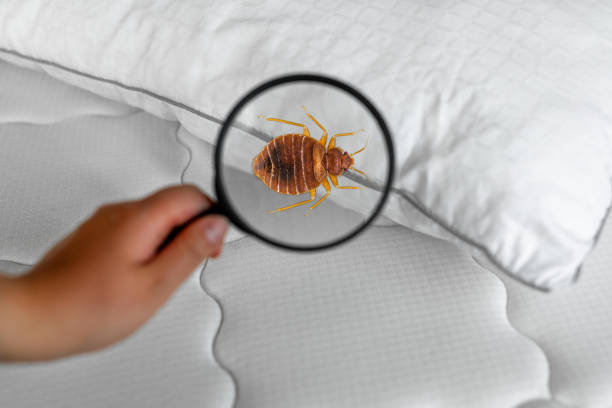
Imagine waking up with itchy, red bites and tiny blood stains on your sheets. You wonder if it’s mosquitoes, allergies, or something worse—bed bugs. These small, reddish-brown insects, about the size of an apple seed, feed on human blood and hide in mattress seams, box springs, headboards, furniture crevices, and baseboards. For bed bugs, use a flashlight to check mattress seams, box springs, headboards, and surrounding furniture for bed bugs. Look for translucent shed skins, dark fecal patches, or small, flat, reddish-brown insects. Because they hide in small spaces, look for cracks and crevices within five to eight feet of the bed.
Key Takeaways
- Bed bugs are tiny, blood-feeding insects that are extremely good at hiding.
- Early detection is crucial to prevent a full-blown infestation.
- Inspect beds, furniture, walls, and carpets regularly to catch them early.
- Professional assistance may be needed if bed bug infestation signs are widespread or persistent.
- Preventive measures and routine checks can significantly reduce the risk of future infestations.
Signs of a Bed Bug Infestation
Knowing the early signs of bed bugs is the first step in taking action before the problem worsens. Some common indicators include:
- Bloodstains on sheets or mattresses: Often small and faint, these spots are caused by crushed bed bugs after feeding.
- Dark spots on bedding or furniture: These are bed bug excrement, which can leave a musty or rusty odor.
- Shed skins (exoskeletons): As bed bugs grow, they shed their outer shells.
- Red, itchy welts or rashes: Bites usually appear in a linear or clustered pattern on exposed skin, such as arms, legs, or neck.
- Eggs: Tiny, white, and about the size of a pinhead, eggs are often found in mattress seams or crevices in furniture.
Spotting even a single one of these bed bug infestation signs should prompt a thorough inspection. Early recognition can prevent a minor problem from turning into a widespread infestation.
Step-by-Step Guide to Check for Bed Bugs
A detailed bed bug exterminator in NYC inspection at home requires patience and a methodical approach. Here’s a step-by-step guide to help you identify if your home is at risk of pest infestation:
Start with the Bed
- Inspect seams, tags, folds, and piping of mattresses and box springs.
- Check under the bed frame and around headboards.
- Use a flashlight to detect dark spots, shed skins, or tiny moving insects.
- Don’t forget to lift mattress pads and inspect beneath them.
Inspect Furniture
- Examine cracks, crevices, and joints in sofas, chairs, and other upholstered furniture.
- Remove cushions and check between the frame and upholstery for signs of bed bugs.
- Look for dark droppings or eggs hidden in the fabric seams.
Check Walls, Carpets, and Baseboards
- Inspect along baseboards, behind wall hangings, and behind wallpaper.
- Check carpets and rugs near sleeping areas for excrement or shed skins.
- Pay attention to cracks or gaps in walls and flooring where bed bugs might hide.
Use Tools to Aid Inspection
- A magnifying glass can help identify eggs or small nymphs.
- Sticky tape can collect samples for closer examination.
- Consider using a flashlight at different angles to catch hidden insects.
Learning how to check a mattress for bed bugs is crucial since the bed is their primary feeding site. Performing this inspection regularly, especially in multi-person households, increases the chance of early detection.
Prevention Tips
Preventing bed bugs is easier than eliminating them after an infestation. Here are some practical measures to reduce risk:
- Inspect bedding, mattresses, and furniture regularly.
- Use bed bug-proof mattress encasements to trap and prevent pests.
- Take precautions when traveling: check hotel rooms, keep luggage off the floor, and inspect luggage upon returning home.
- Seal cracks and crevices in walls, baseboards, and furniture to reduce hiding places.
- Avoid bringing in second-hand furniture without inspecting it thoroughly.
Simple steps like these can make a significant difference in preventing bed bug infestations before they start.
When to Call a Professional
Even with careful inspections, some infestations require expert intervention. Call a licensed pest control service in NYC if:
- You notice multiple bed bug infestation signs.
- DIY treatments fail to stop recurring bites or sightings.
- The infestation appears to spread quickly to other rooms.
Professionals have access to specialized tools and safe treatments that target all life stages of bed bugs, including eggs. A professional bed bug inspection at home ensures complete eradication and prevents further infestations.
Conclusion
Catching bed bugs early is key to protecting your home, health, and peace of mind. Recognizing signs of bed bugs, performing regular inspections, and taking preventive measures can prevent minor infestations from becoming a serious problem. When necessary, contacting a professional ensures the problem is resolved safely and effectively. Remember, how to find bed bugs quickly and act promptly is the best strategy to keep your home comfortable and bug-free.
Frequently Asked Questions
Recent Comments