

Unveiling the intricacies exploring different types of termites begins with understanding their diverse lifestyles and impacts. From the underground networks of subterranean termites to the concealed colonies of drywood and the moisture-driven world of dampwood termites, this article strips back the layers of mystery. Get equipped with crucial insights into their behavior, societal organization, and the challenges they bring to human habitats—all distilled into actionable knowledge for homeowners and professionals alike.
Key Takeaways
- Termites cause significant economic damage globally, and prevention measures include regular inspections for signs of activity, using termite-resistant materials, and maintaining low moisture levels.
- Subterranean termites can be identified by their straight antennae and two pairs of wings of equal length; they build mud tubes and underground colonies, causing substantial damage over time to wooden structures.
- Drywood termites live within the wood they consume and can be detected by fecal pellets and tapping noises; dampwood termites prefer moist environments, and both types require specific strategies for effective control and prevention.
Termite Classification and Characteristics
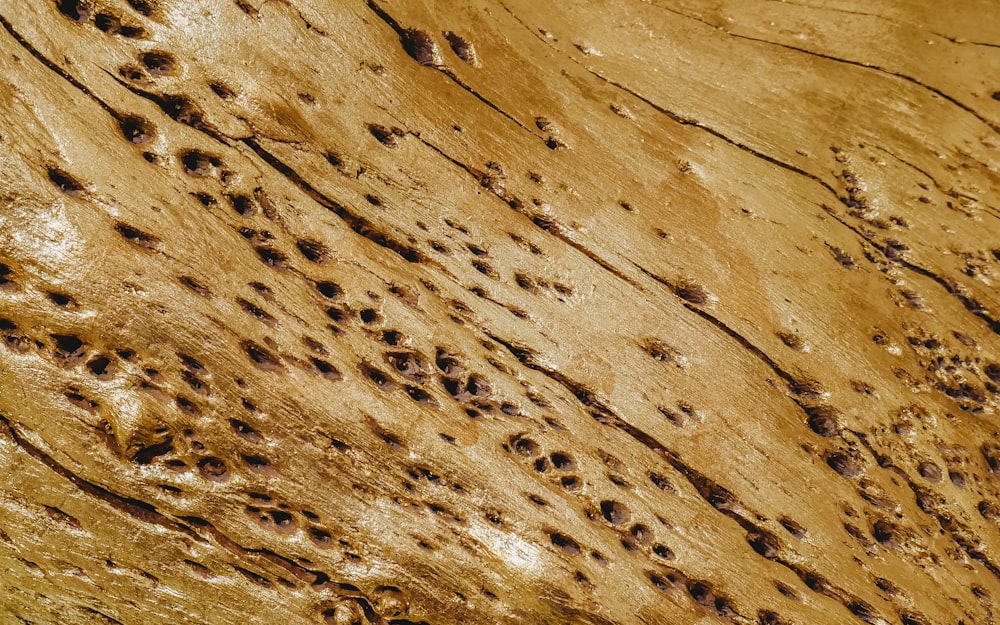
Photo by Roberto Carlos Román Don on Unsplash
Termites are fascinating creatures with a complex social structure and a voracious appetite for cellulose-rich materials like wood and plants. They can be categorized into different types such as subterranean, drywood, and dampwood termites, each with their unique characteristics and behaviors.
We’ll delve into the intricacies of these types in the following sections.
Social Structure of Termites
Termites live in well-organized colonies, much like ants and bees. Each colony consists of:
- Workers: the labor force of the colony, carrying out tasks such as foraging for food, constructing nests, and nurturing the offspring. These tireless workers are the ones responsible for the damage caused to human structures.
- Soldiers: responsible for defending the colony against predators.
- Reproductive individuals: responsible for reproducing and expanding the colony.
The different types of termites in a colony are:
- Workers, who are responsible for building and maintaining the nest, as well as foraging for food
- Soldiers, who defend the colony with their enlarged heads and mandibles
- Reproductive termites, who take flight during the mating season to establish new colonies and expand the termite population.
Each type of termite has a specific role in the survival and growth of the colony, contributing to its ecological significance. This is also true for other termite species, which play vital roles in their respective ecosystems.
Feeding Habits and Preferences
The feeding habits of termites are quite diverse and depend on the termite species. Subterranean termites, for instance, prefer feeding on spruce and decayed wood. As termites feed on cellulose-rich substances, their large colonies make them a significant threat to wooden structures.
Dampwood termites, on the other hand, prefer wood with high moisture content. They exhibit a strong preference for moist wood. This makes water-damaged structures particularly susceptible to their infestations.
Drywood termites, as their name suggests, prefer dry wood and can cause severe damage to furniture and other wooden items in the home.
Nesting Behaviors and Colony Formation
Termite nesting behaviors and colony formation are another fascinating aspect of their termite behavior. Termites construct intricate nests, which are essentially the foundation of termite colonies, using a mixture of fecal matter, wood fragments, sand grains, dust, and saliva. These nests take various forms and can be found above ground, partially above ground, or entirely underground.
Of particular interest is the fact that some termite species, like drywood termites, live within the wood they consume. These termites are attracted to the moisture and cellulose content present in the wood, making them a hidden threat within wooden structures.
Subterranean Termites: The Underground Menace
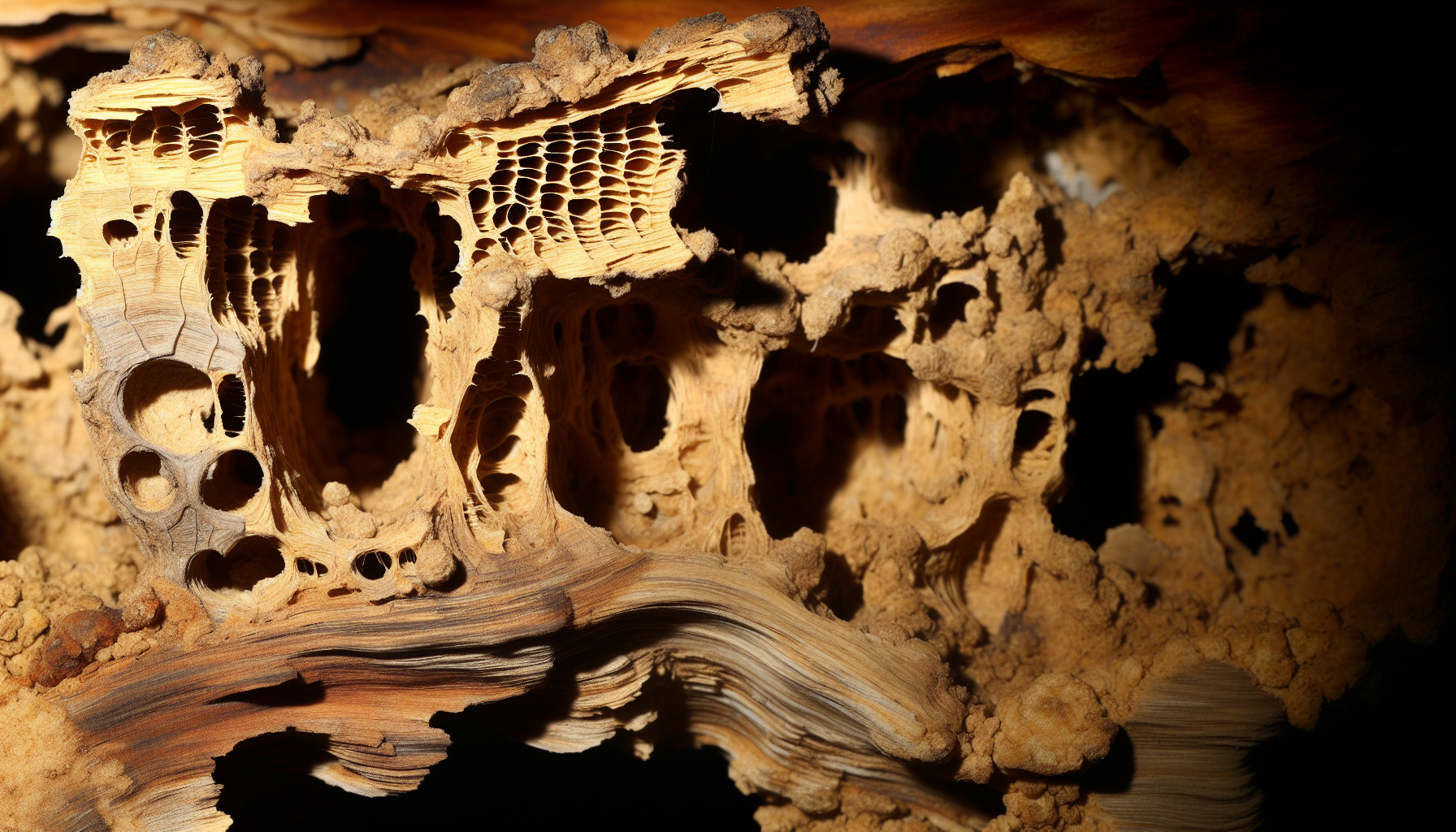
Among the various termite species, subterranean termites are particularly notorious. These termites construct elaborate mud tubes and have vast underground colonies. Understanding the behavior and characteristics of these termites is key to protecting your property from extensive damage.
Identifying Subterranean Termites
Identifying subterranean termites can be a bit of a challenge due to their subterranean habitat. However, certain physical characteristics can help in their identification. Subterranean termites exhibit:
- Straight antennae
- Two pairs of wings of equal length
- Typically measure between 1/8 to 1 inch in length
- Display a light cream or beige color
Termite wings can also provide clues for their identification. The wings of subterranean termites show two hardened and thickened veins visible along the entire front end. Keep in mind that winged reproductive termites are approximately ½ inch long, which makes them larger than workers and soldiers.
Damage Caused by Subterranean Termites
Subterranean termites can cause substantial damage to wooden structures. They feed on cellulose-rich materials, weakening the structural integrity of buildings over time. The estimated global annual cost of this damage and related control measures is approximately $20 billion, highlighting the economic impact of these pests.
It can take an average of three to five years for subterranean termites to cause noticeable damage to a structure. This often comes as a surprise to many property owners, leading to delayed detection and increased damage. Therefore, recognizing the signs of termite damage, such as paint bubbling and peeling, small cracks, and stuck windows or doors, is vital.
Prevention and Control Measures
Effective prevention and control measures for dealing with subterranean termites include:
- Regular inspections of plumbing for leaks
- Ensuring appropriate drainage around the foundation
- Waterproofing homes to reduce moisture, which attracts termites.
In addition to these measures, using termite-resistant materials in home construction can also prove beneficial. Professional pest control services offer a range of techniques for termite control, including comprehensive inspections, monitoring stations and baiting systems, and the application of liquid termiticides.
Drywood Termites: The Hidden Threat
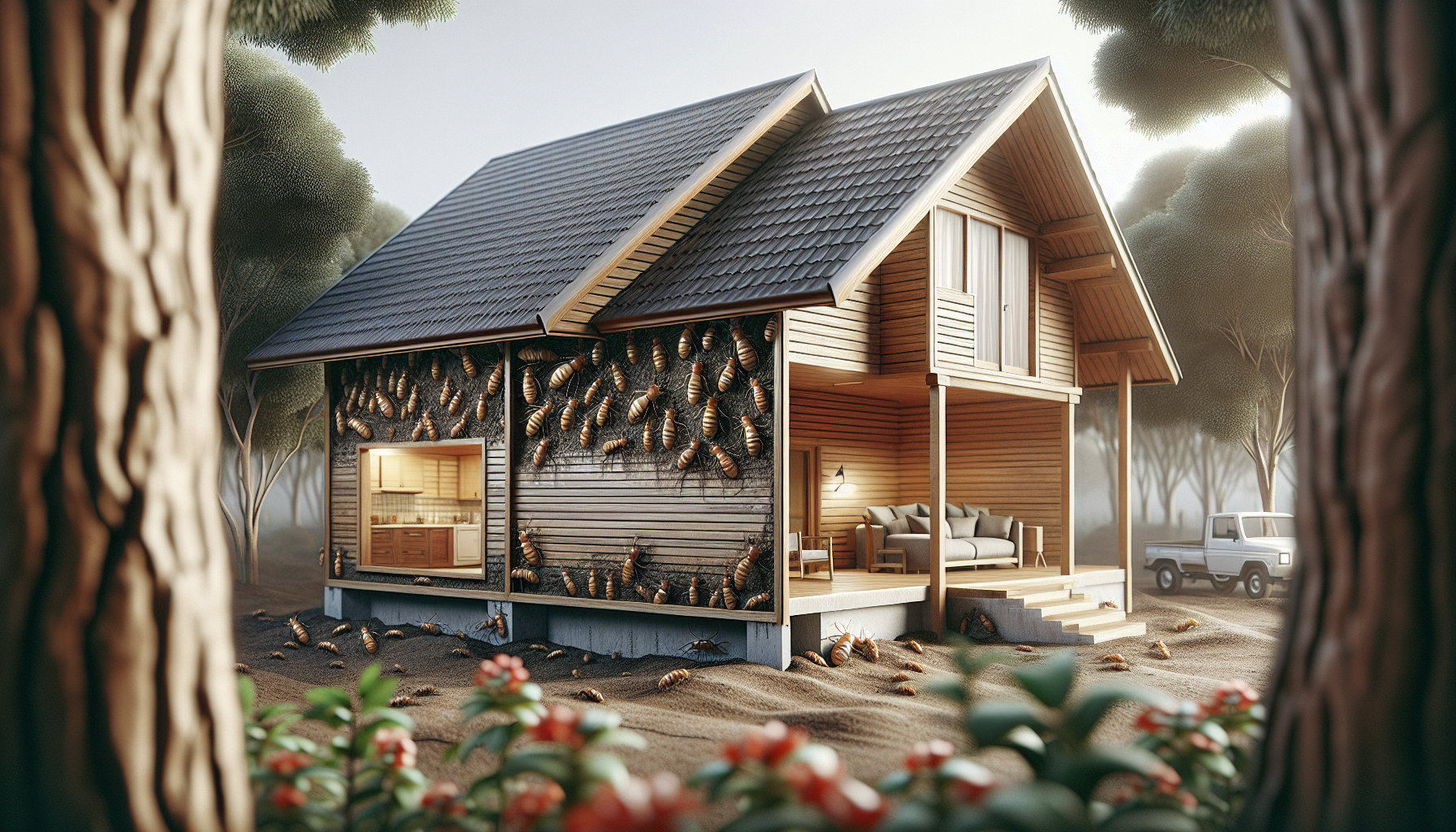
Drywood termites, as the name suggests, infest dry wood. Unlike dampwood and subterranean termites, they can live within the wood they consume, making them a hidden threat within wooden structures. They can cause extensive damage to furniture and other wooden items in the home.
Identifying Drywood Termites
Drywood termites exhibit a range of colors from dark brown to light yellow-tan. They have two pairs of wings of equal length with distinctive veins. They typically measure between 1/4 to 3/8 inches, making them larger than subterranean termites.
Drywood termite infestations can be identified by the presence of small piles of fecal pellets and discarded wings. In addition, tapping noises coming from walls or wooden furniture may also be an indication of an infestation. These signs, coupled with their physical characteristics, can help in the identification of drywood termites.
Damage Caused by Drywood Termites
Drywood termites can cause considerable damage to wooden structures. They can:
- Hollow out wood, leaving behind a thin outer layer that can easily crumble
- Result in sagging floors
- Cause loose tiles
- Create pinpoint holes in drywall
The financial implications of drywood termite infestations are significant. The overall global economic impact of termite damage, including that from drywood termites, is estimated to be around $40 billion per year. Therefore, early detection and control of drywood termites are essential to prevent costly repairs.
Prevention and Control Measures
Prevention and control measures for drywood termites include using pressure-treated wood and sealing cracks and crevices. Pressure-treated wood is treated with chemical preservatives, making it unattractive to termites. Sealing cracks and crevices can deter drywood termites from entering the home.
Regular inspections can also aid in the timely identification and management of drywood termite infestations. During these inspections, look for signs of termite activity such as:
- Frass (termite droppings)
- Distinctive clicking noises
- Flying termites
- Discarded wings
Dampwood Termites: The Moisture Lovers

Dampwood termites thrive in environments with high moisture levels. These termites are typically larger than drywood and subterranean termites and can cause significant damage to water-damaged structures.
We’ll now examine these moisture-loving termites in more detail.
Identifying Dampwood Termites
Identifying dampwood termites involves examining their physical characteristics and observing signs of their presence. These termites have the following physical characteristics:
- Approximately ½ inch in length
- Brown color
- Three distinct body segments
- Shiny reddish-brown abdomen
- Six legs
Dampwood termites have a preference for wood that has a high moisture content, which is provided by moist, decaying wood. This type of environment is ideal for their survival and development. Signs of a dampwood termite infestation include wood that produces a hollow sound when tapped, wood that feels soft or squishy, and the presence of discarded wings from swarmers.
Damage Caused by Dampwood Termites
Dampwood termites can cause extensive damage to wooden structures, particularly those with high moisture content. They hollow out support beams, resulting in significant structural damage and requiring expensive repairs.
The moisture content of wood significantly impacts the damage caused by dampwood termites. Wood with high moisture content is more susceptible to damage, including weakening by fungus, which can exacerbate the structural harm caused by these termites.
Prevention and Control Measures
Mitigating moisture issues and utilizing termite-resistant materials form the cornerstone of prevention and control measures for dampwood termites. Repairing leaks and rectifying any current moisture issues can help reduce the conditions that attract dampwood termites.
Termite-resistant materials that can help in preventing infestations by dampwood termites include:
- Insulated metal
- Concrete
- Redwood
- Bald cypress
- Mahogany
- Cedar
Termite Control and Management Strategies
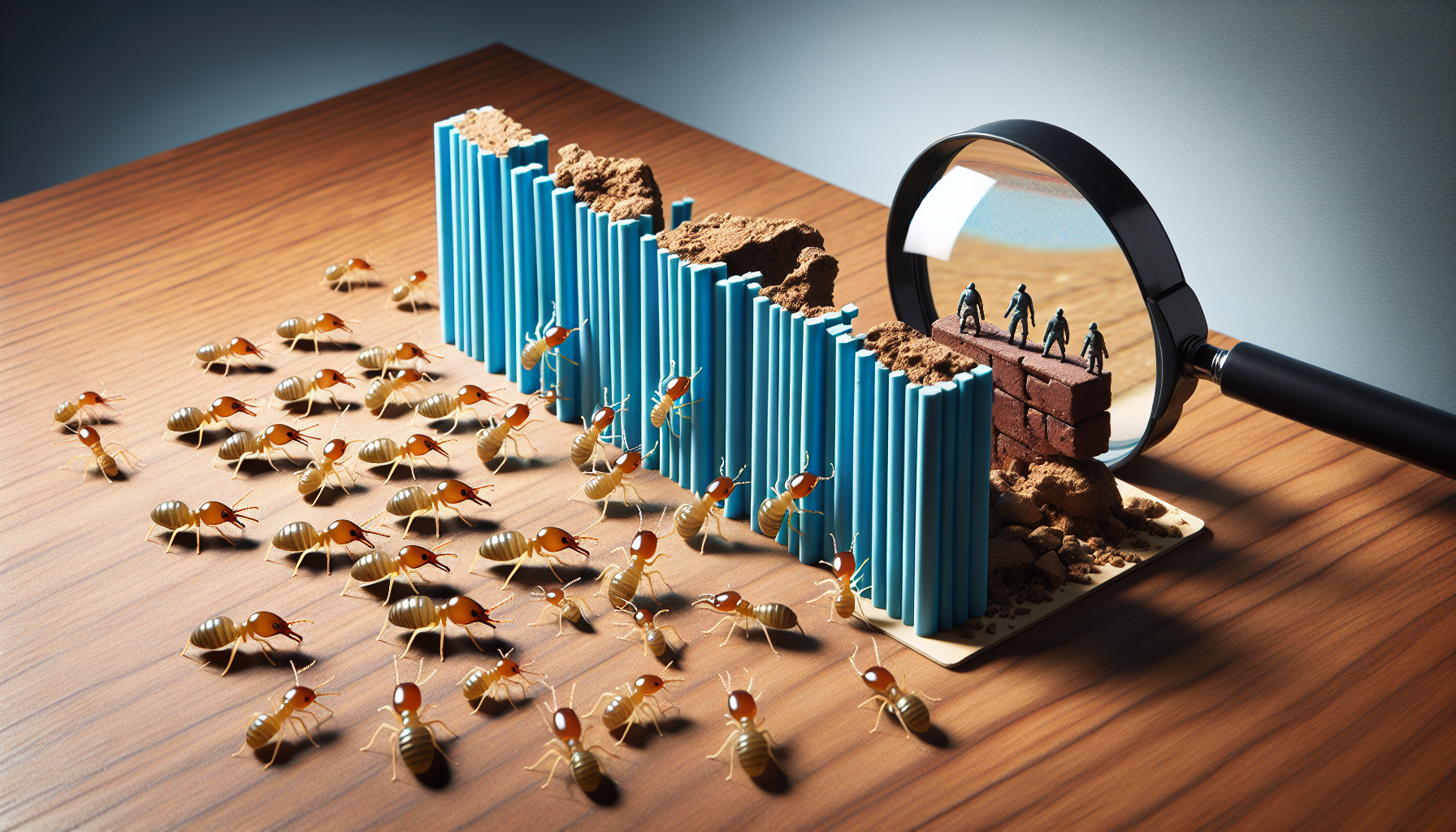
Implementing effective termite control and management strategies is a must to prevent infestations and minimize damage to structures. These strategies include the use of chemical treatments and baits, physical barriers, and regular inspections and monitoring.
Chemical Treatments and Baits
Chemical termite treatment options and baits can be used to control termite populations. Some of the most effective chemical solutions for termite management include Termidor, Fipronil, and imidacloprid. Termite baiting systems function by weakening and softening the termite’s exoskeleton and mandibles, leading to their death during the molting process.
While these treatments can be effective, professional consultation is necessary to determine the best approach. Liquid termiticides, for example, can remain effective for up to ten years, but it is advised to conduct annual inspections to ensure continued protection against termites.
Physical Barriers and Preventative Construction Techniques
Physical barriers and preventative construction techniques can also help protect structures from termite infestations. These include the use of stainless steel mesh, crushed rock, and sand barriers. Additionally, using construction materials such as steel, concrete, and treated wood can serve as barriers to termite intrusion.
It’s also recommended to integrate the Termimesh System into the foundation before pouring the concrete slab during the construction of a structure. This system covers pipe clusters, construction joints, and the perimeter veneer to effectively exclude termites.
Regular Inspections and Monitoring
Regular inspections coupled with diligent monitoring play a key role in detecting termite activity and warding off future infestations. Termite inspections should be conducted at least annually, particularly in warm and moist climates. During these inspections, look for signs of termite activity such as tubes or damaged wood.
Professional termite monitoring typically encompasses the utilization of termite baiting systems for the purpose of detecting the presence of termites and eliminating them. These systems, coupled with regular inspections, can ensure the early detection and effective control of termite infestations.
Let NYC Extermination Help You Get Rid Of Termites
Dealing with termites can be a daunting task, but you don’t have to do it alone. NYC Extermination offers professional termite control services to help you protect your property from termite damage and ensure a safe living environment.
NYC Extermination provides effective, safe, and cost-effective termite control solutions, utilizing certified technicians to guarantee property safety. Whether it’s the Active Colony Elimination (A.C.E.) Treatment for a specific infestation or a full home treatment, NYC Extermination is equipped to handle all your termite problems.
Summary
Understanding different types of termites, their behaviors, and the potential damage they can cause is crucial in protecting your property. By being proactive and implementing effective termite control and management strategies, you can prevent costly repairs and ensure a safe living environment. Remember, early detection and regular inspections are key in battling termite infestations.
Frequently Asked Questions
How do I identify different types of termites?
To identify different types of termites, look for their color and body structure. Subterranean termites are solid black, drywood termites are solid red, and carpenter ants are typically red and black or dark brown. Additionally, termites have a long body with no small segments attached.
What is the most damaging type of termite?
The most damaging type of termite is the Formosan termite due to its aggressive nature, large colonies reaching up to 300 feet, and potential to contain over 10 million individual termites in one colony.
Are there termites that don’t eat wood?
Yes, there are termites that don’t eat wood. They eat anything that contains cellulose, which is found in various types of plants.
What is the difference between ground termites and wood termites?
The main difference between ground termites (subterranean termites) and wood termites (drywood termites) is that drywood termites infest dry wood and do not require contact with the soil, while subterranean termites need contact with the soil or water to survive. This results in different points of attack on your property.
How can I prevent termite infestations?
To prevent termite infestations, focus on reducing moisture, using termite-resistant materials, sealing cracks and crevices, and scheduling regular inspections of your property. These measures can help protect your home from termite damage.
Recent Comments