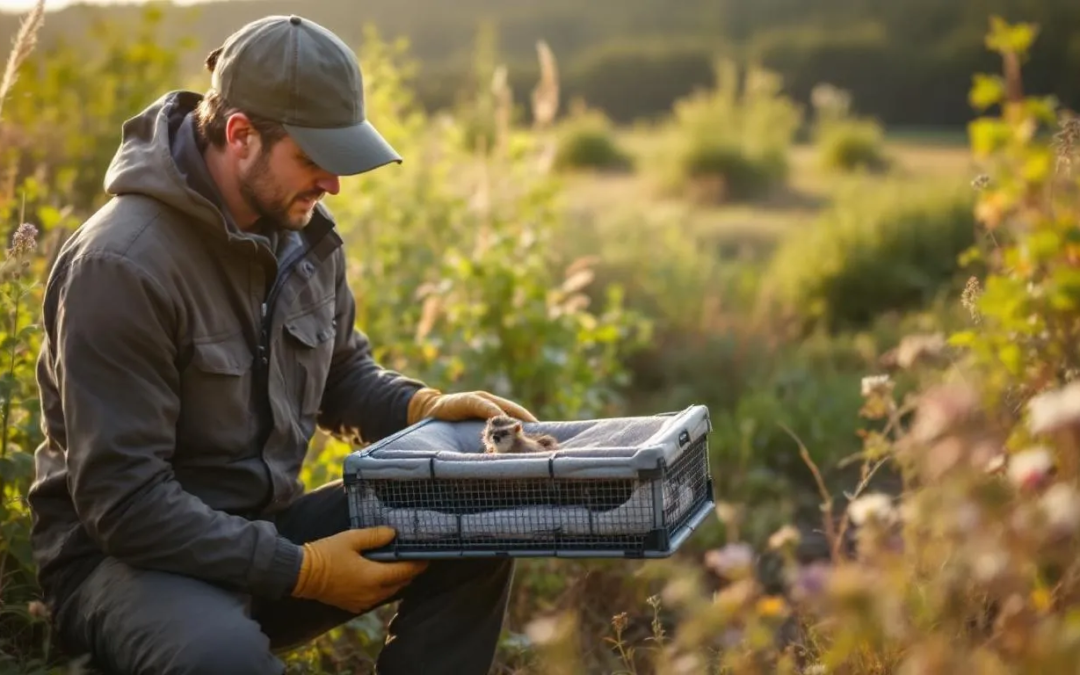
Relocation is a key component of humane wildlife control, particularly highlighting the role of relocation in humane wildlife control, as it aims to move animals to safer habitats while minimizing human-wildlife conflicts. This article covers the benefits, challenges,...
If you suspect wildlife in your home, identifying the signs quickly is essential. This guide will show you how to identify signs of wildlife in your home, from unusual noises to visible damage, so you can take action promptly. Key Takeaways Listen for unusual noises...
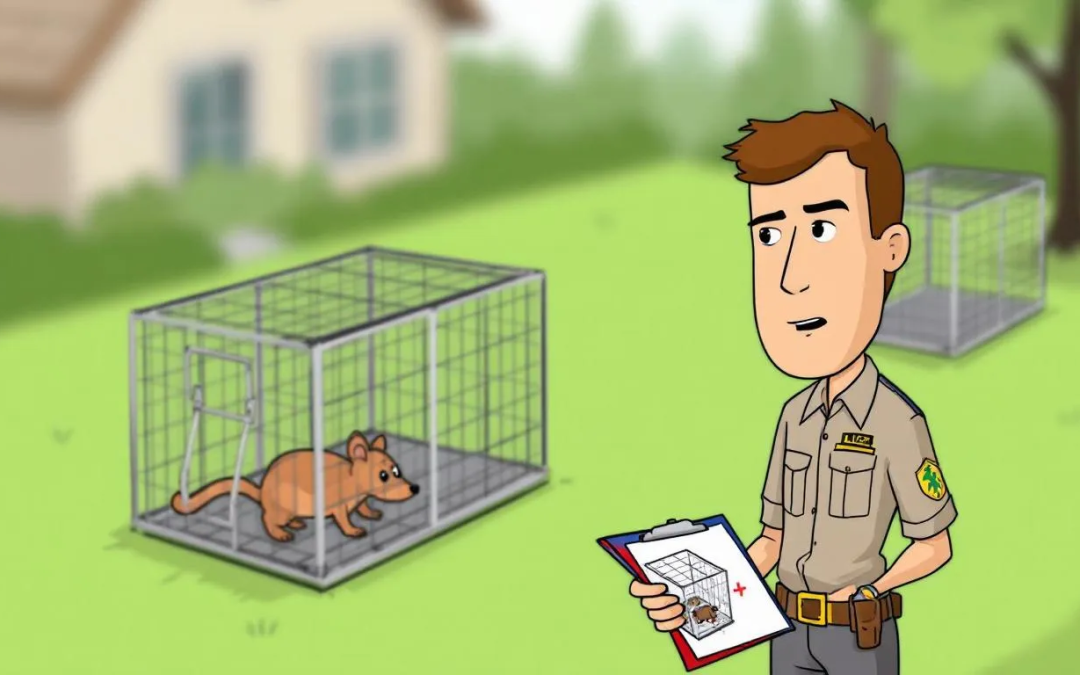
Struggling with wildlife on your property? Understanding what is the difference between wildlife trapping and extermination is key. Trapping humanely captures and relocates animals, while extermination uses lethal methods to eradicate pests. This article breaks down...
How can you tell if you have a wildlife problem in your home? Look for signs like unusual noises at night, droppings, chew marks on wires or wood, and visible damage. Identifying how to tell if you have a wildlife problem early helps in preventing bigger issues. This...
Spotting the signs you need humane wildlife trapping can save you from bigger problems. From unusual animal activity to property damage, early detection is key. In this guide, you’ll learn how to spot the signs you need humane wildlife trapping, what specific signs to...
Wildlife trapping for squirrels is essential for home protection to prevent structural damage and health risks. Squirrels can chew through wiring, leading to fires, and spread diseases. This article explains why wildlife trapping for squirrels is essential for home...




Recent Comments