Can heat kill bed bugs at every life stage? Here’s what experts say: yes. By reaching specific temperatures, heat treatments can eliminate bed bugs from eggs to adults. This article explores how heat affects each life stage and offers professional advice on effective treatment.
Key Takeaways
- Heat treatment effectively eliminates bed bugs at all life stages, requiring specific temperatures: 125°F for eggs, 120°F for nymphs, and 118°F for adults, with sustained exposure necessary for complete eradication.
- Proper preparation for heat treatment includes decluttering, removing heat-sensitive items, and ensuring pet safety, as these steps maximize heat penetration and treatment efficacy.
- Common myths about heat treatment, such as it being a one-time fix or safe for DIY attempts, are misleading; professional intervention is essential for effective and safe bed bug extermination.
Understanding Bed Bug Life Stages
Bed bugs undergo three primary life stages:
- Eggs
- Nymphs
- Adults. Each stage presents unique challenges and vulnerabilities that demand specific strategies for effective elimination. Overlooking any stage can lead to the survival and multiplication of bed bugs.
Examining each life stage reveals how heat treatment can effectively target and eliminate bed bugs.
Bed Bug Eggs
Bed bug eggs are minuscule, measuring about 1 millimeter, and have a shiny, pearl-white appearance that makes them difficult to detect. Despite their small size, they are resilient and can withstand various environmental conditions. An egg can be easily overlooked in such environments.
Heat treatment can effectively kill bed bug eggs if temperatures reach 125°F, making it a powerful tool for eliminating eggs hidden in mattresses, box springs, and other infested items.
Nymphs
Nymphs, or juvenile bed bugs, molt through five stages before reaching adulthood. During these molting phases, they are particularly vulnerable to heat treatment. Prolonged exposure to temperatures above 120°F can effectively kill nymphs.
Eradicating nymphs during their molting stages is crucial since they cannot withstand the high heat needed for effective treatment.
Adult Bed Bugs
Adult bed bugs are notoriously resilient and can withstand a range of temperatures, making them challenging to eliminate. However, they become vulnerable when exposed to temperatures above 118°F for an extended period. During heat treatment, adult bed bugs display erratic behavior as they succumb to the high temperatures, ensuring their complete extermination.
Effectively killing adult bed bugs requires:
- Maintaining temperatures of at least 118°F for 90 minutes.
- Ensuring consistent high temperatures throughout the treatment area to allow thorough penetration.
- Accounting for the surrounding environment and materials where bed bugs hide.
This approach guarantees that all adult bed bugs, even those hiding deep within clutter or furniture, are eradicated.
The Science Behind Heat Treatment
Heat treatment is a highly effective method for eradicating bed bugs at all life stages, including eggs. Sustaining temperatures between 130°F and 145°F allows bed bug heat treatment to quickly and thoroughly eliminate bed bugs.
The success of this method depends on several factors, including the size of the infestation, the type of structure, and the potential for bed bugs to escape to cooler areas during treatment. Understanding the science behind heat treatment can help homeowners appreciate its effectiveness and prepare accordingly.
Thermal Death Point
The thermal death points and treatment methods for bed bugs are as follows:
- Bed bug eggs require a thermal death point of 122°F.
- Adult bed bugs and nymphs require exposure to temperatures around 118°F to be exterminated.
- Complete elimination requires maintaining temperatures above 120°F for around 90 minutes.
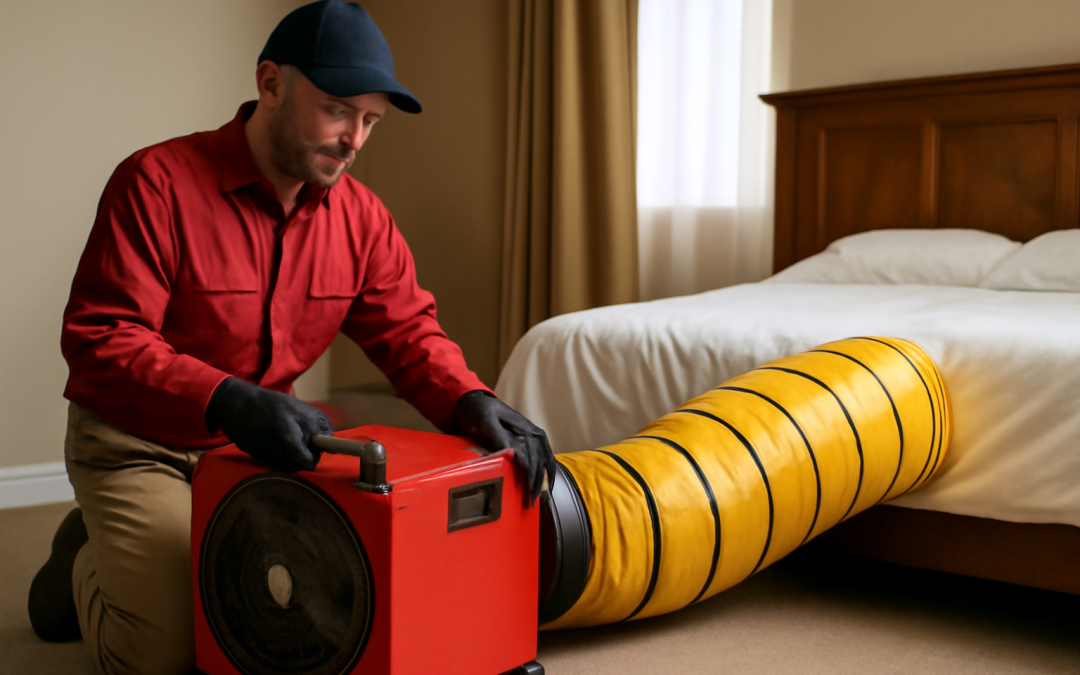
- Professionals often use portable electric or propane heaters, along with air movers, to achieve and distribute the necessary heat evenly throughout the treatment area.
Specialized heaters and air movers ensure effective heat penetration, reaching bed bugs hiding in various materials and locations within the home. This thorough approach is essential to achieve a 99% mortality rate for bed bugs and their eggs.
Heat Penetration
Effective heat treatment requires a deep understanding of how heat penetrates different materials and areas within a home. Common hiding spots for bed bugs, such as behind baseboards, within furniture seams, and inside wall voids, can be challenging to reach. To ensure these areas receive sufficient heat, professionals use air movers to distribute heat uniformly and reach even the most concealed hiding spots.
Addressing gaps behind furniture, under appliances, and inside wall cavities is crucial for effective extermination, as overlooking these areas can lead to surviving bed bugs and reduced treatment effectiveness. Therefore, a comprehensive approach to heat treatment is necessary to eliminate bed bugs from all potential hiding places.
Preparing for Heat Treatment
Proper preparation maximizes heat treatment effectiveness and ensures safety with minimal preparation. This includes decluttering the home, removing heat-sensitive items, and ensuring pet safety.
By following these steps, homeowners can create an environment where heat can penetrate all areas and effectively eliminate bed bugs.
Decluttering
Clearing away clutter allows heat to reach all areas, including hard-to-reach areas where bed bugs may be hiding, penetrating mattresses, furniture, carpets, walls, and cracks.
An uncluttered space ensures more efficient treatment, eradicating bed bugs from various household surfaces and creating more spaces for effective cleaning, including beds.
Removing Heat-Sensitive Items
Before heat treatment, remove or protect heat-sensitive items like aerosol cans, electronics, and fresh food to prevent damage.
Protect valuable electronics and sensitive items by removing or covering them appropriately to ensure their safety during heat treatment.
Pet Safety
Relocate pets during heat treatment to prevent harm and enhance effectiveness, moving them away from the treatment area to rid them of any potential danger before the process begins.
This precaution not only protects the animals but also contributes to the overall success of the feeding treatment.
The Heat Treatment Process
The heat treatment process involves setting up equipment, monitoring temperatures, and ensuring the treatment duration is sufficient to eliminate all bed bugs. Professional heat treatments use industrial heaters and safety protocols to minimize risks and maximize effectiveness.
Informing neighbors before treatment helps prevent bed bugs from fleeing to adjacent areas.
Setting Up Equipment
Professional heat treatments use industrial heaters to reach necessary temperatures for bed bug eradication, with safety protocols in place to protect household items and minimize damage.
Proper preparation and monitoring allow heat treatments to be performed safely without harming homes.
Monitoring Temperatures
Continuous temperature monitoring ensures they remain within the required range, with technicians using infrared thermometers to monitor effective heat penetration.
Rigorous monitoring is critical for eliminating bed bugs at all life stages during heat treatment.
Duration of Treatment
A typical heat treatment for bed bugs lasts 6 to 8 hours, varying based on the size of the area and severity of the infestation.
Infested objects should be heated for three to five hours to ensure effective bed bug eradication.
Post-Treatment Steps
Thorough follow-up actions after heat treatment are necessary to ensure bed bugs do not return, including inspecting for survivors, cleaning up, and taking preventive measures.
Inspecting for Survivors
Post-treatment inspections are crucial to ensure no surviving bed bugs remain, looking for evidence like dead bugs, shed skins, and feces. Inspections help confirm that the bed bugs have survived the treatment.
Check bed bug interceptors weekly for signs of resurgence. Document any findings and take prompt action if bed bugs are detected.
Cleaning Up
Regular vacuuming and washing items in hot water are essential for maintaining a bed bug-free environment post-treatment. Vacuum up dead bugs and wash bedding in hot water, drying it on a high setting to ensure all bed bugs are killed.
This ongoing cleaning routine helps maintain a bed bug-free environment.
Preventing Future Infestations
Prevent re-infestation by sealing entry points and regularly inspecting for signs of bed bugs. Using bed bug-proof encasements on mattresses can help kill bed bugs and prevent future infestations.
Re-infestation can occur from neighboring units or during travel, so ongoing vigilance and preventive measures against new infestation are crucial.
Common Myths About Heat Treatment
Many misconceptions exist about heat treatment for bed bugs. It is important to debunk these myths to ensure accurate information is available.
Common myths include believing heat treatment is a one-time fix, that DIY treatments are effective, and that heat treatment damages your home.
Myth: Heat Treatment is a One-Time Fix
Heat treatments can be effective, but may not be sufficient alone as a single treatment solution. Severe infestations often require more than one treatment to completely eradicate the problem.
Continuous monitoring and potential follow-up treatments are necessary to prevent bed bugs from returning.
Myth: DIY Heat Treatments are Effective
Attempting heat treatment without professional guidance can lead to ineffective results and safety hazards. DIY heat treatments lack the rigorous monitoring and advanced equipment of professional methods, resulting in incomplete extermination.
Rely on professional heat treatments for highly effective results.
Myth: Heat Treatment Damages Your Home
When performed by trained professionals, heat treatment is effective against bed bugs and safe for your home and family. Professionals conduct thorough assessments and prepare homes to minimize risks, ensuring safety for occupants.
Precautions include protecting sensitive items from heat exposure and ensuring proper ventilation during treatment.
When Heat Treatment May Fail
Heat treatment may not eliminate all bed bugs due to inconsistent temperature reach. Factors like airflow and insulation can influence the length and effectiveness of a heat treatment session.
Severe infestations of bed bugs often require multiple treatments due to the possibility of surviving bed bugs.
Insufficient Exposure
The success of heat treatment relies on thorough heat application. Consistent high temperatures are necessary to ensure all bed bugs, regardless of their life stage, are killed.
Proper execution of heat treatment requires attention to detail to prevent missed specific areas, enhancing the chances of complete eradication.
Missed Areas
Heat treatment effectiveness depends on how well heat penetrates various materials and areas, ensuring hidden bed bugs are reached. Decluttering prior to heat treatment allows better heat circulation and access to all potential hiding spots for bed bugs.
Remove or protect heat-sensitive items to avoid compromising treatment effectiveness. Insufficient exposure to lethal temperatures can result in surviving bed bugs, emphasizing the need for consistent and thorough heat application.
Re-Infestation
Identifying and preventing re-infestation is crucial for maintaining a pest-free environment, as bed bugs can spread from neighboring units or external sources. Using mattress encasements and conducting regular inspections can help catch signs of bed bugs early, especially when considering the role of a box spring.
A communication strategy with neighbors about bed bug awareness can significantly reduce the risk of re-infestation through shared walls or common areas, making everyone more aware of the issue.
Contact NYC Extermination Today!
If you’ve discovered bed bugs in your home, don’t wait; contacting our professional extermination service right away can help resolve the issue quickly and effectively. At NYC Extermination, we offer free estimates for our bed bug treatments, giving you the opportunity to evaluate the costs before moving forward. This transparent approach ensures that you’re fully informed about the service and can make the best decision for your home.
When it comes to bed bug treatments, choosing a pest control company with a proven reputation and specialized expertise is key to achieving lasting results. Our team of professional exterminators is equipped with the knowledge and tools to handle your bed bug problem efficiently. After conducting a thorough inspection, we will guide you through the steps needed to ensure complete elimination, leaving your home bed bug-free.
We also advise against moving infested furniture before treatment. This can unintentionally spread bed bugs to other areas in your home, making the problem more difficult to address. By trusting NYC Extermination, you can rely on our expertise to handle the infestation properly and safely, preventing further issues and ensuring your home remains protected.
Summary
In summary, heat treatment is a powerful method for eradicating bed bugs at all life stages, from eggs to adults. By understanding the science behind heat treatment, preparing your home properly, and following post-treatment steps, you can ensure a thorough and effective elimination of bed bugs. Remember, myths and misconceptions can hinder your efforts, so rely on professional services and continuous monitoring to prevent future infestations. Take action today and enjoy a bed bug-free home.
Frequently Asked Questions
Can heat treatment kill bed bugs at all life stages?
Yes, heat treatment can effectively kill bed bugs at all life stages, including eggs, nymphs, and adults, when maintained at the proper temperatures for the required duration.
How long does a typical heat treatment take?
A typical heat treatment for bed bugs usually takes between 6 to 8 hours, depending on the area size and infestation severity. This duration ensures effective elimination of the pests.
Are there any items that need to be removed before heat treatment?
Yes, it’s essential to remove heat-sensitive items such as aerosols, electronics, and fresh food before heat treatment to prevent damage. This precaution ensures the integrity of both the items and the heat treatment process.
Is heat treatment safe for my home and belongings?
Yes, heat treatment is safe for your home and belongings when conducted by trained professionals who adhere to safety protocols and take adequate precautions to protect your items.
What should I do if I find surviving bed bugs after treatment?
If you find surviving bed bugs after treatment, it’s essential to conduct thorough inspections and document your findings. Prompt follow-up treatments and continuous monitoring will be necessary to achieve complete eradication.
Recent Comments