
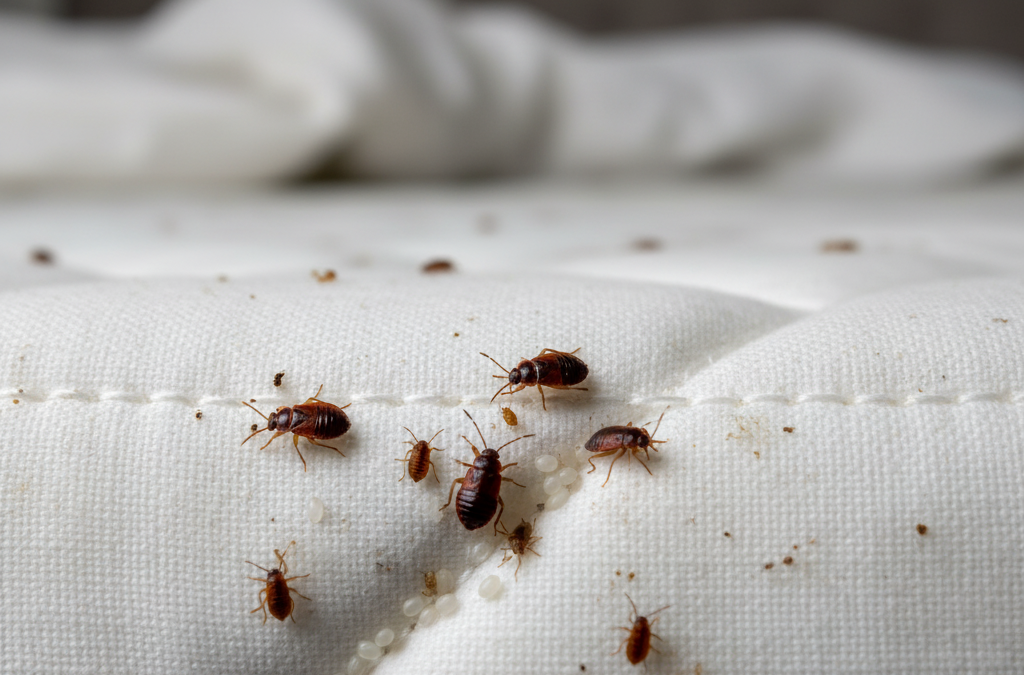
Is bed bug heat treatment safe? Yes, for children and pets, as long as they’re out of the home while it runs and come back after it cools. The heat itself leaves no pesticide behind. The risk comes from what’s left inside: rooms stay between 120°F and 140°F for hours, which is hot enough to ruin medications, candles, lipstick, instruments and photos. Virginia Tech’s 2024 guide to heat treatments lists what has to come out.
Most problems on treatment day come from a few avoidable mistakes. Here they are, with the fix for each.
Mistake 1: Leaving a pet inside
Fix: every pet leaves for the whole treatment, just like the people, and that means pets of every kind, not only the cat and the dog.
Mistake 2: Coming back too soon
Fix: wait until the rooms have cooled to a comfortable temperature, which we’ll confirm for you on the day.
Mistake 3: Leaving things that can catch fire
Fix: take out aerosol cans, lighters and other things that burn easily. Virginia Tech’s guide puts them on the list of items that must go.
Mistake 4: Leaving medications and things that melt
Fix: take out medications, candles, lipstick, fresh produce, string instruments, heirlooms and photographs. The EPA says heat-sensitive items have to be handled so they don’t melt, and treated some other way.
Mistake 5: Leaving electronics plugged in
Fix: take out the electronics we point out and unplug the rest. Virginia Tech’s guide also suggests removing TVs or wrapping them in blankets.
Mistake 6: Spraying store-bought bug spray to be safe
Fix: don’t. The NYC Health Department says never to spray pesticides on mattresses or sofas or where children or pets are present, and never to use a product that doesn’t list bed bugs on the label.
Mistake 7: Taking the kids’ things to a relative’s home unchecked
Fix: check and bag anything that leaves, and take only what you need for the day. NC State Extension says not to move belongings to another home unless you know they aren’t infested.
Will heat treatment damage my home?
Not when it’s done right. University of Kentucky entomologists note that careful temperature control kills bed bugs and eggs without damaging household items. Furniture, mattresses, clothes and books are heated in place. The things at risk are the ones on the take-out list above.
What about products used after the heat?
The heat leaves nothing behind, which is both its safety advantage and its weakness. To catch bed bugs that come back, we often follow heat with a targeted treatment of cracks and outlets. Ask what product will be used and how long to stay out of treated areas. The EPA says the product label tells you how to protect yourself, including how long to leave a treated area.
Here’s a simple example. Say a family with a toddler and a dog has a heat treatment on Friday. Thursday night, they pack the toddler’s medicine, the dog’s food, the candles and the photo albums into bags they’ve checked, and they unplug the TV. Friday morning, everyone, dog included, spends the day at the grandparents’. They come back that evening once the rooms have cooled. Nothing melted, and no one was exposed to pesticide.
Heat doesn’t fit every household. If someone can’t leave for most of a day, or the home is full of things that can’t take the heat, a targeted treatment may be the better start. See our preparation checklist, compare heat vs. chemical treatment, or see our bed bug heat treatment service. Call (347) 988-2315 for a free on-site inspection.
Frequently asked questions
Can my kids sleep in their beds that night?
Yes, once the rooms have cooled. The beds were heated with everything else. If you’re putting sealed covers on the mattresses, do that before bedtime.
What about toys and stuffed animals?
Toys that stay in the room are heated with everything else. Toys you take out can go in the dryer: University of Minnesota Extension says stuffed animals, toys and shoes can be dried at medium-high for about 30 minutes.
Someone in my home has asthma or allergies. Is heat treatment OK?
Tell us before the treatment. We ask about health and allergy concerns ahead of time and plan around them. The heat itself leaves no pesticide behind.

Recent Comments