
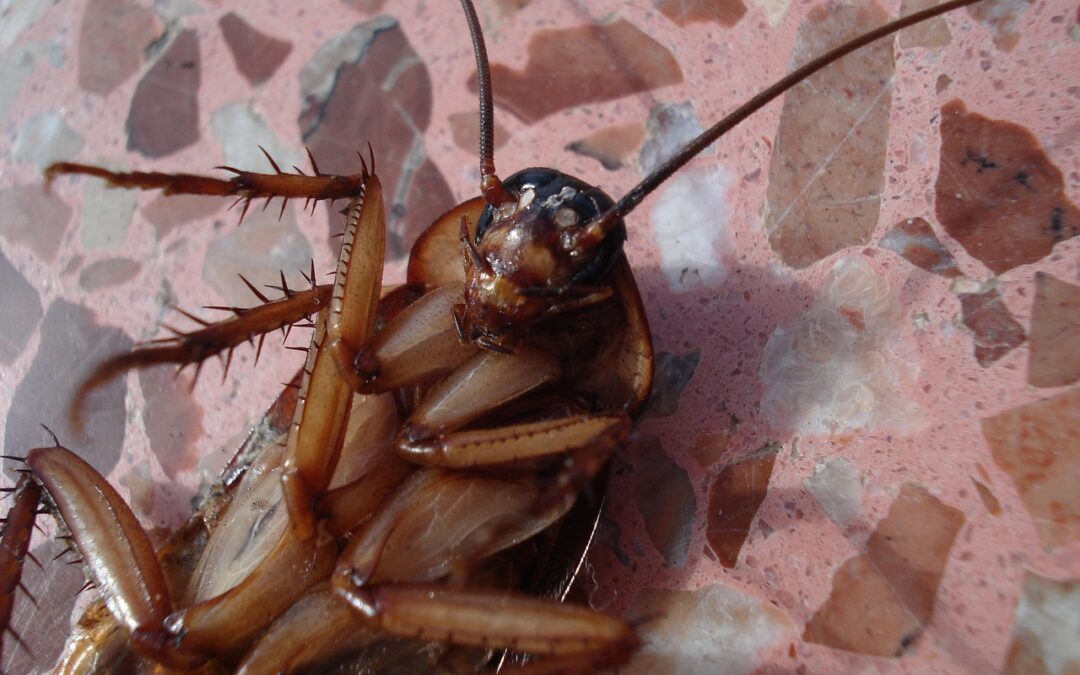
Here’s how to prevent cockroaches: take away the four things they need, which are food, water, hiding spots and a way in. Store food sealed, fix leaks, cut clutter and seal cracks. Roaches can get through gaps as small as 1/8 inch. In an NYC apartment building, prevention only works if the building does its part too.
Skip the building’s part, and one messy trash room or open pipe gap can keep sending roaches into clean apartments.
Why prevention is harder in NYC apartments
In a New York building, your apartment shares walls, pipes and a trash room with your neighbors. Roaches travel through the gaps around plumbing and wiring. They can arrive from a neighbor’s kitchen or the basement even when your place is spotless. So prevention has two parts: what tenants do in each apartment, and what owners and managers do for the building.
How to prevent cockroaches in your apartment
These steps follow the NYC Health Department’s pest guide.
Take away food
- Store food in sealed containers, and keep flour, rice and nuts in the refrigerator
- Wash dishes, wipe the counters and stovetop, and sweep up crumbs before bed
- Don’t leave pet food out overnight
- Use a trash can with a tight lid, and don’t leave garbage out overnight
Take away water
- Report leaky faucets and pipes to your super right away
- Run the bathroom fan or open a window after showers
- Cover drains you don’t use with rubber covers or metal screens
Take away hiding spots
- Recycle cardboard boxes, paper bags and newspapers, especially near the stove, refrigerator and sink
- Store spare clothing and linens in sealed plastic bins
- Vacuum behind and under the refrigerator and stove, and inside cabinets
Close the way in
Roaches can squeeze through cracks as small as 1/8 inch. Fill narrow gaps with silicone caulk and larger ones with spackle. Stuff steel wool or copper mesh into holes around pipes. If the gaps are in the walls or around building pipes, ask your landlord or super to seal them.
Watch for early signs
Sticky traps along baseboards, under sinks and behind the toilet show you if roaches are moving in before you see one. The Health Department’s guide says to replace them every two weeks.
How building owners and managers prevent roaches
One clean apartment can’t protect a building. These steps keep roaches from spreading:
- Trash and compactor rooms: clean them often, keep cans lidded and don’t let bags sit overnight
- Basements and boiler rooms: fix leaks, keep them dry and clear out stored cardboard and debris
- Pipe openings: seal the gaps where pipes pass through walls and floors between units
- Empty apartments: inspect them and clear any roaches before a new tenant moves in
- Yearly inspections: check every unit, and follow up on any unit where a tenant reports roaches
- A regular service schedule: routine visits catch new activity before it spreads next door
Several of these are the law. Under Local Law 55 of 2018, owners of buildings with three or more apartments must check every unit each year for roaches, mice, rats and mold. They must fix problems using Integrated Pest Management and make sure empty apartments are free of pests before they’re rented. HPD gives owners 21 days to fix a roach violation.
Here’s a simple example. Say a 24-unit building keeps getting roach complaints from new tenants a few weeks after they move in. The empty apartments were painted and cleaned, but nobody checked them for roaches, and the gaps under the sinks were never sealed. Adding a roach check and sealing to every turnover, and treating the units next door when roaches turn up, stops those complaints.
What to skip
- Foggers and bug bombs. The Health Department advises against them because they spread pesticide onto surfaces where you eat and cook. They also scatter roaches instead of reaching where they hide.
- Street-vendor pesticides. The Health Department says never to buy pesticides from street vendors or use illegal products like “Chinese chalk.”
- Home remedies. Essential oils and baking soda mixes aren’t part of the Health Department’s advice. Sealing, cleaning, baits and boric acid dust are.
When to call a professional
You may not need one. A clean, dry, sealed apartment in a well-kept building often stays roach free on its own. If you’re doing all of this and still see roaches, they’re probably living somewhere you can’t reach: inside walls, under floors or in another unit. Tenants should tell the landlord or managing agent, since the owner is responsible for keeping apartments free of pests.
For owners and managers, NYC Extermination offers a free on-site inspection of the units and common areas, targeted treatment with EPA-registered products, sealing, and a visit schedule set for the building. See pest control for apartment buildings and our cockroach exterminator service, read about roaches in NYC, or call (347) 988-2315.
Frequently asked questions
How do I keep roaches out of my new apartment?
Check before you unpack. Look under the sinks, behind the stove and inside cabinets for droppings or egg cases, and ask the super to seal gaps around pipes. Then unpack and recycle the boxes quickly, and put sticky traps under the sinks.
How do roaches get into an apartment?
They usually walk in through gaps around pipes, under doors and along wiring from the units and basement next to yours. Some ride in. Penn State Extension notes that American cockroaches arrive in boxes, grocery bags, suitcases and furniture.
What attracts roaches in NYC apartments?
Food, water and warmth. Crumbs, open trash, pet food left out, leaky pipes and piles of cardboard and paper bags all draw roaches in.
Do I need an exterminator to prevent roaches?
Not always, but a landlord does need one to treat. In buildings with three or more apartments, NYC requires an owner’s pesticide treatments to be done by a licensed pest professional. Tenants can still use baits and sticky traps on their own.

Recent Comments