

Understanding why immediate humane trapping matters during a wildlife infestation is crucial for effective and compassionate pest control. Acting quickly helps prevent extensive property damage, reduce health risks, and avoid unnecessary animal suffering. This article will explore these reasons in detail and offer insights into humane trapping methods.
Key Takeaways
- Promptly addressing wildlife infestations is essential to prevent property damage and health risks to residents.
- Humane trapping techniques are effective and ethical, ensuring the safety of both animals and humans while complying with legal regulations.
- Preventive measures and homeowner education are crucial in reducing future wildlife conflicts and maintaining a safe living environment.
Urgency in Addressing Wildlife Infestations
Addressing wildlife infestations promptly is critical. Ignoring the presence of wildlife in your home can lead to significant structural issues and costly repairs. Various urban wildlife species, such as raccoons, squirrels, and rodents, have adapted to city living and can cause unexpected damages to your property. From tearing through roofing materials to access attics to chewing on electrical wiring, the destruction can be extensive and dangerous.
Moreover, wildlife intrusions pose serious health hazards. Wild animals can introduce diseases and parasites into your living spaces, creating potential health risks for you and your family. Identifying and responding to nuisance wildlife presence immediately can prevent future infestations from escalating and mitigate associated risks.
Humane Trapping: Ethical and Effective
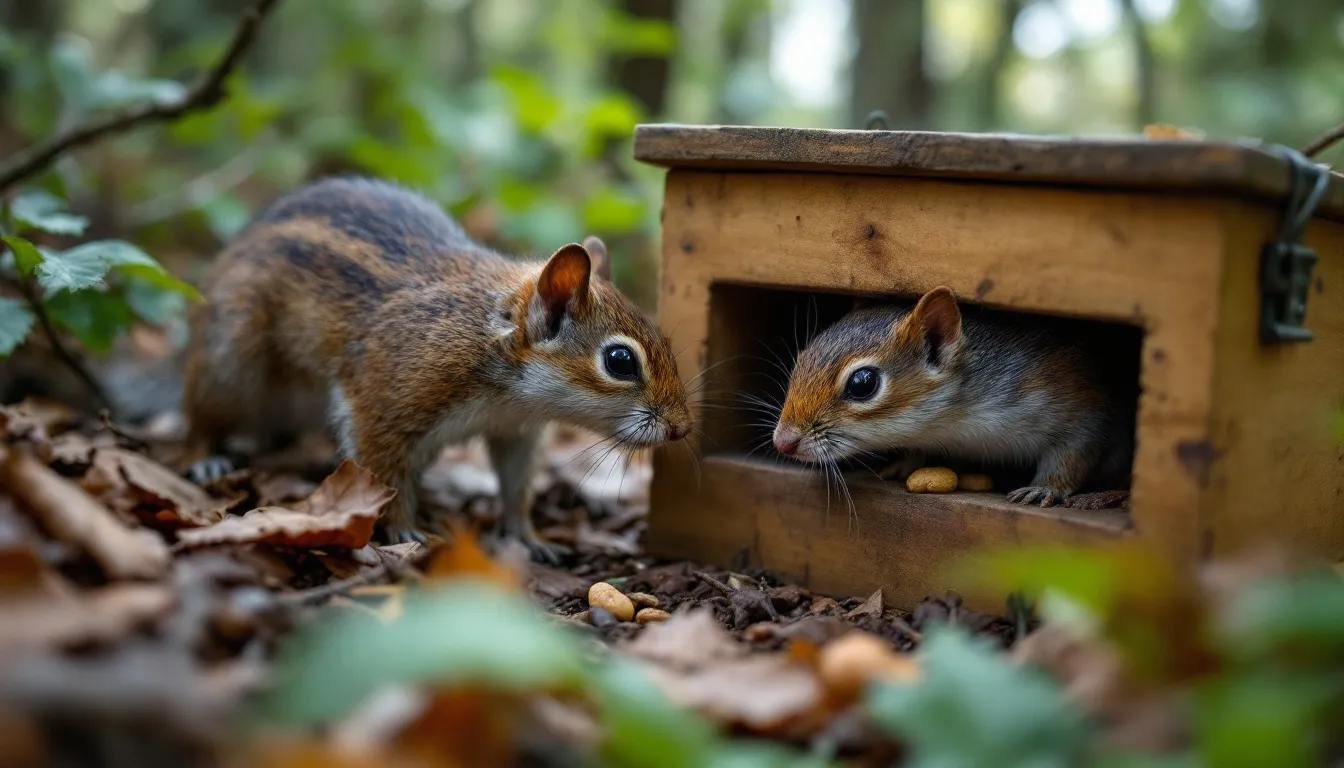
Humane wildlife removal is not just an ethical choice; it is also highly effective. Employing humane wildlife control methods ensures the safety and well-being of both humans and animals. Professional wildlife removal services utilize humane trapping techniques to capture various pest species without causing harm, making it a responsible approach to wildlife management.
Wildlife control practices should focus on minimizing the suffering and stress of trapped animals. This means using live traps that are checked frequently, ensuring that the animals do not endure prolonged captivity or distress. Selecting humane wildlife removal aligns with regulations protecting wildlife species, highlighting the importance of ethical conflict resolution methods.
By focusing on humane techniques, we not only address the immediate wildlife problem but also respect local ecosystems and promote a healthier environment. These methods capture wildlife effectively and ensure their safe and ethical relocate animals.
Health Risks Associated with Wildlife Presence
The presence of wildlife in your home introduces a range of health risks. Wild animals can carry diseases that pose significant threats to human health. For instance, droppings, urine, and nesting materials left by wildlife can lead to contamination and the spread disease. Thorough cleaning and disinfection are necessary to mitigate these potential health risks.
Removing wildlife humanely is vital for maintaining a healthier human environment. By addressing wildlife issues promptly and ethically, we can prevent the spread of diseases and maintain a safe living space for our families.
Recognizing the health risks of wildlife presence highlights the need for humane control methods to manage these wildlife problems effectively and ensure future encounters are handled appropriately.
Preventing Property Damage
Wildlife can cause extensive damage to human properties, including wildlife damage. From tearing through roofing materials to access attics to chewing on electrical wiring, the structural damage can be significant and costly. Foraging animals can also wreak havoc on gardens and landscaping, affecting both aesthetics and plant health. Nesting in chimneys by wildlife can block ventilation and create fire risks.
Prompt wildlife removal prevents further structural damage and preserves property integrity. Regular property inspections can identify potential entry points before they cause damage, and preventive measures such as installing chimney caps can effectively keep wildlife out. Maintaining the property and securing food sources are crucial steps to deter wildlife and protect against extensive damage.
Minimizing Stress for Both Animals and Humans

Humane wildlife removal practices aim to minimize stress and harm to both the animals and humans involved. Live traps must be monitored frequently to prevent distress for the captured animals. Ethical wildlife control recognizes the rights of animals to coexist with humans without unnecessary suffering.
By employing humane methods, we can address wildlife issues while ensuring the well-being of the animals and promoting animal welfare. These practices help maintain an ecological balance and create a healthier environment for everyone.
Opting for choosing humane wildlife removal respects local ecosystems and reduces stress for both humans and animals.
Legal and Ethical Considerations
Legal and ethical considerations are paramount in humane wildlife removal. Adhering to local wildlife laws is crucial when employing live trapping and relocation methods. Wildlife control professionals must follow local, state, and federal laws to ensure compliance and avoid potential legal issues.
It is essential to hire licensed and insured wildlife removal teams to ensure that ethical practices are followed in accordance with federal regulations. Selecting wildlife removal services that prioritize humane practices is not only a legal requirement but also an ethical responsibility.
Ethical concerns in wildlife management resolve conflicts humanely and transparently, prioritizing the well-being of both humans and wildlife.
Steps in the Humane Trapping Process
Humane trapping requires several critical steps to ensure effective and ethical wildlife removal. These steps include a thorough assessment and inspection, setting up humane traps, and monitoring and relocating captured wildlife. Each step is designed to address the wildlife problem while minimizing stress and harm to the animals involved.
Assessment and Inspection
The first step in the humane wildlife removal process is a thorough assessment and inspection. Every infestation is unique, requiring customized solutions to address the specific wildlife issues at hand. During the assessment, technicians search for signs of wildlife presence, such as droppings and nesting materials, to identify the species involved and the extent of the infestation.
Pinpointing entry points is essential for crafting a targeted removal plan. Understanding how wildlife accesses the property allows professionals to implement effective exclusion techniques and exclusion methods. A thorough inspection forms the foundation for successful and humane wildlife removal.
Setting Up Humane Traps
Setting up humane traps is a critical component of the wildlife removal process. Selecting the appropriate trap type based on the animal’s size and behavior can significantly reduce stress and potential injury. Species-specific bait tailored to the situation increases the likelihood of attracting the intended animal and reduces unnecessary stress.
Traps must be strategically positioned in areas where wildlife is frequently observed to enhance capture effectiveness. Strategically placed traps create a more comfortable environment for the animal, reducing stress during capture.
Using humane wildlife control methods makes the trapping process both ethical methods and effective.
Monitoring and Relocating Captured Wildlife
Monitoring and relocating captured wildlife is essential to the humane trapping process. Regularly checking traps helps prevent prolonged captivity, which can lead to increased stress and risk of injury for trapped animals. Releasing trapped animals within 24 hours is essential to minimize their stress.
Placing released animals in suitable habitats with access to food and water reduces post-release stress. Captured animals should be moved to suitable habitat as close to their capture locations as possible to ensure adaptation. Following these steps guarantees the humane trapping process is effective and ethical.
Preventive Measures Post-Trapping
Preventive measures are crucial to avoid future wildlife intrusions after the initial removal. Sealing entry points is essential to prevent animals from re-entering the property and to prevent future intrusions. Sealing gaps and cracks properly is crucial since animals can enter through small openings.
Identifying and eliminating food sources, such as fallen fruit and pet food, is key to deterring wildlife. Using tightly sealed bins for garbage can also deter wildlife from foraging.
Maintaining yards by trimming trees and cleaning up fallen fruit deters wildlife and prevents future problems. Incorporating habitat modification can effectively deter wildlife without needing to remove them.
Educating Homeowners on Wildlife Behavior
Teaching homeowners about wildlife behavior proactively reduces conflicts. Knowing wildlife habits and needs can significantly decrease conflicts between animals and humans. Education aids homeowners in recognizing wildlife activity signs and knowing when to seek professional help.
Sharing methods to alter home environments can prevent wildlife from accessing human outdoor spaces. Educating homeowners fosters a greater appreciation for wildlife and ensures preventive measures are taken.
Choosing Professional Wildlife Removal Services
Opting for professional wildlife removal services is vital for effective and humane management. Trained technicians in professional services like NYC Extermination prioritize humane pest removal tactics due to their extensive knowledge and experience. It is important to ask how the wildlife problem will be handled, ensuring that humane eviction strategies are employed.
Verify that the wildlife removal company is licensed and insured to meet legal standards. Ask for referrals from trusted local sources to gauge a company’s commitment to humane practices.
Consulting professionals is essential because they have the knowledge and tools to handle wildlife safely, reducing management stress.
Contact us today!
If you’re dealing with a wildlife infestation, contact NYC Extermination today for safe and humane wildlife control solutions. We provide professional wildlife removal services throughout the greater New York area, using ethical trapping methods that prioritize both safety and compliance.
Before scheduling service, ensure the provider is licensed and insured. We offer free consultations to evaluate your situation and recommend effective, humane solutions tailored to your needs.
Summary
Addressing wildlife infestations promptly and humanely is essential for safeguarding your property and ensuring a healthy living environment. Humane trapping methods are not only ethical but also highly effective in resolving wildlife conflicts. By understanding the steps involved in the humane trapping process and implementing preventive measures, homeowners can prevent future infestations and maintain the integrity of their homes.
Choosing professional wildlife removal services that prioritize humane practices is crucial for ethical wildlife management. By taking responsible actions, we can coexist with wildlife while protecting our homes and health. Take action today and ensure that humane methods are at the forefront of wildlife control.
Frequently Asked Questions
Why is it important to address wildlife infestations immediately?
Addressing wildlife infestations immediately is crucial to avoid significant structural damage, costly repairs, and potential health risks. Timely intervention protects both your property and well-being.
What are the benefits of humane trapping methods?
Humane trapping methods significantly reduce stress and injury to animals, ensuring ethical treatment while effectively capturing wildlife. This approach promotes compassion and responsibility in wildlife management.
What health risks are associated with wildlife presence?
Wildlife presence poses significant health risks, primarily through contamination from droppings and urine, which can lead to the spread of various diseases. It is crucial to manage wildlife interactions to protect public health.
How can I prevent future wildlife intrusions?
To prevent future wildlife intrusions, seal all entry points, eliminate potential food sources, and maintain your property regularly. These proactive measures will help create an inhospitable environment for wildlife.
Recent Comments