
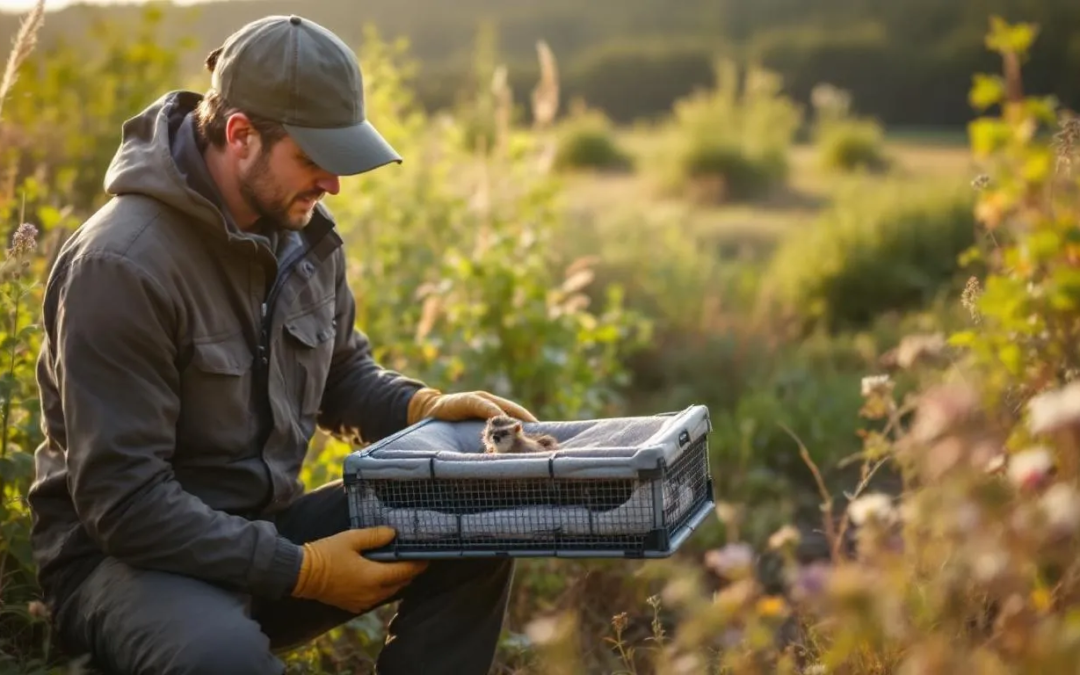
Relocation is a key component of humane wildlife control, particularly highlighting the role of relocation in humane wildlife control, as it aims to move animals to safer habitats while minimizing human-wildlife conflicts. This article covers the benefits, challenges, and ethical practices of wildlife relocation, guiding you on how to handle such situations effectively and humanely.
Key Takeaways
- Humane wildlife control focuses on non-lethal methods that prioritize the well-being of animals while resolving human-wildlife conflicts.
- Relocation of wildlife is a key aspect that requires careful planning to ensure ecological balance and minimize stress on animals; however, it presents both benefits and challenges.
- Preventive measures like securing entry points and managing food sources are essential for reducing wildlife conflicts and promoting coexistence.
Understanding Humane Wildlife Control
Humane wildlife control emphasizes non-lethal methods and promotes coexistence between humans and wildlife. The core philosophy is to minimize stress and harm to animals while resolving human-wildlife conflicts effectively. Ethical practices in wildlife control necessitate treating animals with compassion, respecting their role in the ecosystem, and prioritizing human safety.
The importance of humane wildlife removal lies in its ability to address both the well-being of animals and the safety of humans. Techniques used in humane wildlife trapping include:
- Use of live traps that capture animals without causing injury or distress
- Methods designed to minimize animal stress
- Ensuring that the animals involved are handled with care.
Promoting humane wildlife management protects property and human health while maintaining the balance of local ecosystems. Humane wildlife control methods, including humane wildlife removal services, play a crucial role in achieving this balance while fostering a deeper respect for wildlife.
The Role of Relocation in Humane Wildlife Control

Relocation is a significant aspect of humane wildlife control. It involves live trapping and moving wild animals to new locations where they can thrive without causing conflicts with humans. This approach helps maintain ecological balance by ensuring that species are not harmed and can continue to play their role in the ecosystem. However, wildlife trapping and relocation must be carried out with careful planning and consideration to avoid causing undue stress or harm to the animals involved.
While relocating wildlife offers many benefits, it also presents challenges and risks. It’s essential to understand these aspects to ensure that relocation practices are both effective and ethical. By exploring the benefits and challenges, we can develop comprehensive strategies that prioritize animal welfare and ecosystem health.
Benefits of Relocating Wildlife
The primary benefit of relocating wild animals is the improvement of animal welfare. Relocating animals from urban areas to safer environments better suited to their natural behaviors and needs helps prevent issues. This not only helps in preventing property damage but also reduces human-wildlife conflicts, creating a more harmonious coexistence.
Regulations regarding wildlife relocation ensure that the process is conducted ethically and that the relocated animals are placed in suitable habitats where they can thrive. These regulations are designed to protect both the animals and the local ecosystems, ensuring that the relocation process benefits all parties involved.
Challenges and Risks of Relocating Animals
Despite its benefits, relocating animals comes with significant challenges and risks. Relocated animals often face survival challenges such as competition for resources, unfamiliarity with their new habitat, and potential predators, unlike other animals. This can lead to high stress levels and lower survival rates, making the relocation process ethically complex.
One of the major risks is that relocated animals may struggle with disorientation and finding food, shelter, and water in their new environment. If the relocation site lacks sufficient resources, the animals’ chances of survival decrease dramatically. Additionally, introducing new animals to an ecosystem can disrupt local wildlife and alter the natural balance, potentially leading to further ecological issues.
To mitigate these risks, it’s crucial to ensure that the relocation sites are suitable and that the animals have a high chance of adapting successfully. This requires thorough planning, knowledge of wildlife behavior, and compliance with local wildlife laws to ensure ethical and effective safe relocation practices.
Best Practices for Humane Wildlife Relocation
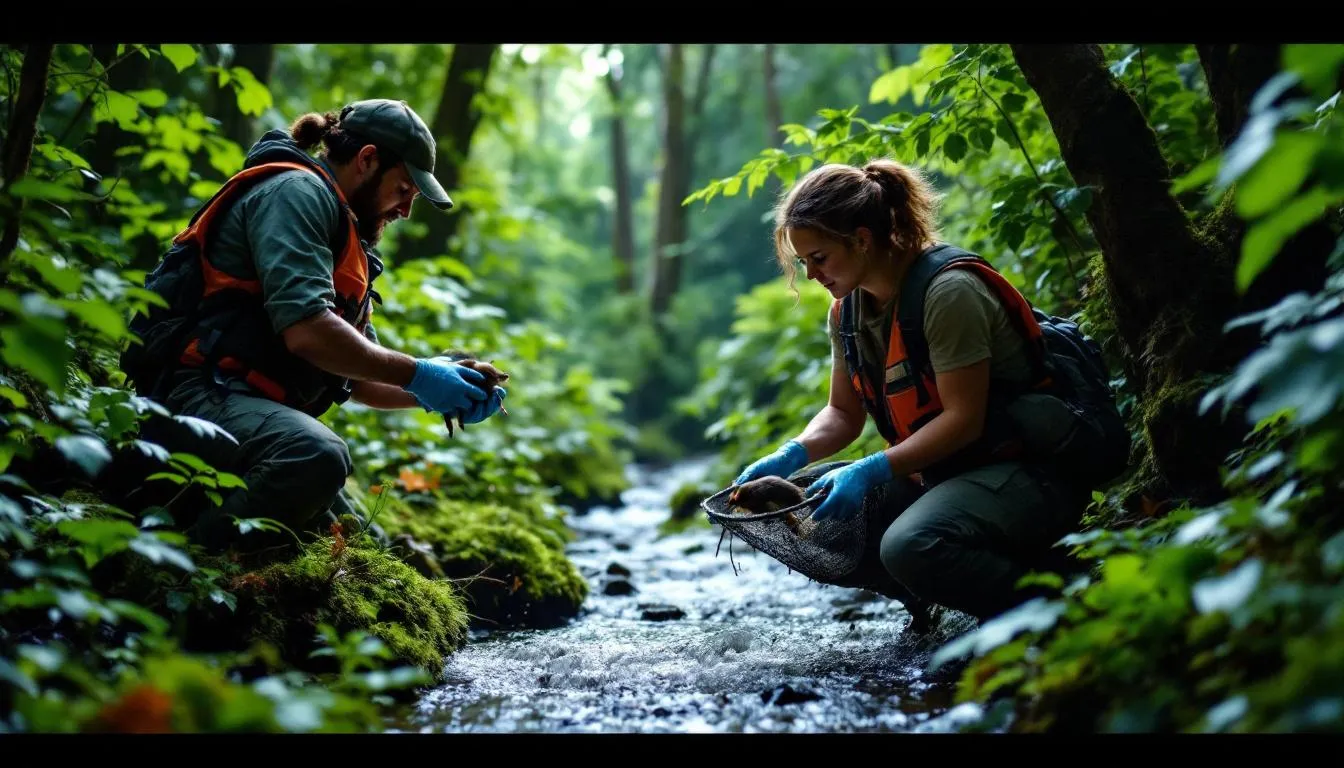
Effective and ethical wildlife relocation involves a series of best practices that ensure the well-being of the animals involved. One of the key elements is thorough preparation and careful execution of the relocation process. Humane wildlife removal methods, such as one-way doors and live traps, play a crucial role in capturing trapped animals safely and humanely.
Preventing re-infestation is also an essential aspect of humane wildlife management. After the relocation, it is important to implement measures that deter wildlife from returning, ensuring long-term success in managing wildlife conflicts.
Selecting Suitable Habitats for Relocated Animals
Selecting suitable habitats for relocated animals is crucial to their successful adaptation. An environment that closely resembles the animal’s natural habitat and natural habitats can significantly reduce stress and enhance their chances of survival. When choosing a relocation site, several factors need to be considered. Important aspects include:
- Temperature
- Humidity
- Vegetation
- Available food sources.
Ensuring the relocation site meets these criteria helps preserve biodiversity and maintain environmental balance. Successful relocation not only benefits the individual animals but also supports the overall health of local ecosystems.
Safe Transportation Methods
Safe transportation methods are essential to ensure the well-being of wildlife during the relocation process. Using durable transportation containers that prevent injury and minimize stress is crucial. Appropriate containers and handling techniques can make a significant difference in the animals’ safety and comfort during transit.
Ensuring minimal stress during transportation is a key aspect of humane wildlife removal methods, as it helps prevent unnecessary suffering. Using ethical methods and recognizing signs of distress ensures a safer and more humane relocation process.
Post-Relocation Monitoring
Post-relocation monitoring is a critical component of humane wildlife control. Regular monitoring helps assess the adaptation of relocated animals and detect any potential issues in their new habitat. This ongoing observation ensures that the animals are thriving and that the relocation process has been successful.
Humane relocation practices that include post-relocation monitoring promote safety and sustainability. By keeping track of the animals’ progress, we can implement humane practices to improve their chances of survival and well-being.
Alternative Humane Wildlife Control Methods
While relocation is a valuable tool in humane wildlife control, there are other effective methods to manage wildlife conflicts. These alternative methods focus on non-lethal strategies that prevent wildlife from entering human spaces without causing harm. Combining various humane strategies ensures comprehensive wildlife management and reduces future conflicts.
The most effective way to prevent wildlife conflicts is to eliminate access to essential resources like food, water, and shelter. Implementing a mix of humane strategies and prevention techniques creates a long-term solution to wildlife issues.
Exclusion Techniques
Exclusion techniques are methods used to seal access points and prevent wildlife entry into human spaces. These techniques involve employing motion-activated devices and ultrasonic deterrents. Additionally, non-toxic chemical repellents are also utilized to keep wildlife at bay. Modifying environments to prevent wildlife access provides a long-term solution to wildlife conflicts without harming animals.
Secure potential entry points by inspecting for gaps and sealing them with materials such as steel wool or caulk. Using exclusion techniques not only protects human property but also respects the ethical treatment of wildlife.
Habitat Modification
Habitat modification entails eliminating essential resources such as food, water, and shelter to deter wildlife from inhabiting certain areas. Removing fallen fruit, birdseed, and pet food effectively manages food sources and prevents wildlife entry. This approach is crucial in preventing wildlife conflicts and promoting a harmonious coexistence.
Inspect the property for shelter locations, remove debris, and educate neighbors on waste management to reduce nuisance wildlife conflicts and unwanted wildlife. Adjustments like trimming trees and securing bird feeders can significantly help in reducing wildlife activity around human spaces and other wildlife.
Legal Considerations in Wildlife Relocation
Legal considerations are an essential aspect of wildlife relocation. Understanding and complying with local wildlife laws ensures that relocation practices are conducted ethically and legally. Local laws may restrict the transport and release of certain wildlife species, making it crucial to research and adhere to these regulations.
Using professional services for wildlife removal ensures compliance with local laws and reduces the risk of legal issues. Professionals are trained to handle wildlife ethically and possess the necessary licenses and knowledge of local wildlife laws.
Understanding Local Laws
Understanding local wildlife laws is crucial for ethical and legal wildlife relocation. You can frequently discover information about these laws at the local branch of the US Fish and Wildlife Service. They provide resources and guidance on related topics. Local regulations dictate how and where animals can be released, ensuring humane treatment and relocation of specific species.
Researching local ordinances ensures that wildlife relocation is done legally and ethically, preventing potential legal issues. Key requirements include complying with local wildlife regulations and understanding the humane treatment guidelines for different species.
Licensing and Permits
Obtaining the necessary licenses and permits is essential for responsible and ethical wildlife management. Legal requirements for wildlife management may vary by state or region, making it important to understand the specific regulations in your area. Many states mandate that individuals involved in wildlife control possess specific licenses related to the species they are managing.
Ensuring that all legal requirements are met not only promotes ethical practices but also protects both the animals and the people involved in wildlife management. These licenses and permits are a testament to the commitment to humane and responsible wildlife control.
Preventive Measures to Reduce Wildlife Conflicts

Preventive measures are crucial in reducing wildlife conflicts and promoting a harmonious coexistence. Securing entry points and managing food sources are effective ways to deter wildlife from entering human spaces. By implementing these measures, we can significantly reduce conflicts and ensure a safer living environment.
Education plays a critical role in wildlife management. Helping communities understand and implement preventive measures reduces conflicts with local wildlife populations and promotes respectful coexistence.
Securing Potential Entry Points
Securing potential entry points is essential for preventing wildlife from entering homes and causing disturbances. Effective methods include:
- Using chimney caps
- Installing vent covers
- Sealing any gaps Implementing these security methods reduces the risk of property damage and ensures a safer living environment.
Securing potential entry points deters wildlife from accessing human spaces, promoting harmonious coexistence. These measures are a crucial aspect of humane wildlife control and prevention.
Managing Food Sources
Managing food sources is critical in preventing wildlife from being attracted to human habitats. Use tightly sealed bins to secure garbage and deter wildlife from accessing food sources. Securing food sources by keeping pet food indoors and securely storing garbage can significantly reduce wildlife attraction.
Effectively managing food sources deters wildlife from human spaces and promotes harmonious coexistence. This preventive measure is a key aspect of humane wildlife control and helps in reducing conflicts.
Professional Assistance for Humane Wildlife Control
NYC Extermination focus on humane practices and ethical techniques that ensure animal well-being and effective management strategies. Hiring professionals alleviates health risks associated with wildlife, as they manage potential disease transmission effectively. A humane wildlife removal service can help in this regard.
Reputable wildlife removal services should offer:
- Both removal and preventive solutions to effectively manage wildlife conflicts.
- Professionals trained to handle animals safely.
- Use of tools and techniques that minimize harm.
- Ensuring long-lasting results.
Contact Us Today!
Don’t let pests or wildlife take over your space. At NYC Extermination, we provide safe, effective, and discreet solutions tailored to your needs. Whether you’re dealing with bed bugs, rodents, or nuisance wildlife, our team is ready to restore comfort and peace of mind to your home or business.
Reach out today to schedule an inspection or speak with one of our experts about your concerns. The sooner you act, the sooner we can help you get back to a pest-free environment.
Summary
Humane wildlife control is essential for promoting coexistence and protecting both humans and animals. By understanding and implementing humane methods, we can resolve wildlife conflicts effectively and ethically. Key aspects include the role of relocation, best practices for humane relocation, alternative control methods, legal considerations, and preventive measures.
In conclusion, humane wildlife control is not just about managing conflicts but fostering a respectful coexistence with wildlife. By adopting these practices, we can create a safer and more harmonious environment for all. Let’s commit to humane practices and promote a future where humans and wildlife can thrive together.
Frequently Asked Questions
Why is humane wildlife control important?
Humane wildlife control is essential as it prioritizes non-lethal methods to minimize harm and stress to animals, fostering ethical treatment and coexistence between humans and wildlife. This approach not only resolves conflicts effectively but also respects animal welfare.
What are the benefits of relocating wildlife?
Relocating wildlife enhances animal welfare by offering a safer habitat, minimizes property damage, and reduces human-wildlife conflicts. This practice also contributes to ecological balance by protecting species from harm.
What are some challenges of relocating animals?
Relocating animals presents significant survival challenges, including competition for resources, disorientation, and difficulty securing food, shelter, and water. Additionally, it can disrupt local ecosystems and induce stress in the animals.
What legal considerations should be taken into account for wildlife relocation?
Compliance with local wildlife laws is crucial for wildlife relocation, including obtaining necessary licenses and permits to ensure responsible management and protect both the species and the ecosystem.
How can professional wildlife removal services help?
Professional wildlife removal services provide humane and ethical solutions for safely handling wildlife, minimizing health risks, and preventing future conflicts by addressing root causes. This approach ensures effective and lasting results for homeowners.
Recent Comments