

Is DIY wildlife trapping safe? DIY wildlife trapping involves risks like injuries and disease exposure. This article offers essential safety tips on whether IS DIY wildlife trapping safe: helping you trap wildlife safely and effectively, ensuring both your safety and the well-being of the animals.
Key Takeaways
- DIY wildlife trapping poses significant risks, including unpredictable animal behavior, zoonotic diseases, and transportation accidents, necessitating thorough preparation and extreme caution.
- Essential safety gear, such as heavy gloves, long clothing, and protective equipment, is critical to mitigate injury risks during wildlife trapping operations.
- Understanding and adhering to local regulations and humane practices and maintaining a well-stocked first aid kit are essential components of responsible and safe wildlife trapping.
Understanding the Risks of DIY Wildlife Trapping

First and foremost, wild animals can exhibit unpredictable and aggressive behavior when trapped, significantly increasing the risk of personal injury. Imagine setting a trap only to find yourself face-to-face with an agitated raccoon or a defensive skunk. Such encounters can lead to severe bites, scratches, or even more serious physical injuries, making it essential to handle traps with extreme caution.
Moreover, the risk isn’t limited to physical harm. Wildlife trapping exposes you to zoonotic diseases—illnesses that transfer from animals to humans. Rabies stands out as a particularly grave concern, being fatal once symptoms appear. Other wildlife-related diseases can also be transmitted through bites and scratches, posing significant health risks. Trapping the animal is only part of the task; safeguarding your health is equally important.
Lastly, consider the ancillary risks that come with wildlife trapping. Accidents while driving to and from trapping sites can occur, adding another layer of danger to the already risky task. Hurried behavior, neglecting procedures, and lack of awareness of your surroundings can further escalate the chances of accidents and injuries. Clearly, DIY wildlife trapping is fraught with safety concerns that demand thorough preparation and vigilance.
Essential Safety Gear for Wildlife Trapping
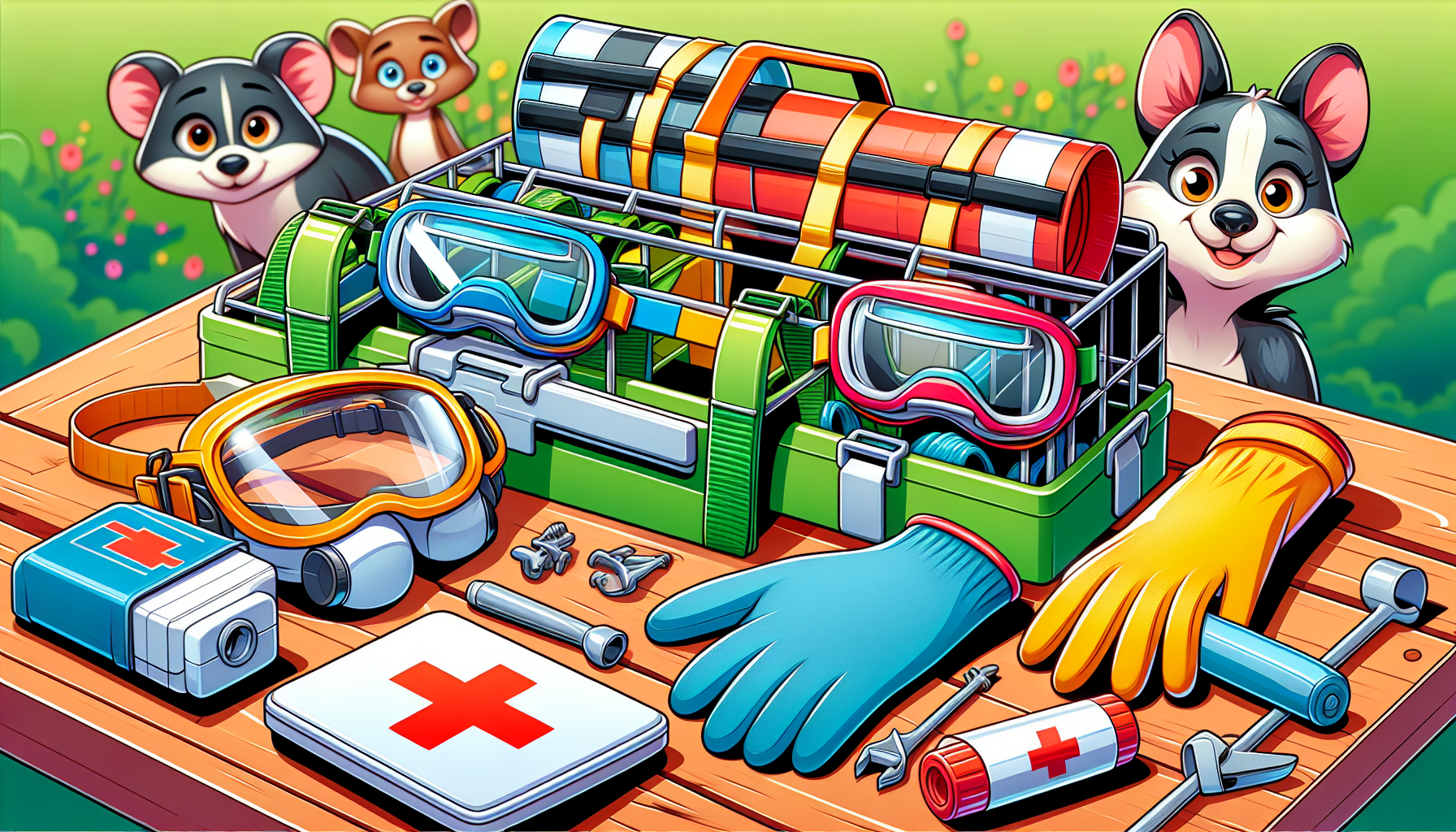
Before: Equipping yourself with the right personal protective equipment (PPE) is foundational for safe wildlife trapping. Essential gear includes heavy gauntlet gloves, long pants, long-sleeved shirts, and sturdy boots. These items provide a necessary barrier against bites, scratches, and other potential injuries while handling traps and animals.
After: Essential gear for safe wildlife trapping includes:
- Heavy gauntlet gloves
- Long pants
- Long-sleeved shirts
- Sturdy boots
These items provide a necessary barrier against bites, scratches, and other potential injuries while handling traps and animals.
Additionally, specific tools like respirators, goggles, and Tyvek suits are crucial when dealing with environments that may expose you to harmful dust, fumes, or zoonotic disease carriers. Protective headgear such as helmets, hats, and face guards should also be considered to safeguard against physical harm.
Prioritizing PPE mitigates many inherent risks in wildlife trapping, ensuring a safer, more controlled operation.
Proper Use and Maintenance of Trapping Equipment
Using high-quality, commercial-grade equipment is vital for effective and safe wildlife trapping. Well-maintained traps not only enhance the efficiency of your efforts but also significantly reduce the risk of accidents or property damage.
Delving into best practices for equipment inspection and selection ensures your tools remain in optimal condition.
Inspect Equipment Frequently
Regular inspection of your trapping equipment is crucial. Check traps multiple times daily to ensure they function correctly and are free from damage or debris. This routine check helps prevent accidents and improves the overall effectiveness of your trapping activities.
Following manufacturer guidelines during inspections is crucial. Replace loose or damaged parts immediately to maintain safety and functionality. Keeping a well-stocked first aid kit and other essential safety items on hand during these checks is also a good practice.
Choosing the Correct Trap
Selecting the right trap for the target animal is a critical step in humane wildlife removal. Body gripping traps, foothold traps, and snares each serve different purposes and come with their own set of safety concerns. Understanding the behavior and habits of the animal you aim to trap can guide you in choosing the most appropriate technique.
Body gripping traps, for instance, are effective but can be dangerous if mishandled. On the other hand, environment-specific traps tailored to the animal’s natural habitat can significantly increase your success rate. Carefully selecting and setting the correct trap ensures a safer and more efficient wildlife removal process.
Setting Up Traps Safely
Proper trap setup is essential for safety and effectiveness. Understand the mechanics and place traps correctly to avoid accidents. Resources like trapper education courses and manuals offer valuable insights into safe and effective trap setup.
Always prioritize safety precautions to minimize pose safety risks.
Ladder Safety in Wildlife Trapping
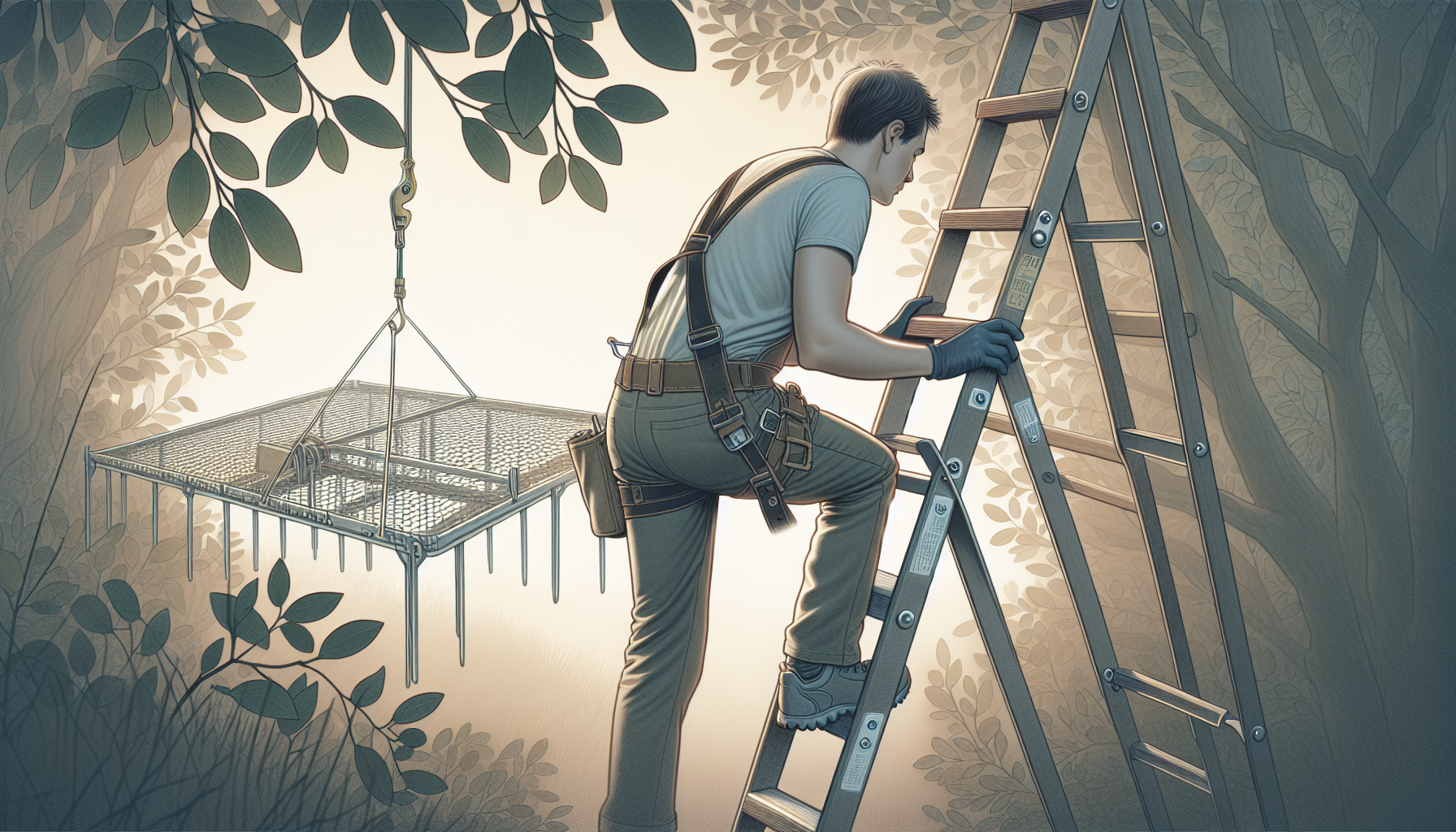
Ladders are indispensable tools in wildlife trapping, especially when accessing nests or entry points in high places. However, improper use can lead to serious accidents. Basic ladder safety, selecting the right ladder type, and following guidelines prevent many risks.
Here are essential tips and techniques for using ladders safely in various trapping scenarios.
Basic Ladder Safety Tips
Choose a ladder rated for your total weight, including tools, as the first step in basic ladder safety choose. Before climbing, fully extend the ladder, secure the locks, and ensure the feet are stable on a flush surface. Securing the bottom with braces, ladder straps, or an anchor board, and tying off the top to a secure point can prevent slips and falls.
Maintain a 4:1 angle for ladder placement, keep hands free while ascending or descending, and avoid standing on the top two steps. If you ever feel unsafe, do not proceed. Basic step ladder safety should always come first.
Specialized Ladder Work
For extended or specialized work, select the correct ladder type. A platform step ladder provides stability and a safe workspace for prolonged tasks. Ladders like Type I or IAA, which can handle heavier weights, should be used for more demanding jobs.
Use ladder tie-offs and fall protection equipment when working at significant heights or on steep surfaces. Having two workers present during extensive ladder work enhances safety and provides necessary assistance.
Always secure ladders properly to the vehicle before and after use to prevent accidents during transport.
Preventing Falls
Fall prevention is a critical aspect of ladder safety. A harness connected to a secure point significantly reduces fall risks. Shoes with strong, slip-resistant soles are recommended to ensure stable footing while on the ladder.
Maintain three points of contact, face the ladder, and climb slowly to avoid losing balance. For particularly risky tasks, such as dealing with raccoons or other heavy or bulky items, consider using a towline to safely lower the caged animal from the ladder.
If the terrain or conditions feel unsafe, renting a bucket lift might be the best option.
Handling Captured Animals

Caution and compassion are required when handling captured animals. Minimizing handling time reduces stress for the animal and the risk of injury to the handler. Appropriate tools and techniques, like catchpoles and protective gloves, ensure the process is safe and humane.
Here are best practices for handling various types of trapped animals.
Minimizing Animal Stress
Reducing stress in trapped animals is paramount for humane wildlife removal. Covering traps with a cloth can calm the animal inside, making handling safer for both parties. Keeping the handling brief and ensuring traps are free of dirt and debris also contribute to minimizing stress.
Reducing stress aids in humane treatment and decreases the likelihood of aggressive behavior, which can lead to injuries. By employing these techniques, you promote animal welfare while ensuring a safer process for yourself.
Avoiding Bites and Scratches
Avoiding bites and scratches is critical for wildlife trappers. Keep a safe distance from trapped animals and use tools like catchpoles, snake tongs, and cat graspers to prevent direct contact and potential injuries. Animals are more likely to attack if they feel threatened or if their young are in danger.
Seek immediate medical attention for bites or scratches. Contact the Department of Health for advice on rabies and other zoonotic diseases.
Always have a first aid kit readily accessible to handle any injuries promptly.
Safe Relocation Practices
Safe relocation of captured animals involves several critical steps. Cover the trap with a cloth and hold it away from your body during transport to minimize stress and the risk of injury. Seal entry points after removing the animals to prevent future invasions and ensure a long-term solution.
Hands-on workshops offer valuable training in these techniques, enhancing both safety and effectiveness.
Environmental Hazards Awareness
Awareness of environmental hazards is essential for wildlife trappers. From unpredictable weather conditions to unstable terrain, understanding these risks helps in planning and executing safer operations.
Here’s how to recognize and prepare for various environmental hazards that could impact your safety.
Weather Precautions
Monitoring weather reports is crucial for preparing wildlife control activities. Severe weather conditions, like heat waves or cold snaps, pose significant risks. In high heat, tools like cooling vests and frequent hydration breaks are essential for managing body temperature. In cold weather, wearing layered clothing and protecting against wind and rain are vital to avoid hypothermia and frostbite.
When working near moving water, always be aware of flood risks and slippery conditions to prevent accidents. Adequate preparation for weather-related hazards ensures safer trapping activities.
Electrical Safety
Electrical hazards significantly risk wildlife control operators, especially near power lines. Maintain a safe distance of at least 10 feet from unprotected electrical wires. Use ladders made from non-conductive materials like fiberglass to reduce the risk of electrical shock.
Always wear appropriate PPE and follow strict safety precautions to minimize these dangers.
Navigating Difficult Terrain
Navigating difficult terrain presents unique challenges. An effective emergency plan should include detailed maps and a clear start and end point. Understanding the specific habits of target animals can lead to more efficient trap placements, reducing the need for extensive and potentially hazardous navigation.
Proper preparation and awareness of your surroundings ensure safer and more successful trapping operations.
Legal and Ethical Considerations
Legal and ethical considerations are paramount in wildlife trapping. Adhering to local regulations avoids legal repercussions and ensures compliance. Ethical practices, including humane removal methods, prioritize animal well-being and minimize stress and harm.
Following legal guidelines and ethical methods in wildlife management is crucial.
Understanding Local Regulations
Understanding and adhering to local wildlife regulations is crucial for legal and ethical trapping. Trappers must know the specific laws in their area, as some trapping and relocation methods may not be permitted. Checking with local wildlife agencies and officials ensures that your practices are compliant and humane.
Humane Practices
Humane wildlife removal minimizes stress and harm to animals. Traditional removal techniques can cause unnecessary suffering; adopting humane methods prioritizes animal welfare. Choosing a wildlife removal service that emphasizes humane practices ensures ethical treatment of animals.
Educating oneself about humane wildlife removal empowers informed decisions that align with values and effectively resolve human-wildlife conflicts. Proper handling and relocation techniques reduce stress and promote animal well-being.
Reporting and Documentation
Proper reporting and documentation are critical in humane wildlife management. Capturing animals safely and relocating them to suitable habitats requires meticulous records. Education mitigates wildlife conflicts and enhances management effectiveness.
Relevant courses and training programs improve safety and legal compliance.
First Aid and Emergency Preparedness

Emergency preparedness is essential in wildlife trapping. A well-stocked first aid kit tailored for wildlife trapping should always be accessible. Here are the essentials of assembling a first aid kit, creating an emergency response plan, and seeking proper training to handle potential emergencies effectively.
Assembling a First Aid Kit
A comprehensive first aid kit for wildlife trapping should contain several essential items. These include:
- Band-Aids
- Gauze
- Tape
- Antiseptic ointment
- Sterile water
- Cold and heat packs
- Triangular bandages
Hand sanitizer with at least 60% alcohol is recommended for hygiene during trapping activities. Including a pair of scissors is crucial for cutting gauze or tape effectively.
Understanding how to use these supplies ensures effective treatment during emergencies.
Emergency Response Plan
Regular updates to your emergency response plan reflect changes in contact information or procedures. Training in CPR and first aid significantly enhances preparedness for wildlife trapping situations. A clear, updated plan ensures quick and effective emergency response.
Seeking Proper Training
Proper training before engaging in wildlife trapping is essential for safety and effectiveness. Courses on hunting, trapping, and wilderness first aid provide valuable knowledge and skills.
Joining local groups and reading educational materials further enhance preparedness and capability to handle wildlife safely.
Why Choosing NYC Extermination Is Better Than DIY
Although DIY wildlife trapping might seem appealing, professional extermination services offer significant advantages. Professionals have extensive training and expertise, allowing them to handle various infestations more effectively than DIY methods. They have access to specialized equipment and treatments unavailable to the general public, leading to more thorough eradication.
Extermination services often include follow-up visits to ensure long-term pest prevention, which DIY approaches may overlook. NYC Extermination can identify and address underlying issues that contribute to infestations, providing a more comprehensive solution. Contact us today!
Summary
In summary, DIY wildlife trapping involves significant risks and requires careful preparation and adherence to safety and humane practices. Understanding the dangers, equipping yourself with the right gear, maintaining your equipment, and following legal and ethical guidelines are all critical for safe and effective wildlife management. Environmental awareness and emergency preparedness further enhance safety and success.
Opting for professional wildlife removal services, like NYC Extermination, often proves to be a safer and more effective solution. Their expertise, specialized equipment, and comprehensive approach ensure thorough and humane handling of wildlife issues. Ultimately, prioritizing safety and humane practices benefits both humans and animals, fostering a more harmonious coexistence.
Frequently Asked Questions
What are the main risks of DIY wildlife trapping?
The main risks of DIY wildlife trapping include the potential for physical injuries from aggressive animals and the exposure to zoonotic diseases such as rabies. It is crucial to approach trapping with caution to mitigate these serious hazards.
What essential safety gear should I use for wildlife trapping?
For wildlife trapping, it is essential to use heavy gauntlet gloves, long pants, long-sleeved shirts, sturdy boots, and additional protective gear such as respirators and goggles. This comprehensive safety equipment helps prevent physical injuries and reduces the risk of zoonotic diseases.
Why is it important to inspect trapping equipment frequently?
Frequent inspection of trapping equipment is crucial for ensuring safety and maintaining effectiveness, as it helps to prevent accidents and enhances the efficiency of trapping activities. Regular checks enable prompt identification of any issues that could compromise both safety and performance.
What are the benefits of choosing NYC Extermination over DIY methods?
Choosing NYC Extermination ensures access to trained professionals, specialized equipment, and comprehensive solutions that outperform DIY methods. Their follow-up visits and ability to tackle underlying issues further enhance the effectiveness of pest control efforts.
How can I ensure humane wildlife removal?
To ensure humane wildlife removal, utilize appropriate traps that minimize stress, follow local regulations, and adhere to ethical practices. This approach not only safeguards the animals’ well-being but also fosters responsible wildlife management.
Recent Comments