

Are squirrels invading your space and you wish to handle it humanely? Humane wildlife trapping for squirrels is the answer. In this article, you’ll discover safe and effective methods to capture and release squirrels without causing them harm. Let’s explore how you can manage these furry intruders ethically and keep your property squirrel-free.
Key Takeaways
- Understanding squirrel behavior and habitat is crucial for effective management and prevention of squirrel problems.
- Humane trapping techniques, like using live traps with proper bait, ensure safe and stress-free squirrel removal.
- Preventing future infestations involves sealing entry points, modifying the habitat, and installing barriers to make your property less attractive to squirrels.
Understanding Squirrel Behavior and Habitat
Squirrels are fascinating creatures, and understanding their behavior and habitat is key to managing them effectively. The most common species you’ll encounter in urban and suburban areas are the Eastern gray squirrels, fox squirrels, and flying squirrels. Most squirrels, including adult squirrels, are small, furry mammals recognized for their big, bushy tails. They are also known for their sharp claws. They vary in color and typically measure 9-12 inches in length, with tails adding another 7-10 inches. Unlike most wild animals, squirrels are often found in close proximity to human populations.
Squirrels:
- are primarily arboreal, meaning they spend most of their time in trees
- build squirrel nests, or dreys, in the forks of tree branches, orienting themselves around the presence of trees
- in urban settings, usually have a home range averaging half an acre
- have a diet that is quite varied, including nuts, seeds, vegetables, and fruits
- in places like Illinois, also consume tree bark and nuts
Gaining an understanding of these behaviors and habitats enables you to effectively handle any squirrel problems you might face. This comprehension aids in pinpointing the most effective strategies for keeping squirrels away from your space.
Identifying Squirrel Problems
Early identification of squirrel problems is pivotal in preventing extensive damage. Common signs of squirrel infestations include:
- Scratching noises
- Nesting materials
- Visible damage to structures
- Chewing marks
- Small openings
- Droppings
- Debris like nuts or nesting material around your home
Squirrels can cause various problems, including:
- Creating nests and bringing in nuts and seeds, which can harbor ectoparasites like fleas and diseases
- Chewing on fascia boards, cedar shingles, and even electrical wiring, posing serious fire hazards
- Matting down insulation and chewing on wood support beams, causing significant structural damage
Nesting squirrels can also cause various disturbances such as:
- Rustling noises
- Property damage
- Foul odors
- Electrical damage inside your home
Recognizing these signs early will help you take prompt action to mitigate the damage and remove the squirrels humanely.
Humane Wildlife Trapping Techniques for Squirrels
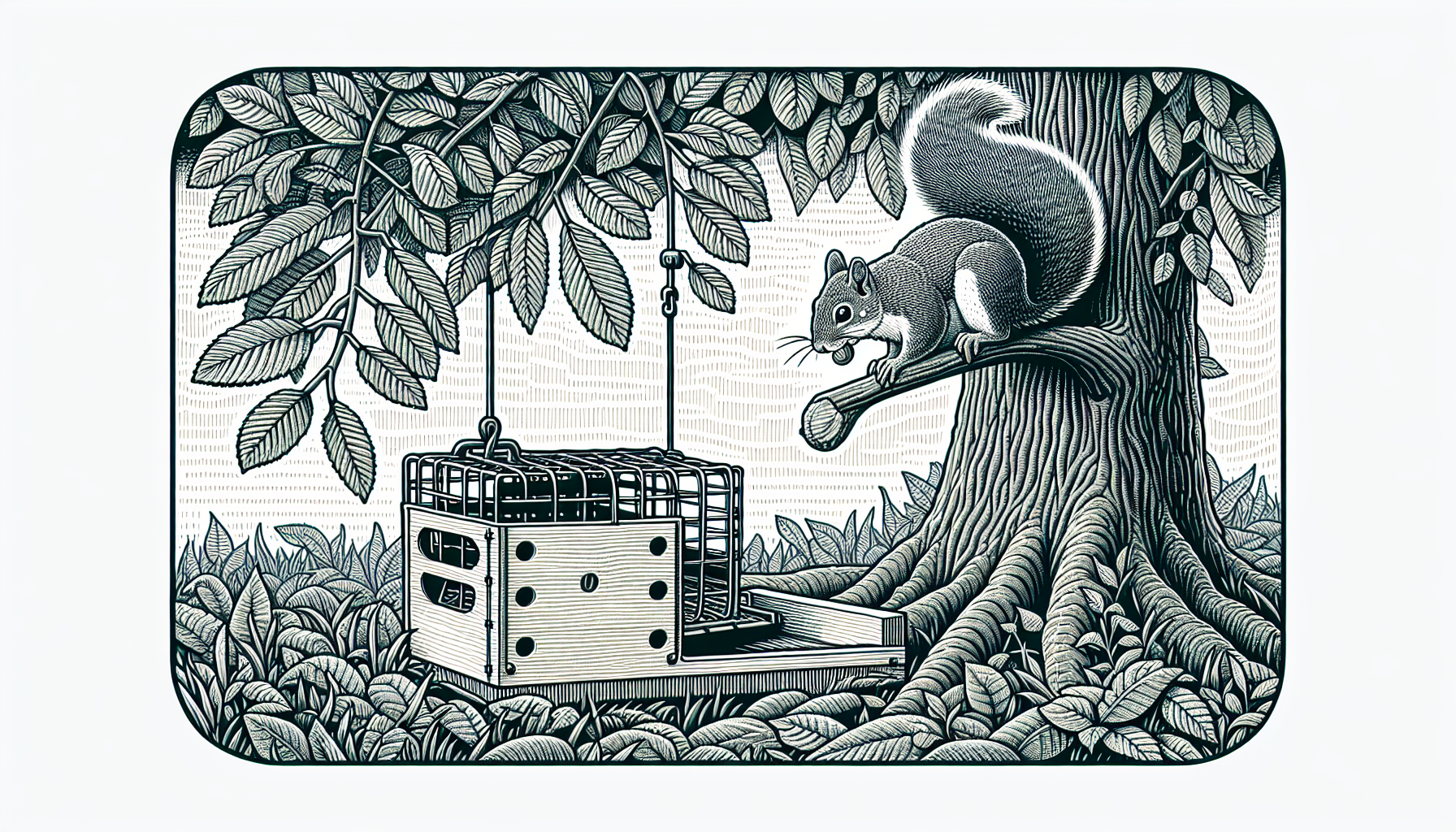
When it comes to humane animal trapping for squirrels, there are several effective techniques you can use. Live traps are generally safer, easier, and more effective than lethal traps. They allow you to capture and release the squirrels without causing them harm. This section will explore different types of live traps and how to set them up properly.
We will also discuss the types of bait that are most effective for attracting squirrels to these traps. Adhering to these humane trapping techniques guarantees a safe and stress-free squirrel removal process.
Live Traps for Squirrels
Live traps come in various forms, including cage traps, repeater traps, and one-way exclusion doors. These traps are effective in capturing squirrels without causing them harm. Experts in squirrel control often prefer live traps because they allow for a humane removal process.
Cage traps, for example, can be set on roofs, in trees, or on the ground as a squirrel trap. These traps use bait to attract squirrels and are designed to capture them without injury. Utilizing live traps guarantees the humane and safe removal of squirrels from your property.
Setting Up Traps
Proper trap setup is vital for maximizing capture success and minimizing harm to the squirrels. Place traps along trails or near burrow openings to increase the chances of capturing squirrels. Locations frequently visited by squirrels, such as tree branches or ledges, are ideal for setting traps.
Ensure that traps are placed on a secure surface to avoid wobbling and that they are not set in direct sunlight to prevent heat exhaustion. Regularly check the traps to ensure that any captured squirrels do not suffer. Adherence to these guidelines results in effective squirrel capture while ensuring their well-being.
Using Bait

Choosing the right bait is essential for attracting squirrels to your traps. Effective baits include:
- Peanut butter
- Whole peanuts in the shell
- Nuts
- Berries
- Pieces of fruit
These bait options, often found in a bird feeder, are known to attract squirrels successfully and can be easily found in most households.
Position the bait deep inside the trap to coax the squirrel to enter fully, increasing the chances of capture. Utilizing the correct bait and its proper positioning enhances the effectiveness of your trapping efforts.
Safe Handling and Release of Trapped Squirrels
Once you’ve trapped a squirrel, it’s important to handle and release it safely to minimize stress and ensure its well-being. Avoid leaving the trapped squirrel in the cage for too long to prevent stress and dehydration. If the squirrel has been in the cage for an extended period, provide water but generally avoid giving food.
When handling the cage, exercise caution and avoid inserting your fingers inside to prevent bites. Release the squirrel at least five miles from the capture site to prevent it from returning and choose a release area with accessible water sources and a familiar environment for better adaptation. Adherence to these guidelines ensures the safe and humane release of trapped squirrels.
Preventing Future Squirrel Infestations
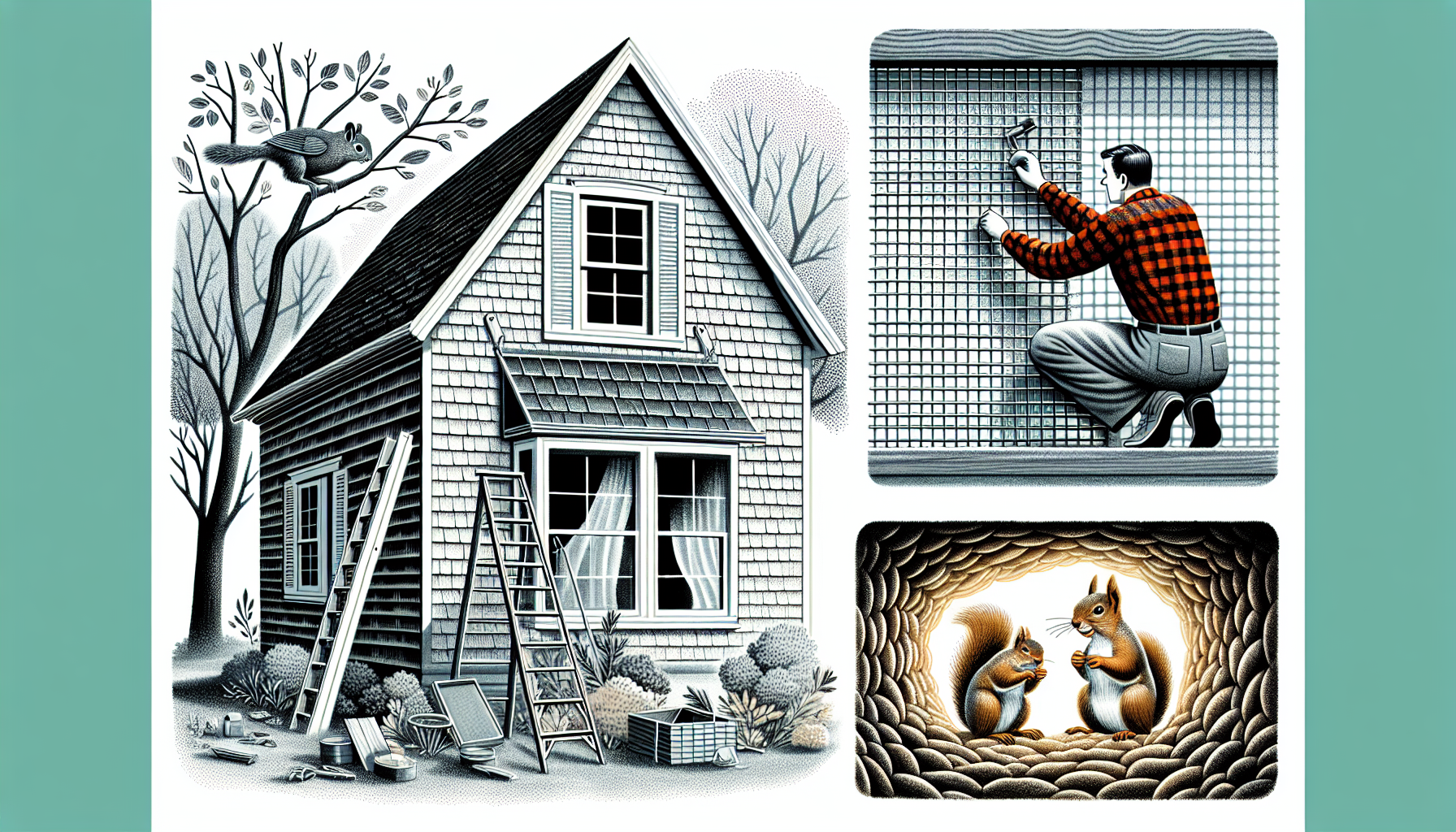
Preventing future squirrel infestations is essential to avoid recurring problems. The most effective method is to:
- Seal all current and potential entry points to your home
- Modify the habitat to make it less attractive to squirrels
- Install barriers to prevent squirrels from accessing your property
By implementing these preventive measures, you can prevent future squirrel infestations and greatly reduce the risk of future squirrel infestations.
Implementation of these preventive strategies significantly reduces the chances of a repeat squirrel invasion. This proactive approach will save you time and effort in dealing with future infestations.
Sealing Entry Points
Inspect and repair any gaps or holes in the roof and eaves, as squirrels can squeeze through small openings. Cover attic vents with wire mesh to block squirrel entry while allowing proper ventilation. Ensure that chimneys have caps securely in place to prevent squirrels from entering.
To prevent squirrels from getting inside your home, follow these steps:
- Seal any cracks or openings in the home’s foundation.
- Use one-way exclusion doors to allow squirrels to leave the house but not re-enter.
- Regularly inspect and seal any potential entry points to prevent squirrels from accessing your home.
By taking these measures, you can effectively use squirrel repellent to keep squirrels out of your home.
Habitat Modification
Modifying your property’s habitat can make it less appealing to squirrels. Here are some steps you can take:
- Remove trees or tree branches that are close to the roof.
- Refrain from using bird feeders to prevent squirrel problems in your home.
- Secure trash bins and keep outdoor spaces clean to reduce squirrel interest in your property.
Some ways to protect your garden from squirrel interference include:
- Using hardware cloth to cover garden beds and protect plants
- Planting squirrel-repelling flowers like daffodils, snowdrops, and hyacinths
- Making habitat modifications to create an environment that is less attractive to squirrels.
Installing Barriers
Installing barriers is another effective way to prevent squirrels from entering your property. Install chimney caps to prevent squirrels from entering through the chimney. A tall, sturdy fence around the garden and burying it at least six inches underground can help prevent burrowing by squirrels.
Use wire mesh covers over vulnerable plants and flower beds to prevent squirrels from digging up bulbs and seeds. Wrapping tree trunks with metal guards can stop squirrels from climbing up and jumping onto the roof. Installing these barriers effectively deters squirrels from accessing your property.
Humane Alternatives to Trapping
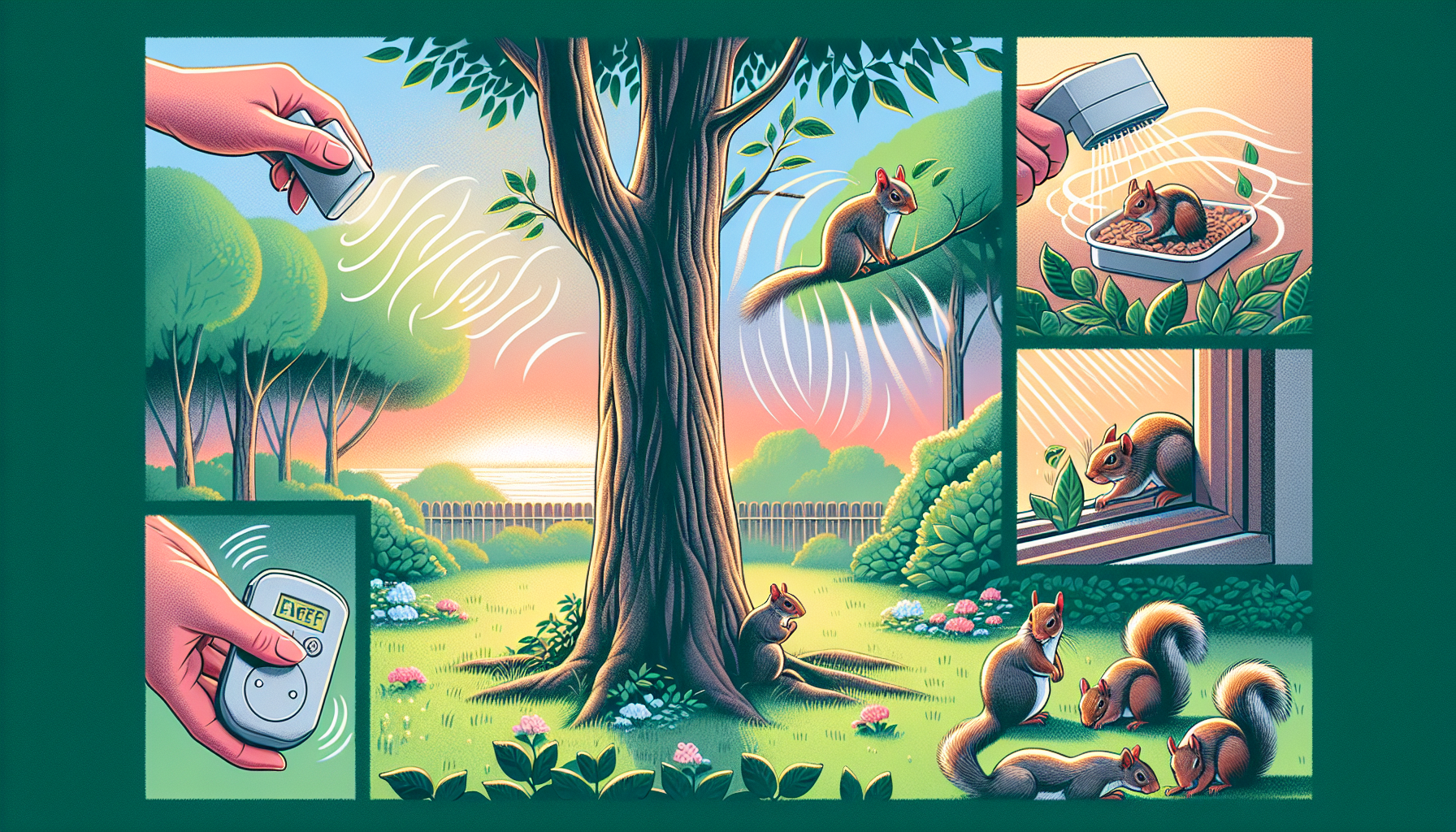
If trapping squirrels isn’t your preferred method, there are several humane alternatives you can consider. Eviction scents mimic natural predators, making the area seem dangerous and prompting squirrels to leave. These scents, often created from urine, can encourage squirrels to vacate without the stress of trapping.
Noise deterrents, such as devices emitting high-frequency sounds or sporadic loud noises, can also be effective in driving squirrels away. Other alternatives include using predator urine, motion-sensor sprinklers, and decoys like plastic owls or rubber snakes to scare squirrels away from gardens. Utilizing these humane alternatives allows for the removal of squirrels without causing them harm.
Health and Safety Concerns
Squirrels, while generally not dangerous, can pose certain health and safety concerns. Squirrel excrement may contain pathogens like salmonella and leptospirosis, which can cause serious illnesses in humans. Squirrels can also be aggressive, especially mothers during baby seasons.
To minimize the risk of disease transmission, it’s advisable to wear protective gear when handling squirrels. Avoid direct contact with squirrel feces and urine, and always exercise caution when dealing with these wild animals to ensure your safety.
Professional Wildlife Control Services
Sometimes, it’s best to leave squirrel removal to the professionals. Professional wildlife removal services are essential for removing squirrels and repairing the damage they cause, such as chewed wires and ruined insulation. Immediate professional intervention is recommended when squirrels are detected in attics to avoid costly damage and health risks.
Companies such as Critter Control offer specialized services for squirrel removal, trapping, and control. These services can help homeowners effectively manage squirrel infestations. They can provide expert assistance in dealing with your squirrel problem, ensuring a safe and effective solution.
Say Goodbye to Unwanted Wildlife!
Implementing these best practices enables you to enjoy a squirrel-free property. From understanding squirrel behavior and identifying problems to using humane trapping techniques and exploring alternatives, you now have the knowledge to manage squirrel infestations effectively. If you need professional help, don’t hesitate to reach out to nuisance wildlife control services for reliable and humane animal control solutions.
Take charge of your home and garden, and say goodbye to unwanted wildlife. With these tips, you can maintain a peaceful and squirrel-free environment. Contact us now!
Summary
In this guide, we’ve covered everything you need to know about humane squirrel removal and prevention. Understanding squirrel behavior and identifying problems early are crucial steps. Humane trapping techniques, safe handling and release, and preventive measures can help you manage squirrel infestations effectively.
By considering humane alternatives to trapping and being aware of health and safety concerns, you can ensure a safe and stress-free removal process. Remember, professional wildlife control services are available if you need expert assistance. Take these steps to maintain a squirrel-free home and enjoy a peaceful environment.
Frequently Asked Questions
What are the signs of a squirrel infestation in my home?
If you notice scratching noises, chewing marks, small openings, droppings, and debris like nuts or nesting material, you likely have a squirrel infestation in your home. Keep an eye out for these signs and take action promptly to address the issue.
What baits are effective for attracting squirrels to traps?
Peanut butter, whole peanuts in the shell, nuts, berries, and pieces of fruit are all effective baits for attracting squirrels to traps. Try using these and see which one works best for you!
How can I prevent squirrels from entering my home?
To prevent squirrels from entering your home, seal all entry points, cover attic vents with wire mesh, and install chimney caps to block squirrel access. This will help keep those pesky critters out!
Are there humane alternatives to trapping squirrels?
Yes, there are humane alternatives to trapping squirrels, such as using eviction scents, noise deterrents, predator urine, motion-sensor sprinklers, and decoys to drive them away.
Should I contact professional wildlife control services for squirrel removal?
Yes, it’s best to contact professional wildlife control services for squirrel removal as they can provide expert assistance, repair any damage, and ensure a safe removal process for everyone involved.
Recent Comments