
When it comes to keeping your home pest‑free, one of the most common questions homeowners ask is how long does exterminator spray last after a professional treatment. The simple answer is: it varies. The lifespan of pest control spray depends on the formula used, the type of pest, where it’s applied, and environmental conditions around your property.
Professional exterior perimeter treatments usually last about 90 days, while exterminator spray usually lasts 30 to 90 days (about 1-3 months) on treated surfaces. The pesticide can linger for up to two months, although it loses potency more quickly if it comes into contact with water, sunshine, or thorough washing.
Key Takeaways
- Short Duration: Professional exterminator spray typically lasts 30–90 days depending on pest type and conditions.
- Pest-Specific: Bed bug extermination spray requires 2–3 follow-up treatments because most conventional sprays can’t penetrate the egg’s protective coating, allowing newly hatched nymphs to survive the initial treatment.
- Pet Safety: Exterminator spray is safe for dogs once fully dried — keep pets out of treated areas for 1–4 hours, or until your technician confirms the surface is fully dry.
- Re-Treatment Schedule: Quarterly treatments every 90 days align with residual lifespan and prevent seasonal re-infestations.
Factors That Affect The Duration of Pest Control Spray
1. Type of Pest Being Treated
Different pests require different chemicals, and those chemicals break down at different rates. A cockroach treatment using gel bait, for example, can remain effective for up to 3 months, making it a popular solution recommended by a cockroach exterminator NYC homeowners trust, while a mosquito treatment sprayed outdoors may degrade in as little as 2–4 weeks due to weather exposure.
2. The Chemical Formulation Used
Professional exterminators use a range of pesticide classes. Synthetic pyrethroids are among the most commonly used because of their strong residual properties. Microencapsulated formulas (where the active ingredient is enclosed in tiny capsules that release slowly) tend to last longer than emulsifiable concentrates or wettable powders. Learn more about pest control methods.
3. Indoor vs. Outdoor Application
Indoor applications generally last longer because surfaces are protected from rain, sunlight, and temperature extremes, all of which accelerate chemical breakdown. Outdoor perimeter sprays are exposed to the elements, which is why they typically need refreshing every 30–60 days, especially after heavy rain or in humid climates.
4. Surface Type
Porous surfaces like unpainted wood, concrete, and carpet absorb pesticides quickly, reducing how long they remain active on the surface. Non-porous surfaces like tile and glass retain residue longer but may also repel insects less effectively.
5. Cleaning After Treatment
This is one of the most important factors homeowners overlook. Mopping or wiping down treated surfaces too soon after a spray, especially within the first 24–72 hours can significantly reduce its effectiveness. Always ask your exterminator when it is safe to clean and what areas to avoid.
6. Pest Pressure and Infestation Severity
A mild infestation may be resolved with a single treatment. A heavy infestation may require multiple applications because the high volume of pests makes it harder for a single treatment to reach all hiding spots.
How Long Does Exterminator Spray Last for Specific Pests?
How long spray “lasts” feels different depending on the infestation.
Cockroach treatment often controls roaches for 30–60 days, but severe cockroach infestations with German cockroaches may take 4–6 weeks or longer. Sprays are usually paired with bait, dust, and crack treatments because egg casings and eggs from the first treatment can produce more roaches.
Ant barriers may last 60–90 days indoors and 30–60 days outside, but colony control often requires bait placed near the nest.
Spiders may drop noticeably within 4 weeks; sheltered residues may keep working 8–12 weeks.
Fleas can require repeated control because eggs and larvae emerge later. Specialty pests with rapid breeding cycles, like bed bugs and fleas, may require follow-up treatments every 10 to 14 days.
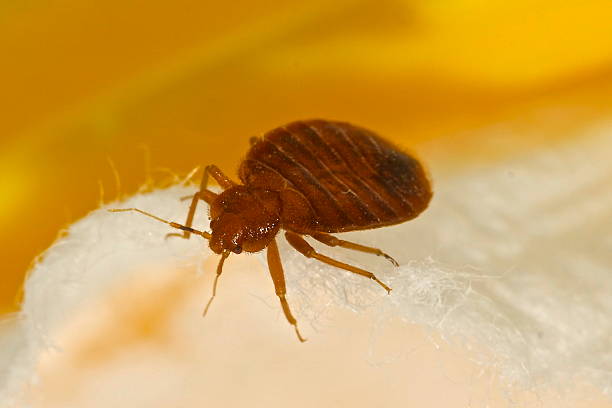
Bed bugs rarely disappear with one spray. Programs often run 2–6 weeks using heat, dusts, encasements, monitoring, and targeted applications. DIY aerosols usually do not penetrate hiding spots well enough.
Rodents are different. For rats and rodents, companies use traps, exclusion, and bait; “how long spray lasts” usually does not apply. In severe infestations, hiring a professional rat exterminator NYC service is often the most effective way to fully eliminate rodents and prevent future infestations.
Why You Might Still See Bugs After Exterminator Sprays
More bug activity after treatment is common and often means the spray is disturbing pests that hide in walls. It is common to see an increase in pest activity, such as ants and cockroaches, during the first 2–4 weeks after a pest control treatment due to pests being flushed out from their hiding spots. After a pest control treatment, visible pest populations may initially increase as the treatment begins to take effect, with many pests becoming more active and visible as they are driven from their hiding places.
Pest control treatments can take time to fully eliminate pests, and it may take several weeks for the population to decrease significantly after the initial treatment. Baby roaches may appear because eggs laid earlier are hatching. Dead bugs near baseboards or entry points usually show the barrier is working. If heavy live activity continues after 4–6 weeks, schedule a follow up roach infestation behavior in NYC.
- Baby roaches may appear because eggs laid earlier are hatching.
- Dead bugs near baseboards or entry points usually show the barrier is working.
- If heavy live activity continues after 4–6 weeks, schedule a follow up.
How Long After Spraying Do Bugs Die?
Kill time ranges from hours to several days. Ants and many roaches may die within hours to 1–2 days after contact with treated areas.
Heavy roach infestations, fleas, and bed bugs may take weeks of repeated exposure for full control. Modern products may kill slowly so insects carry material back to a nest. Fewer bugs each week is a better sign than expecting to be rid of every pest overnight. For severe infestations, working with a professional bed bug exterminator in NYC service can help ensure complete elimination through follow-up treatments and targeted pest control solutions.
How Long Should You Wait to Clean After Pest Control Spray?
It’s usually best to wait at least 24–48 hours before deep cleaning after a pest control spray to allow the treatment to fully settle and remain effective. Light cleaning can be done sooner, but avoid mopping or scrubbing treated areas immediately so the barrier isn’t removed.
- Wait until the spray is dry before touching treated zones.
- After a pest control treatment, it is recommended to wait 24–48 hours before cleaning treated surfaces to maintain the effectiveness of the treatment.
- Light cleaning can be done three to five days after a pest control treatment, but more vigorous cleaning should be postponed for approximately two weeks to avoid disrupting the treatment’s effectiveness.
- It is advised to avoid cleaning treated areas for a certain period after pest control, particularly around the edges of rooms, to maintain the effectiveness of the treatment.
- Avoid mopping or scrubbing the perimeter areas around skirting boards and kick boards for several weeks after treatment to preserve the chemical barrier created by the pest control spray.
- Clean counters and tables with soap and water; sprays are normally kept off food surfaces.
Safety: Kids, Pets, and Treated Areas
Modern in-home pest control products are designed for safety when applied correctly. After pest control treatments, it is generally recommended to keep pets and children away from treated areas until the spray has dried, which typically takes about 10-20 minutes.
Most pest control treatments are designed to be safe for children and pets once they have dried, as there is no airborne residual or smell after the application. Tell the exterminator about asthma, allergies, sensitive pets, or anything dangerous before the exterminator performs service. If accidental exposure causes irritation, call the pest control company or poison control.
How to Make Exterminator Sprays Last Longer
Small habits extend protection:
- Before service, clear clutter so the technician can treat cracks, crevices, and perimeter lines.
- Store food in sealed containers, wipe crumbs, fix leaks, and remove trash.
- Do not apply bleach or DIY spray over treated areas.
- Keep treated areas dry and undisturbed.
- Seal gaps, repair screens, and close doors tightly to reduce re infestation risk.
How Often Should You Schedule Pest Control Treatments?
The recommended frequency depends on your pest pressure and property type:
- Quarterly (every 3 months) — the most common schedule for general residential pest prevention. Keeps ants, spiders, cockroaches, and other common pests under control year-round.
- Monthly — recommended for severe or recurring infestations, or for commercial properties like restaurants, apartments, and food storage facilities. NYC Extermination offers commercial pest control maintenance plans tailored to businesses.
- One-time treatment — suitable for a specific, isolated pest problem (e.g., a wasp nest, a single flea outbreak).
- Seasonal — common for outdoor pests like mosquitoes and ticks that spike during warmer months.
Conclusion
Professional exterminator spray typically lasts between 30 and 90 days, depending on the pest, treatment type, and environmental conditions. To maximize effectiveness, avoid cleaning treated surfaces too soon and follow your exterminator’s aftercare instructions. Regular maintenance treatments and proper home sanitation can help keep pests away long-term. If you’re looking for reliable pest control services in NYC, working with an experienced exterminator can help ensure safe and effective long-term protection against pests.
Frequently Asked Question
Is exterminator spray safe for dogs and pets?
Yes, professional exterminator spray is generally safe for pets once the treated surfaces are completely dry. Pets should stay away from treated areas during application and until the technician confirms it is safe to return.
Does exterminator spray smell?
Most professional sprays have a mild odor that dissipates as the product dries, typically within a few hours. If you have chemical sensitivities, let your exterminator know beforehand so they can choose a low-odor alternative.
How do I know if the treatment worked?
Increased pest activity in the 24–72 hours immediately following treatment is actually normal — pests are disturbed and moving around. Activity should decline significantly within a week. If you still see heavy activity after two weeks, contact your exterminator.
Can I clean my house after pest control spray?
Wait at least 72 hours before mopping or wiping baseboards and treated surfaces. You can vacuum carpets gently after 24–48 hours, but avoid steam cleaning, which can deactivate chemical residues.
Recent Comments