

Dealing with wildlife invading your space? This guide on humane wildlife trapping best practices provides you with ethical techniques, legal tips, and practical advice for trapping and relocating animals safely.
Key Takeaways
- Humane wildlife trapping prioritizes ethical treatment of animals, focusing on minimizing pain and ensuring effective conflict resolution while preserving local ecosystems.
- Accurate species identification is essential for effective humane trapping, as it influences the selection of appropriate traps and locations based on animal behavior and habitat preferences.
- Compliance with local wildlife laws is crucial for humane trapping practices, including obtaining necessary permits and understanding protected species to avoid legal repercussions.
Understanding Humane Wildlife Trapping
Humane wildlife trapping is based on care and respect for nature combined with a strategic plan. The primary goal of humane wildlife trapping is to ensure ethical treatment of animals, minimizing pain and suffering during capture. This approach contrasts sharply with traditional methods that often prioritize efficiency over the well-being of the animals. Humane practices allow us to address wildlife conflicts effectively while preserving the integrity of our natural ecosystems.
Ethical animal control involves assessing situations to select methods that minimize animal distress. This includes understanding the behavior and habits of the animals involved, as well as selecting the appropriate traps and techniques for each situation. Humane wildlife removal focuses on safely relocating animals without causing them harm, which is crucial for maintaining the balance of local wildlife populations. This method not only resolves the immediate issue but also contributes to long-term wildlife management.
Professional wildlife management services play a vital role in humane wildlife trapping. These experts are trained in various humane methods, including live trapping, relocation, and removal, to address conflicts effectively. They ensure that captured animals are handled with care and released in suitable habitats, promoting a respectful coexistence between humans and wildlife. Utilizing the expertise of professional wildlife removal services leads to more effective and humane wildlife control.
Identifying the Target Species
Identifying the target species is a critical first step in any humane wildlife trapping program. Accurate identification of a species involves observing its physical traits, habitat preferences, and dietary habits. This knowledge allows for the application of appropriate control methods tailored to the specific species. Without proper identification, efforts to manage wildlife can be ineffective and may even result in harm to non-target species.
Understanding the species’ preferred habitats and daily activity patterns is essential for effective trapping. Some animals are nocturnal and solitary, while others are more active during the day and live in groups. Recognizing these patterns can significantly increase the chances of successful trapping. Moreover, knowing where an animal is likely to travel and what it prefers to eat can help in setting traps more effectively.
To delve deeper into the process of identifying the target species, we will explore two key aspects: recognizing wildlife signs and assessing wildlife behavior. These subsections will provide detailed insights into how to accurately determine the presence and habits of local wildlife, ensuring that your trapping efforts are both effective and humane.
Recognizing Wildlife Signs
Wildlife signs like tracks, scat, and vocalizations are crucial indicators for determining the species present. These signs can provide valuable information about the types of animals frequenting an area, their numbers, and their activity patterns. For instance, raccoon tracks are distinct with their five-toed paw prints, and their scat often contains remnants of their varied diet. Similarly, the droppings of birds and other animals can provide clues about their presence and habits.
Traps are more effective when set near natural animal pathways, which are often indicated by signs of animal activity. Observing these signs can help identify the best locations for trap placement, increasing the likelihood of capture. Close attention to these indicators allows for strategic trap positioning, intercepting animals along their regular travel routes and increasing trapping success.
Assessing Wildlife Behavior
Observing trails and food sources can help identify where animals are likely to travel. Recognizing these patterns is essential for setting traps in locations frequently visited by animals. For example, placing traps near known food sources or along well-trodden paths can significantly increase the chances of capture. This approach not only enhances the effectiveness of your trapping efforts but also reduces the stress and disturbance to the animals involved.
Knowledge of wildlife behavior and movement patterns is crucial for effective trapping. By observing how animals interact with their environment, you can develop a more effective trapping strategy. For instance, knowing that certain animals are more active during specific times of the day can guide you in setting traps at the optimal times. By closely monitoring wildlife behavior, you can significantly increase the success rate of your humane trapping efforts.
Legal Considerations in Wildlife Trapping

Local laws regulate wildlife removal methods and compliance requirements, making it essential for trappers to be informed. Compliance with local wildlife laws is crucial for protecting wildlife and the environment. These laws ensure that wildlife trapping practices are conducted ethically and responsibly, minimizing harm to the animals and preserving ecological balance. Failure to adhere to these regulations can result in legal repercussions and harm to the local wildlife population.
Compliance with wildlife laws prevents legal issues and ensures humane treatment of animals. Researching the species being dealt with is necessary to understand their legal protections and requirements. For instance, some species may be protected by law, and capturing or harming them could lead to significant fines or penalties. Consulting with the local branch of the US Fish and Wildlife Service can provide guidance on specific wildlife regulations and ensure that your trapping practices are in line with legal standards.
Regularly updating yourself on local trapping laws is important to ensure compliance and prioritize animal well-being. Many states have stricter regulations than federal laws, which must be observed in wildlife management. Some local regulations require immediate release or humane euthanasia of trapped animals.
After trapping, it is crucial to either release the capture animals in the vicinity where it was trapped or humanely euthanize it as per local laws. It is necessary to identify the target species. Each species has unique behaviors and legal considerations that can affect trapping methods.
Obtaining Necessary Permits
Each state has unique requirements for permits related to trapping certain species, necessitating thorough research. Professional wildlife removal services should possess necessary licenses and permits to operate legally.
Ensure the wildlife removal service has the necessary liability insurance and licenses to operate legally. Obtaining the necessary permits for humane wildlife trapping ensures compliance with local laws and regulations.
Understanding Protected Species
Certain wildlife species are legally protected, requiring special attention to avoid illegal capture or harm. Understanding these legal protections is crucial to prevent unintentional violations. For example, some bird species and mammals are protected by law, and capturing them could result in significant legal consequences. Humane trapping methods are essential to ensure the welfare of legally protected species while complying with regulations.
Awareness of the legal status of different species enables tailoring of trapping methods to avoid harming protected animals. This not only helps in maintaining ethical standards but also ensures that your trapping practices are in line with local wildlife laws.
Selecting Humane Traps

Selecting the right trap is crucial for humane wildlife trapping. Common types of traps include foot hold traps for restraining movement, Conibear traps for quick and humane kills, and live cage traps for safely capturing animals for relocation. Cage traps typically feature wire mesh walls, while box traps have solid walls made from materials like wood or plastic. The use of the smallest trap suitable for the target animal can help minimize the chances of capturing non-target species.
When selecting traps, it’s essential to choose the right type based on the target species and their habitat. Foot hold traps are designed to restrain an animal’s foot, while padded traps or those with offset jaws can reduce injury. Understanding the specific needs and behaviors of the target species will help in selecting the most appropriate and humane traps for your trapping program.
Live Cage Traps
Live traps are used to capture pests like raccoons, rats, and ground squirrels without harming them. The benefits of using live traps include being humane, effective, inexpensive, and safe for non-target species. A characteristic feature of live traps is a cage with a trigger mechanism, which ensures the animal is captured safely without injury.
Knowledge of feeding habits and movement patterns is essential for selecting appropriate trapping techniques. Placing these traps in areas frequented by the animals and using suitable bait increases the chances of successful capture while ensuring the well-being of the trapped animals.
Box Traps
Box traps work very well for capturing skunks. They are also effective for other small to medium-sized animals. These traps are constructed from materials such as wood, plastic, and metal, providing a sturdy and secure environment for captured animals. Box traps should be positioned along animal travel routes and near food sources for better chances of capture.
A trail of food leading into the trap can entice animals without overfeeding them. Effective bait types for box traps include canned fish, fresh fruit, and peanut butter, which are particularly attractive to skunks.
With the right bait and placement, box traps can be a highly effective tool in your humane trapping program.
Setting Up Traps Correctly
Proper setup of traps is essential to ensure their effectiveness and the humane treatment of captured animals. Ensure traps are tested for functionality on a flat surface before use. Using a lining such as newspaper inside the trap can provide comfort for the captured animal. Consider the animal’s behavior and natural habitat when setting a trap to increase the chances of capture.
We will explore two critical aspects of trap setup: strategic trap placement and baiting techniques. By understanding where to place traps and how to bait them effectively, you can significantly improve your trapping success while ensuring humane treatment of the animals.
Strategic Trap Placement
Understanding daily habits and routines of wildlife, such as being nocturnal or solitary, is essential for effective trapping. Observing how animals interact with their environment can reveal their feeding habits and travel routes, aiding in trapping strategy. Consider the terrain and other environmental factors when positioning traps to enhance effectiveness.
Always consider the specific habits and environment of the animal when preparing to set a trap. Traps should be placed in areas where the animal frequently travels or near a food source to increase the likelihood of capture.
Baiting Techniques
Bait should be placed directly on the trap’s lining, not in dishes, to avoid interference with the trap mechanism. For effective attraction, bait should be placed to require the animal to fully enter the trap to reach it. Using wet food as bait can be more attractive to animals and increase the likelihood of them entering the trap.
Using strong-smelling commercial baits can significantly increase the chances of attracting target animals. Implementing these baiting recommendations ensures a higher success rate in trapping targeted wildlife humanely.
Monitoring and Handling Trapped Animals
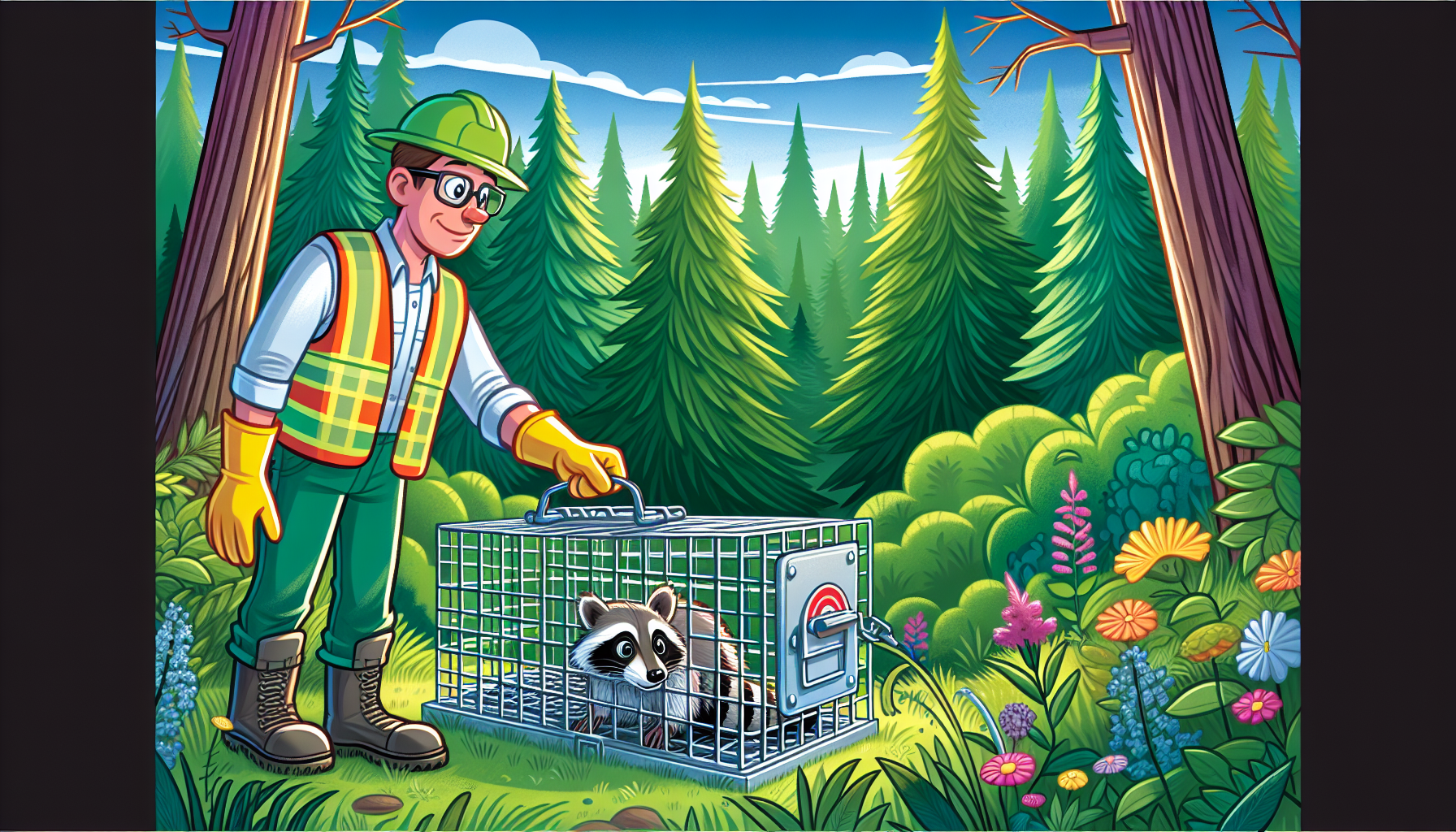
Regular monitoring and proper handling of trapped animals are critical components of humane wildlife trapping. Traps should be checked at least every 24 hours to ensure the well-being of trapped animals. Animals that are left in traps for extended periods may experience stress. They can also become uncomfortable due to the prolonged confinement. Regular monitoring is essential to minimize stress for trapped birds. Additionally, a swift release is crucial to prevent further harm.
We will explore the importance of regular trap checks and safe animal handling practices. These practices prioritize both ethical treatment and effective wildlife management.
Regular Trap Checks
Frequent inspections of traps help ensure that the welfare of the caught animals is prioritized. Snare traps should be checked regularly to maintain their effectiveness and minimize risks. Regular checks are crucial for preventing unintended captures. They also help to reduce stress on animals that may be trapped.
Regular trap inspections prioritize both ethical practices and animal welfare.
Safe Animal Handling
Humane handling requires knowledge of managing a trapped animal before setting a trap. Handle the trapped animal with care. This will help minimize both stress and injury during transportation. Once the animal has been trapped, it is important to handle it gently. Treating it in a humane manner is essential.
Transport the trapped animal to a safe and suitable location for release. Captured wildlife should be carefully relocated to an appropriate location to ensure their well-being. After capturing an animal, it is important to relocate it to a suitable habitat away from residential areas.
Wildlife removal experts possess the training necessary for the safe handling of captured animals.
Post-Trapping Procedures
Post-trapping procedures are essential to prevent wildlife from returning. Proactive exclusion methods, such as sealing entry points, help prevent wildlife from accessing your property. After trapping an animal, it is vital to prevent its return by repairing any identified entry points. Allowing animals to return to their home range post-capture can lead to reoccurring conflicts with new wildlife.
Implementing habitat modifications can significantly reduce wildlife presence by removing essential resources such as food, water, and shelter. We will explore the importance of sealing entry points and making habitat modifications to ensure long-term solutions.
Sealing Entry Points
Effectively sealing entry points helps deter not only the trapped animal but also other wildlife from entering the premises. Seal holes or gaps in walls, secure loose vent covers, and cap chimneys to prevent wildlife access.
Barriers such as screens and covers can be used to protect potential entry points from wildlife.
Habitat Modification
Habitat modification includes changing the environment. This is done to make it less appealing to wildlife. Effective habitat modification can significantly reduce human-wildlife conflicts by altering the environment.
For example, providing specific plant types, such as hard and soft mast, can effectively attract or deter certain wildlife species. These changes create a less inviting environment for unwanted wildlife, reducing the likelihood of future conflicts.
Preventive Measures for Long-Term Solutions
Preventing wildlife infestations involves eliminating food and shelter sources around properties. Adjusting landscaping and removing food sources can significantly reduce wildlife intrusion. Proactive steps to deter wildlife include keeping the yard clean, removing debris and clutter, and using gravel or fencing. Prevention is crucial to avoid wildlife infestations.
We will explore the importance of managing food sources and maintaining property cleanliness as long-term preventive measures. Addressing these root causes creates a less inviting environment for wildlife.
Managing Food Sources
Before:
Proper storage of pet food in sealed containers can effectively minimize its attractiveness to wildlife. Feeding pets indoors rather than outside helps prevent wildlife from being attracted to human food sources. Regularly cleaning up fallen fruits and nuts from trees can reduce wildlife foraging in residential areas. Using trash cans with tight-fitting lids helps to deter wildlife from scavenging in garbage.
After:
To minimize wildlife attraction, consider the following strategies:
- Properly store pet food in sealed containers.
- Feed pets indoors rather than outside.
- Regularly clean up fallen fruits and nuts from trees.
- Use trash cans with tight-fitting lids.
These practices can help deter wildlife from scavenging in residential areas.
Regular cleaning and maintenance of outdoor areas can significantly reduce the potential food sources that attract wildlife. Proper disposal of food waste and securing garbage can prevent wildlife from being lured onto properties. Understanding the varying food preferences of different wildlife species is crucial for minimizing their presence.
Maintaining Property Cleanliness
Keeping properties clean can significantly reduce the likelihood of attracting wildlife. Regularly cleaning up food scraps and debris is crucial for discouraging visits from wild animals. Securing trash cans and removing potential food sources are essential steps in wildlife prevention.
Habitat modification, such as trimming vegetation, can make areas less inviting to wildlife. Regular maintenance practices enhance property value while minimizing wildlife-related issues.
Choosing a Professional Wildlife Removal Service
Humane wildlife removal ensures the safety and well-being of both humans and animals. At NYC Extermination, we believe humane wildlife control minimizes suffering, stress, and harm to pest species. Asking for a written estimate helps with budgeting and identifies unethical fees and practices. Getting referrals from reputable sources can help ensure you select a humane wildlife removal service. When choosing a wildlife control company, prioritize professional, humane, and eco-friendly tactics.
Hiring licensed and insured wildlife removal teams ensures compliance with laws and provides liability protection. At NYC Extermination, we possess knowledge of regulations for capturing and relocating species, ensuring that wildlife management practices are effective and humane. Our wildlife removal experts have the necessary knowledge and skills for dealing with challenging situations.
Checking Credentials
When hiring a wildlife removal service, checking credentials is crucial to ensure we are qualified and trustworthy. Look for a wildlife removal service that is licensed and insured to operate in your area.
Ensure that the chosen service uses humane and ethical methods for wildlife management, adhering to best practices. Verifying credentials, licenses, and ethical practices leads to effective and humane wildlife removal solutions.
Ensuring Ethical Practices
A reputable wildlife removal team, like NYC Extermination, guarantees humane techniques for handling and relocating animals. It is essential to choose a wildlife removal service that prioritizes humane and ethical practices during wildlife management.
Contact NYC Extermination Today!
NYC Extermination offers 24/7 wildlife removal services for various animals, including raccoons, skunks, and squirrels. Our company is fully licensed and insured, ensuring humane removal in compliance with New York laws. We provide damage repairs and preventive measures following wildlife removal to seal entry points. Our services include attic restoration and cleaning after wildlife infestations.
Contact can be made via phone at 347-650-2446 or through email at info@nycextermination.com. We focus on humanely removing various wildlife, ensuring compliance with local wildlife regulations. We offer a comprehensive service that includes damage repairs and prevention after animal removal.
Summary
Humane wildlife trapping is essential for maintaining a balanced and respectful coexistence with wildlife. By understanding the principles of humane trapping, identifying target species, and following legal regulations, we can effectively manage wildlife conflicts without causing harm. Selecting the right traps, setting them up correctly, and monitoring them diligently ensures that our efforts are both ethical and successful.
Implementing post-trapping procedures and preventive measures helps prevent future wildlife issues, fostering a harmonious relationship with nature. By choosing professional wildlife removal services that prioritize humane practices, we can ensure that both humans and animals are treated with respect and care. Let’s commit to humane wildlife trapping and create a safer and more compassionate environment for all.
Frequently Asked Questions
What is humane wildlife trapping?
Humane wildlife trapping prioritizes the ethical treatment of animals by minimizing pain and suffering during capture and ensuring their safe relocation. This method emphasizes compassion and respect for wildlife.
Why is it important to identify the target species?
Identifying the target species is crucial as it allows for the application of specific control methods that ensure both effectiveness and humaneness in trapping. This precision ultimately leads to better management of wildlife populations.
What are some legal considerations in wildlife trapping?
It is essential to comply with local wildlife laws, obtain the necessary permits, and understand the protections for specific species when engaging in wildlife trapping. Failure to adhere to these legal considerations can lead to serious consequences and ensures the humane treatment of animals.
How can I ensure the traps are set up correctly?
To ensure traps are set up correctly, test their functionality and place them in strategic locations that align with animal behavior, while employing effective baiting techniques to attract your target species. This approach will significantly improve your chances of successful trapping.
What should I look for in a professional wildlife removal service?
It is essential to select a professional wildlife removal service that possesses proper credentials, is licensed and insured, and adheres to humane and ethical wildlife management practices. This ensures both the safety of the animals and compliance with legal standards.
Recent Comments