

Humane wildlife trapping effectively and ethically controls squirrel infestations. This method captures and relocates squirrels safely, protecting your home and the animals. In this article, we’ll explore how humane wildlife trapping helps control squirrel infestations, along with the benefits and steps of humane squirrel trapping.
Key Takeaways
- Humane wildlife trapping focuses on ethical methods that prioritize the well-being of squirrels while effectively managing infestations.
- Legal compliance is crucial in humane trapping, requiring awareness of local regulations and appropriate permits for squirrel removal.
- Professional squirrel removal services offer expertise in humane trapping techniques and ongoing maintenance to prevent future infestations.
The Importance of Humane Wildlife Trapping
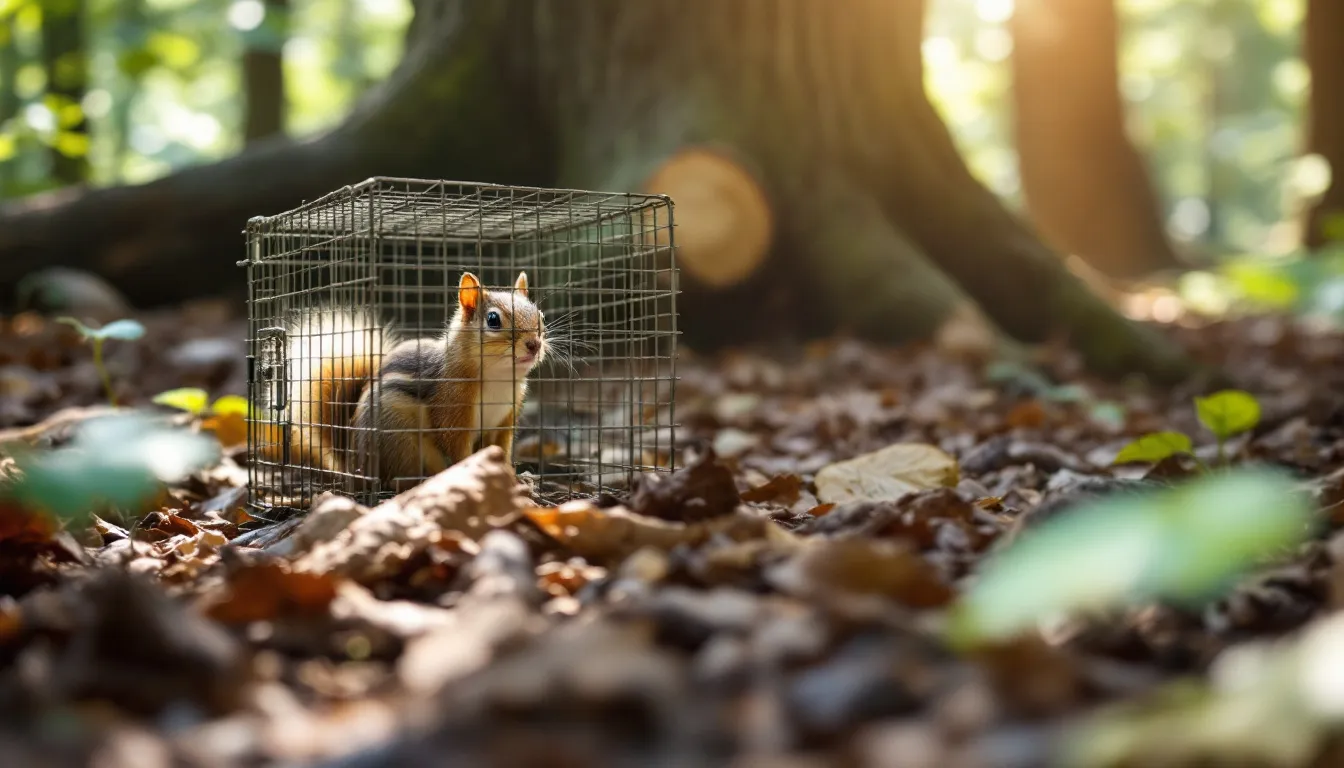
Humane wildlife trapping is about more than just removing nuisance animals; it’s about ensuring that the process is ethical and respects the well-being of the animals involved. Implementing ethical strategies for wildlife management aims for the peaceful coexistence of humans and wildlife, allowing us to live together safely and harmoniously. Humane trapping methods prioritize the safety and well-being of the animal while effectively managing squirrel populations. This approach not only addresses the immediate problem but also aligns with broader ethical considerations.
Professional squirrel removal services specialize in humane methods and provide effective solutions to manage squirrel infestations without causing unnecessary harm. Choosing humane traps and strategies helps avoid the negative consequences linked to more lethal methods. These humane methods offer a safe and effective way to control squirrel populations, ensuring that your home remains protected without compromising on ethical standards.
Humane wildlife control offers numerous benefits over traditional, more harmful methods. Not only are these wildlife control methods more compassionate, but they also comply with legal requirements and provide lasting solutions. The following sections will delve deeper into the ethical considerations, legal requirements, and benefits of skedaddle humane wildlife control and humane wildlife trapping.
Ethical Considerations
The ethical treatment of animals is central to humane wildlife trapping. It emphasizes the importance of respecting animal welfare. Humane methods allow for the control of squirrel populations in a compassionate way, prioritizing the safety and well-being of both squirrels and humans. Humane traps capture squirrels alive without causing harm, promoting responsible wildlife management.
Ethical wildlife control prioritizes safe solutions that avoid harming animals, demonstrating responsible pest management practices.
Legal Requirements
Humane trapping is generally allowed by law, but it’s essential to be aware of local regulations. Consider the following:
- Certain states have specific regulations regarding trapping.
- They may require individuals to obtain a permit or license.
- Before setting a trap, check for required permits or restrictions.
- Ensure accurate identification of the squirrel species, as this impacts the choice of trapping methods and legal considerations.
Local wildlife laws specify protected species, species that can be trapped, and permitted methods, so understanding these local laws is crucial for lawful squirrel trapping.
Benefits Over Lethal Methods
Humane wildlife control offers a range of benefits over lethal methods:
- It is an ethical approach that doesn’t harm squirrels.
- It complies with wildlife protection laws.
- Humane traps, such as live cage traps, are commonly used for squirrel trapping.
- These traps avoid cruelty and bad smells.
Harmful methods can lead to disease, legal trouble, and unnecessary guilt, whereas humane trapping ensures a safe, effective solution for managing squirrel populations.
How Humane Wildlife Trapping Works
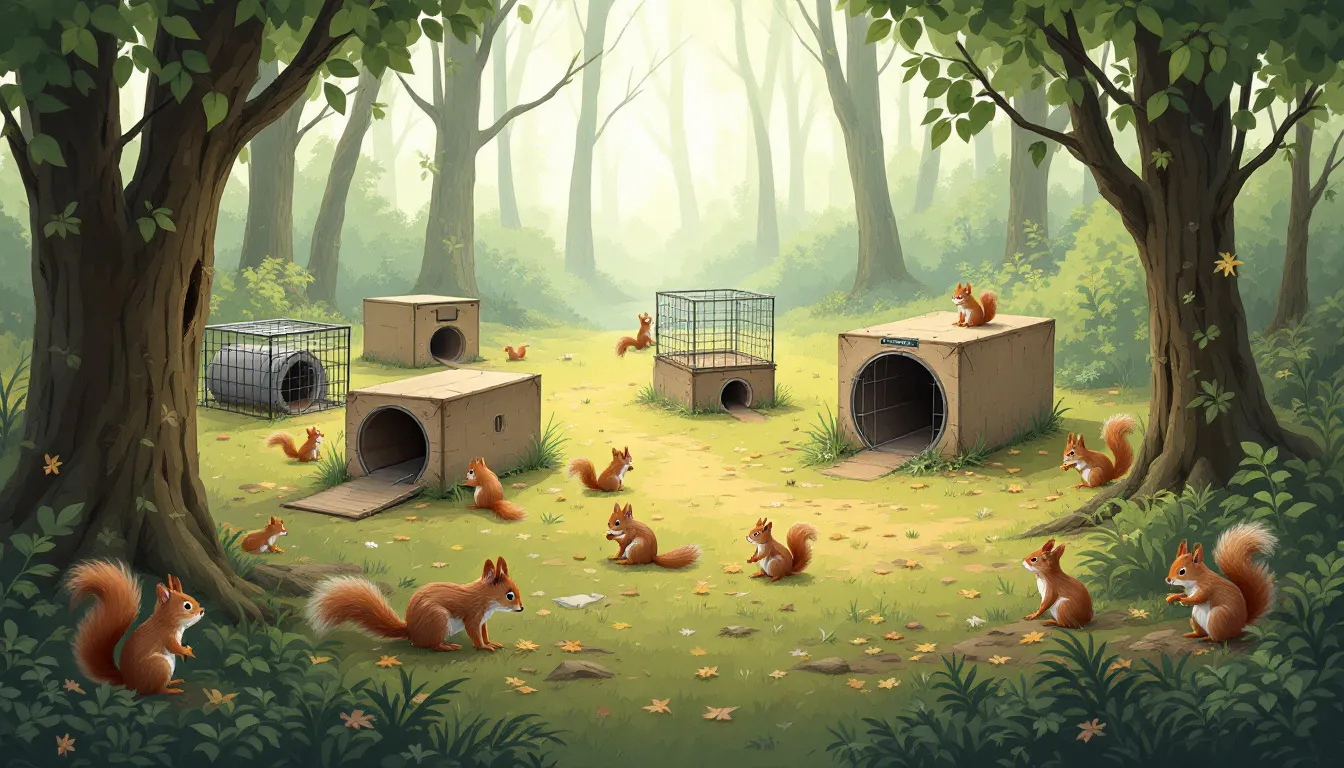
The process of humane wildlife trapping begins with identifying the wildlife causing the disturbance and understanding their behavior. Correctly identifying the animal is necessary to choose the appropriate trapping method and comply with legal requirements. Humane wildlife trapping aims to manage wildlife encounters with care and respect for nature, using effective and ethical strategies.
Humane squirrel trapping methods involve a series of steps designed to safely and effectively capture and relocate squirrels. This includes identifying the specific squirrel species present, selecting the right trap, and employing safe relocation techniques. Following these steps allows you to manage squirrel populations safely for both the animals and your property.
The following subsections will provide detailed guidance on each step of the humane trapping process, from identifying squirrel species to choosing the right trap and safely relocating the captured animals.
Identifying Squirrel Species
The first step in humane squirrel trapping is identifying the specific species causing problems. Common tree squirrels include several species. These are the eastern gray squirrel, fox squirrel, red squirrel, tassel-eared squirrel, and western gray squirrel. Signs of a squirrel problem in a home may include scratching noises, visible damage, or the smell of urine.
Understanding squirrel behavior, such as nesting and hoarding food, can also help in identifying and managing squirrel infestations.
Choosing the Right Trap
Effective and humane squirrel trapping requires selecting the right squirrel trap. Live cage traps are preferred for safely capturing animals without harm. The recommended size for a humane cage trap for squirrels is 5 x 5 x 18 inches, and they can be constructed from wood, plastic, or sheet metal.
Placing bait fully inside the trap ensures a successful capture. Position traps near home entrances or areas of squirrel activity for maximum effectiveness.
Safe Relocation Techniques
Once squirrels are trapped, safe relocation techniques are crucial for their well-being. Careful handling and transport help minimize stress and injury to the trapped animals, including a baby squirrel, and safely capture their needs during the process.
Trapped squirrels should be relocated to a suitable habitat far from residential areas to promote their adaptation. It’s recommended to release trapped squirrels close to their original location to help them adapt. Monitoring traps every 24 hours ensures humane treatment and timely relocation.
Effective Humane Trapping Methods
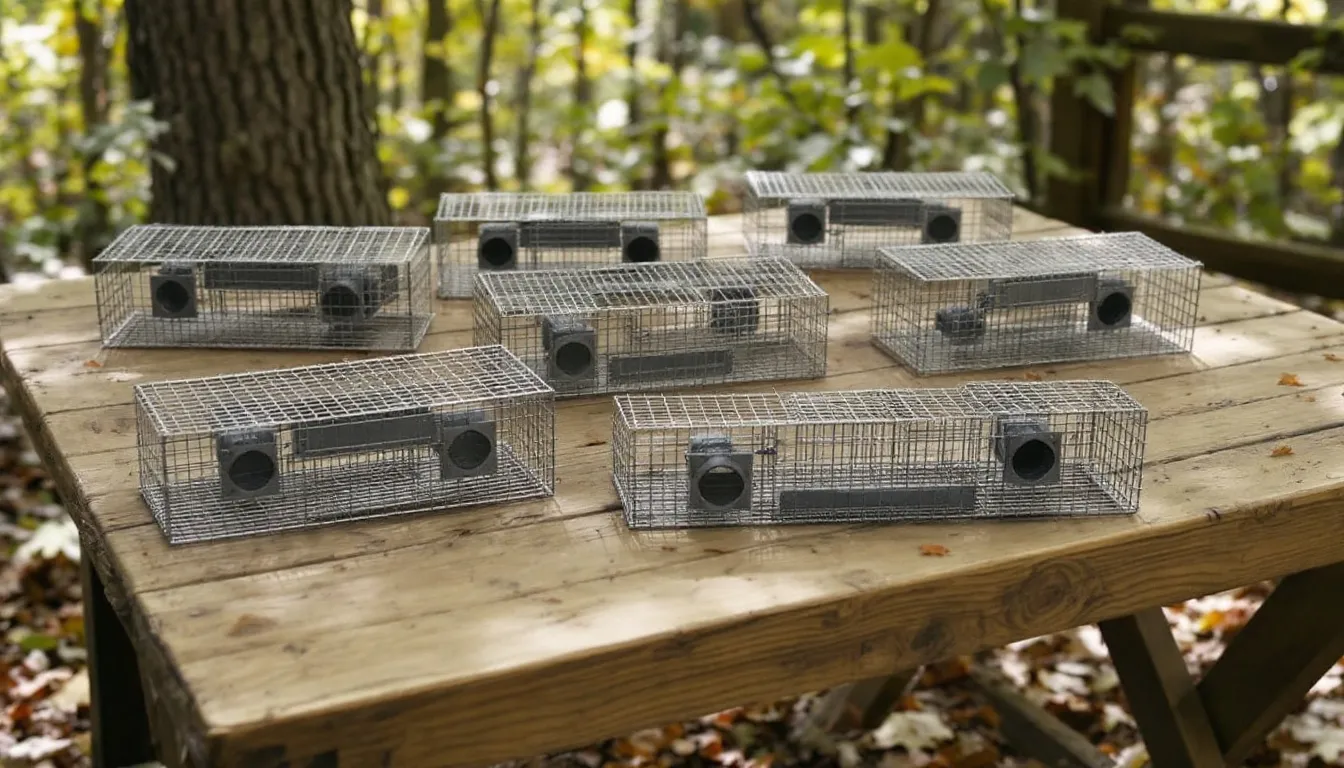
Effective humane trapping methods primarily aim to catch squirrels alive and allow for their release without pain. There are several common methods for trapping squirrels. These include live traps, exclusion devices, and natural deterrents. These methods can prevent harm to squirrels while addressing infestation problems.
Motion-activated sprinklers and ultrasonic repellents are innovative tools that scare squirrels away without harming them. Additionally, natural scents like predator urine, peppermint oil, and vinegar can effectively deter squirrels from entering areas. Combining these various methods creates a comprehensive approach to humanely managing squirrel populations.
The following subsections will delve into specific humane trapping methods, including live cage traps, ultrasonic repellents, and natural deterrents, to provide practical solutions for managing squirrel infestations.
Live Cage Traps
Live cage traps are designed to capture squirrels without causing them injury, allowing for safe relocation. These traps are a humane option for squirrel trapping and are effective when placed near plants, fruits, and bird feeders. Nuts, carrot pieces, and apple slices are common bait to attract squirrels into traps.
The Gonzo Safe Haven Live Catch Trap and the Rugged Ranch Squirrelinator Live Trap are popular choices for humane squirrel trapping.
Ultrasonic Repellents
Ultrasonic devices emit high-frequency sound waves that irritate squirrels but are completely harmless to them. These devices are effective tools for deterring squirrels and can be installed in areas like the attic, garden, or garage for maximum effectiveness.
Ultrasonic repellents offer a non-invasive and humane method to keep squirrels away from your property.
Natural Deterrents
Natural deterrents, such as peppermint and garlic, are particularly effective at keeping squirrels away from gardens. Applying peppermint oil around your home can discourage squirrels from approaching the area. Scent-based solutions like vinegar-soaked rags or mothballs can help deter unwanted squirrels.
Products like Squirrel Stopper Repellent and IMG Squirrel Repellent Granular are safe options for protecting your garden and ensuring a safe environment for pets and children.
Managing Squirrel Infestations in Different Areas
Squirrels can cause significant structural damage to homes, often requiring professional removal services. They can chew through wood, plastic, and electrical wires, and dig holes in lawns and gardens. Preventing squirrel damage involves securing vulnerable areas and using deterrents like motion-activated sprinklers or ultrasonic devices.
Managing squirrel infestations effectively requires tailored strategies for different areas of your property. From attics and gardens to roof and tree entry points, each area presents unique challenges and solutions. The following subsections will provide detailed guidance on handling squirrel infestations in various parts of your property.
Attic Infestations
Attic infestations are common and can cause significant damage. Signs of a squirrel infestation include:
- Chewed areas on wooden structures
- Increased activity near the home
- Scratching noises in the walls or attic
- Presence of small cylindrical droppings.
Live traps designed for squirrels can be an effective humane method to remove them from the attic. It is crucial to prevent future infestations by sealing potential entry points. Materials resistant to chewing, such as steel mesh or hardware cloth, are effective for this purpose.
Garden and Yard Protection
Protecting gardens and yards from squirrels involves using physical barriers such as netting and fence lines. Installing netting or fencing can keep squirrels out of vulnerable garden areas.
Keeping your yard clean, removing debris, and securing trash cans reduces the availability of food sources that attract squirrels.
Roof and Tree Entry Points
Securing roof vents and pruning tree branches that touch the roof are essential steps in preventing squirrels from entering homes. These entry points provide easy access for squirrels, so it’s important to trim tree branches and block potential entry points with durable materials.
Preventing Future Squirrel Infestations
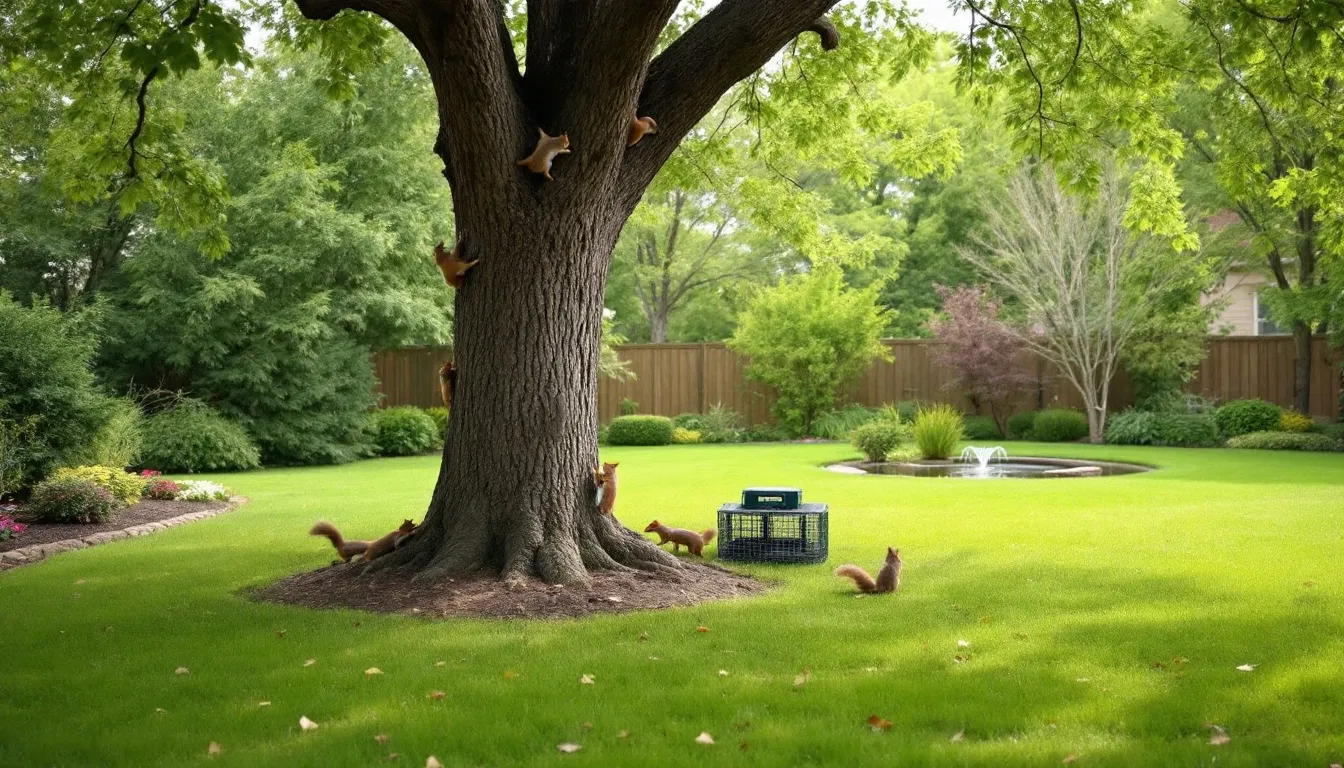
Preventing future squirrel infestations involves a combination of strategies, including:
- Sealing entry points (home exclusion), which is the most effective method.
- Maintaining clean environments by removing food sources, such as securely covering trash bins to reduce squirrel attraction to yards.
- Regular monitoring to detect and address any issues early.
Natural substances that repel squirrels include red chili flakes, crushed garlic, and peppermint oil. These strong scents and predator urine can be used as effective natural deterrents.
Regular maintenance services are strongly recommended to prevent squirrel entry, and professional removal services often include preventive strategies to minimize future infestations.
Sealing Potential Entry Points
Sealing potential entry points for squirrels is crucial to preventing future infestations. Recommended materials for sealing squirrel entry points include durable options like metal, steel mesh, or hardware cloth.
After relocating squirrels, assess and repair potential entry points, sealing gaps and securing vent covers to prevent their return.
Maintaining Clean Environments
Maintaining clean environments is vital to deter squirrels from making your home their own and to preserve their natural habitat. Common attractants for wildlife, including squirrels, include easy access to food, water, or shelter.
Reducing squirrel attraction involves removing fallen fruits or nuts from the yard and securely covering trash bins to eliminate food sources.
Regular Monitoring and Maintenance
Regular monitoring and maintenance are essential to keeping your property squirrel-free. Addressing new potential access points promptly during property checks is key to preventing re-infestations. Conducting regular property checks helps identify and address potential issues before they escalate.
Establishing consistent maintenance routines creates an environment less hospitable to squirrels.
Professional Squirrel Removal Services
Choosing professional services like NYC Extermination ensures:
- Effective and humane squirrel removal
- Protection of both properties and local wildlife
- Use of humane methods and reliable assistance
- Reduction of health risks associated with diseases spread by harmful control practices
Consulting a professional wildlife removal service is advisable if the nuisance wildlife squirrel population becomes unmanageable.
Expertise and Tools
Involving a wildlife specialist for squirrel removal is crucial as they have the expertise and equipment for safe and humane handling. We at NYC Extermination provide valuable experience, resources, and methods for effective squirrel removal.
Common squirrel removal techniques employed by professionals include live trapping and exclusion methods, which ensure humane handling.
Comprehensive Solutions
Professionals provide expert assistance and implement ethical removal methods. Identifying and sealing potential entry points is part of professional squirrel removal services.
Wildlife specialists recommend ongoing maintenance and regular inspections after removing squirrels to prevent future infestations. Ineffective or harmful attempts at DIY squirrel removal may prolong the problem.
Benefits of Professional Help
Engaging experts increases the likelihood of successful removal by employing techniques that address the root causes of the problem. Hiring NYC Extermination ensures a humane and efficient approach to handling wildlife infestations.
Contact NYC Extermination Today!
If you’re dealing with a squirrel infestation, don’t hesitate to contact NYC Extermination. Since 1929, we have been providing squirrel control services, specializing in both residential and commercial properties. Our team offers comprehensive assessments to identify entry points used by squirrels and implements effective sealing solutions to keep your property secure.
We also install one-way traps that allow squirrels to leave without re-entering, ensuring a humane and effective solution to your infestation problems. Professional help is crucial to prevent further damage from squirrel infestations and to maintain the integrity of your property.
You can reach us through our toll-free number or by filling out a quick quote form for immediate assistance. Let NYC Extermination provide the expert help you need to keep your home safe and squirrel-free.
Summary
Humane wildlife trapping is an effective and ethical way to manage squirrel infestations. By prioritizing the safety and well-being of the animals, you can protect your property while respecting wildlife. From identifying squirrel species to choosing the right traps and safe relocation techniques, humane methods offer a comprehensive solution to squirrel problems.
Preventing future infestations involves sealing entry points, maintaining clean environments, and regular monitoring. Professional services like NYC Extermination provide the expertise and tools needed for successful squirrel removal, ensuring a humane and efficient approach.
Remember, managing squirrel infestations doesn’t have to be cruel or harmful. By adopting humane methods, you contribute to a kinder and more balanced ecosystem. Contact NYC Extermination today and take the first step towards a squirrel-free home.
Frequently Asked Questions
What are the benefits of humane wildlife trapping over lethal methods?
Humane wildlife trapping is a compassionate option that protects both animals and adheres to laws, avoiding unnecessary harm. Plus, it allows for safe relocation without the mess or cruelty associated with lethal methods.
How do I identify the species of squirrels causing problems in my home?
To identify the species of squirrels in your home, look for signs like scratching noises, visible damage, or an odor of urine. Tracking their nesting habits and food hoarding can also provide clues about which type you’re dealing with.
What are some effective humane trapping methods for squirrels?
Humane trapping methods for squirrels include using live cage traps that safely capture them without harm, as well as employing exclusion devices and natural deterrents like peppermint oil to keep them at bay. These approaches ensure the squirrels are handled kindly while protecting your space.
How can I prevent future squirrel infestations?
To keep those pesky squirrels away for good, seal any entry points and keep your surroundings tidy. Plus, make sure food sources are secured and consider using natural deterrents like peppermint oil.
Why should I hire professional squirrel removal services?
Hiring professional squirrel removal services ensures an effective and humane approach to getting rid of squirrels, complete with expert tools and ongoing maintenance to prevent future infestations. It’s the smart choice for a hassle-free solution!
Recent Comments