

Need to stop termites from damaging your property? Learn the best practices for termite prevention that shield your home against these destructive pests. This article will guide you through proactive measures such as addressing moisture issues, sealing potential entry points, and using termite-resistant materials. Get advice on protecting your residential fortress without the sales jargon or unnecessary details.
Key Takeaways
- Effective termite prevention hinges on moisture control, sealing gaps and cracks in the home’s structure, and choosing termite-resistant building materials.
- Regular home maintenance, such as proper mulching techniques, removing dead trees and stumps, and keeping the yard clean, is critical in deterring termite infestations.
- Professional termite prevention services offer the expertise and specialized methods required for thorough protection. They highlight the limitations of DIY approaches and the importance of regular termite inspections.
Essential Termite Prevention Methods

The foundation of a successful termite prevention plan lies in knowing how to deter these pests from making your home their feeding ground. It all boils down to three pivotal actions: moisture control, sealing gaps and cracks, and selecting termite-resistant materials. Mastering these techniques sets the stage for a fortress-like home that termites will find difficult to penetrate.
Imagine your home as a fortress against the termite siege. The key to securing this fortress lies in a few essential practices that can save you from the heartache and excessive costs of termite damage. This isn’t merely about avoiding the issue; it’s also about setting up the appropriate defenses to guarantee your peace of mind in the coming years.
Moisture Control
Termites, including dry wood termites, are not just seeking food; they’re on an endless quest for moisture. As termites feed on wood, your home can either be a desert or an oasis, and its moisture control makes all the difference. Start with the basics: fix those leaky faucets, ensure your gutters are clear of debris, and keep an eye on your basement and crawlspaces to nip humidity in the bud.
However, this isn’t merely about addressing the visible issues; it’s about taking proactive measures. Employ a vapor barrier in your crawlspaces and ensure your property has appropriate grading for optimal drainage. Reducing moisture does more than deter termites; it also safeguards the structural integrity of your home.
Sealing Gaps and Cracks
Regarding termite prevention, your home’s foundation and roofline are the front lines. Regular inspections can reveal hidden passageways that termites use to stage their invasion. Here are some steps you can take to prevent termites:
- Seal gaps with pest-deterrent materials like copper mesh or silicone caulk.
- Install door sweeps to keep termites from entering through gaps under doors.
- Install vent screens to prevent termites from entering through vents.
Following these termite control methods and termite prevention tips can help protect your home from termite infestations.
Sealing isn’t a singular task; it’s a continuous process. Utilities entering your house are potential entry points for termites. Ensure that there’s no welcome sign for termites where your water and gas lines meet your foundation. A well-sealed home is a fortress that even the most determined termite can’t breach.
Termite-Resistant Materials
The materials you choose for your home can be a termite’s dream or nightmare. Some options to consider are:
- Pressure-treated wood is like a shield, infused with chemicals that termites can’t stomach.
- Redwood: This wood is less appealing to termites’ palates.
- Bald cypress: Another wood that termites are less likely to be attracted to.
You can help protect your home from termite damage by choosing these materials.
However, your choice isn’t limited to wood. Composite materials should be used for construction, as they can resist termite attacks without chemical treatments. In doing so, you’re preventing termites and creating a legacy with materials that can withstand both time and termites.
Landscape Maintenance and Termite Prevention
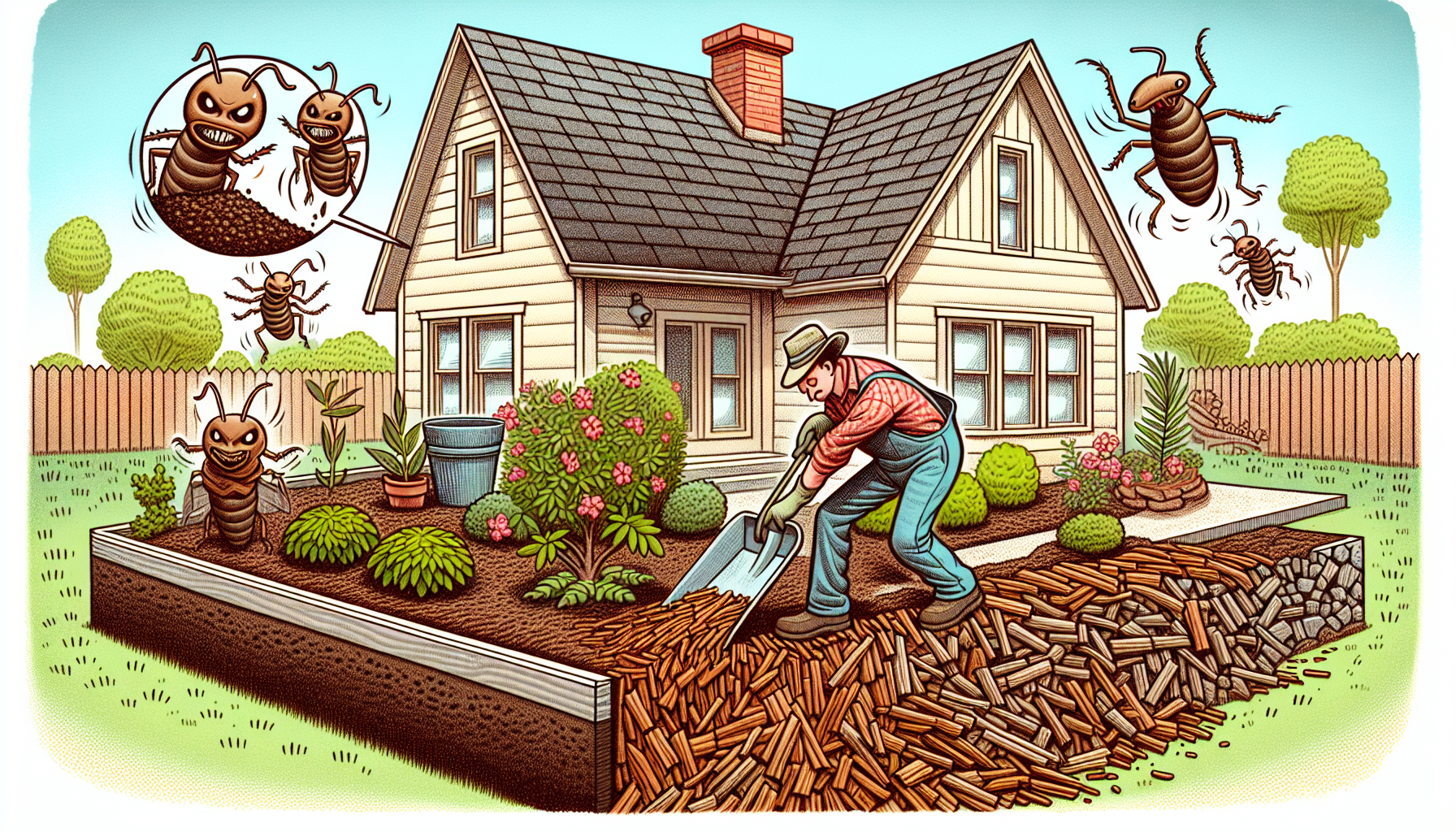
Stepping outside, the battle against termites continues in your very own backyard. A well-maintained landscape isn’t just about curb appeal; it’s a critical defense strategy against termite infestations. From the trees casting shadows on your home to the mulch in your flower beds, every detail can influence whether termites see your property as a potential target.
Think of your yard as the moat around your castle. The more diligent your maintenance, the less likely termites will invade it. Proper pruning, strategic planting, and debris removal are not just gardening tasks; they’re termite prevention tactics that fortify your home from the outside in.
Proper Mulching
Mulch is a double-edged sword; it can beautify your garden and, if not used correctly, provide a haven for termites. Cedar and cypress heartwood mulches are like knights in shining armor, naturally repelling termites with their inherent properties. If you’re in the market for something different, consider melaleuca mulch, which packs natural oils that termites despise.
However, the process isn’t merely about selecting the right mulch but also how you utilize it. Keep mulch safe from your home’s foundation, or opt for inorganic alternatives like rubber mulch. This way, you’re not just decorating your garden but setting up a termite-resistant barrier.
Tree and Stump Removal
Dead trees and rotting stumps are not just eyesores; they’re termite buffets waiting to happen. Removing these decaying relics from your yard cuts off a significant food source for termites, making your property less appetizing.
This is more than just about appearance; it’s about eliminating any attraction for termites. By keeping your yard free of these potential termite hotspots, you’re not just cleaning up; you’re setting up a no-feeding zone for pests.
Yard Cleanliness
A clean yard is your home’s first line of defense. Proper firewood storage is essential; keep it off the ground and away from your home to prevent termites from using it as a bridge to your walls.
But the cleanliness campaign doesn’t stop there. Regularly remove wood debris, and keep your trees and shrubs in check. It’s not just about tidiness; it’s about creating a landscape that termites find inhospitable.
Protecting Your Home’s Exterior
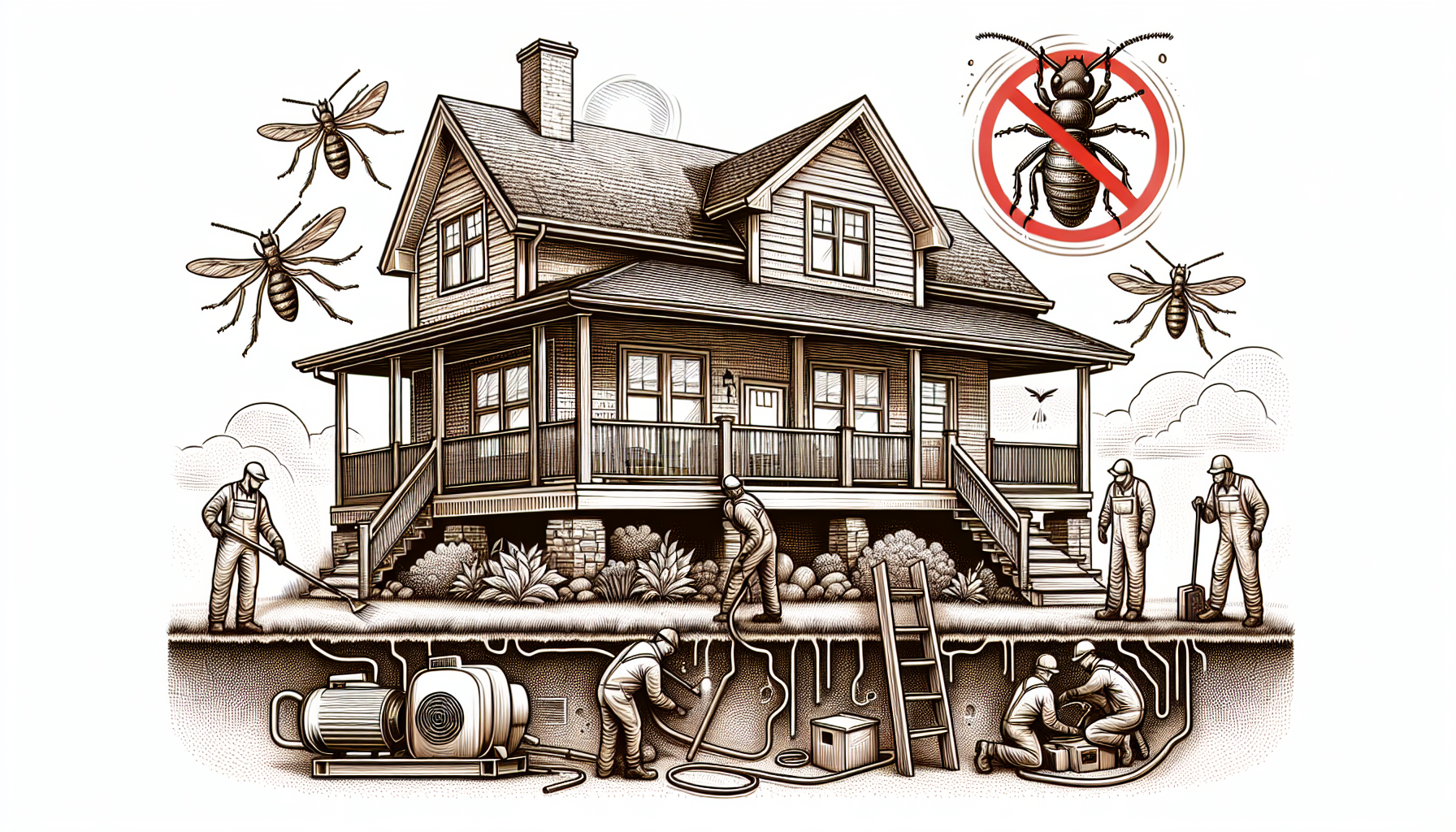
The armor of your home’s exterior can be fortified or compromised based on how you maintain it. Each component plays a part in keeping termites out, from the foundation that rests on the earth to the roof that shelters you from the sky.
It’s not just about what you can see; it’s about what’s hidden. Ensuring proper drainage, sealing eaves, and removing moisture-trapping debris are all crucial tasks that keep termites at bay.
Wood Siding and Trim
Your home’s wood siding and trim are like the drawbridge to your castle; they need to be robust and secure. Seal them properly, and termites will find no entry. Apply heat and moisture-resistant stains or finishes, and you’re not just beautifying your home; you’re armoring it against termite invasions.
It’s not just about sealing once; it’s about continual maintenance. Keep an eye out for cracks and gaps, and fill them promptly. This way, you’re not just maintaining your home but protecting it from future attacks.
Foundation Inspection
Your home’s foundation is like the bedrock of your termite prevention plan. Regular inspections can reveal mud tubes or wood damage that signal a termite presence.
But it’s not just about looking; it’s about understanding. Subterranean termites can sneak through tiny cracks, so inspecting and sealing these vulnerabilities is not just a precaution; it’s a necessity.
Air Conditioning Units and Gas Lines
Often overlooked, air conditioning units and gas lines can be secret passageways for termites. Seal them, maintain them, and keep the areas around them clean, and you’re not just conducting home maintenance; you’re setting up termite barriers.
It’s not just about the initial installation; it’s about the follow-up. Address leaking faucets and pipes promptly and install filters in air intake systems. By doing so, you’re not just preventing water damage; you’re preventing termite invasions.
DIY vs. Professional Termite Prevention
The debate between DIY and professional termite prevention involves two paths. One offers immediate satisfaction with personal involvement, while the other assures expert intervention.
It’s not just about cost; it’s about effectiveness. While DIY methods may seem budget-friendly, they can lead to greater damage and costs in the long run without proper knowledge.
DIY Techniques
DIY aficionados might reach for borate-based products or termite baits, implementing their defense against termites. However, while helpful, these methods often fall short of eradicating existing infestations, highlighting the need for professional termite treatments.
It’s not just about the attempt; it’s about the outcome. Without the proper techniques, DIY termite prevention can become a game of chance with your home’s integrity at stake.
Professional Pest Control Services
Professional pest control services, like pest control companies, offer expertise and a guarantee of termite elimination. They understand termite behavior and use specialized methods to provide thorough protection.
It’s not just about the service; it’s about safety and sustainability. Professionals prioritize environmentally friendly and family-safe products, ensuring that your termite prevention efforts are responsible and effective.
Regular Termite Inspections
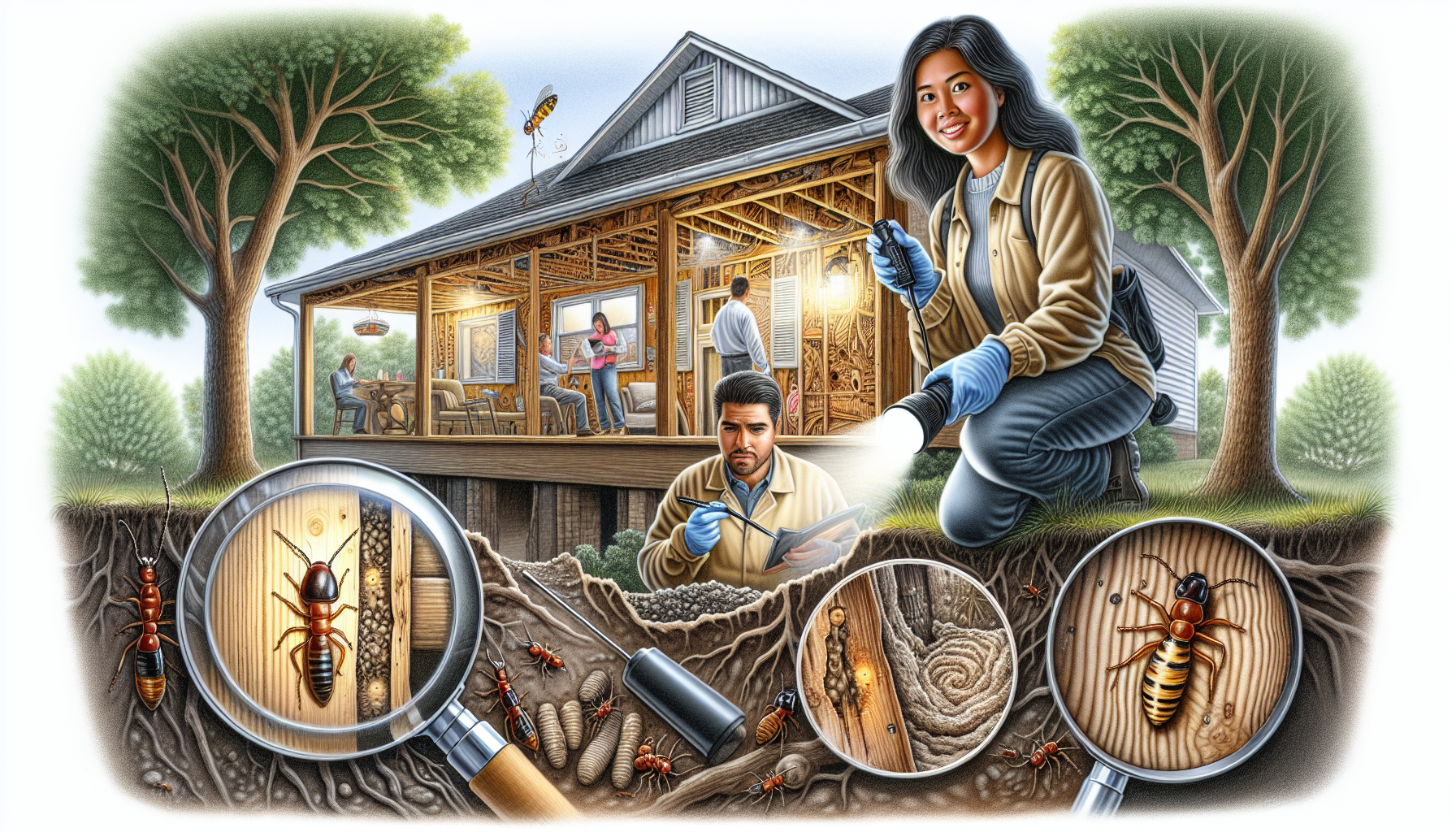
Just as you schedule regular check-ups for your health, your home needs regular termite inspections to catch early signs of termite activity. By doing so, you can prevent extensive damage and ensure the longevity of your home.
It’s not just about finding problems; it’s about maintaining a termite-free environment. Even when no active infestations are detected, professionals can offer customized advice to keep your home safe.
Interior Inspection
Inside your home, during a termite inspection, inspectors look for the tell-tale signs of termite infestation: damaged wood, mud tubes, and termite droppings. They focus on the lowest levels, where termites are most likely to enter and cause damage.
It’s not just about the visible areas; it’s about what’s hidden. Specialized equipment may be used to uncover termite activity that isn’t immediately apparent, ensuring a comprehensive assessment of your home’s vulnerability.
Exterior Inspection
The exterior of your home is just as crucial when it comes to inspections. Professionals carefully examine the foundation, crawl spaces, and utility entry points, seeking evidence of termite activity.
This process isn’t simply about a quick look; it involves a comprehensive assessment. Identifying and addressing any decay or entry points doesn’t only include inspecting your home; it’s also about actively safeguarding it.
Biological Control Agents
In termite prevention, biological control agents offer natural and eco-friendly solutions like the magicians. Beneficial nematodes are one example, targeting termite colonies from the inside out.
However, it’s not just about the natural approach; it’s about ensuring a thorough process. While these agents can be effective, they may not wholly eradicate infestations due to termites’ resilience.
Prevent Termite Infestations in Your Home – Contact NYC Extermination Today!
Don’t let your guard down when it comes to termites. Implementing the best practices outlined here is your first step toward a secure home. But sometimes, termites are a formidable foe, and that’s when you need the heavy artillery.
For the highest level of protection, think about seeking professional help. NYC Extermination offers annual inspections, treatments with cutting-edge termiticides, and waterproofing solutions that fortify your home against future infestations. Don’t wait for signs of termite activity; take action and secure your peace of mind today. Contact us now!
Summary
As we close the chapter on termite prevention, let’s reflect on the key strategies that fortify your home. Moisture control, meticulous sealing, and termite-resistant materials are the bedrock of your defense plan. Landscape maintenance, from proper mulching to tree removal, acts as your home’s protective moat, while regular inspections serve as your vigilant watchtowers, ensuring that no termite slips through the cracks.
Remember, termite prevention is not just a one-time effort; it’s an ongoing commitment to your home’s safety and integrity. Whether you choose DIY methods or professional pest control services, staying proactive is the best way to prevent termite damage. Remember these tips, and you’ll be well on your way to maintaining a termite-free home.
Frequently Asked Questions
What is the best method of termite protection?
The best termite protection method is direct soil treatments to manage living soil-tunneling termites and serve as a barrier to future infestations. Bait systems can also be effective.
Is preventative termite treatment worth it?
Yes, preventative termite treatment is worth it because termites can cause significant and costly damage to your home.
What is the best ground cover to prevent termites?
The best ground cover to prevent termites is a low- or no-cellulose option like pine straw or rubber mulch. Avoid using wood mulches near your house to minimize the risk of termite infestation.
How often should I inspect my home for termites?
Inspecting your home for termites at least once a year to catch early signs of infestation and prevent extensive damage would be best. In areas with high termite activity, more frequent inspections may be necessary.
What are the signs of a termite infestation?
You may have a termite infestation if you notice damaged wood, mud tubes, peeling paint, or termite droppings that look like small piles of sawdust. Be sure to inspect your property regularly for these signs.
Recent Comments