
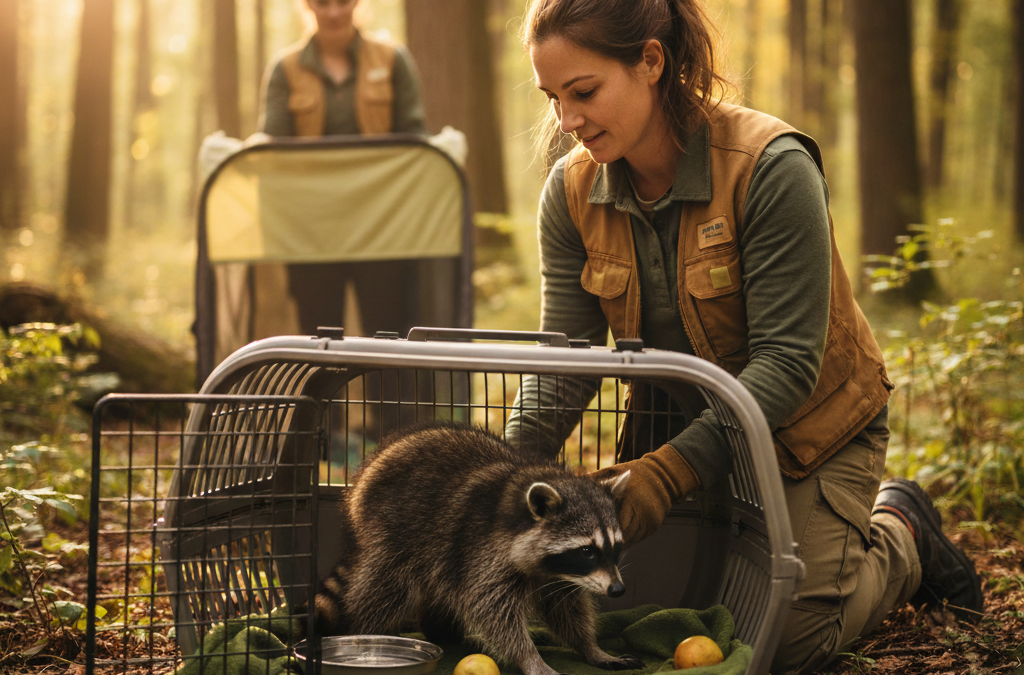
Raccoons in your home? Learn humane raccoon trapping: what every homeowner should know about methods here. Discover signs of infestation, ethical trapping techniques, and safe removal practices every homeowner should know.
Key Takeaways
- Humane raccoon trapping prioritizes the welfare of the animal, using live traps to minimize stress and prevent injuries.
- Identifying signs of a raccoon problem early, such as nocturnal noises and overturned trash cans, can help homeowners prevent extensive property damage.
- Implementing preventive measures, like securing trash bins and sealing entry points, can significantly reduce the likelihood of future raccoon infestations.
Why Humane Raccoon Trapping Matters
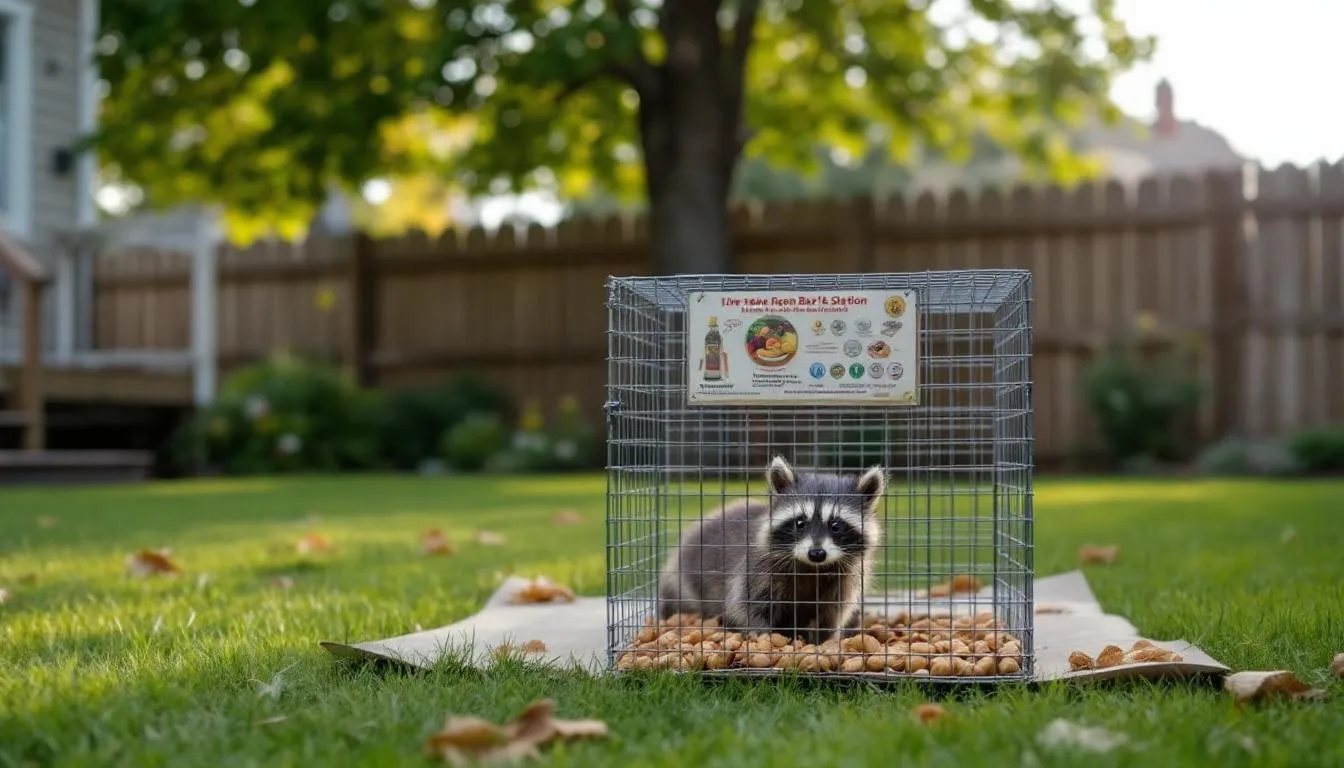
Ethics in wildlife control emphasize the importance of considering the life and welfare of wild animals. Humane wildlife control is not just about removing the nuisance but doing so in a way that minimizes stress and harm to the animal. Laws governing wildlife control prohibit the use of inhumane methods for capturing or killing animals like raccoons, making it essential to use humane methods for raccoon removal.
Humane raccoon trapping strategies often involve live trapping, ensuring the animal is not subjected to pain or stress. This approach not only protects the welfare of raccoons but also helps prevent potential property damage and health risks. Using humane removal methods helps homeowners avoid negative consequences of aggressive trapping techniques, like injuries to raccoons or accidental harm to other wildlife or pets.
Moreover, releasing trapped raccoons within a specific distance from the capture site helps them adapt to new environments and reduces the likelihood of them returning to the same area. This practice aligns with both ethical considerations and legal requirements, ensuring that the process of raccoon removal is both effective and compassionate.
Signs You Have a Raccoon Problem
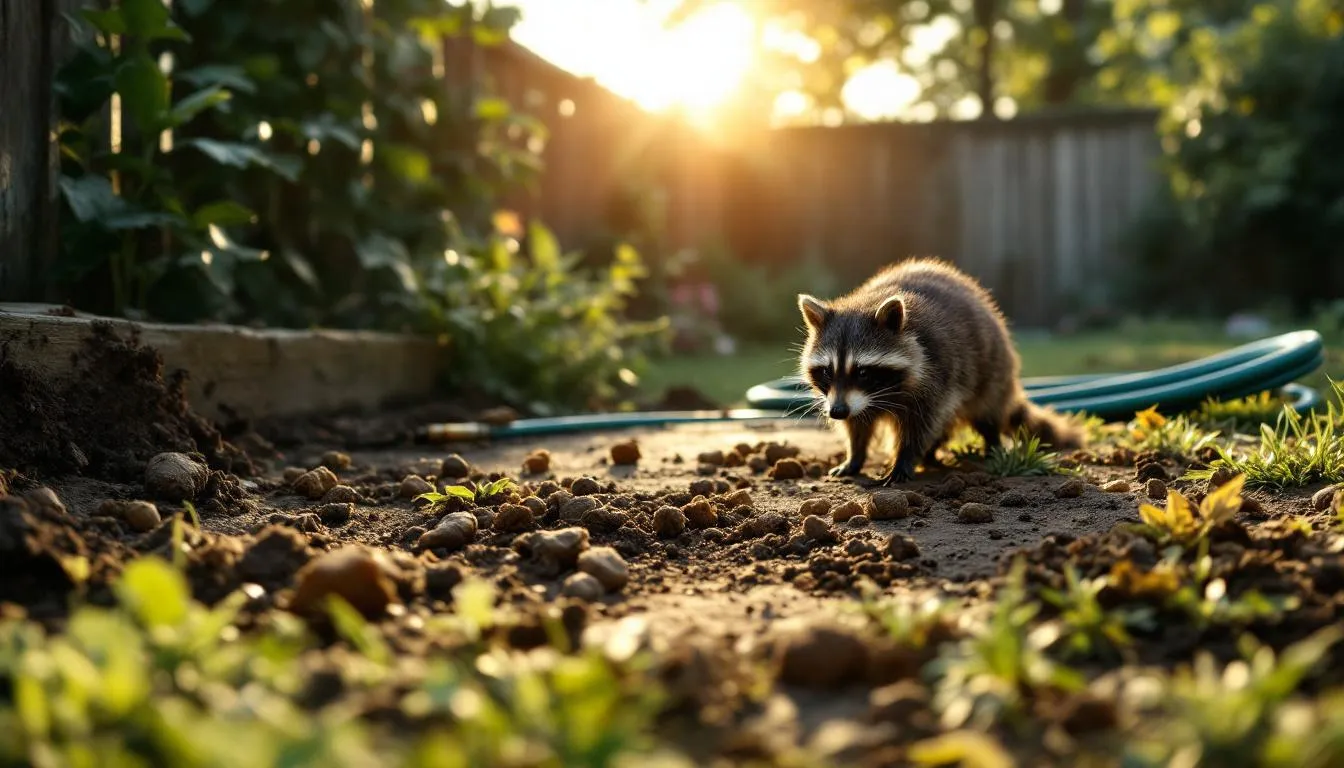
Identifying a raccoon problem early can save you from extensive property damage and potential health risks. Common signs of a raccoon infestation include nocturnal noises, overturned trash cans, and raccoon droppings. Understanding these indicators can help you take timely action and prevent the situation from worsening.
Tracks and Footprints
Raccoon tracks have a distinct appearance:
- They resemble small human hands with five toes.
- You can typically find these tracks near areas where they scavenge, such as around trash bins or garden beds.
- Their distinct hand-like shape makes them easy to identify, helping you confirm the presence of raccoons on your property.
Noises at Night
Raccoons make typical nocturnal sounds such as scratching, thumping, or chittering. These noises are usually heard between 10 p.m. and 4 a.m., aligning with their nocturnal habits.
If you hear such sounds coming from your attic, walls, or outside, it’s a strong indication that raccoons are active in or around your home.
Garden and Lawn Damage
Raccoons are known to cause significant damage to gardens and lawns while searching for food. They may dig up gardens, roll sod, and create noticeable disturbances in their quest for sustenance. This activity can result in serious damage to plants and landscaping, making it essential for homeowners to address the issue promptly.
Understanding Raccoon Behavior
Understanding raccoon behavior is crucial for effective humane trapping and removal. Key characteristics of raccoons include:
- They are highly curious animals driven by their basic needs for food, shelter, and safety.
- They are most active during the night.
- They make distinct sounds.
- They forage in groups to increase their chances of finding food.
By understanding these behaviors, you can better anticipate their actions and implement strategies to trap and remove them humanely.
Opportunistic Feeders
Raccoons are opportunistic feeders attracted to strong smells and can detect food from over a mile away. This remarkable ability often leads them to residential areas where bird feeders, pet food, and other accessible food sources are available.
Managing these attractants can significantly reduce raccoon visits to your home by using natural repellents.
Nocturnal Habits
Raccoons are nocturnal creatures, meaning they are most active at night. They tend to be more inquisitive during these hours, exploring their surroundings and seeking food.
This nocturnal behavior often results in loud rustling and scratching sounds that can be heard late at night.
Preference for Warm, Hidden Spaces
During the colder months, raccoons prefer to seek shelter in warm, hidden spaces such as:
- attics
- basements
- wall voids
- crawl spaces These areas provide the warmth and safety they need to survive the winter, making residential properties particularly attractive during this time.
Humane Trapping Methods
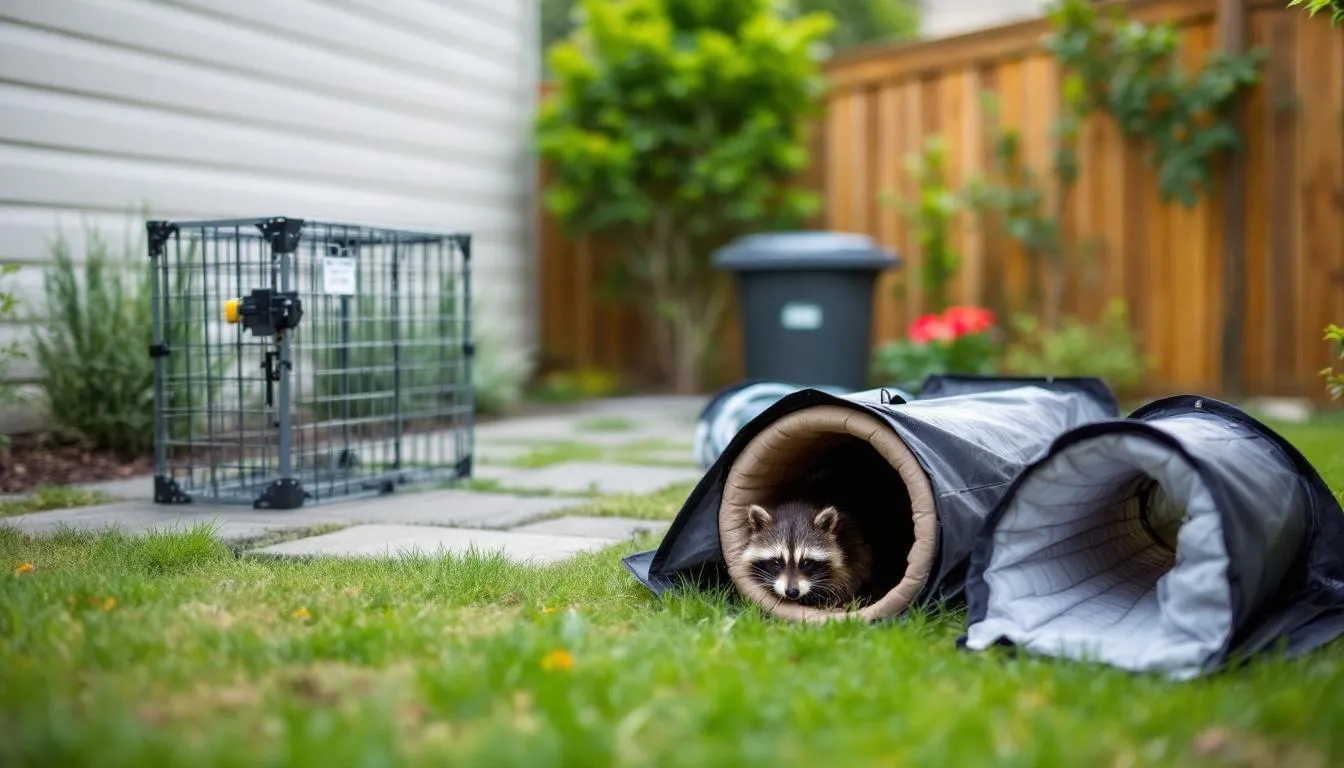
Humane trapping aims to capture raccoons without causing them harm, emphasizing the use of live traps. These traps are designed to prevent injury to the animal and allow for easy handling, making them the preferred choice for humane wildlife control.
Choosing the Right Trap
Live traps are the preferred method for humane raccoon trapping. These live trap are designed to close once the animal enters, ensuring that the raccoon is captured alive without injury.
It’s essential to select a trap that is sturdy enough to withstand the strength of a raccoon and suitable for their size, such as coil-spring or cage traps.
Baiting the Trap
Using enticing bait can significantly increase the chances of attracting raccoons to traps. Strong-smelling foods like canned fish, sardines, or pet food are highly effective.
Additionally, marshmallows and cheese bits can be used to guide the raccoon into the trap, ensuring a successful capture.
Setting the Trap Safely
Setting traps securely is crucial to ensure they remain stable when a raccoon enters. Properly anchoring the traps can prevent tipping and ensure the safety of both the animal and the handler, especially when handled correctly.
This ensures humane and effective trapping to trap raccoons.
What to Do After Trapping a Raccoon
Once you’ve successfully trapped a raccoon, follow specific steps to ensure its safe and humane removal. Understand local regulations, practice safe release methods, and clean and sanitize the area to prevent health risks.
Checking Local Laws
Before removing a raccoon, understand and comply with local wildlife removal laws. In some areas, relocating trapped raccoons without a permit is prohibited, and residents should contact local wildlife control services for assistance.
Safe Release Practices
Safe release practices are crucial for ensuring the humane treatment of trapped raccoons. It’s best to call a professional to handle the raccoon and use materials like 16-gauge wire mesh or metal flashing to seal any entry points to prevent future intrusions.
Cleaning and Sanitizing
Raccoon droppings can pose health risks, containing infections like roundworm that can affect humans and pets. Cleaning and sanitizing traps and any affected areas thoroughly is essential to prevent disease transmission and ensure safety.
Preventing Future Raccoon Problems
Implementing preventive measures can help avoid future raccoon infestations. This involves securing trash bins, sealing entry points, and managing food sources to reduce raccoon attraction to your property.
Securing Trash Cans
Securing trash cans helps prevent raccoon problems. Wildlife-proof trash bins, locking lids, and motion-activated lights effectively deter raccoons from accessing your garbage.
Addressing the trash problem is a key step in getting rid of raccoons and reducing issues with these animals.
Sealing Entry Points
Inspect and seal potential entry points like loose vents, roof gaps, and uncapped chimneys, including attic vents, to prevent raccoons from entering your homeowner home.
Installing chimney caps and securing roof vents can further reduce the risk of raccoon intrusions.
Managing Food Sources
Minimize the risk of raccoon encounters by managing food sources. Keeping pet food indoors and removing bird feeders at night significantly reduces their attraction to your property.
When to Call Professional Help
Sometimes, seeking professional help for raccoon removal is necessary, especially with a nuisance raccoon problem, persistent infestations, or hard-to-reach nests involving a mother raccoon or a rabid raccoon.
Professional wildlife removal services offer safe, humane, and efficient solutions to wildlife problems related to raccoons.
Assessing the Situation
Assess the situation to determine if professional help is needed. Persistent infestations, risks to human health hazards, or significant property damage from uninvited guests indicate that immediate intervention may be necessary.
Professionals can provide a tailor-made treatment plan to ensure successful raccoon removal and prevent future issues.
Benefits of Professional Services
Hiring professional wildlife removal services offers benefits like expertise, efficiency, and adherence to humane practices. NYC Extermination ensures raccoon problems are addressed humanely and in compliance with wildlife conservation laws, providing peace of mind and cost savings compared to DIY methods.
Contact NYC Extermination Today!
If you’re dealing with a raccoon problem, NYC Extermination is here to help. We specialize in safe and humane raccoon trapping and removal, ensuring your property is protected without harming the animals. Our wildlife control experts use proven techniques to address infestations quickly, effectively, and responsibly.
Don’t let raccoons damage your home or pose health risks to your family. Contact NYC Extermination today for professional raccoon removal and trusted wildlife control solutions that give you peace of mind.
Summary
Humane raccoon trapping is not only an ethical obligation but also a practical necessity. By recognizing the signs of a raccoon problem, understanding their behaviors, and implementing humane trapping methods, you can effectively manage and remove raccoons from your property. Remember to comply with local laws, practice safe release methods, and clean and sanitize affected areas to prevent health risks.
Preventive measures, such as securing trash cans, sealing entry points, and managing food sources, are essential for avoiding future raccoon problems. When in doubt, seek professional help to ensure safe and humane removal. NYC Extermination is here to provide expert services and peace of mind. Don’t hesitate to contact us for all your wildlife control needs.
Frequently Asked Questions
What are the common signs of a raccoon infestation?
The common signs of a raccoon infestation include nocturnal noises, overturned trash cans, raccoon droppings, and damage to gardens. If you notice these signs, it’s important to address the issue promptly.
How do I choose the right trap for humane raccoon trapping?
Choose a sturdy live trap for humane raccoon trapping, as it effectively captures them without harm. Ensure the trap is strong enough to withstand a raccoon’s strength for optimal results.
What bait should I use to attract raccoons to the trap?
To attract raccoons to the trap, use strong-smelling foods such as canned fish, sardines, pet food, marshmallows, or cheese bits for optimal results.
What should I do after trapping a raccoon?
After trapping a raccoon, ensure you comply with local laws for safe release and thoroughly clean the area to mitigate any health risks.
When should I call professional help for raccoon removal?
Call for professional help if you experience persistent raccoon infestations, health risks, or if there is significant property damage to ensure safe and effective removal.
Recent Comments