
Spotting the signs you need humane wildlife trapping can save you from bigger problems. From unusual animal activity to property damage, early detection is key. In this guide, you’ll learn how to spot the signs you need humane wildlife trapping, what specific signs to look for, and why humane trapping methods are essential for addressing wildlife issues.
Key Takeaways
- Recognize signs of wildlife activity early, such as unusual animal sightings and pet behavior, to prevent larger issues.
- Look for physical indicators like droppings, tracks, and damage to property for effective wildlife assessment and control.
- Choose humane wildlife removal methods and professional services to ensure the safety and well-being of both animals and your property.
Recognizing Unusual Wildlife Activity

Unusual wildlife activity can often be recognized by increased sightings of animals during atypical times, such as daytime sightings of nocturnal species. For instance, if you notice raccoons during the day, it’s a clear sign that something is amiss. These sightings indicate that the animals might be seeking food, water, or shelter on your property. Recognizing these signs early can help you address the issue before it escalates into a larger problem.
Household pets can also be excellent indicators of local wildlife presence. If your cat or dog is acting unusually anxious or agitated, it could be due to the presence of wildlife nearby, including rats and other critters. Pets have keen senses and can detect wildlife activity that humans might miss. Pay special attention to their behavior as it can provide crucial clues.
Tracks and nests are other clear signs of wildlife activity. Raccoon tracks, squirrel nests, and burrowed holes on your property are strong indicators. These signs suggest that animals are finding your property a suitable habitat, which can lead to more significant wildlife problems if not addressed promptly.
Identifying unusual wildlife activity helps determine the need for humane wildlife trapping. Early detection allows for safe and humane removal, ensuring your safety and the well-being of the animals, and to safely remove trapped animals.
Detecting Wildlife Droppings and Tracks

Physical signs like droppings and tracks are important indicators of wildlife activity. Different wild animals leave distinct waste characteristics, which can help you identify the type of wildlife present. Squirrel droppings are small and cylindrical. In contrast, raccoon droppings are larger and may contain undigested food. These distinctions can guide you in determining the type of wildlife you’re dealing with.
Common locations for finding animal droppings include areas near food sources, nesting sites, and potential entry points into buildings. For example, you might find droppings near garbage bins, pet food, or inside attics and basements. The quantity of droppings can also indicate the size of the infestation. Fresh droppings are typically moist and shiny, while older ones are dry and crumbly. This information can help you assess the extent of the wildlife problem.
Tracks found in soft soil or near water sources are effective indicators of wildlife presence in the natural world. Recognizing signs enables timely action to address wildlife issues before they escalate.
Strange Noises and Smells in Your Home
Unusual sounds like scratching or thumping from walls or attics often indicate the presence of wildlife such as rodents or raccoons. These noises are typically more noticeable at night when nocturnal animals are most active. If you hear scratching, scurrying, or chirping sounds, it’s a strong indication that wildlife might be nesting within your home.
Pets can be great at signaling potential wildlife intrusion. If your dog is barking at seemingly nothing or your cat is fixated on a particular area, it could be due to the presence of wildlife. Pets have heightened senses and can detect wildlife activity that humans might miss.
A strong, persistent foul smell in your house could also indicate the presence of wildlife. This odor might be from droppings, urine, or a deceased animal. Addressing these smells promptly is crucial to prevent health hazards and further damage.
Paying attention to unusual noises and smells helps detect wildlife activity early, allowing for prompt and humane control measures.
Damage to Property and Structures
Damage to property, such as chewed wires or disturbed insulation, indicates successful wildlife intrusion and potential health hazards. Animals like raccoons and squirrels can cause significant damage to personal belongings stored in attic spaces. This type of damage not only affects your property but can also pose serious risks, such as fire hazards from chewed wires.
Wildlife may create holes in walls or ceilings, compromising the structural integrity of your home. These holes can be entry points for other animals and pests, exacerbating pest problems. By addressing these signs of damage early, you can prevent further harm to your property and ensure a safe living environment.
Humane methods minimize property damage and ensure the safety of both your home and the animals. Opting for humane removal services effectively manages wildlife issues, maintaining a safe removal home environment.
Discovering Nests and Burrows
Attics, due to their warmth and seclusion, often attract nesting animals. Look for nesting materials, droppings, and chewed wires in attics, basements, and crawl spaces as indicators of wildlife presence.
Burrowing animals often leave noticeable disturbances in the ground, such as overturned soil and damaged plants. These disturbances can be a clear sign of wildlife activity on your property. Certain animals create mud or debris trails leading to their nests, which can further indicate their presence.
Torn insulation and lawn tunnels are visible signs of nuisance wildlife intrusion. Early discovery of nests and burrows allows for humane intervention, protecting both your property and the animals.
Professional Inspection and Assessment
Thorough inspections identify the type and extent of wildlife damage. Professionals possess the specialized knowledge needed for effective management, identifying species and assessing risks for tailored removal strategies.
Licensed and insured animal removal companies ensure regulatory compliance and necessary liability coverage. Selecting professionals who use humane traps and exclusion techniques effectively manages wildlife problems while ensuring animal safety.
Professional wildlife services offer effective exclusion techniques and advice to help reduce future wildlife attractants. They can also provide written estimates and inspections to ensure transparency and help you budget accurately. By opting for professional wildlife removal, inspection, and assessment, you can ensure a comprehensive and humane approach to wildlife control.
Benefits of Humane Wildlife Trapping
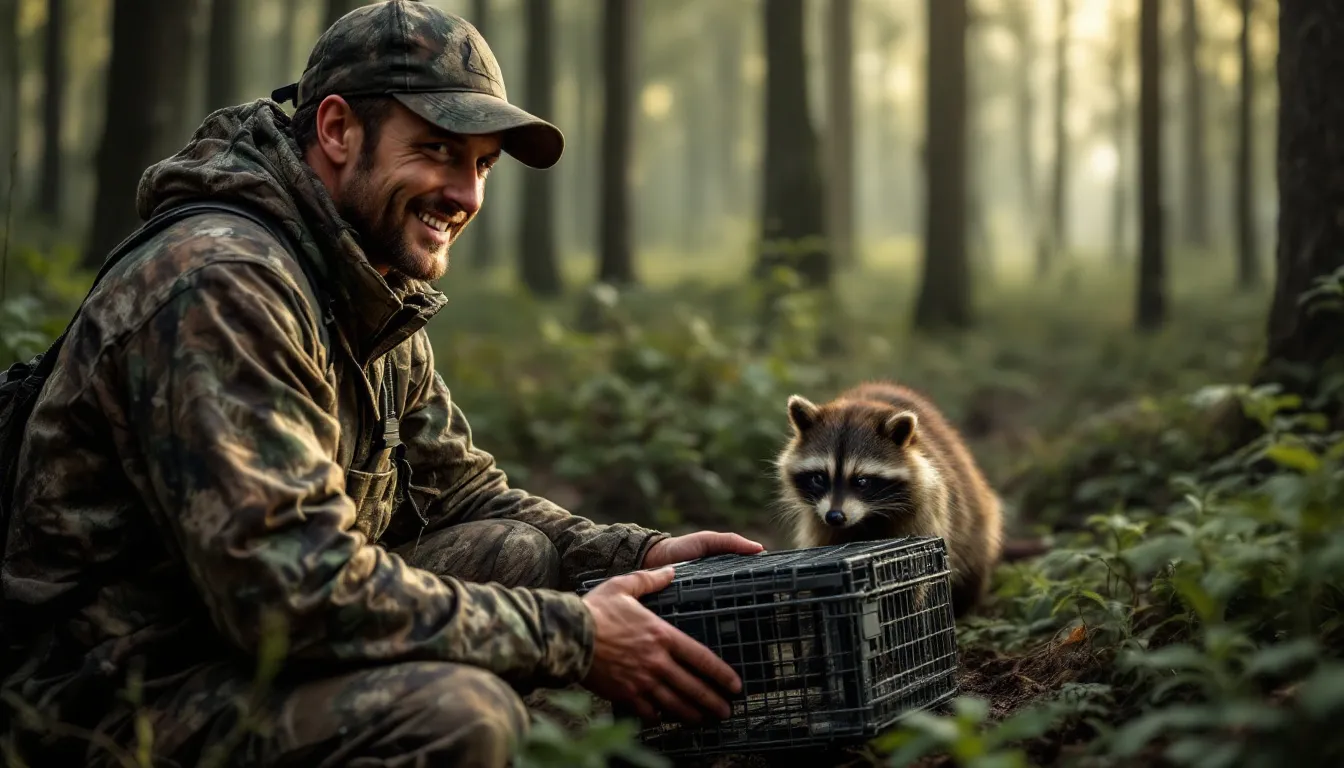
The goal of humane wildlife trapping is to ensure respect for animals by capturing them without harm. Humane wildlife removal advocates for the safety and ethical treatment of both humans and animals. This ethical foundation values all life and promotes balancing human needs with animal welfare.
Humane wildlife control maintains animal populations and supports biodiversity, ensuring species continue their ecological roles. This approach reduces human impact on natural habitats, promoting ecosystem balance.
Humane wildlife removal benefits the environment by preserving ecosystems. Humane traps and effective traps address the root causes of intrusion without disrupting food chains, offering long term solution and peace of mind for homeowners.
Humane trapping fosters understanding and respect for wildlife in local communities. Promoting humane practices ensures wildlife well-being and harmonious coexistence with nature.
Humane Wildlife Control Methods
Humane wildlife trapping captures animals without harm, using live traps that are frequently checked for live trapping. Safe capture and relocation to suitable habitats ensure the well-being of the trapped animals.
Exclusion methods, like nets and wire mesh fences, prevent wildlife from entering specific areas. These non-toxic, humane techniques, including the use of steel wool, are essential in wildlife control, involving identifying and sealing entry points securely using this method.
Habitat modification eliminates food, water, or shelter that attract wildlife, making environments less appealing. Combining multiple control methods enhances effectiveness in addressing persistent wildlife issues.
Motion-activated devices and other deterrents play key roles in wildlife management. Visual or audible frightening devices and repellents effectively deter wildlife. Implementing these methods ensures safe and humane wildlife control and prevention, including motion activated lights.
Legal Considerations and Compliance
Adhering to local laws is crucial in wildlife control and removal. Animal protection laws vary by state and local jurisdiction, with many states having specific regulations on humane treatment and relocation.
Some regions require permits for trapping or transporting wildlife, highlighting the importance of compliance. Laws may dictate allowable methods and times for capturing certain species, with local ordinances imposing additional restrictions.
Understanding and adhering to legal considerations ensures compliant and humane wildlife control efforts, protecting animals and helping avoid legal issues.
Contact NYC Extermination today!

NYC Extermination provides humane removal services for various wildlife, ensuring quick and safe solutions for residential and commercial properties. We offer 24/7 service to areas including NYC, Brooklyn, and New Jersey, allowing for immediate assistance with wildlife problems. Professionals at NYC Extermination utilize safe techniques for wildlife removal, aiming to give customers peace of mind against unwanted animal intrusions.
Clients can reach NYC Extermination at (347) 988-2315 for immediate assistance with wildlife removal. We provide humane wildlife control solutions and can help prevent future animal invasions. By choosing NYC Extermination, you can ensure a humane and professional approach to wildlife control.
Summary
In summary, recognizing the signs of wildlife activity in your home is crucial for taking timely action. From identifying unusual behaviors and physical evidence to detecting strange noises and smells, early detection can prevent significant property damage and health hazards. Humane wildlife trapping offers numerous benefits, including ethical treatment of animals, environmental preservation, and long-term solutions to wildlife problems.
By opting for professional and humane wildlife control methods, you can ensure a safe and effective resolution to wildlife issues. Legal compliance and professional inspections further enhance the efficacy of wildlife management. Contacting a trusted service like NYC Extermination can provide the necessary expertise and peace of mind. Take action today to protect your home and the well-being of local wildlife.
Frequently Asked Questions
What are some common signs of wildlife activity in my home?
If you notice unusual animal sightings, anxious pets, or signs like tracks and droppings, it’s time to take action! Stay alert and address any signs of wildlife activity promptly to ensure your home’s safety.
Why is it important to use humane wildlife trapping methods?
Using humane wildlife trapping methods is crucial as it promotes ethical animal treatment and helps maintain biodiversity. By opting for these methods, you’re contributing to a healthier ecosystem and long-term solutions.
How can I prevent wildlife from entering my home?
To effectively prevent wildlife from entering your home, seal all entry points and use nets or fences, while also eliminating any food, water, or shelter that may attract them. Taking these proactive steps will help keep your space safe and secure!
What legal considerations should I be aware of when dealing with wildlife?
It’s essential to comply with local laws regarding animal protection, securing necessary permits, and following regulations on humane treatment and relocation of wildlife. By staying informed, you can ensure you’re making responsible and legal choices in wildlife interactions!
How can NYC Extermination help with wildlife problems?
NYC Extermination can effectively tackle wildlife problems by providing 24/7 humane removal services, thorough inspections, and expert exclusion techniques. Trust us to safeguard your property from unwanted wildlife and ensure peace of mind!
Recent Comments