

Relocating animals plays a crucial role in humane wildlife trapping, highlighting the importance of relocation in humane wildlife trapping. It allows for the ethical treatment of animals, minimizing harm while effectively reducing human-wildlife conflicts. This article delves into why relocation is an essential practice, outlining its benefits to both wildlife and people, as well as the challenges and best practices involved.
Key Takeaways
- Relocation of wildlife is essential for ethical treatment and reducing human-animal conflicts, preventing harm to both parties.
- While relocating animals can mitigate conflicts and support ecosystems, relocation poses challenges such as increased stress and survival difficulties for the animals.
- Successful wildlife relocation requires careful planning, suitable habitat selection, and compliance with legal regulations to ensure effective and humane outcomes.
The Role of Relocation in Humane Wildlife Trapping
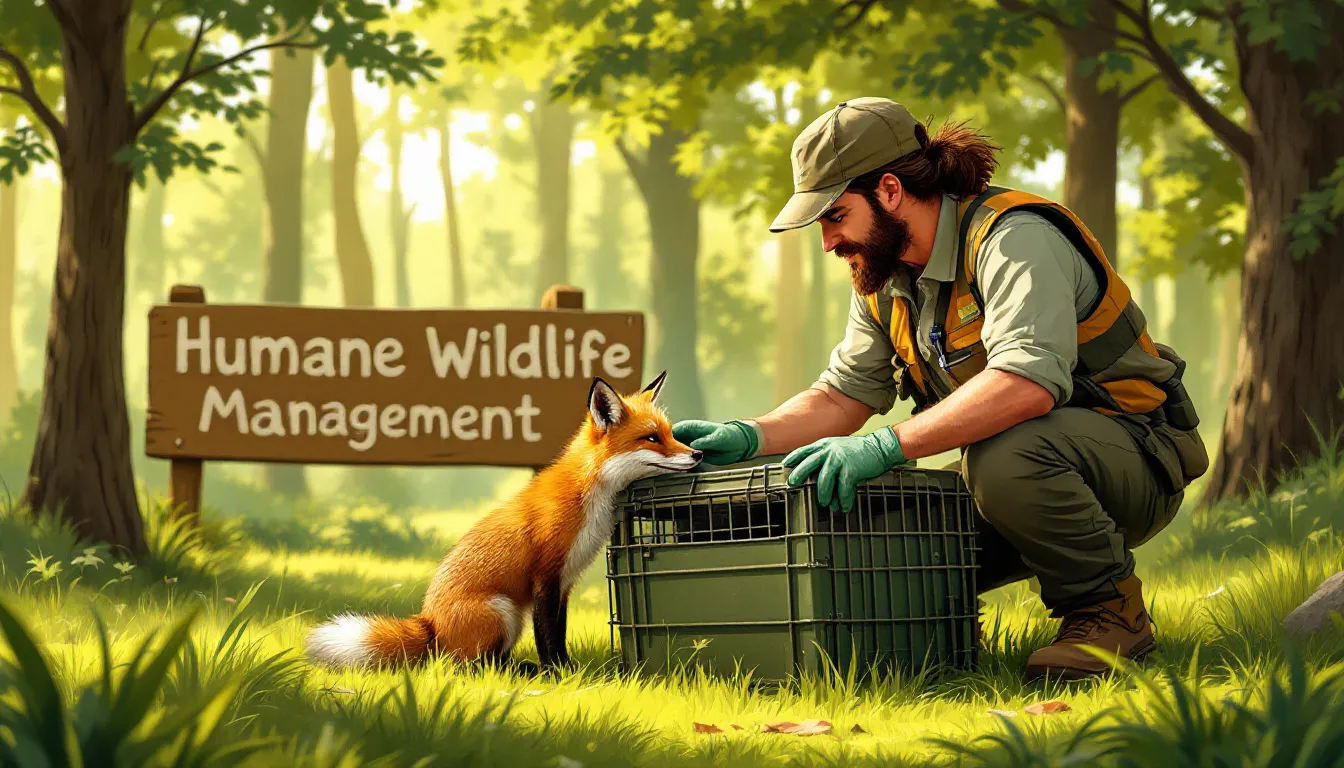
Relocating wildlife ensures ethical treatment and reduces human-wildlife conflicts. When wild animals invade human habitats, immediate and humane solutions are necessary to prevent harm to both the animals and humans. The use of humane traps, while intended to avoid injury, can sometimes lead to significant challenges, including injuries to trapped animals trying to escape. Thus, effective humane solutions become even more critical.
When one animal is removed from a property, another animal will likely take its place, creating an abundance of challenges. This highlights the necessity of not just removing the animal but ensuring it is done in a way that reduces the likelihood of recurrence. Moving other animals to suitable habitats where they can thrive without causing further conflicts is a comprehensive solution.
Live trapping and relocating wildlife help maintain the ethical treatment of animals, ensuring that they are not subjected to harm. It also mitigates the potential for wildlife conflicts by moving animals to areas where they are less likely to encounter humans. This dual benefit underscores the importance of relocation in humane wildlife trapping, making it a preferred method for wildlife control professionals and animal lovers alike, including the use of a live trap.
Benefits of Relocating Animals

Relocating animals is widely recognized as a more humane approach to managing wildlife conflicts. Moving wild animals away from populated areas without using lethal measures can significantly alleviate their suffering. This method ensures that trapped animals avoid harmful practices like poisoning or unregulated trapping. To effectively manage these situations, it is essential to relocate wildlife safely.
Relocation prevents overcrowding and ensures resources remain available for other wildlife, maintaining ecological balance. When animals are moved to areas with less human interference, it helps balance ecosystems and provides a safer habitat for the relocated animals. This not only benefits the animals involved but also supports the overall health of the environment.
Moreover, proper relocation strategies can lead to a decrease in human-wildlife conflicts by providing animals with safer habitats that are better suited to their needs. This approach preserves ecosystems by ensuring animals are not harmed during removal, maintaining local wildlife balance. Through humane wildlife control and thoughtful relocation practices, we can create harmonious coexistence between humans and wildlife.
Challenges of Wildlife Relocation
While relocating wildlife has many advantages, it also comes with considerable challenges. One of the primary difficulties is the increased stress that relocated animals experience. They may struggle to find food and compete with native wildlife, leading to high mortality rates. For instance, many relocated raccoons and gray squirrels face survival challenges, with more than 90% and about 97% respectively, not surviving shortly after being moved.
Understanding the behavioral patterns of the species is essential for successful relocation. Animals may not be familiar with the resources available in the new environment, making it difficult for them to adapt. Lack of familiarity with essential resources like food and shelter can significantly challenge relocated animals’ survival.
Additionally, wildlife relocation must consider its ecological impacts. Moving animals far from their original habitats can disrupt local ecosystems and potentially spread diseases among animal populations. Meticulous planning ensures minimal stress and increases the chance of survival for the animals. Overcoming these challenges is crucial for making wildlife relocation humane and effective.
Best Practices for Humane Relocation
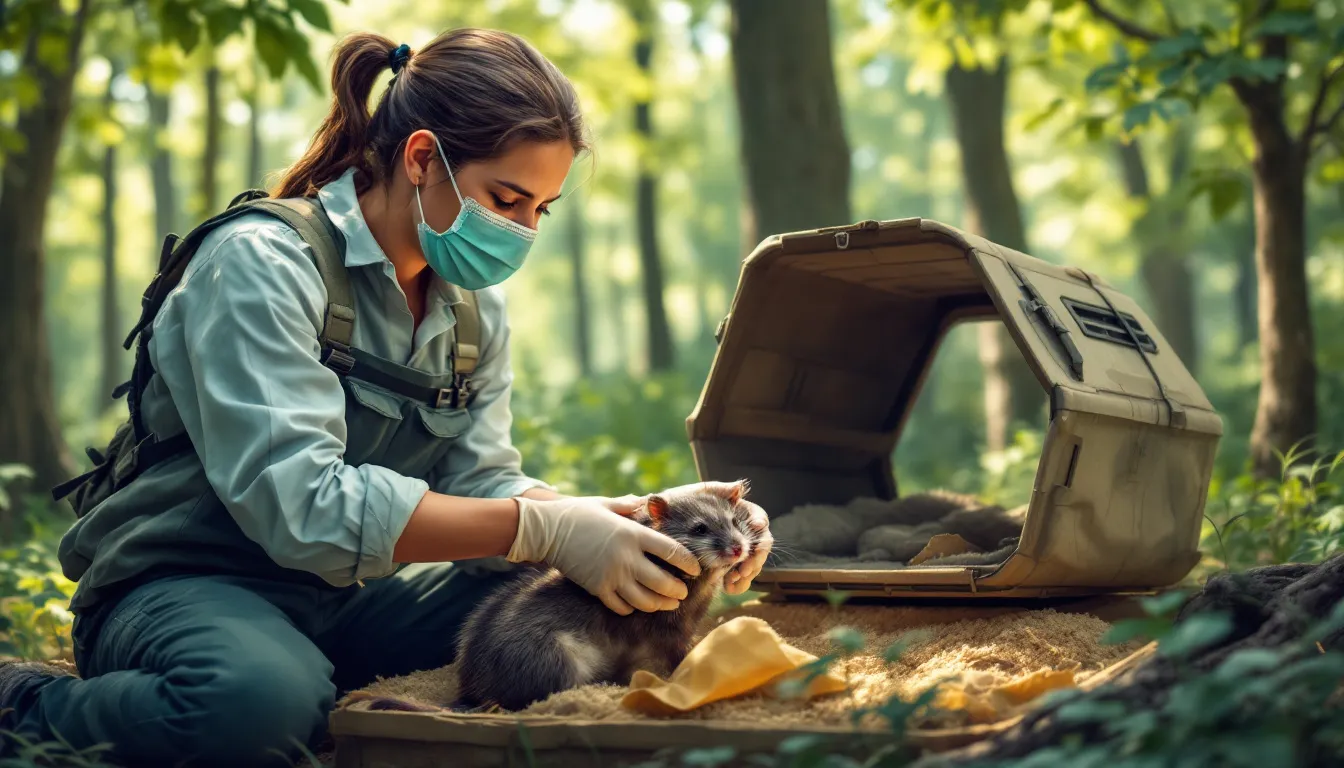
Humane wildlife relocation requires careful preparation, selection of suitable habitats, and safe transportation. These practices minimize stress and maximize the chances of survival for relocated animals. Preparation involves thorough planning and evaluating the animal’s needs, while selecting appropriate traps ensures humane capture without injury or stress.
Selecting suitable habitats is equally important, as new environments should closely mirror the animal’s original habitat to support adaptation and biodiversity. Safe transportation techniques ensure the crucial role of comfort and security for animals during transit.
Professional animal transport specialists ensure compliance with legal and ecological standards during wildlife relocation.
Preparing for Relocation
Thorough planning and evaluating the animal’s needs are essential for effective wildlife relocation. Proper health assessments are essential to ensure that the animal is fit for transport, which can help reduce stress and increase their chances of survival. Assessing an animal’s health before relocation helps identify injuries and ensures the animal is in good condition for the journey.
Choosing an appropriate trap is another crucial aspect of humane relocation. Traps should capture animals without causing injury or significant stress. Carefully choosing the right traps and ensuring the animals are healthy significantly increases the chances of successful relocation.
Evaluating the animal’s needs, such as food and den sites, is essential for successful adaptation to the new environment. Relocating wildlife during early spring ensures that animals, particularly mothers with babies, have ample time to find suitable den sites and food sources, including a relocation site. Thorough preparation is the cornerstone of humane and effective wildlife relocation.
Choosing Suitable Habitats
Selecting suitable habitats for relocated wildlife is critical for their survival and well-being. Successful relocation relies on selecting new environments that closely mirror the animal’s original habitat. This approach supports their adaptation and ensures they can find food, shelter, and water essential for survival.
New habitats should offer resources that align with the specific needs and natural behaviors of the species. Areas with suitable food sources and shelter, such as trees and dense vegetation, aid animal adaptation. The unfamiliar environment of a new natural habitat often leads to struggles for relocated animals as they search for essential resources in their new habitats.
Selecting a new habitat must consider the specific dietary and behavioral needs of the species being relocated. Providing adequate food, water, and shelter in the new environment is crucial for the survival and successful adaptation of relocated animals. Carefully choosing suitable habitats significantly improves the outcomes of wildlife relocation efforts.
Safe Transportation Techniques
Safe transportation techniques ensure the comfort and security of relocated wildlife during transit. Animals should be secured in proper containers that provide ventilation and prevent injury to minimize stress. Well-ventilated transport containers ensure the comfort and safety of relocated wildlife during transit.
Secure and comfortable enclosures during transport minimize stress and the risk of injury for relocated animals. Transporting wildlife in secure and ventilated containers ensures the animals arrive at their new habitat in good condition, ready to adapt and thrive.
These techniques are vital for making wildlife relocation a humane and effective practice.
Legal Considerations in Wildlife Relocation
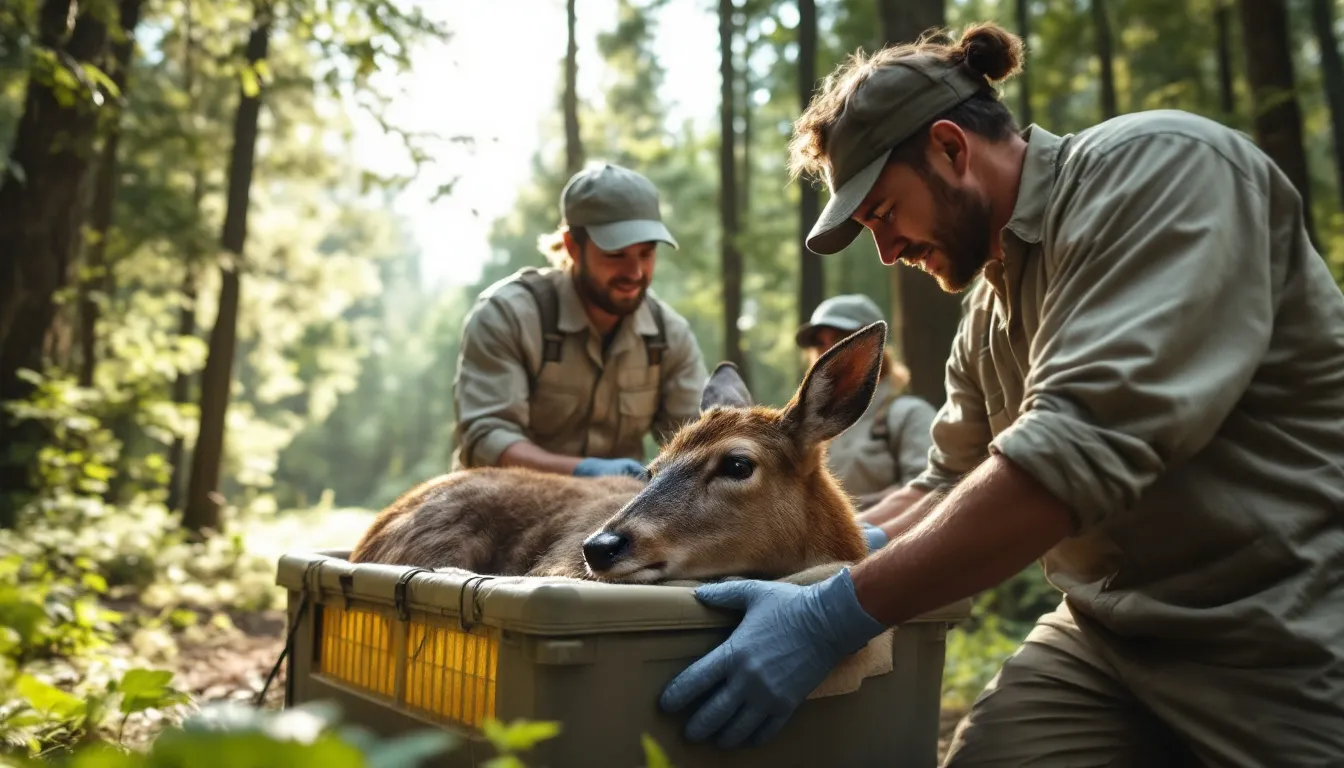
Relocating wildlife often requires specific permits that vary by state, ensuring compliance with local laws. For instance, the Nuisance Wildlife Control Operator (NWCO) permit allows certified individuals to manage certain wildlife species, including trapping and relocation. Distinguishing between relocation (within local habitats) and translocation (to distant areas) is essential for legal compliance.
In places like Nebraska, strict regulations govern how far wild animals can be relocated. Wild mammals cannot be relocated more than 100 yards from their original site, and reptiles or amphibians cannot be relocated more than 50 yards. These legal considerations ensure responsible wildlife relocation, minimizing ecological disruption and ensuring animal welfare.
Alternative Humane Wildlife Control Methods
Relocation is a viable humane solution, but alternative methods can also manage wildlife conflicts effectively. These methods focus on prevention and non-lethal solutions, reducing stress and aggression in wildlife, making the process safer for both animals and humans. Addressing the root causes of wildlife conflicts can prevent future issues without harming the animals.
Exclusion strategies and habitat modification are two primary alternative methods. These approaches create environments less attractive to wildlife, reducing the likelihood of conflicts. Humane methods manage wildlife conflicts effectively and ethically.
Exclusion Strategies
Exclusion strategies effectively prevent wildlife from entering human spaces. Sealing gaps and openings in structures significantly reduces the chances of wildlife invading human habitats. Installing chimney caps and sealing entry points in buildings prevents animals like raccoons from entering homes through chimneys.
The type of exclusion required depends on the animal species and the specific environment being protected. Barriers like chimney covers and fencing around gardens deter animals from entering certain areas.
Exclusion methods by wildlife control professionals prevent future infestations and ensure a long-term solution to wildlife conflicts.
Habitat Modification
Habitat modification alters the environment to make it less attractive to wildlife. This method significantly reduces wildlife conflicts by removing food sources and potential shelters. Securing garbage and adjusting landscaping can discourage wildlife from frequenting human spaces.
Methods to manage local animal populations and prevent wildlife access include:
- Maintaining landscaping plants that do not attract problematic wildlife
- Regularly mowing tall grass
- Clearing dense vegetation
- Installing mesh screens or barriers around vulnerable areas
Implementing these habitat modifications significantly minimizes human-wildlife conflicts and creates safer living conditions.
Preventive Measures to Reduce Wildlife Conflicts
Preventive measures are crucial for reducing wildlife conflicts before they arise. Removing available food sources, such as pet food or garbage, discourages unwanted wildlife from frequenting residential areas. Watering gardens less frequently deters certain wildlife, as moist soil attracts animals like moles and armadillos.
Monitoring activity at potential entry points helps determine if wildlife signs are present before sealing openings. Regularly inspecting and repairing fences helps keep wildlife from accessing gardens and yards.
Humane wildlife control focuses on addressing the root causes of wildlife conflicts rather than merely removing the animals. Implementing these preventive measures fosters harmonious coexistence between humans and wildlife.
Professional Assistance in Humane Wildlife Control
Professional assistance in humane wildlife control ensures ethical treatment of animals while addressing conflicts effectively. Seeking professional help reduces the risks associated with wildlife management as experts handle various species safely and humanely. Engaging professionals typically leads to more successful conflict resolution and better animal welfare.
For tailored solutions to wildlife conflicts, contacting a professional wildlife control service provides immediate and effective assistance. Professionals implement preventive measures that significantly reduce future wildlife issues, saving time and resources for property owners. Seeking expert help ensures wildlife issues are handled effectively and ethically.
Contact Us for Expert Help
Wildlife control experts offer comprehensive inspections to identify entry points and damage caused by nuisance animals. At NYC Extermination, we ensure safe and humane handling of animal infestations, with technicians trained in local wildlife behavior to create effective removal strategies. Contacting a local wildlife control expert provides immediate assistance with wildlife issues, ensuring they are handled effectively and ethically.
Consulting professionals ensures that wildlife issues are managed efficiently, reducing the risk of harm to both humans and animals. For tailored solutions to your wildlife conflicts, do not hesitate to contact us at NYC Extermination today. Our team is ready to provide expert help and ensure that your wildlife concerns are resolved in a humane and effective manner.
Summary
In summary, humane wildlife control and relocation play a vital role in managing wildlife conflicts ethically and effectively. Relocating animals provides a humane alternative to lethal methods, helping to maintain ecological balance and reduce overcrowding. However, it also presents challenges, such as stress and survival difficulties for relocated animals. By following best practices, including thorough preparation, choosing suitable habitats, and employing safe transportation techniques, we can improve the outcomes of wildlife relocation.
Legal considerations and alternative humane methods, such as exclusion strategies and habitat modification, further enhance our ability to manage wildlife conflicts responsibly. Preventive measures, along with professional assistance, ensure that wildlife issues are addressed effectively and ethically. Together, these approaches promote a harmonious coexistence between humans and wildlife, fostering a balanced and healthy ecosystem.
Frequently Asked Questions
Why is relocating wildlife considered a humane solution?
Relocating wildlife is a humane solution as it prevents lethal actions and minimizes suffering, while also preserving ecological balance by ensuring animals have safer habitats to thrive in.
What are some challenges associated with wildlife relocation?
Wildlife relocation often leads to increased stress for the animals, challenges in securing food, competition with native species, and potential disruption of the local ecosystem. These factors can significantly impact the success of such efforts.
How can we prepare animals for relocation?
To prepare animals for relocation, conduct thorough health assessments, choose suitable traps, and assess their specific needs to minimize stress and enhance their survival potential. Taking these steps is crucial for a successful transition.
What are some alternative humane methods to manage wildlife conflicts?
To effectively manage wildlife conflicts, consider employing exclusion strategies like sealing entry points and installing barriers, along with habitat modification by removing food sources and potential shelters. These humane methods can significantly reduce conflicts without harming the wildlife.
Why should we seek professional assistance for wildlife control?
Seeking professional assistance for wildlife control is crucial for effective management and ethical treatment of animals. Trained experts can also minimize the risks associated with wildlife encounters, ensuring safety for both humans and animals.
Recent Comments