

Dealing with raccoons on your property can be challenging, but finding effective humane wildlife trapping solutions for raccoons is possible. This guide provides methods to safely and ethically trap raccoons without causing harm. You’ll learn about different types of humane traps, proper setup strategies, and best practices for safely handling and releasing trapped raccoons.
Key Takeaways
- Understanding raccoon behavior and recognizing signs of their presence, such as nocturnal noises and overturned trash cans, are critical for effective wildlife management.
- Humane trapping solutions for raccoons include various types of traps like cage traps, box traps, and dog-proof traps which capture raccoons without causing harm.
- Securing potential food sources, sealing entry points, and using deterrents are essential practices to prevent future raccoon infestations on your property.
Understanding Raccoon Behavior and Habitats

Raccoons, including young raccoons, are nocturnal creatures, most active during the night when they forage for food and explore their surroundings. Their distinctive black masks and ringed tails make them easily recognizable. These clever animals, such as the occasional rabid raccoon, are proficient at invading residential spaces, often seeking isolated and warm denning areas such as attics, chimneys, and under decks or sheds.
Gaining insight into raccoon behavior is key to tackling any raccoon problem. Typical signs of raccoon presence include:
- Strange noises at night, such as scratching, chirping, or rustling
- Distinctive tracks with five toes, resembling a small human handprint with long claws
- Foraging for food by overturning trash cans, digging through compost piles, and eating bird feed
By recognizing these behaviors and signs, you can better prevent raccoons from making your home their own.
Common Signs of Raccoon Activity
Common signs of raccoon activity are often evident around your property. Overturned trash cans and scattered garbage are clear indicators of raccoons foraging for food. Raccoon scats, also known as raccoon droppings, are another telltale sign. These droppings are usually found near denning areas or along their travel routes. Regularly inspecting your property for these signs can help prevent raccoon infestations from getting out of hand.
Along with physical signs, raccoon footprints might also be noticeable. These tracks resemble small human handprints and can be found near entry points, gardens, and trash cans. If you hear strange noises at night, such as scratching or rustling, it might be a raccoon inside your home. Taking note of these signs early on can help you take prompt action to deter raccoons and avoid a full-blown infestation.
Natural Habitats of Raccoons
Raccoons are highly adaptable and can thrive in a variety of environments. They typically live in forests, wetlands, and suburban areas, often using hollow trees, rock crevices, and other structures for shelter. These animals prefer woodland areas near water sources such as streams, marshes, and rivers, which provide ample food and cover.
In suburban areas, raccoons often make their homes in attics, crawl spaces, and chimneys, seeking warmth and isolation. They are opportunistic feeders, eating fruits, nuts, insects, small animals, and garbage. Understanding their natural habitats and food sources can help in devising effective strategies to deter raccoons from invading your property.
Types of Humane Traps for Raccoons
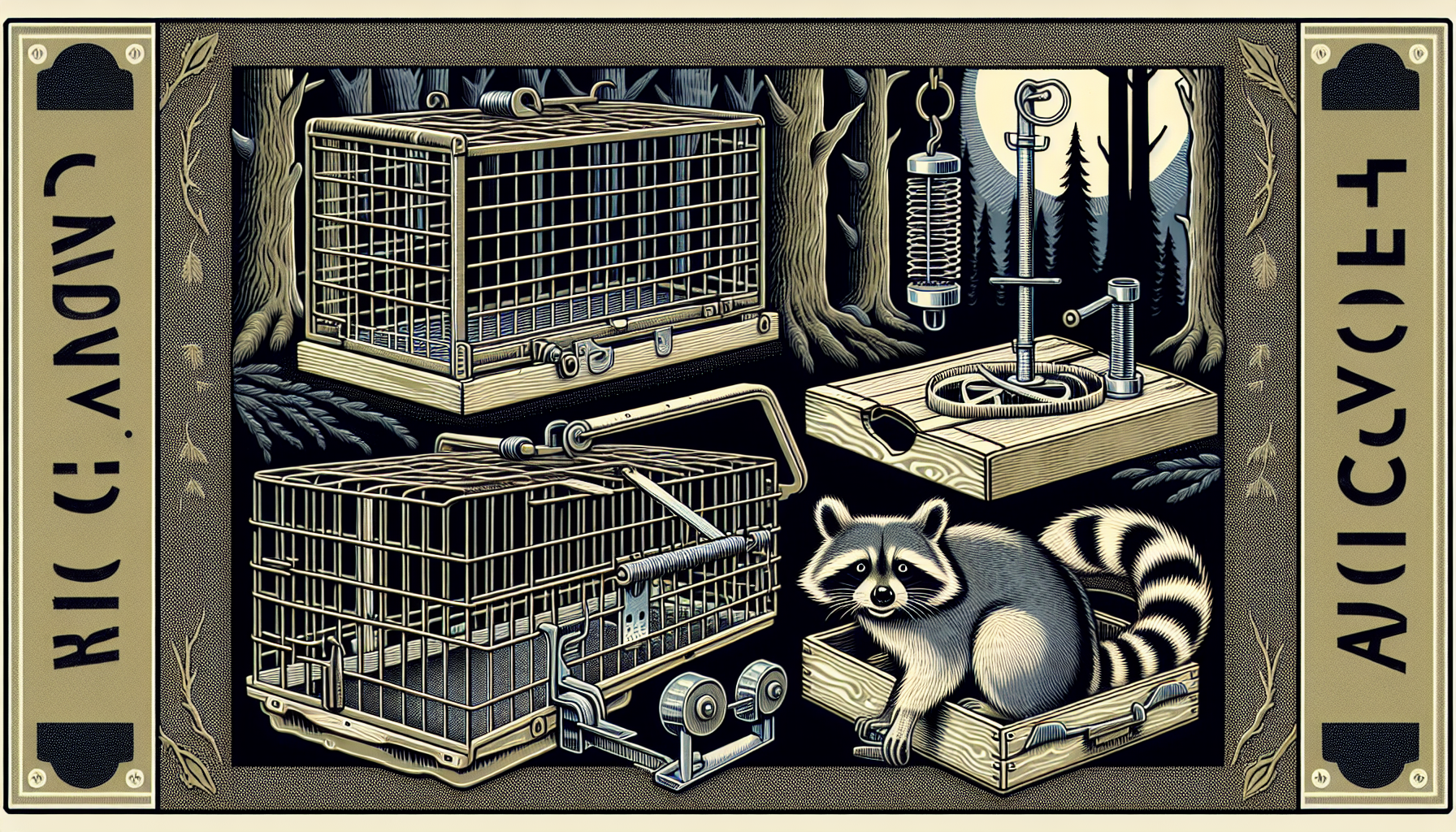
For humane raccoon removal, it is important to use the correct type of trap. The most common humane traps for raccoons include cage traps, box traps, and dog-proof traps. These traps are designed to capture raccoons without causing them harm, ensuring a safe and ethical approach to wildlife control.
There are different types of traps that can be used to catch raccoons:
- Cage traps: made of wire mesh and designed with a spring-loaded door that closes when the raccoon steps on a trigger plate inside.
- Box traps: made of solid materials and ideal for use in confined spaces where cage traps may not be practical.
- Dog-proof traps: specifically designed to catch raccoons while keeping pets safe, using a trigger mechanism that raccoons can manipulate but dogs cannot.
Cage Traps
Due to their effectiveness and simplicity, cage traps are a popular choice for humane raccoon trapping. These traps typically feature a spring-loaded door that closes when the raccoon steps on a trigger plate inside. It is important to choose a cage trap with a minimum size of 32 inches in length to ensure it can accommodate raccoons properly.
To set up a cage trap, follow these steps:
- Place the trap in an area where raccoons are known to frequent, such as near trash cans or pet food sources.
- Make sure the trap is placed on level ground to avoid any tipping over.
- Ensure that the trap is securely fastened in place. Proper placement and setup will increase the likelihood of successfully capturing raccoons.
Box Traps
Particularly in areas where cage traps are not practical, box traps are another effective option for humane raccoon trapping. These traps are made of solid materials such as wood or plastic and are often used in attics, crawl spaces, or other confined areas.
Box traps are preferred in situations where a cage trap may be difficult to place or where additional discretion is needed. By using a solid structure, box traps provide a secure and enclosed environment for capturing raccoons, ensuring they cannot escape once trapped.
Dog Proof Traps
Traps designed to capture raccoons without harming them are also safe for pets, as they are dog-proof. This ensures the safety of both raccoons and pets when using these traps. These traps use a trigger mechanism that raccoons can manipulate but dogs cannot, making them an ideal choice for households with pets.
To use a dog-proof trap:
- Place it in an area frequented by raccoons, such as near bird feeders or garbage cans.
- Ensure the trap is properly secured.
- Check it regularly to ensure the raccoon is safely captured and can be humanely relocated.
Best Practices for Setting Up Live Traps
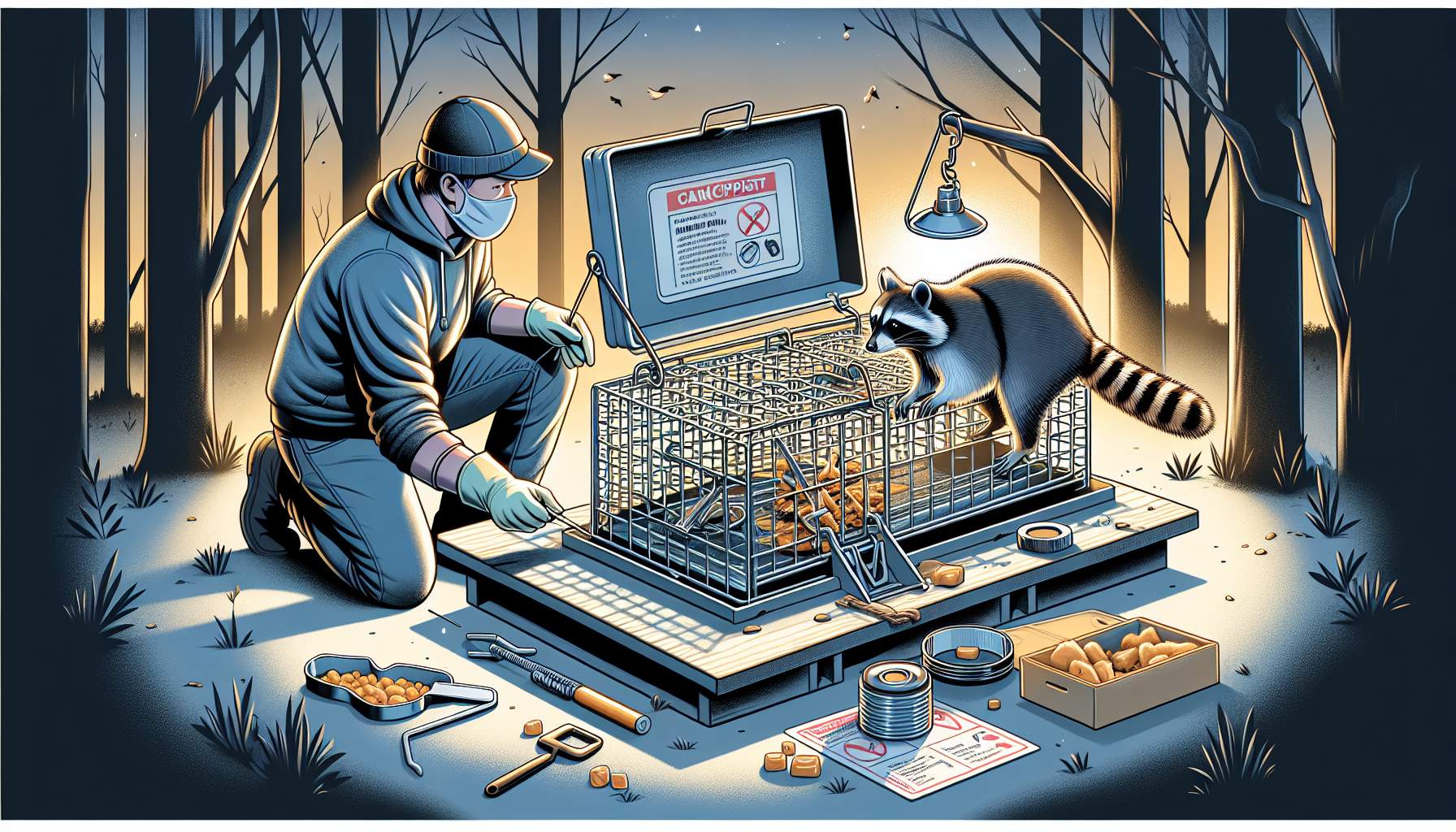
To ensure the safety and effectiveness of the trapping process, setting up live traps for raccoons requires careful consideration. To prevent injury to the raccoon and ensure the trap functions correctly, choosing the right size and type of trap is vital. Additionally, selecting the right location, using effective baiting techniques, and ensuring trap safety are essential steps in the process.
Placing traps in areas where raccoons are known to frequent, such as near garbage cans or gardens, can significantly increase the chances of capturing them. Using fresh, high-quality baits like sweet corn, marshmallows, and peanut butter can further enhance the effectiveness of the traps. Always wear gloves to prevent transferring human scent, check traps regularly, and follow necessary safety precautions to avoid harm to both humans and raccoons.
Choosing the Right Location
Successfully capturing raccoons significantly depends on the location of your trap. Place traps in areas where raccoons frequently visit, such as near trash cans, pet food sources, or gardens. Position the trap on level ground, preferably on concrete or dirt, to provide stability and prevent it from tipping over.
For indoor raccoon problems, set traps near entry points in garages, attics, or basements. Placing traps along physical boundaries like fence lines, dense foliage, and garden edges can also increase the likelihood of capturing raccoons.
Effective Baiting Techniques
For successful raccoon trapping, using the right bait is indispensable. Fresh, high-quality baits such as:
- sweet corn
- marshmallows
- cat food
- sardines
- peanut butter
are highly effective in attracting raccoons. Marshmallows, in particular, are a low-cost and appealing bait due to raccoons’ attraction to sweets.
When baiting traps, place the bait at the back of the trap to ensure the raccoon fully enters before triggering the mechanism. Additionally, wearing gloves while handling bait can prevent transferring human scent, which might deter raccoons from approaching the trap.
Ensuring Trap Safety
When using live traps for raccoons, safety is of utmost importance. The purpose of these traps is to capture raccoons without causing harm, enabling safe relocation. Always use humane traps and check them regularly to prevent raccoons from being confined for extended periods.
Never attempt to catch or directly handle a raccoon, as this can lead to injuries for both you and the animal. Wear gloves and follow necessary safety precautions to avoid harm. Once captured, ensure the raccoon is safely relocated to a more suitable habitat.
Handling and Relocating Trapped Raccoons
To ensure the safety of both the animal and the handler, careful attention is required for handling and relocating trapped raccoons. Wear gloves and use caution when approaching a trapped raccoon to avoid stressing or injuring the animal. Placing a blanket over the trap can help keep the raccoon calm before moving it for release.
After safely restraining the raccoon, it should be transferred to a well-ventilated carrier or transport box. This will ensure its safe and secure transportation. To prevent the carrier from sliding during transport, be sure to secure it in your vehicle. This will help ensure your pet’s safety and comfort.
Make sure to check the raccoon for any signs of illness or injury before letting it go. This is important for its well-being. Choose a quiet and secluded release site away from other animals.
Safe Handling Procedures
When dealing with trapped raccoons, safe handling procedures are crucial. Here are some steps to follow:
- Approach the animal calmly and minimize direct handling to reduce stress.
- Wear thick gloves to protect yourself from potential bites.
- Use a humane trap to avoid direct contact with the raccoon.
By following these steps and ensuring you trap regularly, you can safely handle trapped raccoons.
Cover the trap with a towel after capture to avoid frightening the raccoon and prevent exposure to extreme temperatures or harsh weather conditions during transport. Following these procedures ensures the raccoon is safely relocated without undue stress or harm.
Selecting a Release Site
For the raccoon’s well-being, selecting an appropriate release site is vital. The site should have the following characteristics:
- It should be at least 10 miles away from the original capture location to prevent the raccoon from returning.
- Look for areas with natural sources of food and water.
- The site should have sufficient cover for shelter.
Release sites should provide access to food, water, and shelter while being free from predators. Quiet and secluded areas away from human activity are ideal for releasing raccoons, ensuring they can thrive in their new environment.
Legal Considerations
When relocating raccoons, adhering to legal considerations is a must. Local and state laws may prohibit relocating raccoons in public areas without proper permits. Consult local wildlife authorities to understand the relevant laws and regulations in your area.
Violating wildlife relocation laws can result in fines and legal repercussions, so it is crucial to be aware of and comply with local regulations. In some regions, it might be illegal to relocate raccoons without a permit or license. Always ensure your actions are in line with local wildlife conservation efforts to avoid legal issues.
Preventing Future Raccoon Infestations
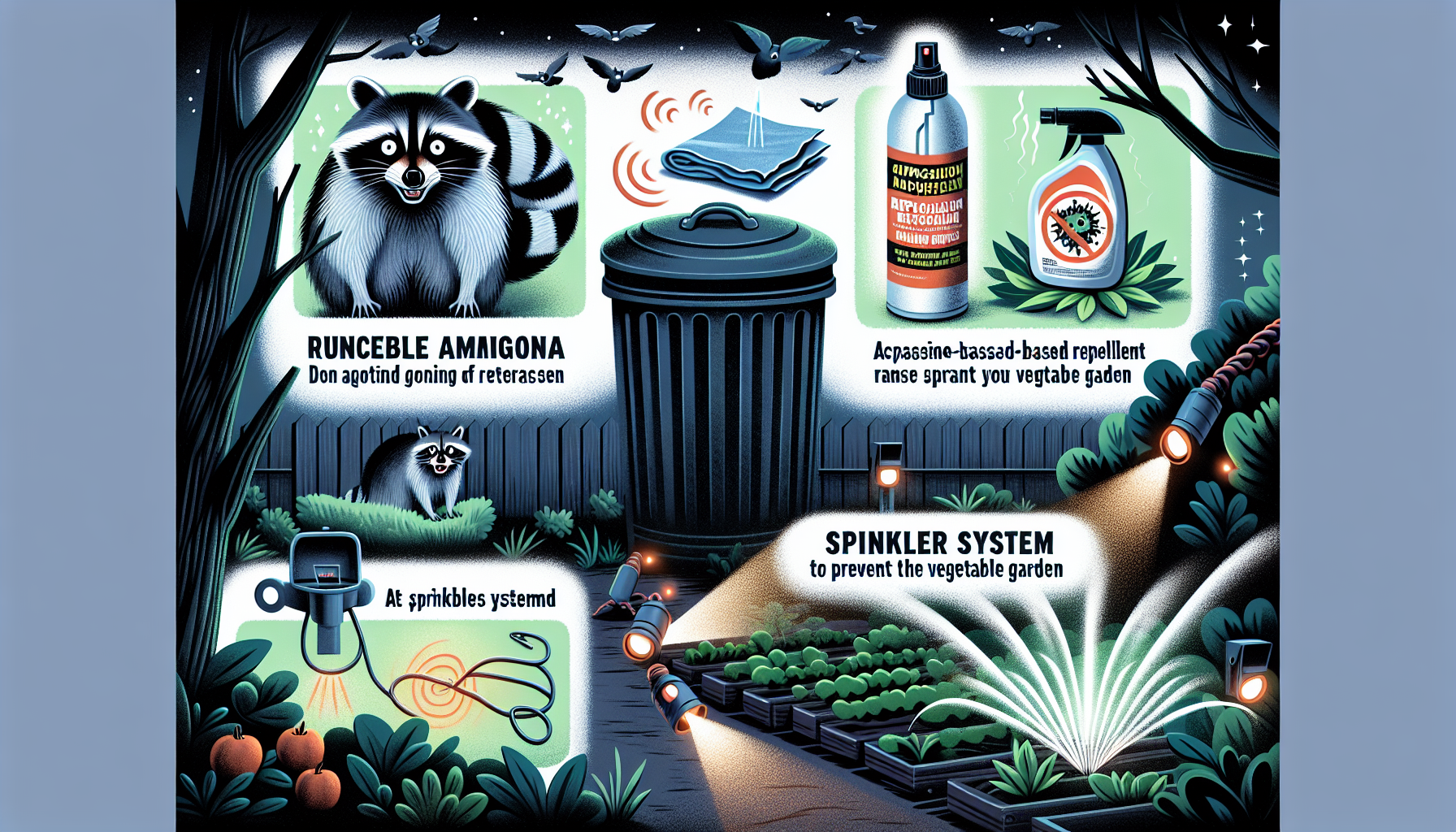
To avoid recurring wildlife conflicts, preventing future raccoon infestations is necessary. To deter raccoons effectively, it is crucial to eliminate food sources, secure entry points, and use deterrents and repellents. Wildlife-proof trash cans with tight-fitting lids and secure compost bins can prevent raccoons from accessing food sources. Keeping the area around trash and compost clean will also help.
Exclusion techniques, such as sealing off potential entry points and installing barriers like fences or netting, are highly effective in keeping raccoons out. Using deterrents like motion-activated lights and sprinklers can further discourage raccoons from entering your property. By implementing these strategies, you can significantly reduce the chances of a raccoon infestation.
Securing Trash and Compost
In preventing raccoon infestations, securing trash and compost is a fundamental step. Wildlife-proof trash cans with tight-fitting lids can prevent raccoons from accessing garbage. Additionally, securing lids with bungee cords or placing trash cans in a shed or garage until pick-up day can further deter raccoons.
For compost, use secure bins that raccoons cannot easily access. Keeping the area around trash and compost clean and free of food debris will also help prevent raccoons from being attracted to your property.
Exclusion Techniques
To prevent raccoon access, exclusion techniques involve sealing off potential entry points and installing barriers. After trapping and removing raccoons, it is vital to secure the area to prevent re-entry. Sealing all entry points, such as gaps in roofs, walls, and foundations, is essential to keep raccoons out.
Installing barriers like fences or netting around gardens and other vulnerable areas can also help deter raccoons. For chimneys, installing chimney caps can prevent raccoons from entering and nesting inside. By using these exclusion techniques, you can effectively prevent raccoons from returning to your property.
Using Deterrents and Repellents
In keeping raccoons away from your property, deterrents and repellents can be highly effective. Ammonia-soaked rags are a cost-effective deterrent that can be placed in areas where raccoons are likely to enter. Capsaicin-based repellents can protect gardens and ponds from raccoons.
Motion-activated lights and sprinklers can scare raccoons away by startling them when they approach. Battery-operated radios tuned to all-night talk shows can also deter raccoons by creating noise that makes them feel uncomfortable. Using these deterrents and repellents can significantly reduce the likelihood of raccoon infestations.
Professional Wildlife Removal Services
When dealing with persistent raccoon problems, seeking professional wildlife removal services can be a wise decision. Professional wildlife removal companies like NYC Extermination offer expertise in handling raccoons and ensuring humane treatment. They can legally and ethically remove raccoons, adhering to local regulations and ensuring the safety of both the animals and humans.
Professional wildlife removal services provide the following:
- Thorough inspections
- Custom solutions for trapping and removing raccoons
- Preventative measures to seal entry points and prevent future infestations
- Warranty options and estimates for preventative services
These services ensure long-term solutions for raccoon control.
Benefits of Professional Services
Several benefits come with hiring professional wildlife removal services. Professionals have the knowledge and experience to handle raccoons safely and humanely, ensuring compliance with local regulations. They can also provide effective and long-lasting solutions to prevent future infestations, such as habitat modification and exclusion techniques.
The American Veterinary Medical Association provides guidelines for humane euthanasia of raccoons if necessary, ensuring ethical treatment of the animals. By hiring professionals, you can ensure that raccoons are removed in a humane and responsible manner, reducing the risk of harm to both the animals and your property.
Finding Local Wildlife Control Professionals
For effective raccoon removal, finding local wildlife control professionals is essential. Licensed animal control professionals are necessary for legal raccoon removal in certain regions. You can find reputable wildlife control professionals through online resources and aggregator websites like Google, Thumbtack, and Proche.
Additionally, seeking recommendations from local wildlife authorities and community animal control services can help you find trusted professionals. These professionals can provide comprehensive wildlife control services, including live trapping, exclusion, and habitat modification, ensuring long-term solutions for raccoon problems.
Educational Resources for Raccoon Control
For those looking to manage raccoon populations humanely and effectively, educational resources for raccoon control are invaluable. State wildlife agencies offer free guides and brochures that provide detailed information on live trapping raccoons and humane wildlife control practices. These resources can help individuals and communities implement effective and compassionate solutions for managing raccoon populations.
Online resources from organizations like the Humane Society and the National Wildlife Control Operators Association offer valuable information on humane raccoon control methods. Utilizing these educational materials can lead to more effective and compassionate solutions for dealing with raccoon issues.
Guides and Articles
Valuable insights and practical advice can be provided by accessing detailed guides and articles on raccoon control. The Humane Society offers online resources that focus on solving nuisance raccoon problems in a humane, responsible, and effective manner. State wildlife agencies frequently offer downloadable guides that cover various aspects of live trapping raccoons, including best practices and safety tips.
By utilizing these guides and articles, you can gain a deeper understanding of humane wildlife control practices and learn how to implement them effectively in your own efforts to manage raccoon populations.
Community Support
In raccoon control efforts, community support can play a significant role. Local wildlife rehabilitators can assist in the non-lethal removal and rehabilitation of raccoons encountered in residential areas. These rehabilitators often work in conjunction with state wildlife agencies to provide assistance and support for humane raccoon control.
Community animal control services, including local animal control, collaborate with wildlife specialists to manage and relocate raccoons humanely. By seeking assistance from these community resources, you can ensure that raccoon control efforts are conducted responsibly and compassionately.
Discover NYC Extermination’s Top Effective Humane Wildlife Trapping Solutions for Raccoons
Specializing in humane wildlife trapping solutions, NYC Extermination offers professional services for:
- Raccoons
- Skunks
- Squirrels
- Opossums
The company is a licensed and insured professional wildlife removal company, ensuring professional and legal compliance in wildlife removal. Their expertise in humane trapping techniques ensures that raccoons are captured safely and ethically.
In addition to trapping and removal, NYC Extermination provides the following services:
- Damage repairs to secure your property against future wildlife invasions
- Prevention services to keep wildlife out
- Fogging materials like Bio-shield to remove bio-hazards and offensive odors caused by animal urine and feces
- Attic restoration to return your attic to a clean and damage-free state after wildlife removal
By choosing NYC Extermination, you can trust that your raccoon problem will be handled with the utmost care and professionalism, ensuring the safety and well-being of both your property and the animals involved.
Summary
In summary, managing raccoon problems humanely involves understanding their behavior and habitats, using the right types of traps, and following best practices for setting up and handling live traps. Safe and ethical handling and relocation of trapped raccoons are crucial, along with adherence to legal considerations. Preventing future infestations through securing trash, exclusion techniques, and using deterrents is essential for long-term raccoon control.
Professional wildlife removal services, like those provided by NYC Extermination, offer expertise and comprehensive solutions for humane raccoon control. Educational resources and community support further enhance efforts to manage raccoon populations responsibly. By implementing these strategies, you can coexist peacefully with raccoons and ensure a safe and harmonious environment for all.
Frequently Asked Questions
What are the common signs of raccoon activity around my property?
If you notice overturned trash cans, scattered garbage, raccoon droppings, and distinctive paw prints resembling small human handprints, these are common signs of raccoon activity around your property. Keep an eye out for these indicators to identify raccoon presence.
What types of humane traps are available for raccoons?
You can use cage traps, box traps, and dog-proof traps to capture raccoons humanely without causing harm to them.
How can I prevent future raccoon infestations?
To prevent future raccoon infestations, secure your trash and compost with wildlife-proof containers, seal entry points, and use deterrents like motion-activated lights and sprinklers. These measures will help protect your property from raccoons.
What should I do if I capture a raccoon?
If you capture a raccoon, handle the trap with gloves, cover it with a blanket to keep the raccoon calm, and release it in a quiet, secluded area at least 10 miles away from the capture location.
Are there professional services available for raccoon removal?
Yes, professional wildlife removal services like NYC Extermination offer expertise in humane raccoon trapping, removal, and property damage repairs.
Recent Comments