

Humane wildlife trapping is the best solution for pest control because it effectively manages pest issues while prioritizing animal welfare. This method also promotes ecological balance and avoids the collateral damage often associated with traditional extermination techniques. In this article, we’ll explain how humane trapping works, why humane wildlife trapping is the best solution for pest control, why it’s environmentally friendly, and how it offers long-term benefits for both humans and wildlife.
Key Takeaways
- Humane wildlife trapping prioritizes animal welfare, promoting ethical treatment and environmental conservation compared to traditional extermination methods.
- Effective humane trapping methods include live traps and exclusion tactics that minimize animal stress and focus on relocating wildlife to suitable habitats.
- Legal compliance and choosing a reputable animal removal company are crucial for ensuring humane practices and avoiding potential legal issues in wildlife control.
Humane Wildlife Trapping: An Ethical Approach to Pest Control
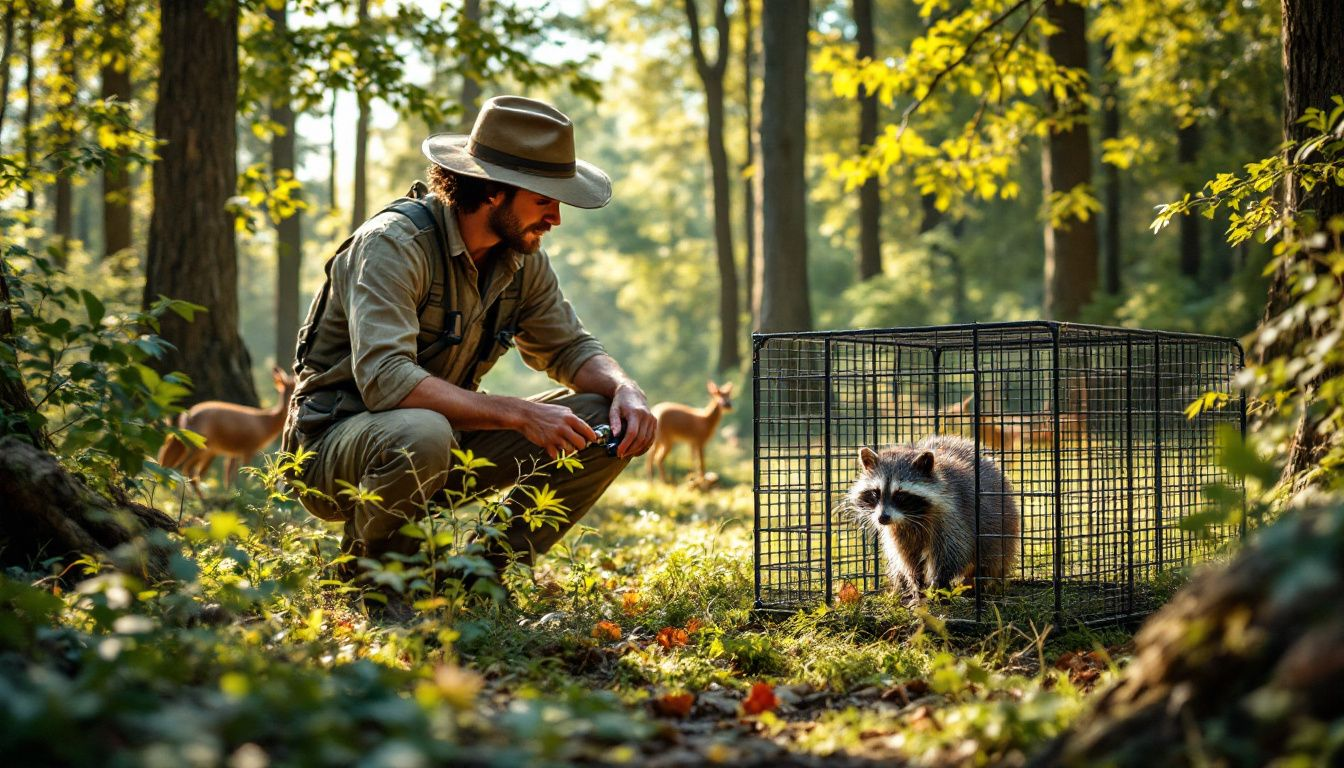
Humane wildlife trapping emphasizes ethical treatment and prioritizes respect for animal welfare. The primary goal is to manage pest species responsibly, minimizing their suffering and stress. Treating wild animals with care and respect recognizes their vital role in maintaining a balanced ecosystem.
Unlike traditional extermination methods, humane wildlife removal focuses on the well-being of animals and preserving their natural habitats. Wild animals contribute positively to the local ecosystem by distributing seeds and pollen, which helps in maintaining biodiversity. Extermination poses a significant risk to these commonly removed species, potentially endangering their populations. Thus, humane trapping methods are both ethical and crucial for environmental conservation.
The long-term benefits of humane wildlife trapping extend beyond just the animals, ensuring better outcomes for our environment and ecosystems. Wildlife removal companies that prioritize humane treatment help preserve natural habitats, protect the environment, and foster a harmonious relationship between humans and wildlife. This ethical approach to pest control is a win-win for all involved.
Effective Methods for Humane Wildlife Trapping
Effective humane wildlife control uses various methods to ethically manage wildlife encounters, capturing animals without harm and relocating them to suitable habitats. Common techniques include live trapping and exclusion tactics, which are both humane and effective in addressing wildlife issues.
Humane wildlife removal services often handle animals such as skunks, raccoons, and squirrels that find their way into human structures. Captured animals should be handled and transported carefully to minimize stress and ensure their well-being. Relocating trapped animals to suitable habitats far from residential areas is a key step in the humane trapping process. These methods contribute to maintaining a balanced ecosystem and reducing the need for repeat pest control interventions.
The following subsections delve into the specifics of live traps and exclusion tactics, detailing their applications and benefits.
Live Traps: Pros and Cons
Live traps are a cornerstone of humane wildlife control, designed to capture animals without causing injury. These traps are particularly effective when used correctly, considering the species, behavior, and natural habitat of the target animal. Strategically positioning bait ensures the animal is fully inside before the trap springs, resulting in a successful and humane capture.
However, there are some challenges to using live traps. Regular monitoring of the traps is necessary to avoid unnecessary stress or harm to the trapped animal. Additionally, knowing the specific species and adhering to legal guidelines is crucial to ensure ethical and lawful trapping practices.
Despite these challenges, live trapping remains one of the most humane and effective methods for wildlife control.
Exclusion Tactics for Wildlife Prevention
Exclusion tactics focus on preventing wildlife from entering properties, making them another effective method in humane wildlife control. These tactics involve identifying and sealing pest access points, such as holes in walls, vents, and chimneys, to prevent animals from gaining entry. Addressing these entry points significantly reduces the chances of recurring wildlife problems.
Implementing exclusion methods not only helps in preventing wildlife issues but also contributes to the long-term well-being of the animals by encouraging them to seek natural habitats. Examples of exclusion tactics include installing one-way doors that allow animals to exit but not re-enter, and using materials like metal mesh to cover potential entry points.
These measures are crucial for maintaining a wildlife-free home while ensuring ethical treatment of animals.
Legal Considerations in Humane Wildlife Trapping
Adhering to local wildlife laws is fundamental for humane wildlife control, ensuring the humane treatment of animals and avoiding legal issues. Local wildlife laws often dictate the specific humane methods that can be employed for trapping and relocating animals.
In many areas, specific permits are required before trapping any wildlife, and regular monitoring of traps is necessary to adhere to humane treatment standards. These regulations are in place to protect both the animals and the community, preventing legal troubles related to trapping migratory birds or protected species.
Legal trapping methods promote animal welfare and ethical practices in wildlife control. Ensuring that all actions are within legal boundaries fosters a responsible and humane approach to managing wildlife issues.
Long-Term Benefits of Humane Wildlife Trapping

Humane wildlife trapping provides significant long-term benefits for ecosystems and human communities. By supporting the recovery of wildlife populations, these practices help maintain a balanced ecosystem, which is essential for biodiversity. Focusing on removal rather than deterrence makes humane trapping methods more effective in the long run.
Humane wildlife removal reduces the need for ongoing humane pest control services by addressing the root cause of the problem with pest animals. Additionally, preserving wildlife populations helps control insect populations and prevents imbalances in the environment.
These long-term benefits highlight the importance of adopting humane methods for wildlife control and ensuring a sustainable coexistence with nature.
Addressing Root Causes of Wildlife Problems
Addressing the root causes of wildlife problems is crucial for effective, long-lasting solutions, as residential areas often provide easy access to food, water, or shelter. Such accessibility can lead to conflicts between humans and wildlife. Eliminating these attractants significantly reduces wildlife intrusions.
Practical measures include keeping yards clean, properly securing trash cans and storing waste indoors, and sealing entry points such as cracks in walls and vents. Securing attics by covering vents and patching screen holes can also prevent wildlife from finding shelter.
These proactive steps not only mitigate wildlife problems but also promote ethical wildlife management by encouraging animals to seek natural habitats.
How to Choose a Humane Animal Removal Company
Selecting a reputable and humane animal removal company is crucial for effective and ethical wildlife control, ensuring animals are extracted without harm and released in suitable habitats. A humane wildlife control company should prioritize professionalism, humane methods, and eco-friendly practices.
When choosing an animal removal company, consider their humane practices and environmental responsibility. Education helps communities understand how to coexist with local wildlife, playing a crucial role in humane wildlife management.
The following subsections will provide detailed guidance on obtaining a written estimate, ensuring humane removal practices, and verifying licensing and insurance.
Request a Written Estimate
Requesting a written estimate from a pest removal company is crucial for transparency and informed decision-making. A written estimate helps homeowners budget accurately for pest control services, knowing the expected costs upfront. By reviewing a written estimate, potential unethical practices, such as hidden fees or unnecessary services, can be identified and avoided.
Obtaining a written estimate fosters accountability and maintains trust between the homeowner and the pest removal service provider. This practice ensures that the process is transparent and that both parties have a clear understanding of the services and costs involved.
Ensure Humane Removal Practices
Humane removal practices are essential when choosing a wildlife control company, with eco-friendly and humane methods being critical aspects of reputable services. Methods like live trapping and one-way doors minimize stress and harm, promoting animal welfare and ethical treatment.
Exclusion tactics and animal-proofing methods prevent re-infestation of wildlife. The removal process should include detailed information on the humane removal of each species, ensuring appropriate and effective methods.
Verify Licensing and Insurance
Verifying the licensing and insurance of a wildlife removal company ensures both safety and compliance with local regulations. Hiring a licensed company ensures adherence to local laws governing animal control and humane practices. Insured companies protect homeowners from financial liability in case of accidents or damages during the wildlife removal process.
Failing to hire licensed and insured companies can result in legal issues, including fines and penalties for non-compliance with wildlife protection laws. Choosing licensed and insured wildlife removal services ensures liability protection and humane, ethical practices in animal control.
Why Humane Wildlife Trapping is Better Than Other Pest Control Methods
Humane wildlife trapping focuses on animal welfare, setting it apart from other pest control methods. Unlike extermination techniques, humane trapping prioritizes the preservation of animal lives, allowing for their safe release into suitable habitats. Live traps are designed to capture animals without causing injury, making them safe for non-target species.
Humane wildlife removal services solve wildlife problems without resorting to drastic measures that can harm the environment. By using efficacious humane trapping methods, we not only alleviate animal presence but also minimize stress and discomfort for the animals involved, preserving the balance of our ecosystems. Our humane animal removal service ensures that we address these issues responsibly.
Choosing humane methods over traditional techniques ensures a more ethical and environmentally friendly approach to managing wildlife issues. It fosters a positive relationship between humans and local wildlife, promoting coexistence and respect for nature.
Preventing Future Wildlife Issues

Preventing future wildlife issues involves proactive measures to deter animals from entering properties. Properly managing food sources, such as securely covering trash cans, prevents wildlife attractants. Less appealing plants for landscaping and sturdy, well-designed fencing help protect gardens and other sensitive areas from wildlife intrusion.
Maintaining property and removing potential water sources can discourage unwanted wildlife from frequenting the area. Implementing these preventive measures effectively deters wildlife and reduces the risk of zoonotic diseases spread by animals.
Humane wildlife trapping prevents property damage by responsibly controlling animal populations.
Contact NYC Extermination Today!
If you’re facing wildlife issues, contact NYC Extermination today! We offer humane wildlife removal services that prioritize animal welfare and environmental responsibility. Our expert team is dedicated to providing ethical and effective pest control solutions, ensuring the well-being of both you and the animals.
Let us help you manage your wildlife problems with the most humane approach available.
Summary
Humane wildlife trapping is the best solution for pest control because it prioritizes the ethical treatment of animals and supports ecosystem balance. By using methods like live trapping and exclusion tactics, we can address wildlife problems effectively and responsibly. Legal compliance and long-term benefits further underscore the importance of humane wildlife control.
Choosing a reputable humane animal removal service ensures that wildlife issues are managed with professionalism and respect for nature. By addressing root causes and implementing preventive measures, we can create a harmonious coexistence with wildlife. Embracing humane wildlife trapping is not just a choice; it’s a commitment to a more ethical and sustainable future.
Frequently Asked Questions
What are the benefits of humane wildlife trapping?
Humane wildlife trapping effectively promotes the ethical treatment of animals while contributing to ecological balance and minimizing the necessity for recurring pest control measures. This approach leads to more sustainable and compassionate wildlife management.
How do live traps work in humane wildlife control?
Live traps work by using bait to lure animals inside, triggering a mechanism that closes the entrance without causing harm. This method allows for the safe capture and relocation of wildlife.
What legal considerations should I be aware of in humane wildlife trapping?
You should be aware of local wildlife laws that require permits and mandate regular monitoring of traps to ensure humane treatment of animals. Compliance with these regulations is crucial to avoid legal issues while conducting humane wildlife trapping.
How can I prevent future wildlife issues on my property?
To prevent future wildlife issues on your property, manage food sources by securing trash cans, implementing sturdy fencing, and maintaining your property to eliminate potential attractants. Taking these steps will help keep unwanted wildlife at bay.
Why should I choose NYC Extermination for wildlife removal?
Choosing NYC Extermination for wildlife removal ensures that you receive humane and environmentally responsible services, prioritizing both animal welfare and effective pest control. Their commitment to ethical practices sets them apart in the industry.
Recent Comments