

Humane wildlife trapping and relocation helps you safely remove animals without harming them. Discover effective methods, ethical guidelines, legal considerations, and potential challenges. Learn how to protect your property and ensure animal welfare in this comprehensive guide.
Key Takeaways
- Humane wildlife trapping and relocation prioritize the well-being of animals using non-lethal methods and eco-friendly practices to manage wildlife populations.
- Relocation poses survival challenges for animals due to disorientation and competition, with high mortality rates highlighting the need for careful habitat considerations.
- Effective wildlife management incorporates preventive measures such as habitat modification and exclusion techniques, reducing conflicts while promoting coexistence between humans and wildlife.
Understanding Humane Wildlife Trapping and Relocation
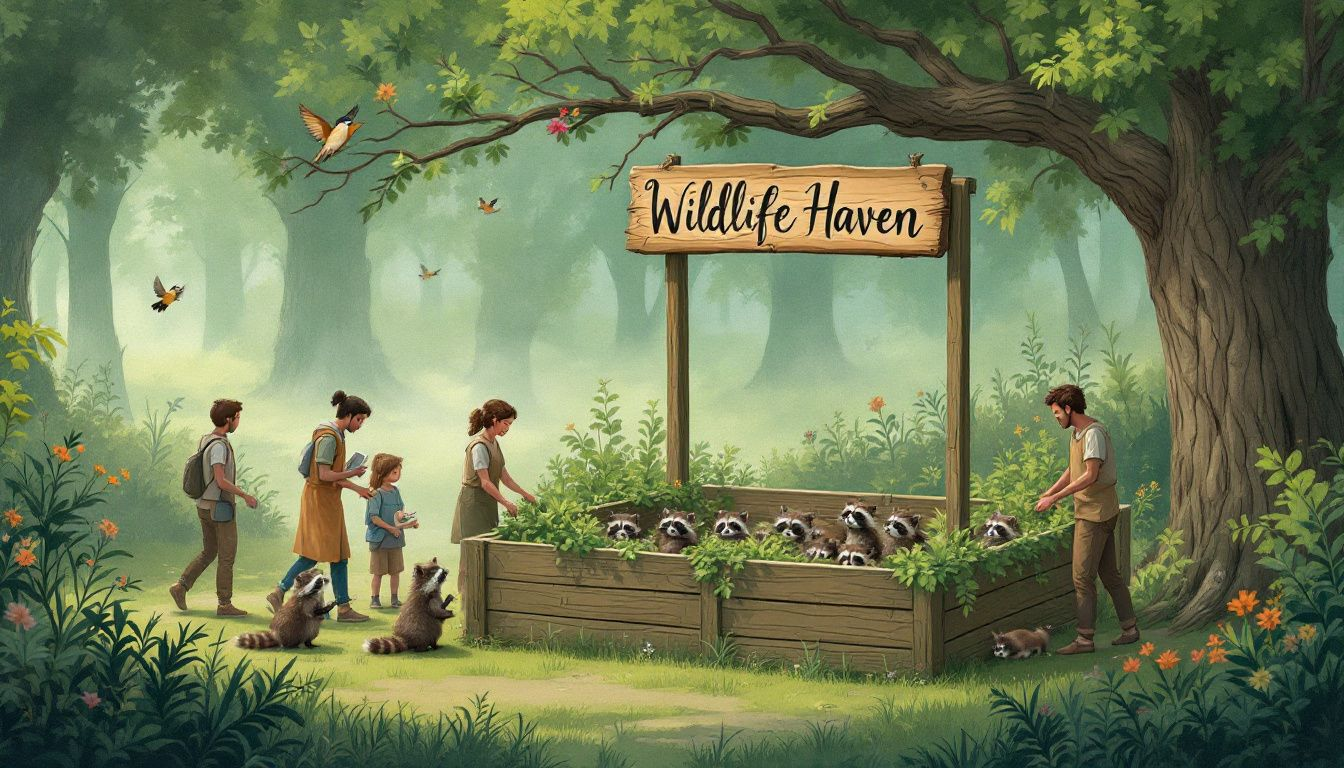
Humane wildlife trapping and relocation is a compassionate approach to managing pest species that emphasizes the well-being of the animals involved. This method is gaining traction as more people recognize the importance of balancing human and wildlife needs. Humane wildlife removal involves using eco-friendly and non-lethal techniques to manage wildlife populations, ensuring minimal stress and harm to the animals.
The primary goal of humane wildlife control is to promote coexistence between humans and wildlife. By addressing the root causes of wildlife conflicts and employing humane solutions, we can create a safer environment for both humans and animals, reflecting the values of a humane society.
This section will delve into the specifics of humane wildlife trapping and the ethical considerations of relocating wildlife.
What is Humane Wildlife Trapping?
Humane wildlife trapping focuses on non-lethal methods to capture wild animals safely. This approach uses a live trap designed to capture animals like raccoons and groundhogs without causing them harm. The process emphasizes minimizing stress and ensuring the well-being of the trapped animals throughout the capture and relocation phases.
The principles of humane wildlife control include using traps that prevent injury and distress and employing techniques that ensure safe relocation. For instance, live trapping involves capturing animals in specially designed traps that allow for their safe release into suitable habitats. This method aligns with the ethical treatment of wildlife and the promotion of animal welfare.
The Ethics of Relocating Wildlife
Relocating wildlife is not just about moving animals from one place to another; it involves careful consideration of their welfare and the impact on ecosystems. Ethical wildlife relocation ensures that dependent young are not left orphaned and that the relocated animals have a fair chance of survival in their new environment. Humane nuisance-resolution techniques prioritize the well-being of both mothers and their young, allowing for safe family relocations.
Understanding the ethics of wildlife relocation means acknowledging the potential consequences of these actions. Improper relocation can lead to significant stress and even death for the animals involved. Therefore, it is crucial to implement humane practices that consider the long-term welfare of the animals and the health of the ecosystems they are introduced to.
Challenges and Risks of Wildlife Relocation

While humane wildlife removal aims to minimize harm, relocating wildlife presents several challenges and risks. Relocation is not always a permanent solution and can often result in negative outcomes for the animals involved. The process can lead to significant stress and harm if not executed properly, highlighting the need for careful planning and consideration.
Additionally, many jurisdictions have specific laws regulating the live trapping and relocation of wildlife behavior, especially when animals are live trapped. These regulations are in place to ensure that the welfare of the animals is considered and that the relocation process does not negatively impact local ecosystems.
We will explore the survival challenges for relocated animals and the broader ecological impacts of wildlife relocation, particularly concerning the interactions with wild animal populations.
Survival Challenges for Relocated Animals
Relocated animals face numerous survival challenges in their new environments. Disorientation and competition with territorial locals can significantly impact their ability to adapt and survive. Finding new food sources, shelter, and avoiding predators are critical hurdles that many relocating animals struggle to overcome.
Before:
Studies have shown alarming mortality rates for relocated animals. For instance, 50% of relocated raccoons die within three months, and this rate may climb to 75% after one year. Similarly, a staggering 97% of relocated squirrels were reported dead or disappeared within 88 days.
After:
The mortality rates for relocated animals are concerning:
- 50% of relocated raccoons die within three months
- This rate may climb to 75% after one year
- 97% of relocated squirrels were reported dead or disappeared within 88 days
These statistics underscore the importance of considering the quality of the habitat at the release site to improve survival rates.
Impact on Local Ecosystems
Relocating wildlife can have significant impacts on local ecosystems. Introducing new animals into an area can disrupt the natural balance, leading to unforeseen consequences. Local regulations often dictate how and where trapped animals can be released to mitigate these impacts.
Moreover, removing animals and other animals from an ecosystem can create a void that new animals, often younger and less experienced, will fill. This constant cycle can lead to ongoing wildlife conflicts, underscoring the need for comprehensive and humane wildlife management strategies that prioritize long-term solutions over temporary fixes.
Effective and Humane Wildlife Management Strategies

Effective wildlife management requires a holistic approach that includes habitat modification, exclusion techniques, and the use of one-way doors. These strategies aim to create a balance between human needs and the conservation of wildlife. Rather than relying solely on trapping and relocating, which rarely provides lasting solutions, these methods address the root causes of wildlife conflicts.
By eliminating access to essential resources like food, water, and shelter, we can significantly reduce the likelihood of wildlife conflicts. Regular property inspections and maintenance are also crucial in identifying potential wildlife entry points and mitigating risks.
We will explore these strategies in detail, offering practical solutions for humane wildlife management.
Habitat Modification
Habitat modification is a crucial strategy for preventing wildlife access and conflicts. By adjusting the environment and securing food sources, we can deter wildlife from entering human spaces. For example, cleaning up food spills around bird feeders and removing feeders during certain seasons can discourage wildlife from frequenting residential areas.
Additionally, keeping garbage cans tightly closed and removing overhanging tree branches can prevent animals like raccoons and squirrels from gaining access to homes. Sealing entry points and installing barriers can further secure properties against wildlife intrusion, promoting a safer coexistence with our wild neighbors.
Exclusion Techniques
Exclusion techniques are effective, non-toxic, and humane methods for controlling wildlife. These tactics involve identifying and sealing pest access points, preventing animals from entering buildings and other structures. While exclusion methods can be time-consuming and expensive, they offer a long-term solution that does not rely on removing or harming the animals.
Techniques such as motion-activated devices, ultrasonic deterrents, and non-toxic chemical repellents can also be used to deter wildlife humanely. By implementing these strategies, we can create a more harmonious natural environment that respects both human and animal needs.
Use of One-Way Doors
One-way doors are a humane eviction strategy that allows animals to exit a structure but prevents them from re-entering. This method is particularly useful for animals that have taken up residence in attics or basements, ensuring they can leave safely without returning.
Wildlife control services often use one-way doors in combination with other humane eviction strategies, such as family reunification, to ensure the well-being of the animals. By employing these techniques, we can address wildlife conflicts in a compassionate and effective manner.
Legal Considerations in Wildlife Trapping and Relocation

Navigating the legal landscape of wildlife trapping and relocation is crucial for ensuring ethical and responsible practices. Many states have laws that prohibit or regulate the live trapping and relocation of wildlife to protect both the animals and local ecosystems. Understanding these regulations is essential for anyone involved in wildlife management.
Inhumane pest removal tactics can have serious legal implications and may be restricted or illegal in many areas. This section will discuss the importance of understanding local laws and obtaining the necessary licenses and permits for wildlife control activities.
Understanding Local Laws
Understanding local wildlife laws is essential for anyone involved in wildlife control. Certain pesticides and traps may be prohibited in various jurisdictions, and it is crucial to research these regulations before proceeding with any wildlife management activities. Information about local wildlife laws can typically be found at the local branch of the US Fish and Wildlife Service.
Additionally, some states may require that trapped pests be released in the vicinity or humanely euthanized. When hiring a wildlife removal service, verifying their licenses and insurance is vital to ensure they comply with local laws.
Licensing and Permits
Licensing and permits are crucial components of legal wildlife management. Ensuring that the wildlife removal service possesses valid licenses and carries commercial liability insurance is essential for responsible and ethical practice. Obtaining the appropriate licenses and permits ensures that trapping and relocating wildlife are conducted legally and humanely.
These requirements may vary by state or region, so it is important to verify local regulations before proceeding with any wildlife management activities. By adhering to these legal considerations, we can promote ethical and effective wildlife control practices.
How to Choose a Humane Wildlife Removal Service

Choosing a humane wildlife removal service is critical for ensuring the well-being of the animals and the effectiveness of the management strategies. Prioritizing humane practices that minimize animal stress and injury is essential. A reputable wildlife management service like NYC Extermination should possess the necessary licenses and knowledge of local wildlife laws and regulations.
Good sources for referrals when choosing a humane wildlife control company include friends, family, and local wildlife rehabilitators. Obtaining a detailed assessment and written estimate before hiring a service is also recommended to ensure transparency and thoroughness.
Evaluating Humane Practices
Evaluating the humane practices of a wildlife removal service involves looking at their methods and strategies. Humane wildlife removal methods include the use of one-way doors, live trapping, and hands-on removal tactics. During the inspection, a wildlife control team should present a breakdown of their pest management plan. This will help ensure both transparency and effectiveness.
Preventing re-infestation after removing wildlife is crucial to ensure ongoing pest control and respect animal rights. By choosing services that prioritize humane practices, we can promote ethical and effective wildlife management.
Preventive Measures to Avoid Wildlife Conflicts
Preventive measures are essential for minimizing wildlife conflicts and promoting coexistence. Educating homeowners about securing food sources and recognizing signs of wildlife activity can significantly reduce conflicts. A holistic approach to pest prevention balances human needs with wildlife conservation.
Eliminating food and water sources through habitat modification can deter wildlife from entering properties. This section will discuss securing entry points and managing food sources and shelter as effective preventive measures.
Securing Potential Entry Points
Securing potential entry points is a critical step in preventing wildlife conflicts. Installing chimney covers and soffit vents can block wildlife from entering homes, reducing the risk of encounters. Additionally, sealing gaps around plumbing or utility lines can prevent animals like raccoons from gaining access.
By addressing these potential entry points, homeowners can create a more secure environment that deters wildlife from entering their properties.
Managing Food Sources and Shelter
Managing food sources and shelter is fundamental to preventing wildlife attraction to residential areas. Simple measures such as storing pet food indoors and keeping garbage bins tightly sealed can go a long way in deterring wildlife. Using bird feeders designed to minimize spillage can also help reduce the attraction of unwanted animals.
Inspecting your property for potential shelter locations, such as under decks or in sheds, and removing debris or stacked wood can prevent small mammals and other wildlife from setting up residence. Implementing these strategies and educating neighbors about proper waste management can enhance community efforts to reduce wildlife conflicts.
Contact Us Today!
At NYC Extermination, we pride ourselves on offering the best humane wildlife trapping and relocation services. Our team is committed to ensuring the well-being of the animals and the safety of your property.
Contact us today for a detailed assessment and written estimate, and let us help you create a harmonious coexistence with your local wildlife.
Summary
Humane wildlife trapping and relocation is a compassionate and effective approach to managing wildlife conflicts. By understanding the principles of humane wildlife control, we can ensure the well-being of the animals and promote coexistence. Effective strategies such as habitat modification, exclusion techniques, and the use of one-way doors offer long-term solutions that prioritize animal welfare and environmental balance.
In conclusion, responsible wildlife management involves understanding the ethical implications, adhering to legal requirements, and implementing preventive measures to avoid conflicts. By choosing humane practices and educating our communities, we can foster a safer and more harmonious relationship with our wild neighbors. Take action today and contribute to a sustainable future where humans and wildlife coexist peacefully.
Frequently Asked Questions
What is humane wildlife trapping?
Humane wildlife trapping is the practice of capturing animals using non-lethal methods and live traps, prioritizing their safety and well-being while minimizing stress and harm. By adopting these methods, we can effectively manage wildlife populations without causing unnecessary suffering.
Why is relocating wildlife ethically challenging?
Relocating wildlife is ethically challenging because it can cause stress, harm, or death to the animals, while also potentially disrupting local ecosystems. It is crucial to prioritize both the animals’ welfare and the integrity of the ecosystems when considering relocation.
What are some effective humane wildlife management strategies?
Effective humane wildlife management strategies involve habitat modification, exclusion techniques, and implementing one-way doors to encourage coexistence while preventing conflicts. These methods ensure both wildlife safety and community harmony.
What legal considerations should be taken into account for wildlife trapping and relocation?
It is crucial to familiarize yourself with local wildlife laws, secure the proper licenses and permits, and ensure compliance with regulations during wildlife trapping and relocation to uphold ethical standards.
How can I prevent wildlife conflicts on my property?
To prevent wildlife conflicts on your property, secure potential entry points, manage food sources, and educate neighbors on waste management. These proactive steps will help reduce wildlife attraction and conflicts effectively.
Recent Comments