

Need to deal with wildlife in a humane way? This article covers humane wildlife trapping and prevention, offering tips on ethical trapping, effective prevention, and professional services to keep your home safe and the animals unharmed.
Key Takeaways
- Humane wildlife trapping emphasizes the ethical treatment of animals through live trapping and safe relocation, promoting coexistence between humans and wildlife.
- Effective wildlife prevention strategies include sealing entry points, habitat modification, and using deterrents to minimize attractants around homes.
- Choosing a reputable humane wildlife control service involves checking credentials, evaluating humane methods, and considering customer reviews to ensure ethical animal treatment.
Understanding Humane Wildlife Trapping
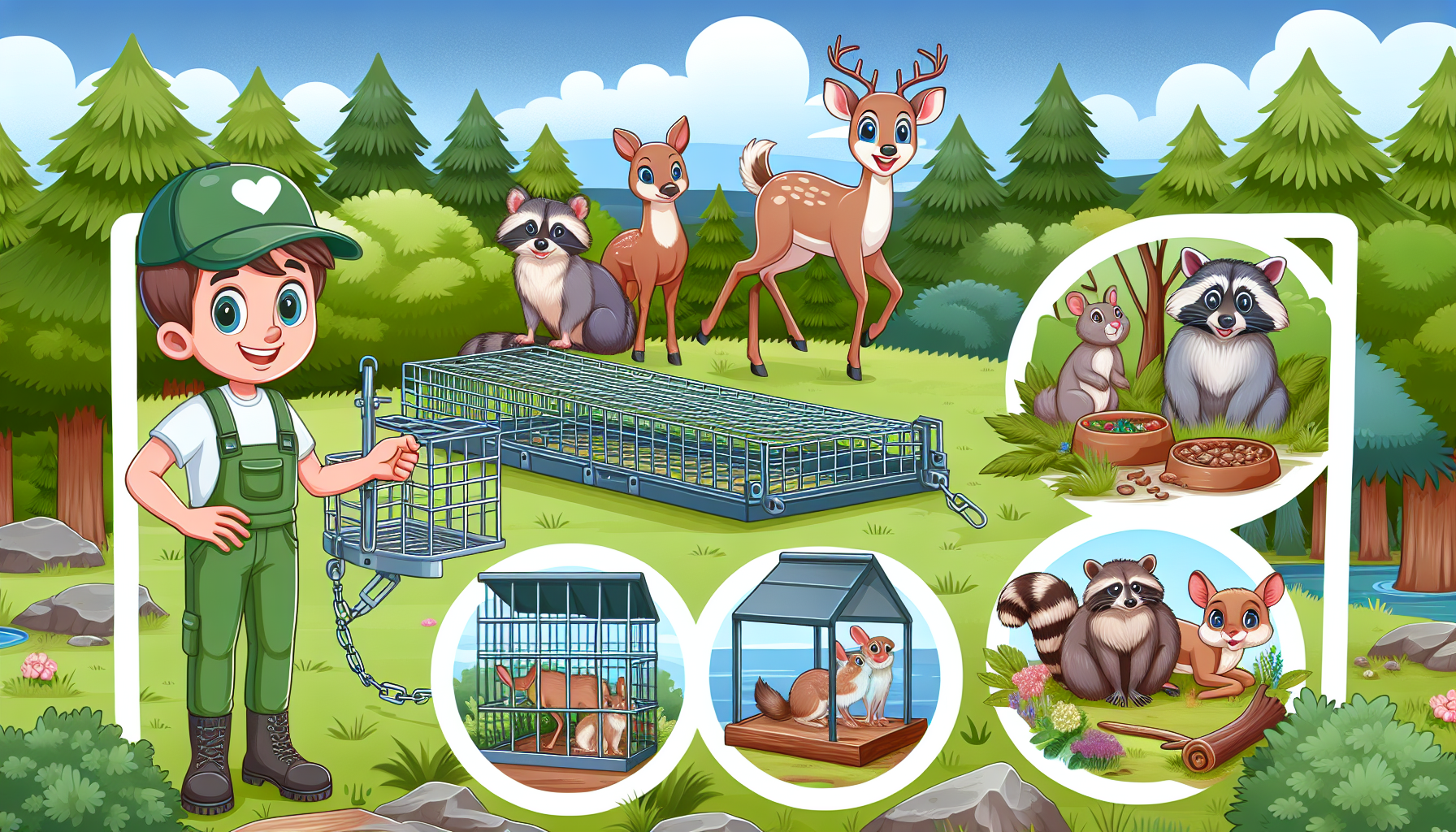
Humane wildlife trapping focuses on the ethical treatment of wild animals during the removal process. This approach aims to minimize harm and stress to the animals involved, ensuring their well-being while addressing the needs of homeowners. Unlike conventional pest control methods, humane wildlife removal employs techniques like live trapping, relocation, and safe eviction, which prioritize the safety and ethical treatment of both humans and animals.
At its core, humane wildlife control is about promoting coexistence between humans and wildlife. Understanding wildlife behavior and using humane practices allows us to resolve conflicts without causing unnecessary suffering. This balance is essential for effective wildlife management and maintaining a harmonious relationship with the animals that share our environment.
Types of Live Traps
Inhumane wildlife control, live trapping is a common practice that involves capturing animals without causing them harm. The primary types of live traps include cage traps and one-way doors. Cage traps are designed to contain wildlife, allowing for their humane relocation safely.
One-way doors, on the other hand, permit animals to exit a space but prevent them from re-entering, facilitating a humane removal process. These traps are crucial for ensuring that the animals are handled ethically and can be relocated to a more suitable environment.
Best Practices for Setting Traps
Setting traps humanely requires careful consideration to ensure the safety and well-being of the animals. Best practices include using one-way doors and hands-on removal techniques that allow for safe release.
Monitoring the traps frequently minimizes the time an animal is confined, reducing stress and potential harm. These strategies ensure that live trapping is conducted ethically and effectively, aligning with humane wildlife control principles.
Legal Considerations
Legal considerations play a crucial role in humane wildlife trapping. Homeowners should be aware of local laws and regulations governing trapping and relocating wildlife. Consulting local wildlife agencies can provide valuable guidance on legal requirements and ethical practices.
Additionally, it’s important to check traps frequently to ensure the animals’ safety and comply with regulations. Understanding these legal aspects helps ensure that wildlife control efforts are both humane and compliant with local standards.
Effective Prevention Strategies

Prevention is key to avoiding wildlife conflicts and maintaining a wildlife-free home. Effective prevention strategies involve altering yard conditions, sealing entry points, and using deterrents to make your property less attractive to wildlife. Eliminating food sources and blocking access significantly reduces the likelihood of wildlife intrusions. Continuous monitoring and habitat modification are essential components of comprehensive wildlife management, ensuring long-term solutions.
Implementing humane practices and preventive measures not only protects your home but also promotes the ethical treatment of animals. Adopting a humane approach addresses potential wildlife issues before they escalate, fostering peaceful coexistence with local wildlife.
These strategies provide a proactive way to deter wildlife and maintain the integrity of your property.
Sealing Entry Points
One of the most effective ways to prevent wildlife from entering your home is by sealing entry points. This involves identifying and closing any gaps or openings that animals could use to gain access. Common entry points include vents, chimneys, and gaps in roofs or walls.
Using materials like metal mesh or caulk to seal these potential entry points can significantly reduce the chances of wildlife intrusions. Additionally, installing one-way doors can allow animals to exit but prevent them from re-entering, ensuring a humane and effective solution.
Habitat Modification
Habitat modification is a crucial step in wildlife management that involves altering the surrounding environment to make it less attractive to wildlife. This can include securing food sources by keeping garbage in sealed containers and minimizing outdoor pet food.
Choosing native plants and maintaining gardens can also reduce the appeal of properties to various wildlife species. Planting native flora can create a natural barrier against wildlife, providing less attractive habitats and effectively deterring animals from invading residential areas.
Using Deterrents
Using deterrents is another effective strategy for keeping wildlife away from your property. Natural repellents and physical barriers, such as motion-activated lights, can discourage wildlife from approaching. Humanely managing birds often involves using netting or other physical barriers to guide them away from unwanted areas.
Employing non-harmful deterrents can significantly reduce wildlife encounters on your property, promoting a humane and ethical approach to wildlife control.
Common Wildlife Species and Their Behaviors

Understanding the behaviors of common wildlife species is essential for effective wildlife management. Nuisance wildlife, such as raccoons, squirrels, and other animals, can create various issues, including waste and property damage. Each species has distinct behaviors; for example, raccoons are known for their nocturnal scavenging, while squirrels often build nests in attics. Knowledge of these behaviors helps in setting effective traps and preventing wildlife problems in homes, ensuring humane wildlife removal practices are followed.
By familiarizing yourself with the habits of these animals, you can better anticipate potential issues and implement appropriate prevention strategies. This understanding is crucial for resolving wildlife conflicts humanely and maintaining a wildlife-free home.
Raccoons
Raccoons are nocturnal animals known for their intelligence and dexterity. They are opportunistic feeders, often scavenging for food in trash cans and yards. Raccoons can easily access homes through openings such as vents, chimneys, and gaps in roofs or fascia boards.
Humane removal techniques for raccoons include using live traps that capture them without causing harm, allowing for their safe relocation. Understanding raccoon behavior is essential for implementing effective and humane wildlife control measures.
Squirrels
Squirrels are notorious for their nesting habits, often creating nests in attics, tree cavities, or under eaves. These nests can lead to potential structural damage if not addressed promptly.
Humane wildlife removal techniques for squirrels include using live traps and one-way doors to safely evict them from homes. Understanding squirrel behavior helps homeowners implement effective prevention strategies to keep these animals from causing property damage.
Other Animals
Other common nuisance animals, such as skunks and opossums, can also create problems for homeowners. Skunks are known for digging in yards and spreading odors that are difficult to eliminate. Opossums can be deterred by constructing barriers to prevent access to desired areas.
These animals require specific humane wildlife control techniques to manage their presence effectively. Understanding their behaviors and implementing appropriate prevention strategies minimizes conflicts with nuisance wildlife species.
Choosing a Professional Humane Wildlife Control Service
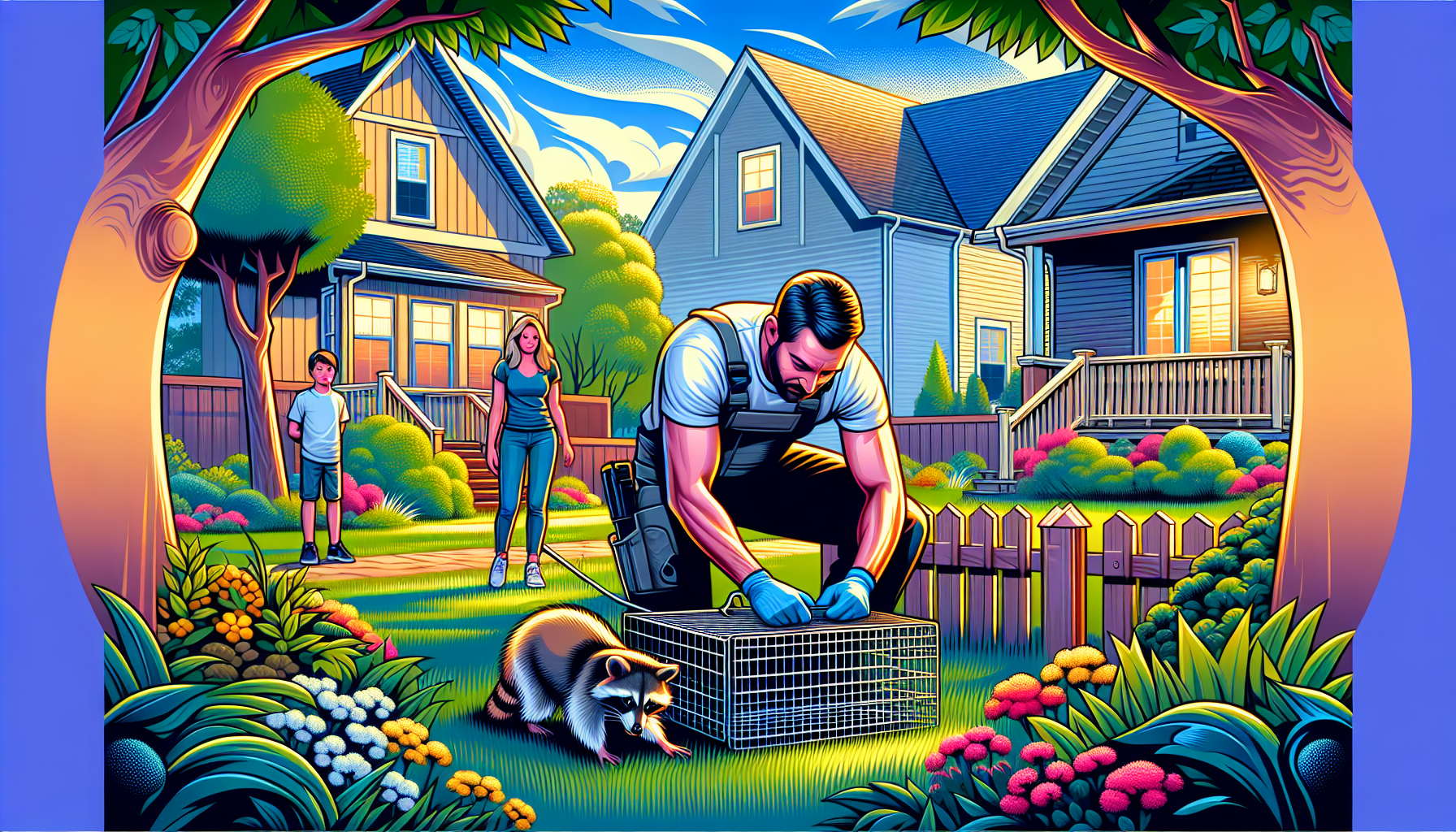
Hiring a professional humane wildlife control service is essential for ensuring the ethical and effective removal of wildlife from your property. These services can help homeowners resolve wildlife problems while prioritizing the welfare of the animals involved. When choosing a wildlife control service, it’s important to look for a company that offers humane practices, such as live trapping and animal-proofing methods, to prevent future infestations.
Professional wildlife removal services should also provide comprehensive solutions, including removal, trapping, and cleanup. Additionally, it’s crucial to select a service that has a strong reputation for reliability and customer satisfaction. Companies with decades of experience and a customer-oriented philosophy are often the best choice.
Prioritizing humane methods and professional services ensures that wildlife conflicts are resolved ethically and effectively.
Checking Credentials
When selecting a wildlife control service, it’s important to verify that the company is licensed and insured. This ensures compliance with legal standards and provides peace of mind that the service is conducted professionally. Many wildlife services professionals hold certifications and degrees in wildlife management, reflecting their expertise and commitment to ethical practices.
Hiring licensed and certified companies ensures homeowners work with knowledgeable professionals who follow humane wildlife removal methods.
Evaluating Humane Methods
Evaluating the humane methods employed by a wildlife control company is crucial. Look for companies that prioritize removal methods like one-way doors, live trapping, and hands-on removal tactics. These methods ensure the ethical treatment of animals and prevent future infestations.
It’s also important to avoid services that charge unethical fees or use inhumane practices. Choosing a company that employs humane and ethical wildlife control methods allows homeowners to address wildlife conflicts responsibly and effectively.
Reading Reviews and Getting Referrals
Reading customer reviews and seeking referrals from friends, family, or community members can provide valuable insights into the effectiveness of a wildlife control service. Positive reviews indicate reliability and satisfaction among previous customers, while referrals can lead to trustworthy recommendations.
Combining these insights can help homeowners choose a reputable and humane wildlife control service that meets their needs and ensures ethical treatment of animals.
Implementing Long-Term Wildlife Prevention
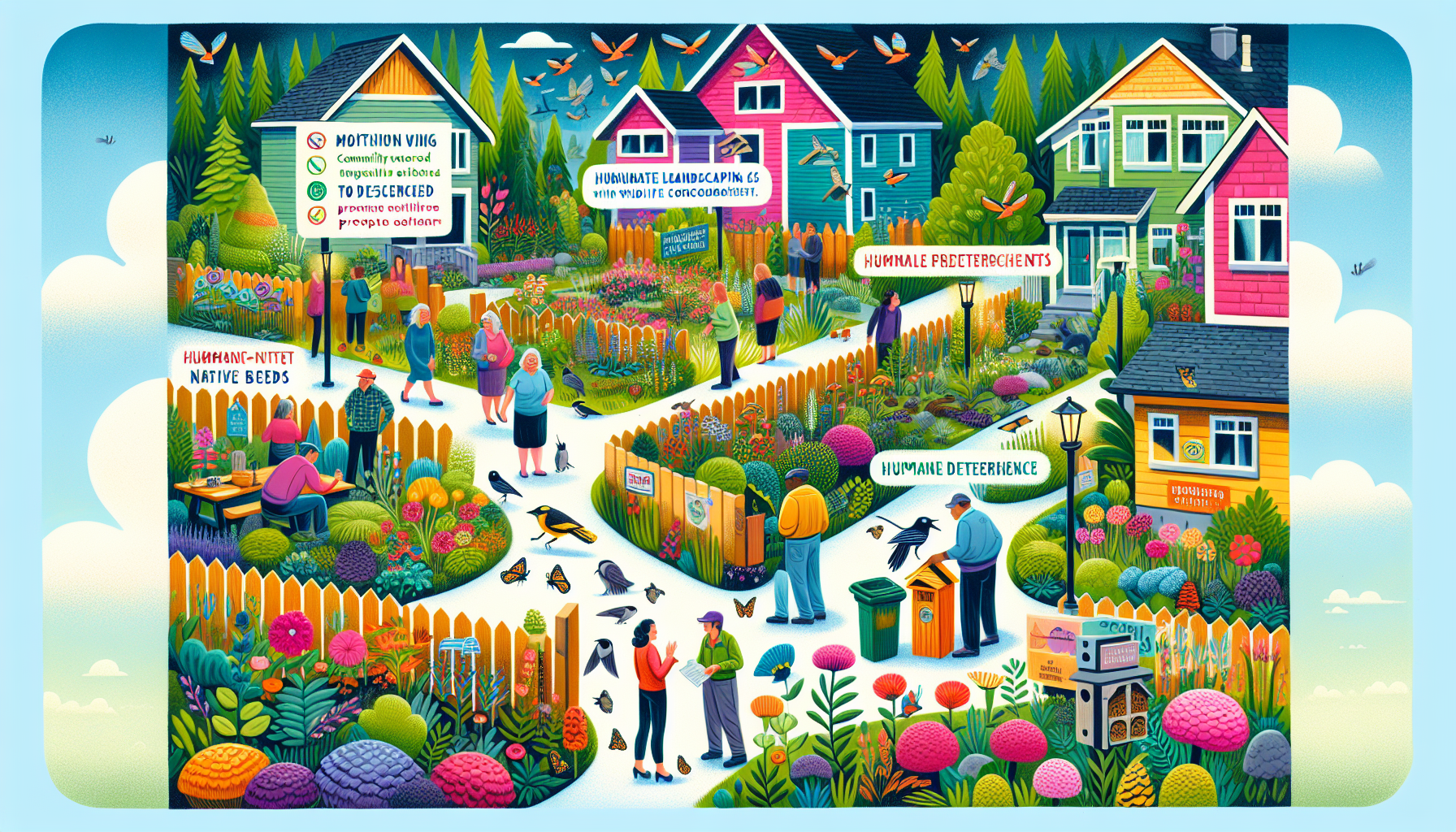
Long-term wildlife prevention is essential for maintaining a wildlife-free home. Continuous prevention measures, such as regular property inspections, effective landscaping, and community efforts, can significantly reduce the risk of wildlife intrusions. Homeowners should implement preventive measures after wildlife has been removed to prevent future issues. These measures include securing entry points, managing attractants, and educating the community about wildlife prevention. Sustained efforts are crucial for ensuring properties remain free from wildlife conflicts.
Education is a key component of long-term prevention, helping homeowners understand the importance of securing food sources and recognizing signs of wildlife activity. Fostering a culture of prevention and awareness allows communities to coexist peacefully with wildlife while minimizing conflicts.
Regular Property Inspections
Conducting regular property inspections is a vital part of long-term wildlife prevention. Frequent inspections help identify potential wildlife issues early, allowing for prompt action to mitigate problems. Routinely evaluating property perimeters helps detect early signs of wildlife presence, allowing for necessary measures to prevent infestations.
These inspections play a crucial role in maintaining a wildlife-free home and ensuring continuous prevention efforts.
Landscaping Tips
Proper landscaping practices can significantly reduce wildlife attraction to your property. Trimming trees, clearing debris, and managing waste are effective ways to deter wildlife from approaching.
Optimizing landscaping by reducing dense vegetation and keeping the area clean can make your property less appealing to animals. Implementing these strategies collectively helps in maintaining a wildlife-free environment and supports long-term prevention efforts.
Community Efforts
Community efforts play a crucial role in enhancing wildlife prevention strategies. Collaborative initiatives, such as neighborhood clean-ups and awareness campaigns, promote shared responsibility among residents. Working together allows communities to implement effective prevention measures and reduce wildlife conflicts.
Organizing community-wide efforts fosters a sense of communal responsibility and ensures a comprehensive approach to wildlife prevention, benefiting both homeowners and local wildlife.
How NYC Extermination Can Help You
For over 25 years, NYC Extermination has been a trusted name in pest control, founded by native New Yorker Jeff Pasternack. His deep understanding of New York City’s pest problems gained from working at his parents’ hardware store and managing an apartment building, has equipped him with unique insights into effective pest management. NYC Extermination offers high-quality pest control services to both commercial and residential customers, employing certified exterminators who specialize in humane wildlife removal and environmentally friendly practices.
Our Integrated Pest Management (IPM) program focuses on the life cycle of pests and how environmental factors influence their behavior. This comprehensive approach ensures that our methods are not only effective but also safe for our customers’ health and the environment. We use professional-grade, EPA-registered chemicals and prioritize our clients’ health and safety in every treatment.
Our services cover a wide range of pests, including bed bugs, cockroaches, rodents, and wildlife such as raccoons and squirrels. With a 30-day warranty on all services, NYC Extermination provides peace of mind and a better night’s sleep for our customers. Contact us today!
Summary
In conclusion, humane wildlife trapping and prevention are essential for maintaining a safe and ethical environment in and around your home. By understanding humane trapping methods, implementing effective prevention strategies, and choosing professional services, homeowners can address wildlife conflicts responsibly. Long-term prevention efforts, including regular inspections, proper landscaping, and community initiatives, are crucial for sustaining a wildlife-free home. NYC Extermination is here to help with expert, humane wildlife control services, ensuring your peace of mind and harmonious coexistence with local wildlife.
Frequently Asked Questions
What are the most common types of humane live traps?
The most common types of humane live traps are cage traps and one-way doors, designed to capture and relocate wildlife safely and without harm. These methods ensure a humane approach to wildlife management.
How can I prevent wildlife from entering my home?
To effectively prevent wildlife from entering your home, seal all entry points, modify your landscape to make it less inviting, and install deterrents such as motion-activated lights. These strategies will help keep unwanted visitors away.
What should I look for when hiring a professional wildlife control service?
When hiring a professional wildlife control service, prioritize companies that are licensed and insured, employ humane methods, and have favorable customer reviews. Look for comprehensive solutions, including removal, trapping, and cleanup services.
Why is regular property inspection important for wildlife prevention?
Regular property inspections are crucial for early detection of potential wildlife issues, enabling timely intervention to prevent infestations and maintain a safe environment.
How can NYC Extermination help with wildlife control?
NYC Extermination provides humane and environmentally-friendly wildlife control through their Integrated Pest Management program. Their certified exterminators offer effective solutions tailored to ensure your health and safety.
Recent Comments