

How can you tell if you have a wildlife problem in your home? Look for signs like unusual noises at night, droppings, chew marks on wires or wood, and visible damage. Identifying how to tell if you have a wildlife problem early helps in preventing bigger issues. This article will guide you through these signs and solutions.
Key Takeaways
- Common signs of wildlife intrusion include unusual noises, droppings, and visible damage, which indicate the presence of unwanted animals in your home.
- Key entry points for wildlife include damaged shingles, roof vents, and gaps in crawl spaces; sealing these areas is essential to prevent infestations.
- Ignoring wildlife problems poses significant risks, including property damage from chewed wires and health hazards due to droppings and urine, necessitating prompt professional intervention.
Identifying Wildlife Intrusion: Key Indicators
Wildlife problems can manifest in various ways, and knowing the common signs of wildlife intrusion is crucial for timely intervention. From unusual noises to visible damage, these indicators can help you identify a wildlife infestation before it escalates into a significant issue.
Strange sounds, droppings, and chew marks are some of the most common signs of wildlife presence, along with other signs. Each type of sign offers important clues about the type of nuisance wildlife you’re dealing with. Understanding these signs can guide you in deciding whether professional wildlife removal services are necessary.
Unusual Noises at Night
Have you ever heard strange noises like scratching or scurrying in the middle of the night? These sounds are among the most common signs of wildlife intrusion. At night, specific sounds become most noticeable, including:
- Scratching in walls
- Scurrying on the roof
- Rustling noises in the attic or walls These sounds point to potential wildlife issues and the presence of unwanted guests, including bats.
Different animals produce different noises. For instance, noises such as:
- scratching
- chewing
- chirping can indicate the presence of various critters in your attic or walls, as well as other animals. Recognizing these noises is the first step in addressing a wildlife problem and ensuring your home remains safe and secure.
Droppings and Urine Odors
One of the most unmistakable signs of a wildlife infestation is the presence of droppings and urine odors. Small droppings on the floor can indicate that wild animals have invaded your space. The appearance of the droppings can help identify the type of wildlife, with fresh droppings being shiny and soft, while older droppings are dry and crumble easily. Different animal droppings vary in appearance, aiding identification and helping you take appropriate action.
In addition to droppings, urine odors can be a telltale sign of wildlife presence, including skunks. These odors often prompt an investigation and can signal that it’s time to call a wildlife pest control professional. Consistent odors and droppings indicate a significant wildlife problem that requires immediate attention.
Visible Damage and Chew Marks
Visible damage, such as chew marks and structural damage, is another clear sign of wildlife intrusion. Chew marks on:
- electrical wires
- wood
- other materials indicate the presence of rodents or squirrels that have entered your home. This type of wildlife damage can lead to significant structural issues and even fire hazards.
Gnaw marks on wires and wooden beams are particularly concerning, as they warrant immediate attention to prevent further wildlife problems. Recognizing these signs of damage is critical for correctly identifying the species involved in the intrusion and taking the necessary steps for wildlife removal.
Common Entry Points for Wildlife
Understanding where wild animals might be entering your home is crucial for effective wildlife management. Common entry points are roof vents and attic screens. Gaps between siding and the foundation also serve as entry points. Sealing these entry points stops wildlife from accessing your home.
Different animals exploit various entry points, from roof vents to crawl spaces. Let’s explore these entry points in detail and provide tips on securing them.
Damaged Shingles and Roof Vents
Damaged shingles and roof vents are prime entry points for wildlife. Large animals like raccoon can cause significant damage by tearing shingles or creating holes in roof vents. Loose or damaged shingles create openings that raccoons and squirrels exploit to gain entry into attics.
Maintaining your roofing’s integrity prevents wildlife intrusion. Good condition of shingles and roof vents keeps wild animals out, protecting your home from damage.
Gaps in Crawl Spaces
Gaps in crawl spaces serve as significant entry points for wildlife, particularly smaller animals such as other rodents. Unsealed gaps provide easy access for norway rats and mice looking for shelter. These small holes can lead to a larger wildlife issue if not addressed promptly, creating a potential hole for further problems.
Sealing crawl space gaps prevents small mammals from entering your home and causing infestations. Addressing these entry points significantly reduces the risk of wildlife problems.
Overhanging Branches and Trees
Overhanging branches and trees can facilitate wildlife entry into homes. Branches that hang close to the roof serve as pathways for animals like squirrels, allowing them to leap onto roofs and find entry points. Regularly monitoring and trimming overhanging branches reduces the risk of wildlife intrusion.
Trees or branches that extend close to homes can serve as pathways for various creatures to reach roofs and attics. Effective wildlife management requires identifying and maintaining these potential entry points on the wall ground.
Recognizing Wildlife Nests and Tracks
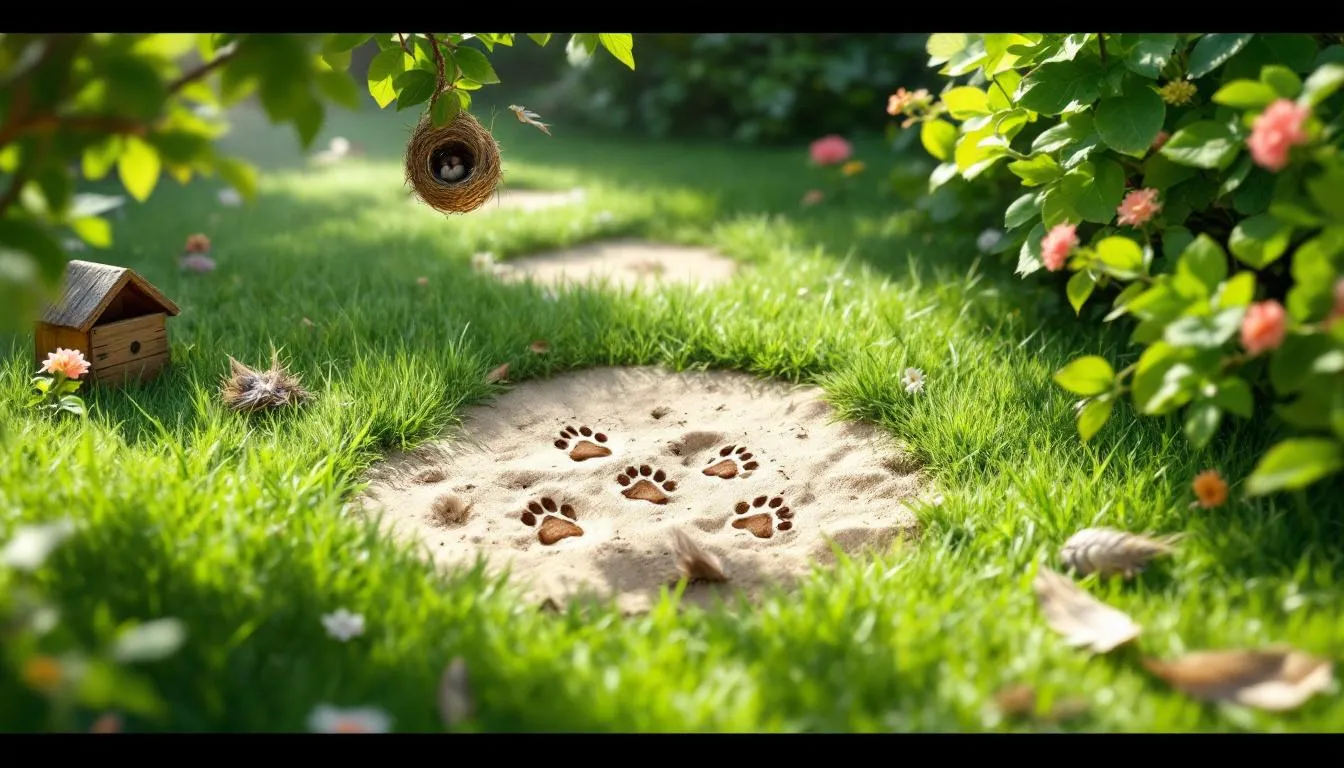
Recognizing wildlife nests and tracks confirms an infestation and guides appropriate action. Nests and material piles, as well as animal tracks and smudge marks, are clear indicators of wildlife presence.
Identifying these signs early helps address the wildlife problem before it escalates. The following subsections will provide detailed guidance on how to spot nests and tracks around your home, as identified.
Nests and Material Piles
Wildlife nests indicate that animals view your home as their habitat. Nests are typically constructed from materials such as:
- twigs
- leaves
- shredded insulation
- fabric
- paper These materials are often found in hidden corners, attics, chimneys, and vents of a home.
A pile of debris out of place may indicate a wildlife nest is present. Recognizing these nests confirms an infestation and guides necessary wildlife removal steps.
Animal Tracks and Smudge Marks
Animal tracks and smudge marks are clear signs of wildlife activity. For example, raccoons leave behind hand-like prints that are distinctive. In dusty corners of your attic, you may find tracks indicating wildlife presence.
Greasy smudge marks left on surfaces are indicative of repeated wildlife activity. Different animals leave unique tracks, which can help identify infestations early. Promptly addressing wildlife issues requires recognizing these signs.
The Risks of Ignoring Wildlife Problems
Ignoring wildlife problems can lead to severe consequences. From property damage to health risks, the presence of wild animals in your home poses significant dangers. These risks highlight the importance of timely wildlife removal and management.
Let’s delve into specific hazards associated with wildlife infestations, including fire hazards from chewed wires and health risks from droppings and urine.
Fire Hazards from Chewed Wires
Wildlife intrusion can pose significant fire hazards due to chewed wires. Frayed electrical wires indicate wildlife activity and pose a fire hazard. Rodents and other wildlife can chew on electrical wires, creating significant fire hazards.
Potential electrical fires can occur due to gnaw marks and other damage caused by rodents on electrical wiring. Inspecting and repairing chewed wires promptly prevents fire risks in your home.
Health Risks from Droppings and Urine
Wildlife droppings and urine present serious health risks to humans and pets. Health hazards include the potential transmission of diseases through direct contact with or inhalation of particles from droppings and urine. Wildlife droppings and urine pose serious health risks to humans and pets, making it crucial to handle any wildlife infestation promptly.
Urine stains indicate animal residency and lead to health risks if not addressed. Ignoring these signs exposes your family to diseases like hantavirus and leptospirosis, spread through animal droppings and urine.
Professional Wildlife Removal Solutions
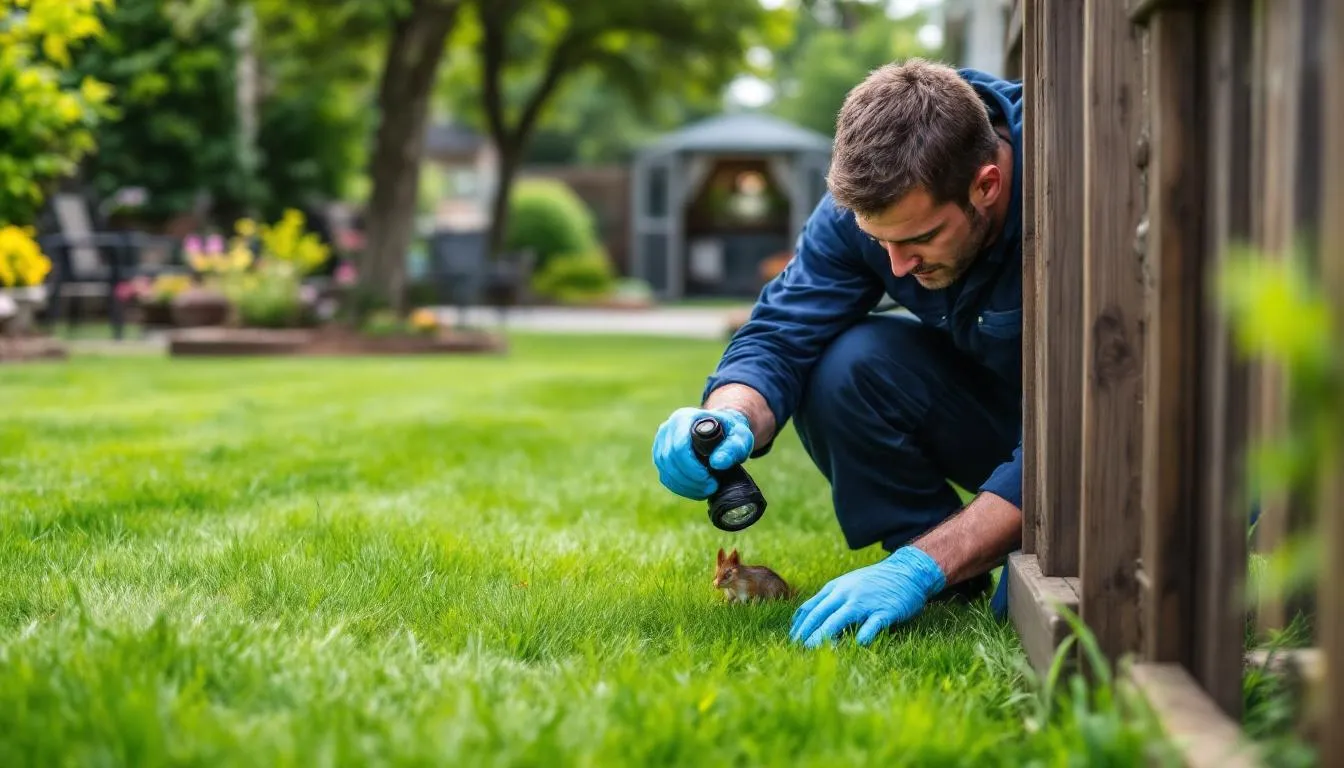
Addressing a wildlife infestation often requires professional intervention. Professional wildlife removal services ensure the safe and effective removal of nuisance wildlife from your home. These professionals also help mitigate health risks associated with wildlife droppings and urine.
We’ll discuss humane removal techniques and preventative measures to avoid future infestations.
Humane Removal Techniques
Humane wildlife control minimizes suffering and stress for animals during the removal process. The principles of humane wildlife control focus on the ethical treatment of animals while effectively managing wildlife issues.
Humane wildlife control often uses live traps to capture and relocate animals without harm. These techniques ensure that the animals are safely removed and relocated to a suitable habitat.
Preventative Measures Post-Removal
Implementing preventative measures after professional wildlife removal is essential to avoid future infestations. Humane removal techniques not only ensure the safety of the animals but also help in assessing weaknesses in your property that could invite new wildlife.
Preventing wildlife re-entry requires understanding common entry points like gaps in crawl spaces and overhanging branches. The vast majority of these preventative steps help maintain a wildlife-free environment.
Having A Wildlife Problem? Contact Us Today!
Suspecting a wildlife infestation in your home means you should act fast. Contact professional wildlife removal services for prompt issue resolution. At NYC Extermination, we are experts in wildlife trapping and removal, ensuring the safe and effective handling of wildlife problems.
Act before the problem escalates. Reach out to us today for a thorough inspection and professional wildlife management solutions. Protect your home and family from the risks associated with wildlife infestations.
Summary
Wildlife problems can lead to significant damage and health risks if not addressed promptly. Recognizing the signs of wildlife intrusion, understanding common entry points, and knowing how to identify nests and tracks are crucial for effective wildlife management. Professional wildlife removal services offer humane and effective solutions to these issues. Don’t hesitate to contact professionals to ensure a safe and wildlife-free home.
Frequently Asked Questions
What are the most common signs of a wildlife infestation?
The most common signs of a wildlife infestation are unusual nighttime noises, droppings with strong odors, and visible damage like chew marks on wires and wood. Recognizing these signs early can prevent further damage and health risks.
How do wild animals typically enter homes?
Wild animals typically enter homes through damaged shingles, roof vents, gaps in crawl spaces, and by using overhanging branches and trees as access points. It’s essential to secure these areas to prevent unwelcome intrusions.
What are the health risks associated with wildlife infestations?
Wildlife infestations pose significant health risks, including the transmission of diseases like hantavirus and leptospirosis through their droppings and urine. It is essential to address these infestations promptly to minimize exposure to such harmful pathogens.
What methods are used for humane wildlife removal?
Humane wildlife removal methods primarily include the use of live traps to capture and relocate animals safely and ethically, ensuring their well-being during the process. This approach allows for effective management of wildlife conflicts without causing harm.
Why is it important to implement preventative measures after wildlife removal?
Implementing preventative measures after wildlife removal is crucial to prevent future infestations by sealing entry points and addressing vulnerabilities in your home. This ensures that wildlife cannot return, protecting your space and peace of mind.
Recent Comments