

Want to know how to ensure wildlife trapping is safe for your family? This article covers how to use traps effectively and safely. We discuss picking suitable traps, setting them up securely, following legal guidelines, and safe animal handling. Protect your home while keeping your family out of harm’s way.
Key Takeaways
- Understanding wildlife conflicts involves recognizing the threats they pose to property and family, advocating for proactive measures like animal-proofing and food source elimination.
- Selecting appropriate traps is vital for humane wildlife management, with live traps being preferred in populated areas to prevent harm to non-target animals.
- Regular monitoring of traps and handling of captured animals is crucial for humane treatment and safety, and sealing entry points along with habitat modification can prevent future infestations.
Understanding Wildlife Conflicts
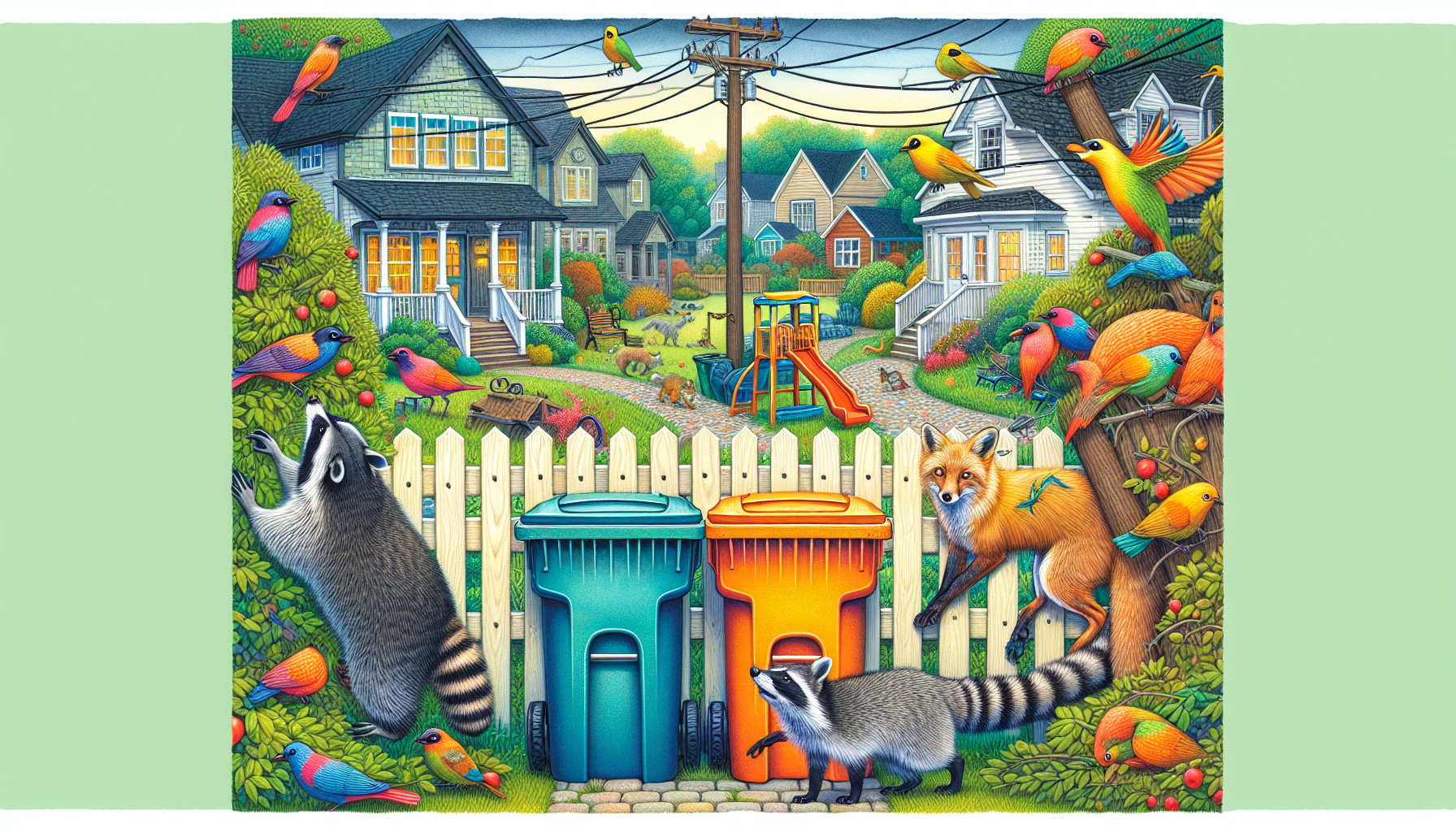
Wildlife conflicts often arise from animals damaging property, posing safety threats, or carrying diseases. Common nuisances like raccoons, skunks, and deer can wreak havoc on crops and property, leaving behind a trail of destruction. Imagine waking up to find your garden ravaged or your attic insulation shredded—these are everyday realities for many homeowners dealing with unwanted wildlife, nuisance wildlife, wild animals, and wild birds.
The dangers extend beyond property damage. Uninvited wildlife can pose significant safety threats to families and pets. Skunks, for instance, can leave behind a lingering odor, while squirrels might chew through drywall, and pets could end up with painful porcupine quills. The presence of these other animals can also lead to the transmission of diseases, making it imperative to address these issues promptly.
Homeowners can minimize wildlife conflicts by taking proactive measures such as animal-proofing properties and eliminating food sources. These strategies effectively deter wildlife from settling in your space. Understanding these common conflicts and their risks allows you to better prepare for tackling these issues.
Choosing the Right Traps

Selecting the appropriate trap is crucial for effective and humane wildlife management. Animal traps fall into two main categories: restraining traps and kill traps. While quick-kill traps might seem like a straightforward solution, they are often not the best choice for urban or suburban settings where the risk of injuring pets or non-target animals is high. Instead, live traps, such as cage traps and box traps, offer a more humane alternative for capturing the target animal.
Cage traps are typically made from wire mesh and are designed to capture animals without causing them harm. These traps are often the only viable option in populated areas due to their safety and effectiveness.
Box traps, on the other hand, are usually constructed from materials like wood, plastic, or metal and work well for capturing small to medium-sized animals by closing behind them once they enter out of curiosity. By understanding the types of traps available and their appropriate uses, you can make informed decisions that align with humane trapping practices.
Legal Considerations
Familiarize yourself with local laws and regulations before setting any traps. Trapping wildlife outside of regulated seasons is illegal unless these animals are actively causing damage or posing health risks. Trapping on national wildlife refuges is particularly stringent, ensuring sustainable wildlife populations and infrastructure protection. Some refuges may allow trapping for management purposes but prohibit it for recreation.
Complying with state laws and obtaining the necessary permits are crucial steps. Professionals and individuals authorized under a permit can use quick-kill traps and other live-holding traps responsibly. Understanding these legal considerations helps you avoid potential fines and ensures that your trapping efforts are ethical and sustainable.
Setting Up Traps Safely
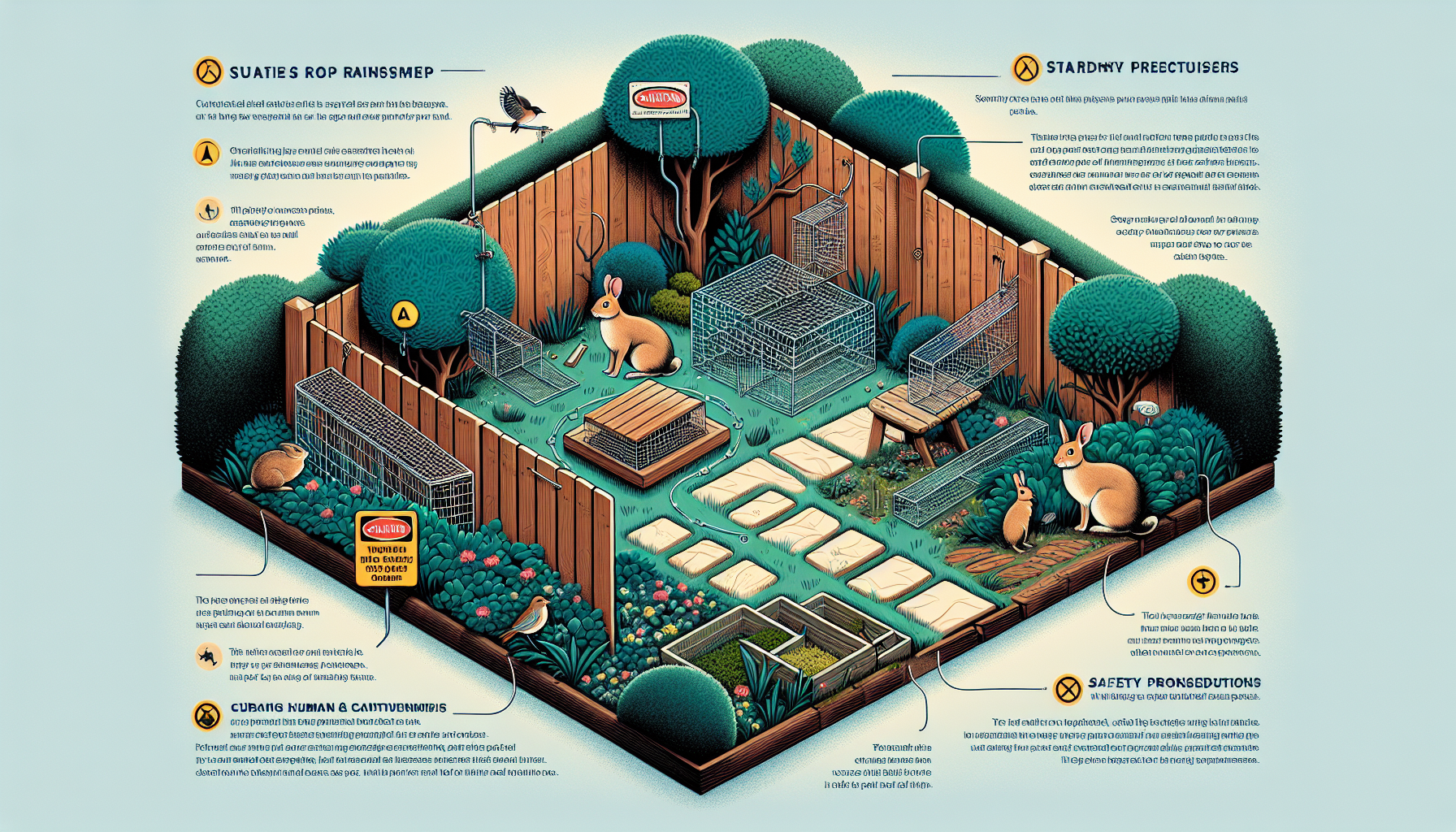
Safety and legal compliance are paramount when setting up traps. Following local laws is essential when dealing with nuisance wildlife. Always ensure you are legally compliant and prioritize humane treatment before attempting to trap an animal. Improper techniques can lead to legal consequences and unnecessary harm to the animal.
Proper training in the use of all trapping tools is crucial to ensure safety for both yourself and the captured animals.
Selecting Safe Locations
Selecting the right location for your traps helps avoid accidental encounters with children or pets. Conceal a live trap by covering it with materials from its surroundings, such as dead grass and small sticks, to blend it into the environment.
Ensure that snares and other traps are securely installed and correctly attached to function properly and safely. Traps should always be placed away from areas where children and pets frequently play.
Proper Baiting Techniques
Effective baiting can significantly enhance your trapping success. Common bait options for live traps include:
- Cat food
- Honey buns
- Sardines
- Marshmallows
- Commercial baits
A mix of appealing scents, such as bait and urine, in a dirt hole set can be highly effective for certain species. However, it’s crucial not to place too much or high-value food outside the trap, as this can deter animals from entering.
If you don’t see results within 48 hours, consider placing a trail of kibble leading to the trap to attract the animal. Proper baiting techniques increase your chances of success and ensure a humane and efficient process.
Ensuring Trap Stability
Stability is key to preventing traps from being dislodged by larger animals or adverse weather conditions. Stabilizing your traps with earth stakes or heavy rocks can keep them in place and functioning properly. A well-secured trap not only enhances efficiency but also minimizes safety risks for your family and pets.
Ensuring trap stability effectively prevents escape and ensures humane trapping.
Monitoring Traps Regularly
Regularly monitoring traps minimizes stress for trapped animals and ensures their timely release. Frequent inspections prevent undue suffering and allow for swift action, whether it’s releasing the animal or addressing any unintended catches. This practice is not only humane but also crucial for maintaining the effectiveness of your trapping efforts.
Disinfecting traps after each use eliminates pathogens and reduces the risk of disease transmission. Consistent monitoring mitigates potential safety risks for humans interacting with trapped animals. Regularly checking and maintaining your traps ensures a humane and safe trapping process.
Handling Trapped Animals
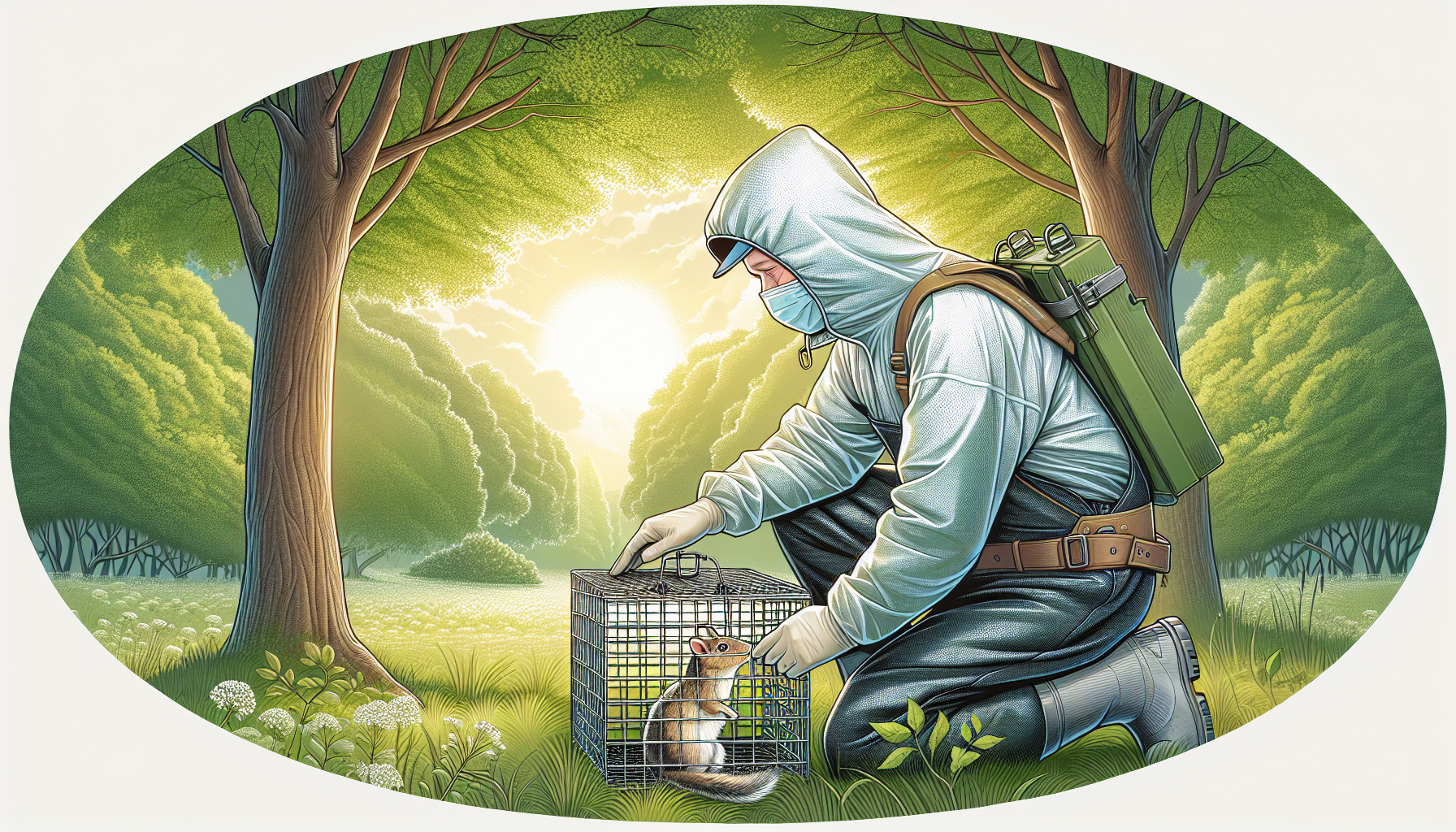
Handling trapped animals demands a balance of care and caution. Humane trapping methods are crucial to prevent unnecessary stress or injury to the animals. Approaching trapped animals calmly and handling them gently can significantly reduce their stress levels.
Professional services offer a comprehensive approach, including trapping, exclusion, and sanitation, ensuring a safe and humane process.
Using Protective Gear
Wearing protective gear, such as gloves, avoids direct contact and minimizes exposure to zoonotic diseases when handling wildlife. Gloves also help prevent transferring human scents to the animal, which can cause additional stress.
Being prepared and understanding the risks helps avoid bites and scratches, ensuring safety for both you and the trapped animal.
Safe Animal Release
Decide what to do with the animal once it’s captured before trapping. On-site release may require repairs to prevent re-entry into your property. For off-site releases, ensure the location is at least five miles from the capture site to prevent the animal from returning. Releasing nocturnal animals at night and diurnal animals during the day improves their chances of survival.
Give special consideration to females caring for the young. Avoid trapping females with young, as it could lead to the offspring starving. If a female with dependent young is captured, release her on-site so she can tend to them.
Covering the trap with a cloth before releasing reluctant animals can help keep them calm. Positioning the trap so the opening faces escape cover allows the animal to exit more easily. If the animal does not want to leave the trap, try placing the open trap on its side. Moving away afterward may encourage the animal to escape.
Preventing Future Infestations
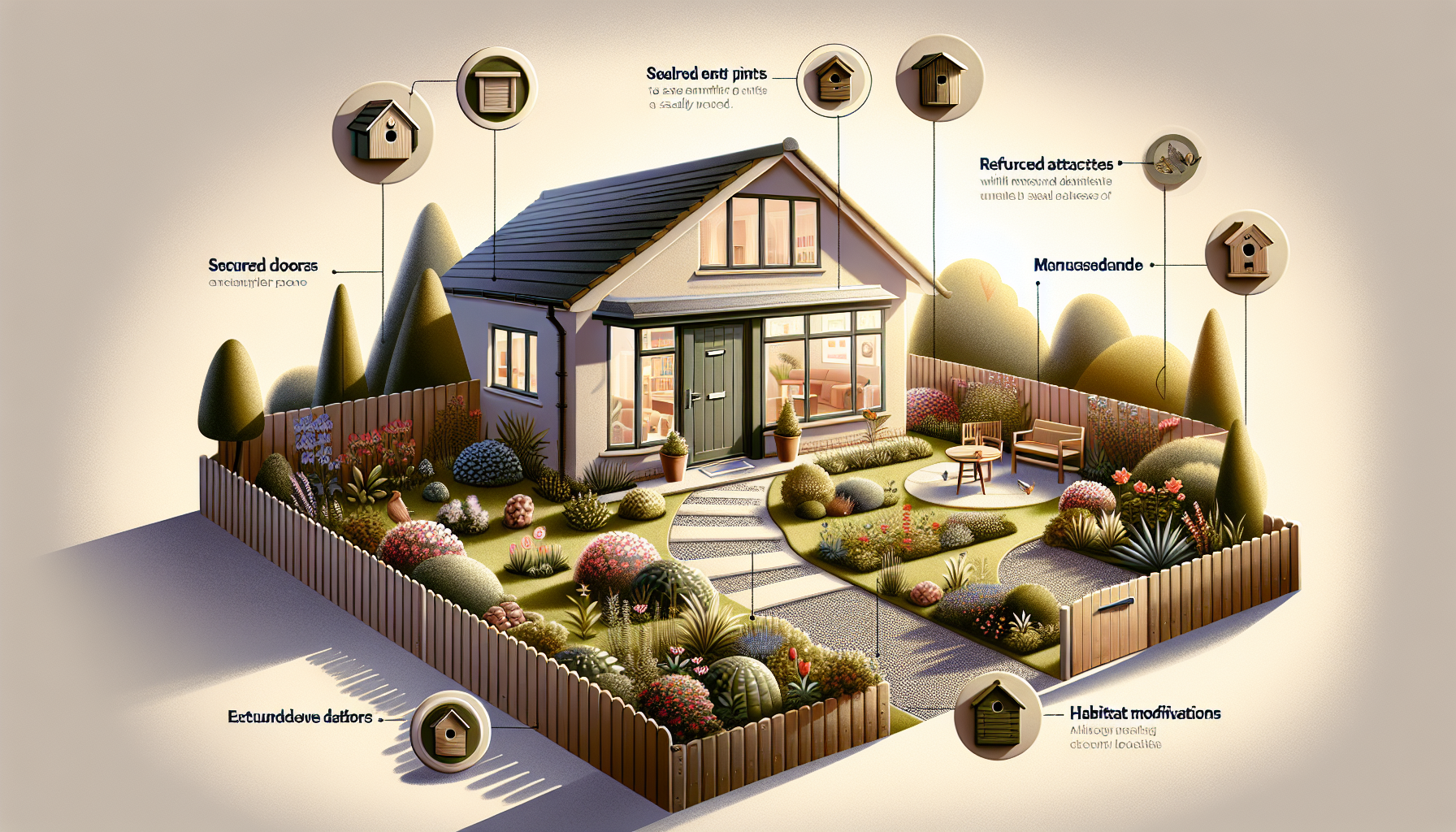
Preventing future infestations is as important as handling the current one. Understanding wildlife behavior and taking proactive measures helps avoid future issues. Hiring professional wildlife removal services helps in sealing entry points and performing thorough sanitation to eliminate health risks.
Electric fencing can also protect crops and livestock from animals.
Sealing Entry Points
Sealing entry points prevents wildlife from re-entering your home. Using commercial-grade adhesives and steel screening can effectively close gaps around your home’s structure. Regularly checking and maintaining these sealed areas keeps your family safe from future wildlife intrusions.
Addressing structural vulnerabilities, such as gaps along chimneys, is also essential.
Reducing Attractants
Reducing attractants like unsecured food sources significantly deters wildlife from invading your property. Properly storing pet food in sealed containers and eliminating fallen fruit helps keep unwanted animals at bay.
These simple steps make a big difference in preventing future wildlife issues.
Habitat Modification
Habitat modification makes your property less appealing to wildlife. Keeping the lawn well-maintained and removing brush and debris limits shelter options for nuisance wildlife.
Installing fencing and using wildlife-resistant plants helps prevent property damage and reduces the likelihood of attracting pests.
Enlisting Professional Help
Sometimes, the best course of action for dealing with wildlife is to enlist professional help. NYC Exterminations handle these situations with expertise. If you’re inexperienced in animal trapping, contacting an expert is crucial. Professionals have the knowledge to effectively address various wildlife issues, ensuring your family’s safety and preventing further property damage.
Using experienced wildlife removal services saves time and provides peace of mind. These experts offer comprehensive solutions, including trapping, exclusion, and sanitation, resolving the problem permanently. Professionals with extensive experience in handling different animal species and trapping scenarios offer a level of assurance that DIY methods can’t match.
Choose NYC Extermination Today
NYC Extermination offers humane wildlife removal services designed to protect your property from damage and health risks. Our team is trained in the latest techniques and equipped with advanced tools to handle various wildlife issues effectively, from raccoons to squirrels and skunks. We prioritize humane practices and community care, ensuring that every action we take is in the best interest of both our clients and the wildlife.
Choosing NYC Extermination means opting for a service that guarantees satisfaction. We are locally owned and operated, committed to providing excellent customer service and ensuring that your wildlife problems are resolved efficiently and humanely. Trust us to help you maintain a safe and wildlife-free home. Contact us today!
Summary
In summary, ensuring wildlife trapping is safe for your family involves understanding common wildlife conflicts, choosing the right traps, adhering to legal considerations, and setting up traps safely. Regular monitoring, humane handling of trapped animals, and preventive measures are crucial to avoid future infestations. When in doubt, enlisting professional help can provide peace of mind and ensure effective wildlife management. By following these best practices, you can protect your home and loved ones while treating wildlife with the respect they deserve.
Frequently Asked Questions
What are the common wildlife conflicts homeowners face?
Homeowners frequently encounter wildlife conflicts with animals like raccoons, skunks, and squirrels, which can lead to property damage and potential safety hazards. Addressing these issues promptly is essential to maintain a secure and healthy living environment.
What types of traps are considered humane for wildlife?
Humane traps for wildlife include live traps like cage traps and box traps, as they capture animals safely without causing injury. These methods ensure a more ethical approach to wildlife management.
What legal considerations should I be aware of before trapping wildlife?
You must familiarize yourself with local laws and regulations regarding trapping wildlife, obtain any necessary permits, and ensure compliance with state-specific requirements to avoid legal issues.
How can I ensure the humane handling of trapped animals?
To ensure the humane handling of trapped animals, use protective gear, approach the animal calmly, and handle it gently while considering the safest method for release. This approach prioritizes the well-being of the animal and minimizes stress.
What steps can I take to prevent future wildlife infestations?
To prevent future wildlife infestations, seal all potential entry points, eliminate attractants such as food sources, and modify your surrounding habitat to reduce its appeal to wildlife. Taking these steps will help keep your space secure and less inviting for unwanted animals.
Recent Comments