

Heat treatment safely eradicates bed bugs by raising the temperature in infested areas to levels that are lethal to them, without using any chemicals. This method kills bed bugs at all life stages and leaves no harmful residues. In this article, you’ll discover how does heat treatment safely eradicate bed bugs without chemicals works and why it’s a preferred choice for many.
Key Takeaways
- Heat treatment effectively eradicates bed bugs by raising temperatures to levels lethal for all life stages without the use of chemicals.
- Preparation such as decluttering, sealing cracks, and removing heat-sensitive items enhances the effectiveness of heat treatment.
- Regular post-treatment monitoring and follow-up inspections are crucial to ensure complete eradication and prevent future infestations.
Understanding Bed Bug Infestations
The resurgence of bed bugs in the United States since the 1980s has made them a common nuisance in many households. Their increased transmission rates through travel and resistance to pesticides have contributed to their prevalence, leading to a significant bedbug infestation.
Bed bugs can infest various structures, including homes, dormitories, apartment units, and even cafeterias in assisted living facilities. Understanding the nature of bed bug infestations is the first step in effectively combating them.
Life Cycle of Bed Bugs
Knowing the life cycle of bed bugs is key to effective control. Female bed bugs are prolific breeders, capable of laying between 5 to 12 eggs daily. Over her lifetime, a single female can lay up to 500 eggs, making it easy for a small infestation to escalate rapidly. Interestingly, before laying eggs, female bed bugs retreat from other bed bugs to find a secluded spot, which helps in spreading the infestation.
The bed bug life cycle consists of several stages, from eggs to nymphs to adult bed bugs. This cycle emphasizes the importance of comprehensive treatment methods that target all life stages to prevent future infestations. Effective bed bug heat treatments can interrupt this cycle by killing bed bugs at every stage, ensuring that all the bugs are eradicated.
Common Hiding Places
Bed bugs are notorious for their ability to conceal themselves in a variety of hiding places. They can be found in homes, hotels, and public transportation, often hiding in the seams of mattresses, box springs, and behind headboards. Recognizing these common hiding spots is vital for effective bed bug control and eradication, especially in areas like beds.
Monitoring furniture items and bedding, including corners and seams, helps uncover hidden bed bugs. These pests can also hide in couch cushions, protective covers, and even cracks and crevices in walls and floors. Thoroughly inspecting these areas prepares for treatment and addresses all infestation zones, including infested items.
Challenges of Control
Eradicating bed bugs is notoriously challenging due to their stealthy behavior, small size, and ability to hide in tight crevices. They can escape into cooler areas, making heat treatment less effective if not properly conducted. The likelihood of successful treatment is influenced by the number of bed bugs, available hiding spots, and the cooperation of residents.
Moreover, each bed bug infestation presents unique circumstances, making a one-size-fits-all approach ineffective. Effective bed bug control requires a thorough understanding of these challenges and a strategic approach to treatment, including the use of comprehensive methods like bed bug heat treatments.
How Heat Treatment Works
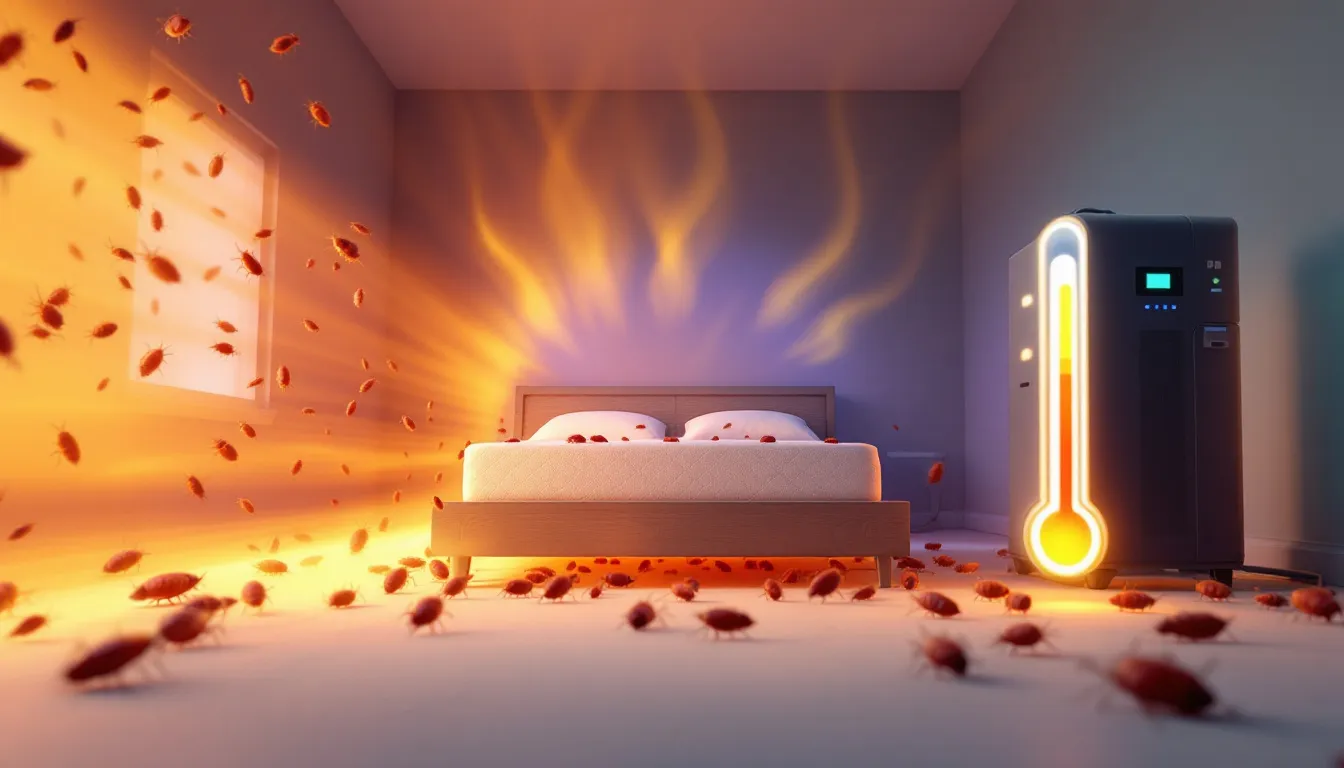
Heat treatment offers a chemical-free solution to bed bug infestations by raising the temperature in infested areas to levels lethal to bed bugs. This method typically lasts several hours to ensure effective eradication of bed bugs. Proper monitoring of temperatures in various areas is critical to confirm that lethal conditions are reached, ensuring that all bed bugs are eliminated through bed bug heat treatment.
Post-treatment, it is crucial to inspect and maintain cleanliness to ensure no bed bugs remain.
Thermal Death Point
For heat treatment to be effective, temperatures must exceed 130°F. The thermal death point for adult bed bugs and nymphs is 118°F, while bed bug eggs require 122°F to die. Temperatures between 112°F and 115°F can kill bed bugs if maintained for several hours, but consistent high heat is necessary throughout the treatment to ensure all life stages are eradicated.
This requirement for high temperatures underscores the importance of using professional heat treatment services. Specialized equipment and expert monitoring are essential to achieve and maintain these temperatures, ensuring that bed bugs are effectively killed.
Equipment Used
Effective heat treatment relies on specialized equipment designed to uniformly raise the ambient temperature in infested rooms above 130°F. Pest control experts use specialized heaters and running fans to ensure even heat distribution, reaching hidden bed bugs in cracks and crevices.
Clutter can hold heat more effectively but may require more time to reach lethal temperatures due to other factors, making proper preparation essential for successful treatment against the wall.
Process Overview
The process of heat treatment begins with a thorough assessment of the infested area to identify all potential hiding spots of bed bugs. Specialized heaters and fans are then employed to uniformly raise the temperature, ensuring that bed bugs hidden in difficult-to-access areas are effectively killed. This method penetrates furniture and walls, reaching bed bugs that chemical treatments might miss.
Heat extermination removes the concern of chemical residues lingering in the home post-treatment. This method eradicates all life stages of bed bugs, offering a chemical-free and highly effective solution.
Advantages of Heat Treatment Over Chemical Treatments
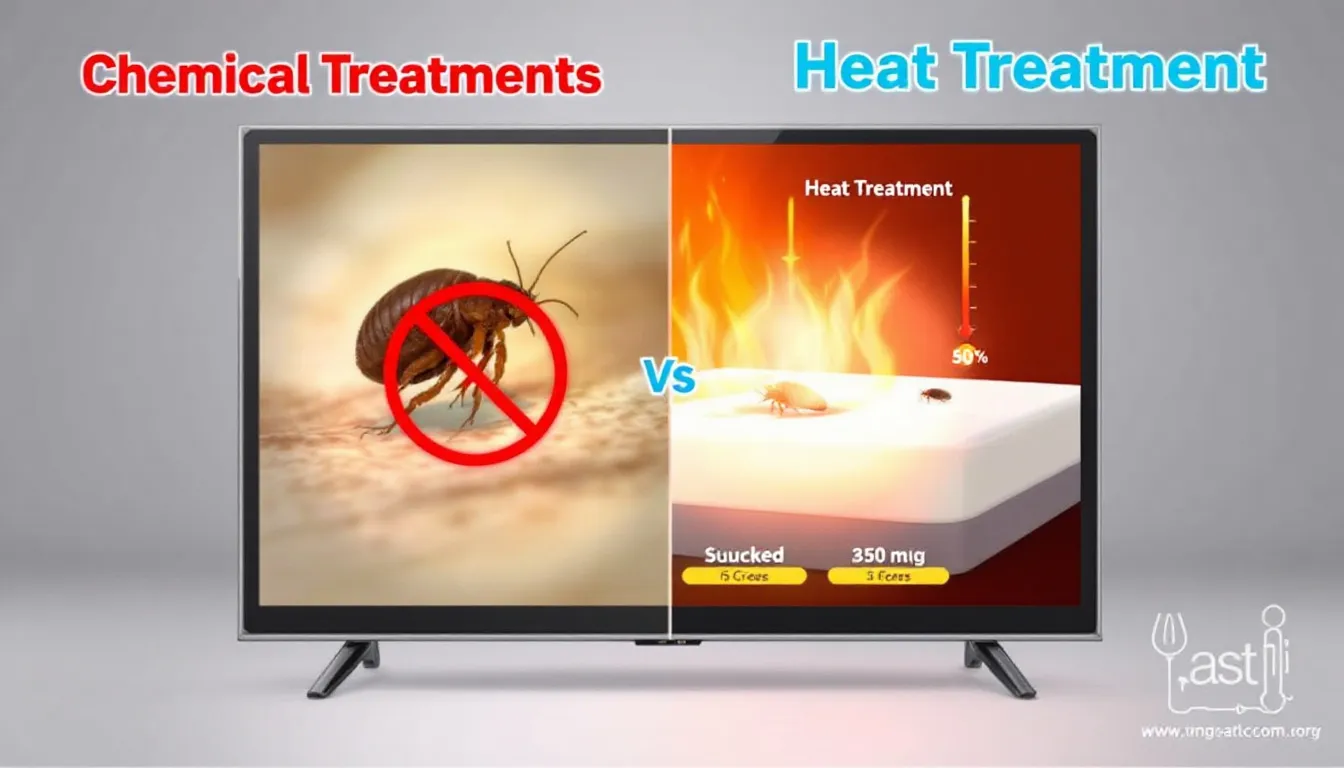
Heat treatment offers several advantages over traditional chemical treatments. It is fast, discreet, and capable of reaching hard-to-access areas, reducing the need for multiple visits and minimizing the use of chemicals. This makes it a preferred option for those looking to treat specific issues effectively.
Unlike chemical treatments that may leave residual chemicals, heat treatment offers a thorough and immediate solution.
Chemical-Free Solution
One of the most significant benefits of heat treatment is that it eliminates bed bugs without leaving behind any chemical residues. This makes it a safe option for households concerned about exposure to chemicals, especially those with children or pets. Unlike chemical methods, heat penetrates into every nook and cranny, reaching bed bugs hidden in hard-to-reach areas and increasing the efficiency of the extermination process.
Heat treatment also kills all life stages of bed bugs in one session, allowing for immediate reuse of treated belongings without chemical residue concerns. This makes it a preferable choice for those looking to prevent future infestations without relying on chemical treatments.
Speed and Effectiveness
Heat treatment can swiftly eliminate bed bugs in just a few hours by raising the temperature to lethal levels. This provides a more immediate solution compared to traditional chemical methods, which often require multiple visits.
Effective heat treatment can significantly reduce the likelihood of future infestations, leading to long-term cost savings by minimizing the need for repeated treatments.
Comprehensive Eradication
Heat treatment effectively exterminates bed bugs by raising the ambient temperature to levels lethal to all life stages. Specialized heaters and fans are utilized to raise temperatures in infested areas, allowing heat to penetrate cracks and crevices where bed bugs hide. This comprehensive process ensures that bed bugs in difficult-to-reach areas are effectively killed.
Decluttering infested areas prior to treatment allows for a more thorough heat application, ensuring bed bugs are reached wherever they may hide. Sealing cracks and crevices before treatment can help in preventing bed bugs from escaping the heat, ensuring complete eradication.
Post-treatment monitoring and follow-up inspections by pest control experts ensure that the treatment was successful and all bed bugs have been eliminated.
Preparing for Heat Treatment
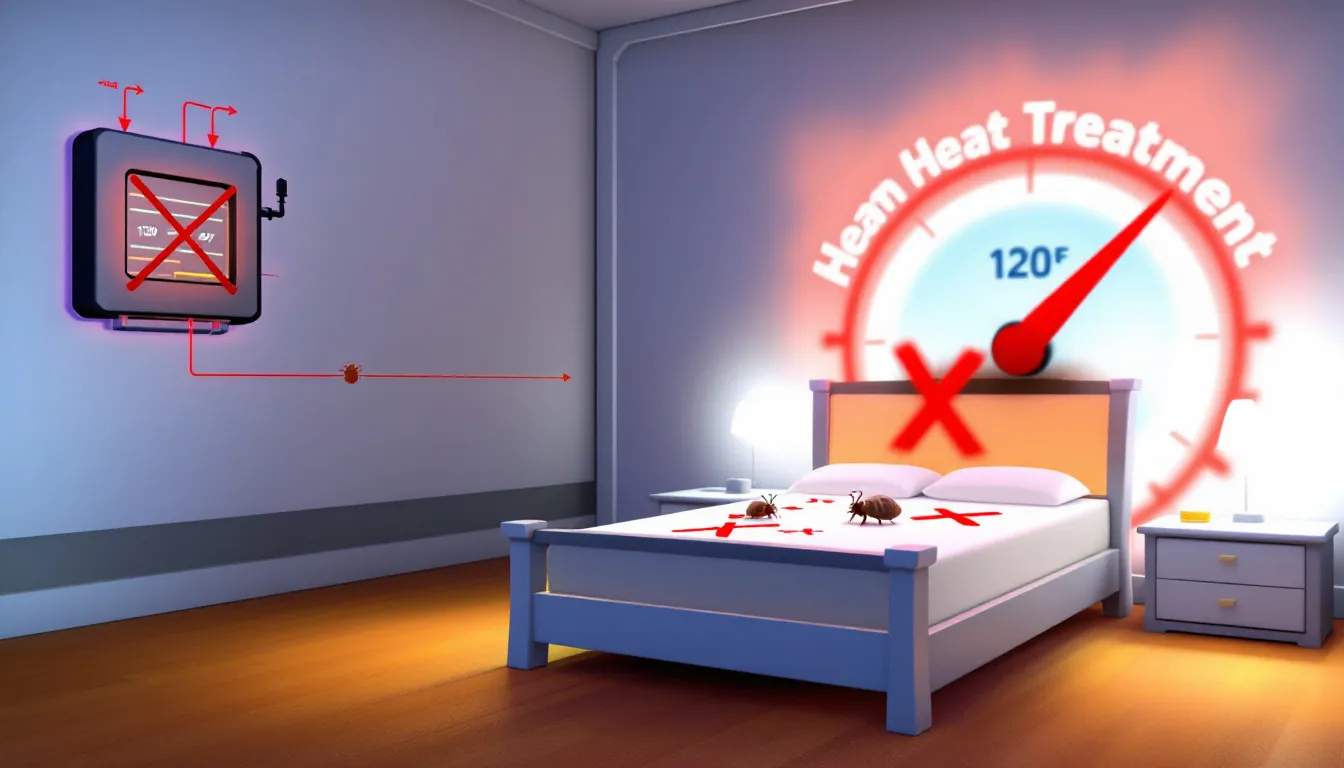
Adequate preparation is vital for successful heat treatment. This involves removing heat-sensitive items, decluttering infested areas, and sealing cracks and crevices to ensure effective heat circulation.
A thorough assessment of the infestation areas is essential to identify all potential hiding spots of bed bugs and ensure that all areas can reach infestation areas appropriately heated.
Removing Heat Sensitive Items
Identifying and removing heat-sensitive items before treatment prevents damage. Electronics, such as televisions and computers, should be removed from the treatment area to avoid heat damage. Certain plastics, which can warp or melt at high temperatures, also need to be taken out of the area being treated. Items like paintings or artworks should be covered with protective cloths to shield them from direct heat exposure.
Removing sensitive items enhances the effectiveness of heat treatment. Ensuring heat reaches all areas without damaging valuable items leads to a more thorough and successful extermination.
Decluttering Infested Areas
Removing clutter improves heat treatment effectiveness and reduces potential bed bug hiding spots. Reducing clutter allows heat to reach all infested spaces more effectively, boosting treatment efficiency. This is crucial for ensuring that all bed bugs are eradicated, as clutter can provide numerous hiding places that are difficult to heat thoroughly.
Effective decluttering is crucial for long-term bed bug management post-treatment. Ridding a clutter-free environment reduces the likelihood of future infestations and limits hiding spots for bed bugs, helping to get rid of them more effectively.
Sealing Cracks and Crevices
Sealing gaps and crevices before treatment prevents bed bugs from escaping and increases treatment effectiveness. Sealing potential escape routes can help contain bed bugs during heat treatment, ensuring they do not evade lethal temperatures. This step is crucial for ensuring complete eradication, as bed bugs can easily hide in small cracks and crevices to avoid the heat.
Sealing potential escape routes with silicon caulk and placing items in a sealed plastic bag ensures bed bugs cannot evade the heat treatment. This thorough preparation step is essential for maximizing the effectiveness of the heat treatment and ensuring that all bed bugs are eradicated to seal cracks.
Post-Treatment Steps
Before: Post heat treatment, several steps are necessary to ensure all bed bugs are eradicated and to prevent future infestations. Regular inspections and proper monitoring methods are crucial to identify any remaining bed bugs. Adequate preparation boosts the likelihood of identifying any remaining bed bugs post-treatment.
After:
- Conduct regular inspections to identify any remaining bed bugs.
- Implement proper monitoring methods to track bed bug activity.
- Ensure adequate preparation to increase the chances of detecting any remaining bed bugs after treatment.
The time frame for completely managing bed bug infestations can extend from several weeks to months, making ongoing vigilance crucial.
Monitoring for Survivors
Using interceptor traps allows homeowners to effectively monitor for any remaining bed bug activity. Homeowners should check interceptor traps every one to two weeks to ensure bed bugs are not present.
Monitoring for bed bug survivors ensures full eradication post-treatment.
Residual Prevention Methods
Residual prevention methods ensure heat treatment effectiveness and prevent bed bugs from returning. One common method is the application of food grade diatomaceous earth in areas where bed bugs might hide, creating a barrier against future infestations. Diatomaceous earth is a non-chemical method that dehydrates and kills bed bugs when they come into contact with it, making it a safe and effective prevention strategy.
Creating physical barriers using bed bug encasements can also help prevent future infestations. By encasing mattresses and box springs in protective covers, you can prevent bed bugs from hiding and breeding in these areas. Employing these preventative measures is vital for maintaining a bed bug-free environment post-treatment.
Follow-Up Inspections
Follow-up visits by pest control experts confirm the complete elimination of bed bugs. These inspections can reveal whether the heat treatment successfully eliminated all bed bugs and ensure that any remaining pests are identified and treated. Ask if the company offers follow-up inspections as part of their service guarantee for complete elimination.
Guarantees and follow-up services enhance customer trust and proactively address potential issues. Regular follow-up inspections help in preventing future infestations and ensure peace of mind for homeowners.
Cost Considerations
The cost of heat treatment for bed bugs can vary based on factors such as the size of the infested area and the severity of the infestation. The cost for heat treatment typically ranges from $1 to $3 per square foot, making it an affordable option compared to other methods.
While heat treatment typically incurs higher initial costs compared to chemical methods, it may result in fewer overall treatments and thus savings in the long run.
Initial Costs
For a 2,000 square foot home, professional heat treatment can cost between $2,000 and $6,000. Knowing these costs helps in making informed financial decisions regarding bed bug treatment options.
The average expense for heat treatment in a 2,000 square foot home typically ranges from $2,000 to $6,000.
Long-Term Savings
Heat treatment is highly effective, providing a quick turnaround time and a high success rate in eliminating bed bugs. This effectiveness leads to reduced chances of future infestations and lower long-term pest control costs. Using residual prevention methods, such as non-chemical barriers, significantly reduces the risk of future bed bug infestations.
Although initial heat treatment costs may be higher, they lead to considerable savings by preventing recurring infestations and reducing the need for multiple treatments. Investing in heat treatment leads to long-term savings and peace of mind, knowing your home is protected against bed bugs.
Choosing a Pest Control Company
Choosing a reliable pest control company is vital for effective bed bug removal. Researching the company’s history and track record with bed bug treatments can help ensure reliability. Evaluate the size of the infestation and the home before hiring a pest management company.
Collaboration between residents, landlords, and pest control services is often necessary for successful bed bug removal.
Credentials and Experience
Verify that the pest management professional has relevant certifications for bed bug treatments. Seek pest control professionals with certifications specific to bed bug treatments and extensive practical experience.
These credentials and experience ensure effective and thorough bed bug control.
Customer Reviews
Customer reviews are essential for gauging a pest control company’s effectiveness. Many clients saw significant improvements in their bed bug problems after choosing companies with positive reviews. Testimonials offer insights into customer satisfaction and service reliability.
Positive feedback fosters trust in the methods used by pest control services.
Service Guarantees
Service guarantees ensure customers receive effective solutions to bed bug problems, providing peace of mind. Many pest control companies offer guarantees that include a commitment to retreat if the bed bugs return within a specified period post-treatment.
Follow-up services monitor for remaining bed bugs and ensure complete eradication after initial heat treatment. Guarantees and follow-up services enhance customer trust and proactively address potential issues.
Contact us today!
If you’re struggling with a bed bug infestation, contact us today! At NYC Extermination, we ensure that we get the job done right, providing effective and comprehensive bed bug heat treatments.
Our experienced pest control experts are dedicated to helping you rid your home of bed bugs and prevent future infestations. Don’t wait—reach out to us and reclaim your bed bug-free home.
Summary
Heat treatment offers a highly effective and chemical-free solution to bed bug infestations. By understanding the life cycle and common hiding places of bed bugs, you can better prepare for treatment and ensure comprehensive eradication. Heat treatment reaches all life stages of bed bugs, providing a thorough and immediate solution that minimizes the use of harmful chemicals and reduces the likelihood of future infestations.
Choosing the right pest control company, preparing your home properly, and following post-treatment steps are crucial for ensuring the success of heat treatment. Investing in heat treatment can lead to long-term savings and peace of mind, knowing that your home is protected against bed bugs. Contact NYC Extermination today to learn more about our effective bed bug heat treatments and take the first step towards a bed bug-free home.
Frequently Asked Questions
What is the thermal death point for bed bugs?
The thermal death point for bed bugs is 118°F for adults and nymphs, while their eggs require a higher temperature of 122°F to be effectively eradicated.
How long does a typical heat treatment last?
A typical heat treatment lasts several hours to effectively eliminate bed bugs. It’s essential to allow enough time for the heat to penetrate all areas infested.
Are there any items that need to be removed before heat treatment?
Yes, you should remove heat-sensitive items like electronics, specific plastics, and artworks before heat treatment to avoid potential damage.
Why is heat treatment preferable to chemical treatments?
Heat treatment is preferable because it effectively eradicates bed bugs at all life stages without introducing harmful chemicals, ensuring immediate results and a safer environment.
What are the long-term benefits of heat treatment?
Heat treatment effectively reduces the risk of future infestations, resulting in long-term cost savings and reducing the need for repeated treatments. This proactive approach not only safeguards your space but also enhances overall pest control efficiency.
Recent Comments