

New York City has a notorious reputation for its rat population, but did you know that these urban rodents have evolved to thrive in the concrete jungle? The city’s rats have adapted to their environment, growing larger than their counterparts in other cities and even developing resistance to common rat control methods. In this blog post, we will be exploring New York’s largest rat species: the truth unveiled, their impact on public health, and the ongoing efforts to control their numbers.
Key Takeaways
- New York City is home to the world’s largest rat species, Rattus norvegicus.
- Factors such as food waste and secure havens have enabled these rats to thrive in urban environments, leading to a significant increase in their population.
- Controlling the rat population is essential for reducing health risks associated with disease transmission and serious illnesses.
Unveiling the Giants Among Us: New York City’s Largest Rat Species
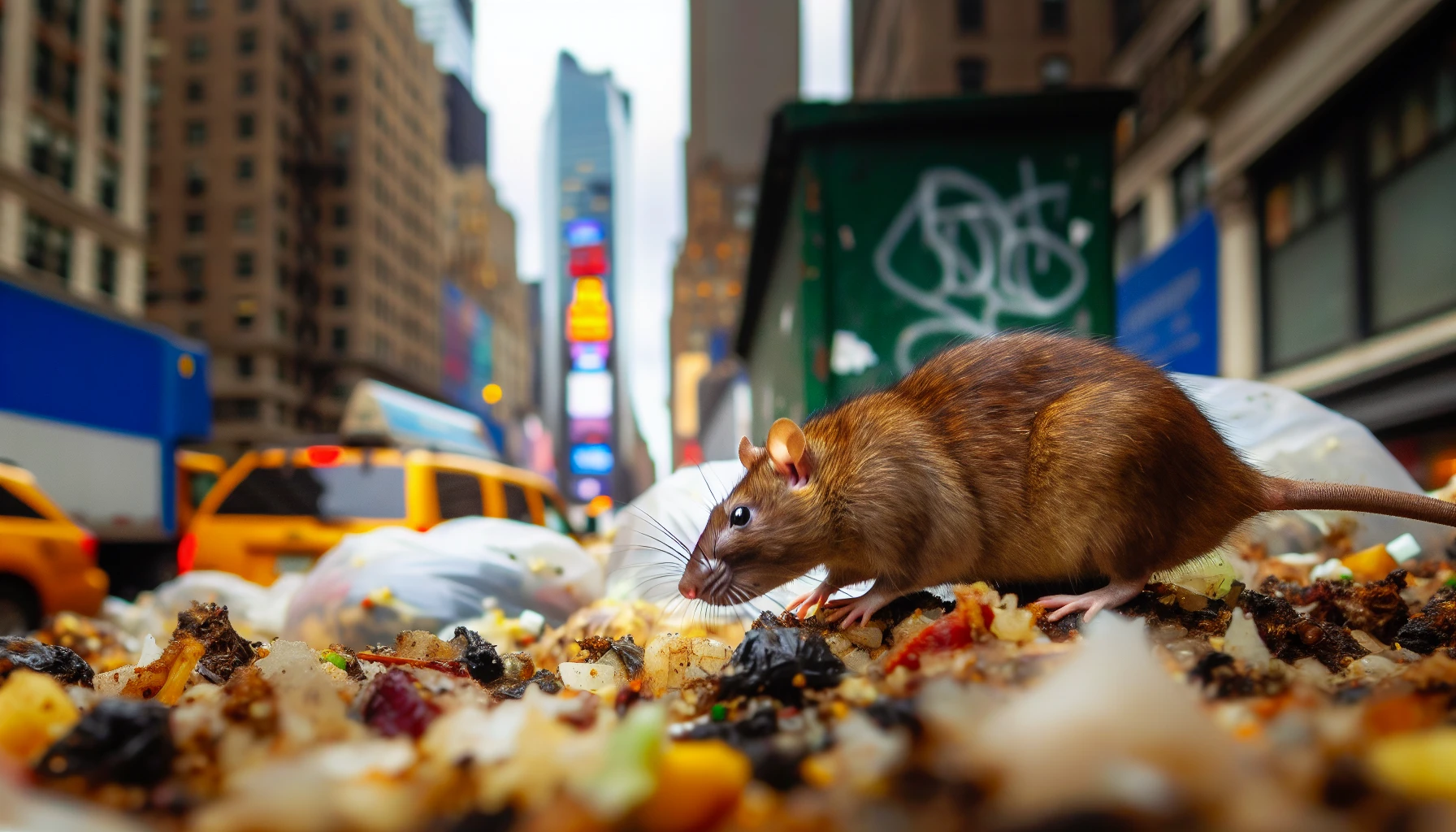
New York City is inhabited by a large population of Rattus norvegicus, or brown rats, known for their extraordinary adaptability to urban environments. These city-dwelling rodents can reach astonishing sizes, with some adult rats measuring up to 16 inches in length and nearly 2 pounds in weight. As a result, controlling the city’s rat population is of utmost importance to protect public health and maintain a clean urban environment.
The Reign of Rattus Norvegicus
The brown rat (Rattus norvegicus) is the primary rat species in NYC, flourishing in the city’s infrastructure and feeding on abundant food waste. New York City rats, with their historical origin traced back to the late 1700s, arrived on ships from France and England. With a lack of natural predators, york city rats have grown to adult sizes largely unchecked, with an average lifespan of around 2 to 3 years in urban environments like NYC.
Their unique adaptation to city life has enabled brown rats to become a dominant species in the urban ecosystem. As a result, rat sightings have increased by 71 percent since 2020, with an estimated 3 million rats now inhabiting New York City. The city’s extensive network of tunnels and underground spaces, along with a trash collection system that produces 14 million tons of waste annually, provides an ideal environment for the city’s rat population to thrive.
Characteristics of the Adult Brown Rat
Adult brown rats, also known as adult rat, are distinguished by their:
- Slender body shape
- Pointed head
- Large eyes
- Prominent, thinly furred ears
In addition to their large size, these adaptable rodents have demonstrated resistance to conventional rat poison, a direct result of their resilience and capacity to survive eradication and control programs.
This adaptability poses unique challenges for controlling rat populations in urban environments like New York City.
The Urban Evolution of New York’s Rats
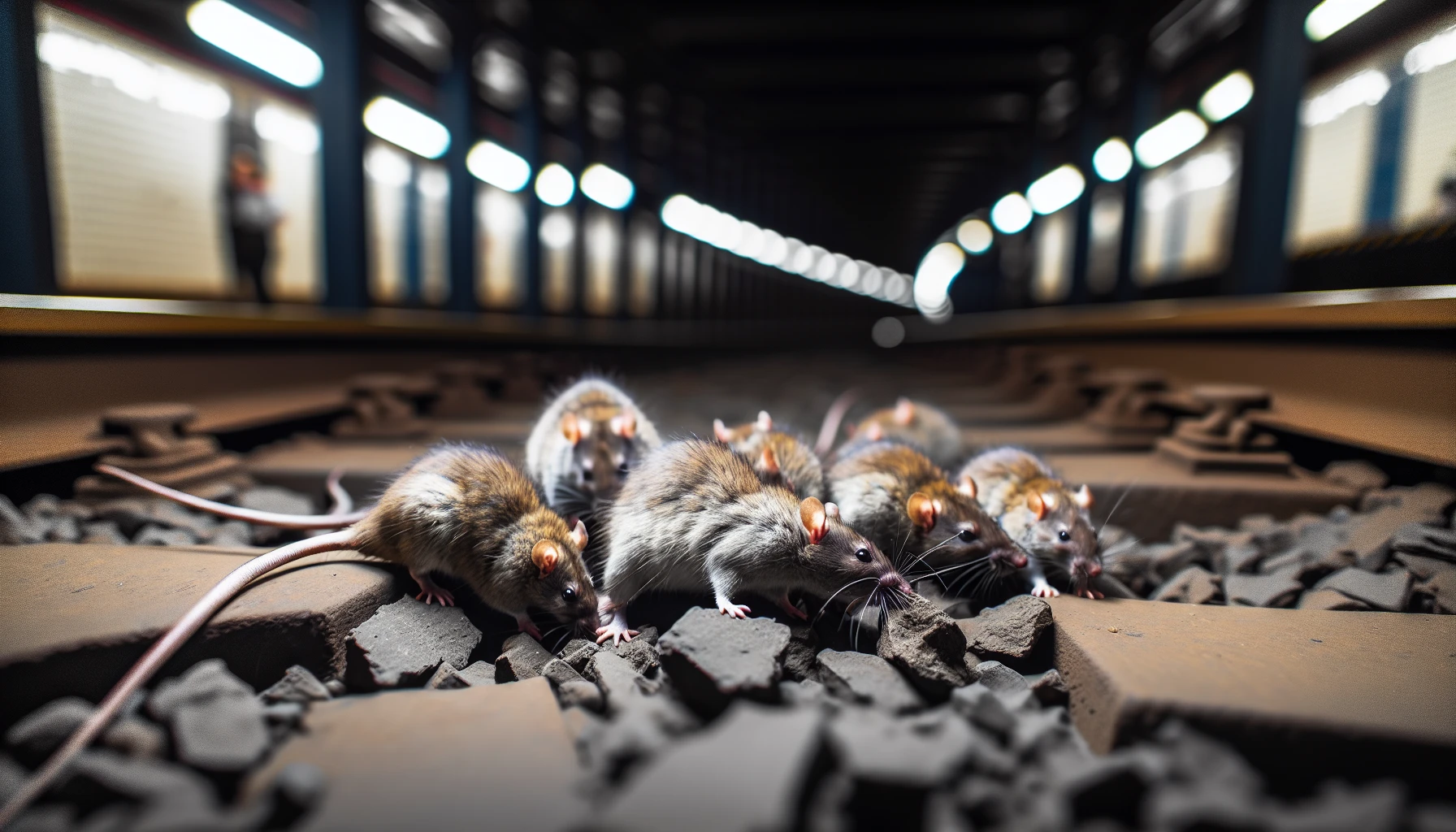
The extensive network of underground infrastructure in New York City, such as sewers, subways, and basements, provides an optimal environment for rats to construct their burrows and nests, shielded from potential weather and animal threats. Over time, rats in NYC have developed a variety of behaviors for survival in the city, such as:
- Burrowing
- Adaptability to food sources
- Limited travel distance
- Path preference
- Survival instincts
These urban adaptations have led to genetic distinctions among rats in different neighborhoods, likely due to their adaptation to specific urban conditions. With access to abundant food sources and suitable habitats, the rat population in New York City has grown significantly over the years, posing a continuing challenge for city officials and residents alike.
The Factors Behind the Size: Why New York City’s Rats Grow So Big

Several factors contribute to the large size of NYC rats, including an abundance of food waste, secure havens in subways and sewers, and certain genetic advantages that promote their survival.
Comprehending these factors aids in constructing effective strategies for rat population control, thereby minimizing their impact on public health and urban lifestyle.
A Feast on the Streets: Unlimited Food Waste
New York City’s food waste serves as a constant food source for rats, allowing them to grow larger and reproduce more frequently. Approximately one-third of the city’s daily garbage, which amounts to 24 million pounds, is composed of food and other organic waste. Rats primarily consume organic food waste, such as leftover food from restaurants, discarded fruits and vegetables, and other food scraps.
The availability of food directly impacts rat reproduction rates. Rats possess a high reproductive capacity, and when supplied with ample food, their reproduction rates can surge exponentially. This can result in:
- Rapid population growth
- An increase in the number of rats in an area
- Bigger litter sizes
- More regular breeding cycles
All of these factors contribute to escalating rat reproduction rates.
From Subways to Sewers: The Rodents’ Safe Havens
Rats find refuge and security in NYC’s subways and sewers, which offer optimal breeding grounds and protection from predators. The intricate network of underground infrastructure offers numerous hideouts and shelters for rats, while abundant food sources in subway stations and tunnels aid in the rat population’s flourishing within the subway system.
New York City’s sewer system also provides ideal conditions for rats to thrive, offering shelter, food, and water sources. The availability of these resources allows rats to survive and flourish in the city’s underground environment, necessitating ongoing efforts to control their population and minimize the associated public health risks.
Survival of the Fittest: Genetic Advantages
NYC rats possess genetic advantages that contribute to their survival and proliferation, including resistance to common rat control methods. Research suggests that rats in the city may possess genetic mutations that provide them with resistance to common rat poisons, enabling them to survive and thrive despite exposure to these poisons.
Genetic diversity among NYC rats significantly influences their survival, by enhancing their adaptability to their environment and disease resistance. This diversity allows some rats to possess genetic variations that can make them more resistant to certain toxins or pathogens, thus increasing their chances of survival. Furthermore, genetic diversity also increases the overall fitness of the rat population, as it allows for a wider range of traits and behaviors that can be beneficial in different environments or situations.
Human-Rat Dynamics: Coexistence and Control Efforts in New York City

Residents and authorities in NYC collaborate to control rats through establishing mitigation zones, conducting health inspections, and initiating public awareness campaigns.
In this section, we will explore the various strategies implemented by the city and its residents to address the challenges posed by the rat population and minimize their impact on public health and urban life.
The Battle Against Rat Infestations
The city battles rat infestations through extermination efforts, sanitation improvements, and public education. Anti-pest techniques include street cleaning, sanitation inspections, and poison baiting. These measures aim to keep pests under control in our surroundings. In recent years, new methods have been developed to reduce the environmental impacts of poisons. Two of these are dry ice and drowning devices..
Regular street cleaning helps to eliminate food sources and debris that attract rats, making the environment less hospitable for them. Additionally, street cleaning disrupts their nesting areas and diminishes their hiding places. Health inspections conducted in rat mitigation zones allow for monitoring of rat activity and behavior, enabling timely intervention and implementation of control measures.
Rat Mitigation Zones and Health Inspections
Rat mitigation zones and health inspections help identify and address problem areas in the city. Rat mitigation zones are designated areas that receive additional resources and funding to control and eliminate rat populations. Health inspections in rat mitigation zones are conducted on an annual basis, assessing the effectiveness of rat mitigation and addressing conditions that could result in rat infestations.
These efforts, in conjunction with other strategies such as rat-proofing buildings and controlling garbage, have exhibited some efficacy in reducing the rat population in NYC. By focusing resources on areas with the highest rat populations, the city can more effectively control infestations and protect public health.
The Role of the Public in Rodent Control
Public awareness and active participation significantly contribute to controlling NYC’s rat population. When the public is informed about the behaviors and conditions that attract rodents, they can take proactive measures to prevent infestations. Public awareness campaigns can motivate residents to report rodent sightings and take part in collective efforts to control rodent populations.
New Yorkers employ a variety of rat avoidance behaviors to reduce the likelihood of encountering rats, such as:
- Properly storing and disposing of garbage
- Sealing gaps in buildings
- Keeping outdoor areas clean
- Avoiding leaving pet food outside overnight
- Reporting rat sightings to authorities
By working together, the city and its residents can effectively address rat infestations and minimize their impact on public health and city life.
Comparing New York’s Rats to Other Cities and Species
A comparison of NYC rats with those in other cities and species uncovers distinct challenges and strategies for rodent control. In this section, we will examine how rat populations in other major cities around the world differ from those in New York City and highlight some of the distinctive approaches to rodent control employed by these cities.
The Vangunu Giant Rat: A World Apart
The Vangunu giant rat, found in the Solomon Islands, is a distant relative of NYC rats but poses different challenges due to its remote habitat. While NYC rats are well-adapted to urban environments, the Vangunu giant rat resides in trees and is located in the Zaira forest on the island of Vangunu in the Solomon Islands. This species is endangered, with a restricted habitat and evasive nature, making its conservation a priority for researchers and conservationists, including those at the Solomon Islands National University.
In contrast to the challenges faced by NYC in controlling its rat population, the efforts to protect the Vangunu giant rat focus on preserving its natural habitat and preventing further habitat loss. Though these distant relatives may share some common traits, the approaches to addressing their populations are worlds apart.
Rat Czar and Unique Approaches to Rodent Control
Cities like Chicago and Los Angeles have implemented unique approaches to rodent control, such as appointing a “Rat Czar” to oversee extermination efforts. The Rat Czar in Chicago, Josie Cruz, has implemented the use of free carts combined with strategically placed rodenticide deep inside rat burrows as a unique approach to rodent control. This approach has been found to be effective in contributing to the decline of rats in the city.
Though New York City has its own set of challenges in controlling its rat population, examining the unique approaches employed by other cities can provide valuable insights and ideas for addressing the issue. By learning from one another, cities can develop more effective strategies to control rat populations and protect public health.
The Impact of Rats on Public Health and City Life

Rats in NYC pose considerable public health risks, encompassing disease transmission and illness. In this section, we will explore the various health risks associated with rats in the city and discuss how residents have adapted to their presence in the urban environment.
Disease Transmission and Serious Illness Concerns
Rats can transmit diseases and cause serious illnesses, making their control a public health priority. Some of the diseases commonly spread by rats in New York City include:
- Hantavirus
- Leptospirosis
- Lymphocytic choriomeningitis (LCMV)
- Tularemia
- Salmonella
- Viruses similar to hepatitis C
Managing the rat population in NYC is not only important for preserving a clean urban environment but also for preventing disease spread and safeguarding public health. By working together to control rat infestations, the city and its residents can significantly reduce the risk of disease transmission and ensure a safer and healthier living environment.
Adapting to the Presence of Rats in the Urban Jungle
Despite continuous efforts to control rat populations, NYC residents have adapted to the presence of rats in their daily routines. Common strategies used by residents to avoid rat encounters include:
- Proper waste management
- Sealing off entry points to buildings
- Keeping outdoor areas clean
- Reporting rat sightings to authorities
Restaurants and businesses in NYC have also adopted practices such as proper garbage management, maintenance, and pest-proofing to prevent rat infestations. By taking these precautions, residents and businesses can minimize interactions with rats and support ongoing control efforts to protect public health and maintain a clean urban environment.
Summary
In conclusion, New York City’s rat population presents unique challenges due to their adaptability to the urban environment, large size, and resistance to common control methods. By understanding the factors contributing to their growth and implementing effective control strategies, residents and authorities can work together to minimize the impact of rats on public health and city life. As we continue to learn from the experiences of other cities and adapt to the presence of rats in the urban jungle, we can contribute to creating a cleaner and healthier living environment for all.
Frequently Asked Questions
What is the largest rat ever discovered?
Coryphomys, the extinct rat genus, was the largest of its kind, reaching up to 13.2 pounds in weight. The Gambian pouched rat is the world’s largest living rat species and can grow up to 9 pounds.
Are rats in NYC getting bigger?
It appears that the size of rats in NYC is increasing, with 2021 to 2022 health inspector data showing rat sightings doubling. Brown rats, which make up the majority of New York’s population, have an average adult body weight of 350 grams (12 oz) for males and 250 grams (8,8 oz) for females.
Did there used to be giant rats?
Yes, there used to be giant rats that weighed up to 11 lbs, known as Tenerife giant rats. This species went extinct about a thousand years ago due to human activities that destroyed their natural habitats.
What is the primary rat species in New York City?
The primary rat species in New York City is the brown rat (Rattus norvegicus).
What are some common diseases spread by rats in New York City?
Rats in New York City can commonly spread diseases such as hantavirus, leptospirosis, lymphocytic choriomeningitis (LCMV), tularemia, salmonella, and viruses similar to hepatitis C, so it is important to take precautions against them.
Featured Photo by Brett Jordan on Unsplash
Recent Comments