
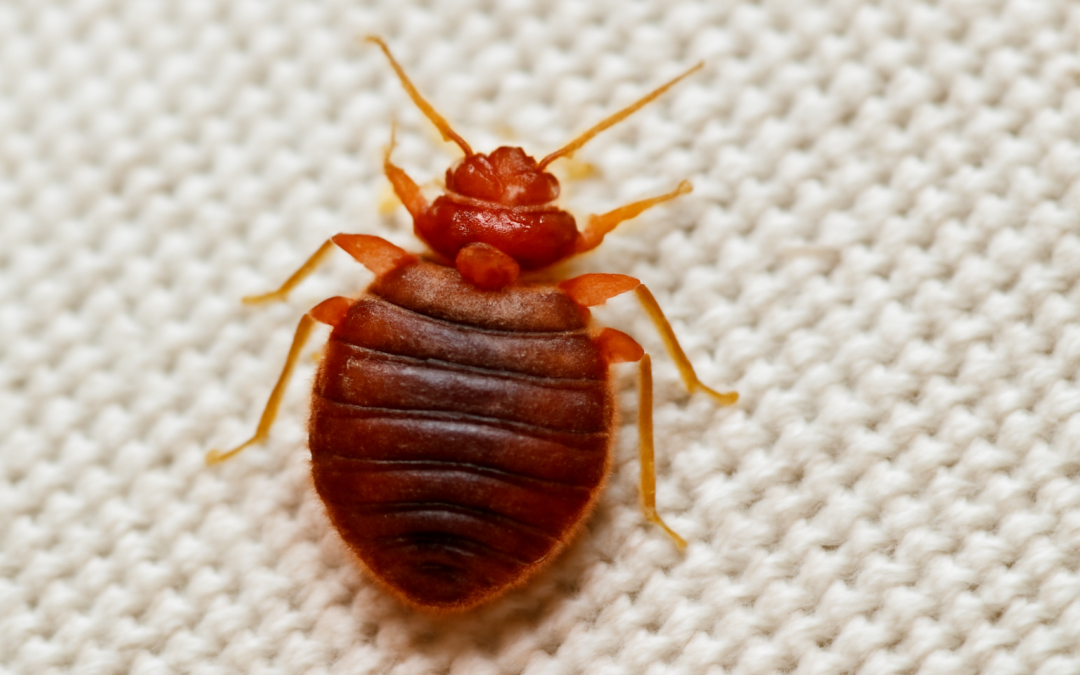
Getting ready for a bed bug heat treatment? Here’s how to prepare your home for a bed bug heat treatment to ensure the process is effective and safe. This guide covers everything from initial clean-up to protecting sensitive items, so you know exactly what to expect.
Key Takeaways
- Initial clean-up is crucial for effective bed bug heat treatment, involving thorough vacuuming, dusting, and decluttering to eliminate hiding spots and debris.
- Heat-sensitive items, electronics, and valuables must be removed or secured to prevent damage during the heat treatment process, ensuring their safety.
- Post-treatment inspection and maintenance are vital to confirm the effectiveness of the treatment and to prevent potential re-infestation.
Initial Clean-Up

The initial cleanup is essential for preparing your home for a bed bug heat treatment. This involves:
- Removing bugs, their eggs, and debris to ensure the treatment works effectively.
- Thorough vacuuming and dusting to eliminate hiding spots for bed bugs.
- Preventing bed bugs from escaping the heat.
Preparation makes it easier to monitor for any remaining bed bugs post-treatment, helping to completely eradicate the infestation.
Vacuuming and Dusting
Vacuuming and dusting are crucial parts of the initial cleanup. Vacuum thoroughly, targeting hidden spaces and crevices where bed bugs may reside, including under furniture and around the bed, mattress, and box spring.
Immediately discard the vacuum bag after vacuuming to prevent re-infestation. This ensures bed bugs and their eggs are removed from infested rooms, enhancing the treatment’s effectiveness.
Decluttering
Decluttering reduces hiding places for bed bugs and ensures the heat treatment equipment can be placed effectively. Remove boxes and stored items from closets and place them in the center of the room to prepare for clutter treatment.
To prepare for treatment:
- Clear trash from receptacles and common areas.
- Store non-essential items in plastic bins or discard them.
- Store items in plastic bags or bins to reduce potential bed bug hiding spots during treatment.
- Remove all boxes and items from under the bed.
Handling Sensitive Items
Handling sensitive items correctly prevents damage during the heat treatment process. Heat treatment can damage items such as decorative pieces, picture frames, delicate belongings, and stacks of papers. Additionally, small mammals, birds, and fish tanks may need temporary relocation during the treatment.
Removing or securing these items will protect them from high heat exposure and keep them less exposed to risk.
Removing Heat-Sensitive Items
Removing heat-sensitive items prevents melting or explosions during the heat treatment process. Items such as:
- houseplants
- candles
- aerosol cans
- combustibles
- electronics
- Medications should be removed from the treatment area.
Examples of hazardous items include candles, aerosol cans, flammable liquids, cigarette lighters, and a few items of electronics and other items. Removing these items ensures they are not damaged during the heating process.
Protecting Valuables
Protecting valuable items during a bed bug heat treatment is crucial. To keep your valuables safe:
- Place sentimental items and jewelry in a secure location away from the heat treatment zone to avoid potential damage.
- Store irreplaceable possessions, such as antique furniture and oil paintings, safely before treatment.
- Keep all valuables in a different room or facility to protect them from the heat.
Safeguarding your treasures protects them and provides peace of mind during the heat treatment process.
Preparing Bedding and Clothing
Properly preparing bedding and placing clothing ensures that surviving bed bugs do not survive the treatment. Clothing must be treated before being returned to the treated area.
A bed bug-proof mattress encasement can protect your mattress and box spring from future infestations. This will help you manage your bed bug infestation effectively.
Washing and Drying Fabrics
Washing and drying fabrics at high temperatures kills bed bugs. Wash fabrics in water that is at least 120 degrees Fahrenheit to eliminate bed bugs effectively. Use the highest setting on your washing machine to maximize effectiveness.
Items should be dried on the highest heat setting for at least 30 minutes to ensure that bed bugs and their eggs are eradicated from your clothes and linens.
Storing Treated Fabrics
After laundering, store treated fabrics in airtight plastic bags to prevent recontamination. Sealing cleaned fabrics in airtight containers is recommended.
This ensures that your clothes and linens remain free from bed bugs after the treatment.
Preparing Furniture
Preparing your furniture items ensures the heat treatment is effective. Move items to the center of the room to facilitate efficient heat treatment. Furniture should be moved away from walls by at least 6 inches to allow heat circulation.
Inspect and clean furniture, as well as behind outlets, to eliminate signs of bed bugs. This preparation maximizes the effectiveness of the heat treatment, and all areas should be inspected thoroughly.
Moving and Arranging Furniture
To ensure optimal heat penetration:
- Move beds at least 2 feet away from the wall.
- Move large appliances slightly away from walls to allow for better heat circulation during treatment.
- Completely remove items stored under the bed to ensure effective heat penetration.
Ensure all large appliances are accessible during the heat treatment to enable effective heat distribution throughout the space.
Treating Upholstered Furniture
Vacuuming upholstered furniture before treatment eliminates any hidden bed bugs. Properly treating upholstered furniture helps to kill bed bugs and ensure that no infestation remains after the heat treatment.
This is crucial for the overall success of the treatment.
Electronics and Appliances
Protecting electronics and large appliances during the heat treatment process prevents potential damage. Unplug all electronics to prevent electrical malfunctions and prolong their lifespan. Ensure large appliances are accessible and safe for heat treatment.
Good air circulation during heat treatment and air movement helps avoid hot spots that could damage electronics and heated air, affecting temperature.
Unplugging Electronics
Unplugging electronics prevents potential damage during the heat treatment. Follow these steps:
- Unplug the laptop.
- Remove the battery from it.
- Place unplugged electronics out of the direct path of heat. If there are doubts about electronic safety during treatment, contact the manufacturer for advice.
This keeps your electronics safe during the heat treatment process.
Handling Large Appliances
Handling large appliances correctly ensures the heat treatment is effective. To facilitate this:
- Ensure large appliances like refrigerators, washing machines, and dryers are accessible for the heat treatment team.
- Move these appliances away from the walls.
- Ensure they do not obstruct any routes for heat circulation.
Unplug all electronics connected to large appliances to prevent damage from heat exposure during the treatment process. These steps help make all areas clear for heat treatment, ensuring the treatment is thorough and effective.
Informing Neighbors
Informing your neighbors about the upcoming heat treatment prevents the spread of bed bugs. Alerting neighbors helps them take necessary precautions, reducing the risk of the infestation spreading. This coordination helps prevent bed bugs from migrating to their units, ensuring a comprehensive approach to pest control.
Notifying neighbors can prevent the spread of bed bugs to their units during the treatment.
Communicating with Neighbors
Clear communication with your neighbors prevents the spread of bed bugs. Inform them about the upcoming heat treatment, either verbally or in writing, to ensure they understand the situation. Encourage neighbors to take necessary precautions, such as inspecting their own homes and securing their belongings.
Creating community awareness about the treatment helps in effectively controlling and preventing further infestations.
Pet Safety
Ensuring pet safety during heat treatment is crucial. Pets must be relocated during heat treatments due to their sensitivity to high temperatures. All household plants and pets should be removed from the home before heat treatment to prevent damage.
This step protects your pets from harmful high temperatures during the bed bug heat treatment.
Relocating Pets
Relocating pets during the heat treatment is a necessary safety measure. Pets should not be present during heat treatment due to the harmful high temperatures. If relocation is not feasible, creating a designated safe room for pets can help limit their exposure.
Pets can safely return home once the house has cooled down after treatment, ensuring their well-being during the entire pest control process with the help of a pest management company.
Post-Treatment Steps
After the heat treatment, follow these steps:
- Check for signs of bed bugs, such as dead bugs or shed skins.
- Vacuum up any dead insects.
- Dispose of the vacuum bag in a sealed manner to prevent any remaining bed bugs from escaping.
For areas that are hard to heat, treat with a residual insecticide like silica aerogel or a diatomaceous earth product. Monitor your home regularly and consider checking bed bug interceptors weekly as preventive measures.
Inspecting for Bed Bugs
Inspecting for bed bugs post-treatment ensures the heat treatment’s effectiveness. Vacuum up dead bed bugs and shed skins. Be aware that a few bed bug survivors may remain due to factors like the complexity of the environment, the size of the location, the heating capacity, and the technician’s knowledge.
If you notice signs of bed bugs after treatment, take photos or collect specimens as evidence. Prompt action is necessary if you suspect the heat treatment didn’t work, as a retreat may be needed.
Maintaining Cleanliness
To deter bed bug re-infestation, consider the following steps:
- Maintain cleanliness post-treatment.
- Identify how bed bugs initially entered your home to prevent re-infestation.
- Regularly clean and monitor your home.
This ensures your home remains bed bug-free in the long run.
Contact NYC Extermination Today!
For effective bed bug heat treatment, contact an experienced pest control company like NYC Extermination. We specialize in providing safe and efficient heat treatments to eliminate bed bugs at all stages of life. Our heat treatment process applies temperatures of 122°F or higher, effectively eradicating not just adult bed bugs but also their eggs.
Unlike chemical treatments, our heat method is 100% chemical-free, ensuring a safer environment for residents and their belongings. The treatment is completed quickly, typically in just a few hours, offering a rapid and effective solution to your bed bug infestation.
Our heat treatment is designed to target bed bugs hiding in various locations throughout your home. We ensure that no area is left untreated, providing you with peace of mind knowing that the infestation has been completely eradicated.
Summary
Preparing your home for a bed bug heat treatment is a detailed process that requires thoroughness and attention to detail. From initial clean-up and decluttering to handling sensitive items and protecting valuables, each step ensures that the treatment is effective and that your belongings are safe. Moving and arranging furniture, protecting electronics and appliances, informing neighbors, ensuring pet safety, and following post-treatment steps are all critical components of a successful heat treatment. By following these guidelines, you can ensure a comprehensive approach to eliminating bed bugs from your home. Remember, professional help is just a call away—contact NYC Extermination for expert assistance in eradicating bed bugs and reclaiming your home.
Frequently Asked Questions
Why is the initial clean-up so important before a bed bug heat treatment?
The initial clean-up is crucial as it eliminates bed bugs, their eggs, and debris, thus enhancing the effectiveness of the heat treatment and facilitating easier monitoring for any remaining bed bugs afterward.
What should I do with heat-sensitive items during the heat treatment?
To prevent damage, heat-sensitive items such as houseplants, candles, aerosol cans, combustibles, electronics, and medications must be removed from the treatment area during heat treatment. This precaution ensures the integrity of these items is maintained.
How should I prepare my bedding and clothing for a bed bug heat treatment?
To effectively prepare your bedding and clothing for a bed bug heat treatment, wash all fabrics in water at a minimum of 120 degrees Fahrenheit and dry them on the highest heat setting for at least 30 minutes. After treatment, store these items in airtight plastic bags to prevent recontamination.
Why is it important to notify neighbors about a bed bug heat treatment?
Notifying neighbors about a bed bug heat treatment is crucial as it allows them to take necessary precautions, thereby minimizing the risk of the pests migrating and spreading the infestation. This proactive communication is essential for overall community health and preventing wider outbreaks.
What should I do if I still see bed bugs after the heat treatment?
If you still see bed bugs after heat treatment, promptly inspect for signs like dead bugs or shed skins, and vacuum them up. It is advisable to document your findings and contact your pest control company for a potential retreatment.
Recent Comments