
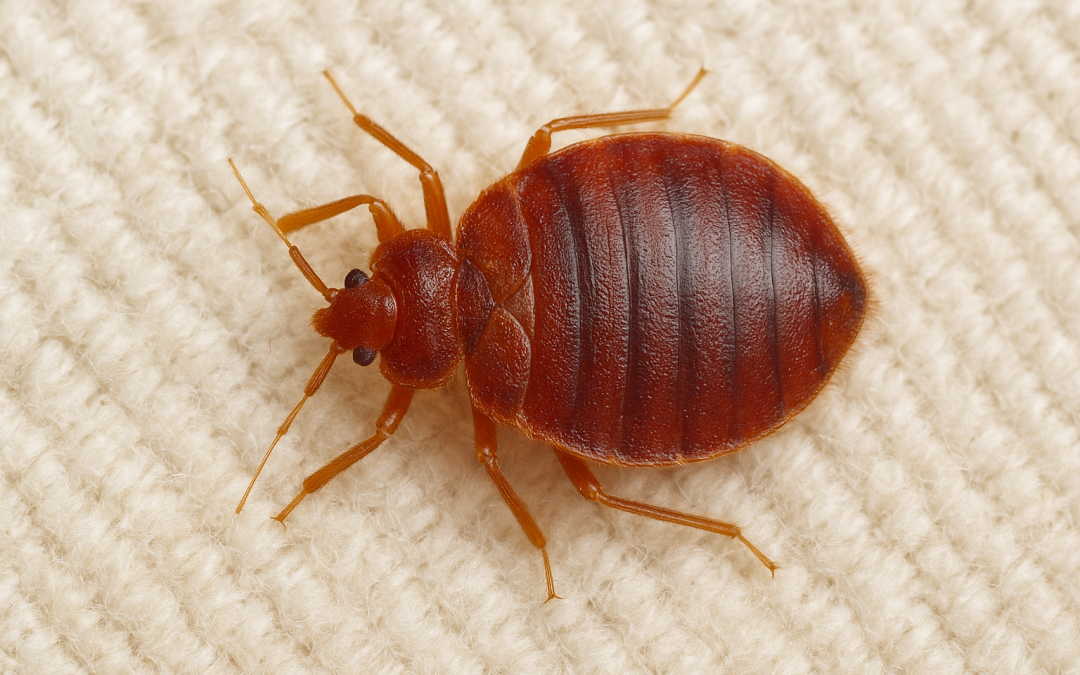
You’ve just had a bed bug heat treatment, and now the goal is to keep your home bed bug-free. In this guide, we’ll discuss essential steps like cleaning meticulously, conducting regular inspections, educating your family, using traps, and implementing long-term preventive measures on how to maintain a bed bug-free home after heat treatment.
Key Takeaways
- Immediately vacuum and wash bedding post-treatment to eliminate any remnants of bed bugs.
- Regular inspections and household education are vital for early detection and prevention of re-infestation.
- Maintain cleanliness, reduce clutter, and consider professional follow-up inspections to ensure a long-term bed bug-free home.
Immediate Steps Post-Heat Treatment

After a bed bug heat treatment, thoroughly vacuuming is necessary to remove dead bed bugs and their remnants. Focus on vacuuming under and behind furniture, along baseboards, and other potential hiding spots.
Next, wash your bedding and fabrics in hot water to eliminate any remaining bed bugs or eggs. Dry them on the highest setting to eradicate bed bugs from the initial treatment, killing bed bugs effectively.
Finally, thoroughly clean the treated areas, including washing and drying fabrics and other exposed items. These steps will significantly reduce the chances of re-infestation and help maintain a bed bug-free environment.
Regular Inspections for Bed Bug Activity

Regular inspections are your best defense against re-infestation. Vigilantly look for early signs of bed bug activity to prevent minor issues from escalating. Routinely inspect cracks and crevices of furniture and clothing to ensure no bed bugs are present, especially in the context of a bed bug infestation.
Check key areas like mattress seams, bed frames, and behind headboards. A flashlight can help reveal bed bugs in dark hiding spots. Teach your family members how to conduct these inspections so everyone can contribute.
Training household members to regularly inspect their belongings can minimize the introduction of bed bugs. This proactive approach aids in early detection and prevents future infestations.
Educating Household Members
Educating family members about bed bug prevention helps maintain a bed bug-free environment. Key points to share include:
- Inform everyone about the recent treatment.
- Advise against bringing potentially infested items like suitcases or bags into the home.
- When traveling, wash clothing and inspect luggage to prevent bringing bed bugs back.
Creating a culture of awareness within your household and among visitors can reduce the risk of re-infestation. Encourage vigilance and proactive behavior regarding bed bug prevention to keep your home safe.
Careful Reintroduction of Items
After a heat treatment, be cautious when reintroducing items into the treated area. Thoroughly clean and check each item for bed bugs before bringing it back into your home to prevent re-infestation. Consider seeking professional heat treatment for optimal results.
Transport items in a sealed plastic bag or sealed containers to minimize the risk of reintroducing bed bugs. This ensures that sensitive items and delicate fabrics are safely returned without carrying unwanted hitchhikers.
Using Bed Bug Traps for Monitoring

Bed bug traps are effective for monitoring and early detection. Sticky traps can help identify bed bug activity early, allowing for swift action before a small problem becomes a major infestation. Passive pitfall traps placed under furniture intercept bed bugs as they move around your home.
For quicker detection, consider using baited traps that emit carbon dioxide, as they attract bed bugs more effectively. Set traps in the evening to maximize catches, as bed bugs are more active at night.
Increase the likelihood of detecting bed bugs by maintaining multiple traps in various locations around your home. Leave these traps in place for at least a week to effectively catch low numbers of bed bugs and monitor their presence.
Long-Term Preventive Measures

Long-term preventive measures are crucial for keeping your home bed bug-free. Regularly wash and dry bed linens, curtains, and clothing on high heat to prevent future infestations. Frequently vacuum carpets, rugs, and furniture to maintain cleanliness and reduce potential hiding spots, addressing any bed bug problem that may arise.
Reducing clutter in your home is another effective strategy, as it provides ample hiding places for bed bugs, making detection and management harder. Use bed bug-proof encasements for mattresses and box springs to create a barrier, trapping existing bugs and preventing new ones from entering.
Household awareness campaigns and discussions about bed bug safety empower family members to take proactive measures. Keeping everyone informed and vigilant creates a united front against bed bugs.
Professional Follow-Up Inspections
Professional follow-up inspections confirm the effectiveness of the initial treatment and identify any remaining bed bugs. Schedule these inspections within a few weeks to a few months after the initial treatment to catch any surviving bugs before they multiply. Follow up treatment is essential for ensuring complete eradication.
Engaging with pest control professional post-treatment can significantly shorten the bed bug eradication process and lead to complete eradication. If follow-up inspections show no significant reduction in bed bugs, additional treatments may be necessary. Professional pest management options often offer more effective solutions than DIY methods.
Maintaining Cleanliness

Maintaining cleanliness is key to preventing re-infestation. To do this:
- Regularly vacuum to eliminate any residual bed bugs.
- Vacuum all items thoroughly.
- Change the vacuum bag or clean the canister after each use to prevent surviving bed bugs from escaping.
Consistently laundering bedding and other fabrics in hot water is also crucial. Wash and dry all bedding and clothing on high heat to eradicate any lingering bed bugs and their eggs. Dispose of vacuum contents in a sealed bag outside to ensure trapped bed bugs do not reinfest your home.
Avoiding Common Mistakes
Avoid common mistakes that can hinder your efforts to maintain a bed bug-free home. DIY treatments often fail to eliminate bed bugs completely, leading to a possible resurgence. Using bug bombs without proper knowledge can be ineffective and pose health risks. Consider using diatomaceous earth as part of your pest control strategy.
Avoid hazardous substances like rubbing alcohol or kerosene, as they can be dangerous. Always follow label instructions on pesticides to ensure effective treatment and safety.
Contact NYC Extermination Today!
At NYC Extermination, we specialize in professional bed bug heat treatment designed to eliminate infestations quickly and effectively. Our heat remediation method targets bed bugs at every stage of their life cycle, including eggs, nymphs, and adults, ensuring complete eradication without the use of harmful chemicals.
This treatment works by safely raising the temperature of the affected area to levels lethal to bed bugs while being completely safe for your home or business. The heat penetrates deep into mattresses, furniture, and wall crevices where bed bugs typically hide, reaching spots that traditional chemical treatments often miss.
Our licensed pest control technicians use advanced heating systems and temperature monitoring equipment to ensure even heat distribution and thorough results. The process is non-toxic, environmentally friendly, and usually completed in a single visit, allowing you to return to a clean, pest-free environment the same day.
Whether you’re dealing with a small infestation or a widespread bed bug problem, NYC Extermination provides fast, efficient, and discreet service throughout New York City. With flexible scheduling, 24/7 availability, and proven heat treatment technology, we’re committed to helping you reclaim your space from unwanted pests. Contact us today!
Summary
Summing up, maintaining a bed bug-free home involves immediate actions post-heat treatment, regular inspections, educating household members, careful reintroduction of items, and using bed bug traps for monitoring. Long-term preventive measures and professional follow-up inspections are also crucial.
By following these best practices, you can ensure a bed bug-free environment and enjoy peace of mind. Take action today and stay vigilant to keep your home safe from these pesky critters.
Frequently Asked Questions
Why is immediate vacuuming important after heat treatment?
Immediate vacuuming is crucial after heat treatment as it eliminates dead bed bugs and their remnants, stopping any chance of re-infestation. Take action now to secure your space!
How can I regularly inspect for bed bugs?
Regularly inspecting for bed bugs is essential; check all crevices and folds of furniture and clothing with a flashlight to spot any hiding bugs. Educate your household members on these inspection techniques to keep your home safe!
What are bed bug traps, and how do they work?
Bed bug traps are effective tools for early detection, using sticky or passive pitfall designs to catch bed bugs as they travel through your home. Consider integrating baited traps for even better results and take charge of your bed bug prevention!
Why are professional follow-up inspections necessary?
Professional follow-up inspections are essential to ensure that the initial treatment was effective and to catch any lingering bed bugs. This step is vital for achieving total eradication and giving you peace of mind!
How can I prevent future infestations?
To prevent future infestations, regularly wash and dry your bed linens, reduce clutter, and invest in bed bug-proof encasements. Staying vigilant and informed can empower you to take proactive measures for a pest-free home!
Recent Comments