
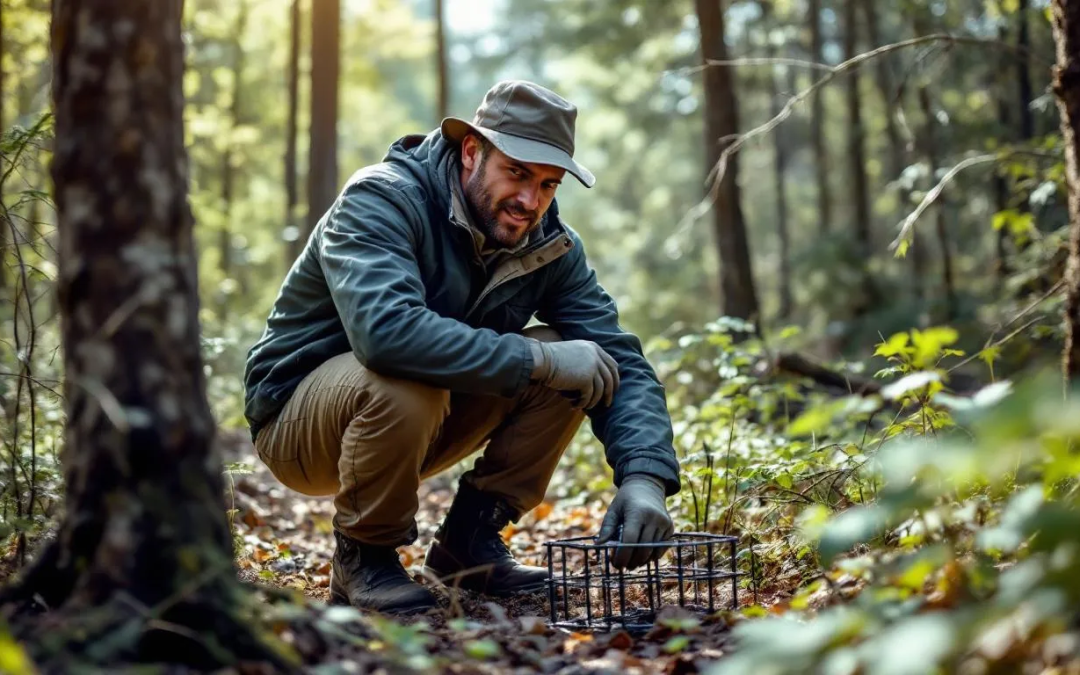
Why does professional wildlife trapping prevent future infestations? Professionals address the root causes of wildlife problems and implement lasting solutions, which is why professional wildlife trapping prevents future infestations. They seal entry points, monitor activities, and use humane methods specific to wildlife species. This article will explore how these strategies ensure wildlife stays out for good.
Key Takeaways
- Professional wildlife trapping offers comprehensive solutions, including exclusion techniques, sealing entry points, and educating homeowners to prevent future infestations.
- Custom trapping solutions are tailored to the specific wildlife species and conditions, ensuring effective and humane removal while addressing property management and habitat modifications.
- Regular inspections and proper waste management are essential preventative measures that help maintain wildlife-free environments and reduce risks associated with infestations.
The Role of Professional Wildlife Trapping in Preventing Future Infestations
Professional wildlife trapping is essential for preventing future infestations. Unlike DIY methods, professional services address the root causes of the problem with comprehensive solutions, including:
- Using exclusion techniques and continuous monitoring to ensure wildlife does not return
- Sealing entry points
- Educating homeowners on property management to further deter wildlife from returning
Professional wildlife trapping goes beyond mere removal. It includes:
- Thorough inspections to identify potential entry points
- Customized solutions for specific wildlife species
- Humane methods prioritizing animal well-being
Each aspect plays a crucial role in preventive measures for preventing future infestations.
Expertise in Identifying Entry Points
A major advantage of professional wildlife removal is expertise in identifying potential entry points. Thorough inspections can reveal nests, rodent droppings, and other indicators of wildlife activity. Professionals assess common entry points like holes in floors, cracks in cement, and damaged soffits to determine how wildlife is accessing the property.
Once identified, these entry points are sealed to seal entry points using materials like rubber or metal grommets to prevent re-entry by wildlife.
Customized Trapping Solutions
Customized trapping solutions are vital since every wildlife infestation is unique. Factors influencing these solutions include:
- The type of wildlife
- The number of animals
- The location of entry points Physical barriers must be tailored to match the specific habits and capabilities of the wildlife species involved.
Common nuisance wildlife species in urban areas that often need professional removal include certain wildlife species such as:
- Raccoons
- Squirrels
- Bats
- Skunks
- Birds
- Mice
Professionals may use deterrents such as motion-sensor lights to effectively frighten nocturnal wildlife away from properties.
A comprehensive wildlife removal process may include trapping, relocation, exclusion techniques, effective removal strategies, and habitat modification.
Humane Trapping Methods
Humane trapping methods are fundamental to professional wildlife removal services. Experts prioritize humane removal techniques that:
- Minimize stress for captured wildlife
- Ensure the safe capture and relocation of animals
- Include regular monitoring by professionals to ensure the well-being of the captured wildlife, utilizing humane wildlife removal services.
Professional wildlife services prioritize the ethical treatment of wildlife, focusing on:
- Ensuring the well-being of animals is respected and protected
- Using humane methods to prevent repeat infestations and ensure compliance with local laws
- Employing protective gear and advanced tools to minimize risks during wildlife removal
Effective Wildlife Exclusion Techniques
Effective wildlife exclusion techniques prevent wildlife from re-entering properties after removal. Securing entry points is crucial. Wildlife control experts use strategies like sealing gaps and habitat management to keep wildlife out. Techniques such as one-way doors, live traps, and wire mesh are commonly used for exclusion.
Using professional exclusion methods makes properties 80% less likely to experience repeat intrusions. In the following subsections, we will explore the specific techniques used in sealing entry points, installing barriers and deterrents, and modifying habitats to prevent future intrusions and wildlife issues.
Sealing Entry Points
Identifying and sealing entry points is key to preventing future wildlife infestations. Experts can spot hard-to-find entry points that homeowners may miss. Materials like steel wool, wire mesh, and weather-stripping are commonly used for sealing.
Additionally, installing chimney caps and vent covers can serve as effective deterrents against wildlife trying to enter through these openings.
Installation of Barriers and Deterrents
Natural deterrents like cayenne pepper or vinegar can be used around properties. Planting strong-smelling herbs and spices is another effective measure to keep wild animals away.
Physical measures like installing wildlife-resistant fencing and motion-activated devices are effective ways to exclude wildlife from properties. Wildlife control experts can recommend effective and humane deterrents for wildlife.
Habitat Modification
Modifying the habitat around your property reduces wildlife attractiveness, helping to prevent infestations. Trimming overgrown vegetation and removing debris eliminates hiding spots. Raccoons and squirrels can use branches from trees and shrubs to reach roofs and attics, posing a risk to residential safety.
Regular landscape maintenance creates an unwelcoming environment for unwanted wildlife.
Long-Term Benefits of Professional Wildlife Trapping
Professional wildlife removal services can significantly reduce the risk of property damage over time. A long-term benefit of wildlife exclusion is the reduced need for repairs caused by wildlife intrusion. Choosing a licensed wildlife removal service ensures compliance with legal requirements.
Opt for a professional wildlife removal service that has a solid reputation and extensive experience in the field. Service guarantees often include commitments to return for re-treatment if the problem persists after initial service.
Reducing Health Risks
Professional wildlife removal services conduct thorough checks for potential pathogens left behind by wild animals that can carry diseases. Swift removal is crucial to reduce property damage and health risks.
Professional wildlife removal mitigates health hazards posed by wild animals through expert handling of infestations.
Minimizing Property Damage
Professionals with the right tools and resources can handle wildlife infestations and rodent infestations effectively, preventing further structural damage. Engaging a wildlife removal service ensures thorough removal of animals and helps prevent additional damage and health risks. Wildlife can cause extensive damage including chewed wires, insulation damage, and contamination through nesting.
During the exclusion phase, professionals assess and address the damage caused by wildlife. Prompt repair is essential to prevent mold growth and eliminate unpleasant odors.
Ensuring Legal Compliance
Professionals are knowledgeable about wildlife laws, ensuring that removal techniques used are legally sanctioned. It’s essential to confirm that a wildlife removal company holds relevant certifications from recognized organizations. Ensuring the wildlife control service has trained personnel and relevant licenses for their operations minimizes legal risks.
Legal compliance in wildlife removal helps avoid future legal issues for property owners and ensures adherence to federal regulations and local regulations, providing peace of mind.
Preventative Measures to Avoid Future Wildlife Issues
Regular property inspections are vital for identifying and sealing potential wildlife entry points. Professional services provide thorough inspections to identify how wildlife gain access. Habitat modifications, such as trimming vegetation and cleaning debris, can deter wildlife from approaching your home.
Inspect gaps, cracks, and holes around:
- Vents
- Chimneys
- Roof gaps
- Doors
- Windows
Homeowners should understand various preventive strategies for preventing wildlife to effectively safeguard their properties against wildlife.
Regular Inspections
Regular inspections by wildlife control experts are crucial for identifying potential entry points and ensuring early intervention to prevent future intrusions. Homeowners should routinely inspect their properties to address any potential entry points and consider critter control measures.
Nocturnal noises in the evening can signal the presence of nocturnal animals or other wildlife in the home, warranting further investigation.
Proper Waste Management
Secure garbage bins and eliminate food sources to maintain a rodent-free environment. Eliminating potential water sources helps avoid attracting animals to your home.
Cover compost to reduce odors, which helps in reducing wildlife attraction.
Landscaping and Maintenance
Elevating wood piles and debris off the ground can further reduce nesting opportunities for wildlife. Trimming vegetation around your property can reduce hiding spots for wildlife.
Managing vegetation and debris effectively deters wildlife from nesting on your property.
Why DIY Wildlife Removal Isn’t Enough
DIY wildlife removal pose health risks such as personal injury, ineffective solutions, property damage, health hazards, serious health risks, and wildlife problems. Wildlife removal requires expertise in humane practices, knowledge of risks, and adherence to regulations, making it complex for non-professionals.
When wild animals are trapped inside your home, rely on professionals for reliable, humane, and effective solutions. Consulting professionals ensures safe handling and eliminates the dangers tied to DIY approaches.
Lack of Expertise
Without specialized knowledge, DIY wildlife removal can lead to ineffective or harmful techniques.
Wildlife control experts have the training and experience needed to handle wildlife issues safely and effectively.
Safety Concerns
Attempting to remove wildlife without professional help can expose homeowners to several risks:
- Dangerous animal bites
- Scratches
- Exposure to diseases
- Ineffective removal
Individuals may get hurt if they attempt to remove trapped wildlife without experience, as animals can bite or scratch to protect themselves.
Professionals prioritize safety and well-being to minimize risks to prevent animals safely and homeowners during wildlife control.
Ineffective Long-Term Solutions
DIY wildlife removal often fails due to a lack of expertise, leading to improperly set traps or ineffective repelling methods. Attempting to remove wildlife without professional help poses significant safety hazards, including risks of injury from wild animals or exposure to diseases.
Choosing the Right Professional Wildlife Control Service
Choosing a reputable service like NYC Extermination involves verifying the credentials and experience of the control experts to ensure competent handling of wildlife issues. Understanding the guarantees and follow-up services offered demonstrates the company’s commitment to resolving wildlife issues effectively.
Reading customer reviews and testimonials provides valuable insights into the effectiveness and reliability of wildlife removal services.
Checking Credentials and Experience
Verifying the credentials of wildlife removal experts ensures you are hiring qualified professionals who adhere to industry standards. Look for experts with practical experience that complements their professional certifications.
NYC Extermination is well-equipped to address complex wildlife issues effectively.
Contact NYC Extermination Today!
NYC Extermination offers 24/7 wildlife removal services and is fully licensed and insured. We provide a range of services, including humane removal and damage repairs. By sealing entry points after removal, we ensure your home remains safe and wildlife-free.
Potential clients can reach NYC Extermination at 347-988-2315 for consultations and quotes. We emphasize the importance of using licensed and insured professionals for wildlife control, ensuring compliance with local laws and regulations.
Don’t wait for a small wildlife problem to become a major infestation—contact NYC Extermination today!
Summary
Professional wildlife trapping is an essential service to prevent future infestations. From identifying entry points to employing customized and humane trapping solutions, professional wildlife removal services offer comprehensive strategies that DIY methods simply cannot match. The expertise of wildlife control experts ensures effective and ethical removal while minimizing health risks and property damage.
Preventative measures such as regular inspections, proper waste management, and habitat modification are crucial in maintaining a wildlife-free environment. Choosing the right professional wildlife control service, like NYC Extermination, ensures that wildlife issues are handled safely, legally, and effectively. Take proactive steps today to safeguard your home and well-being from the risks of wildlife infestations.
Frequently Asked Questions
Why should I use professional wildlife removal services instead of DIY methods?
Using professional wildlife removal services ensures expertise, safety, and compliance with local laws, which DIY methods often fail to provide. Moreover, professionals can effectively identify entry points and implement humane solutions for lasting results.
How do professionals identify and seal entry points?
Professionals effectively identify entry points by inspecting for holes, cracks, and damaged soffits, and they seal these vulnerabilities using materials like rubber or metal grommets to ensure they are protected from re-entry.
What are humane trapping methods?
Humane trapping methods prioritize animal welfare by using traps that minimize stress and injury, and involve regular monitoring to ensure quick relocation of captured animals. Ensuring these practices fosters ethical treatment and respect for wildlife.
What preventative measures can I take to avoid future wildlife issues?
To avoid future wildlife issues, implement regular inspections, secure garbage bins, eliminate food and water sources, and maintain landscaping by trimming vegetation. These actions can significantly reduce the risk of wildlife infestations.
How can I contact NYC Extermination for wildlife removal services?
To reach NYC Extermination for wildlife removal services, call 347-988-2315 for consultations and quotes. Their licensed professionals are available 24/7 to assist you.
Recent Comments