
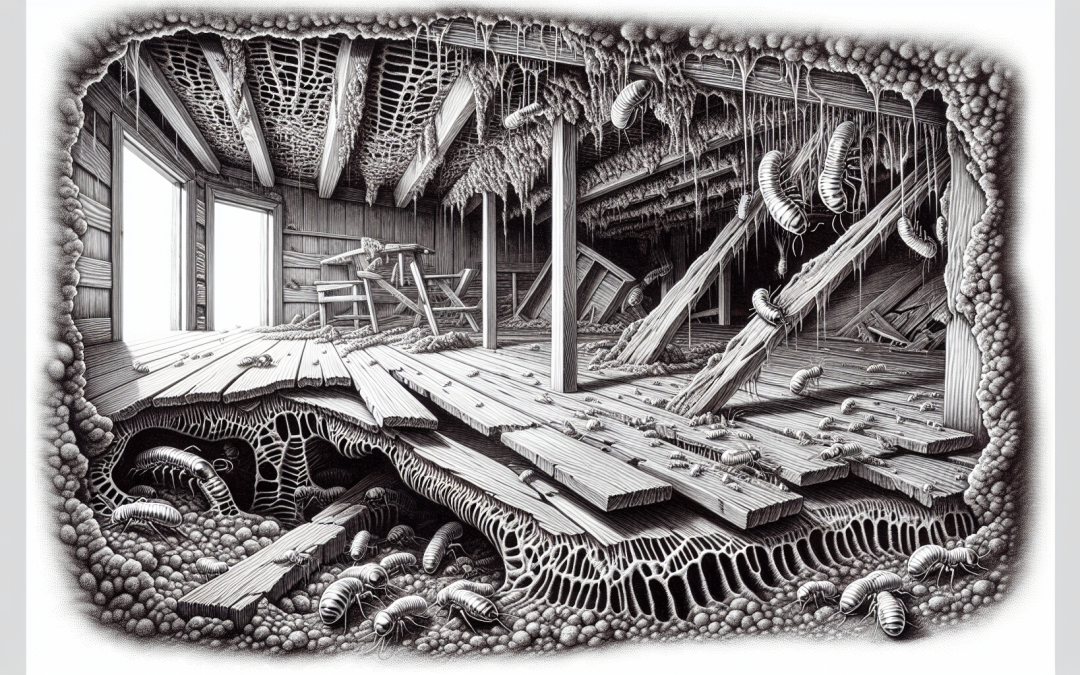
Left unchecked, termite infestations can silently undermine your home’s solidity and value over time. This article offers a comprehensive look at the long term effects of termite infestations, from compromised structural integrity to reduced property value, spelling out the risks and why proactive termite management is essential for your home’s health and your financial well-being.
Key Takeaways
- Termite infestations cause severe structural damage and can lead to catastrophic property collapse, highlighting the necessity for early detection and control to prevent costly repairs and maintain structural integrity.
- The economic impact of termite damage is substantial, with homeowners in the U.S. spending around $5 billion annually on control and repairs, leading to property devaluation and significant financial burdens due to typically uncovered costs by insurance.
- Termite activity introduces health risks, including respiratory concerns and allergic skin reactions, underlining the importance of eradicating infestations to protect not just the home’s structure but also the well-being of its inhabitants.
The Hidden Threat: Unseen Termite Damage Over Time
Within the shadows of your home’s structure, termite colonies could be silently thriving, causing unseen havoc that escalates with each passing day. It’s a chilling thought that these insidious insects can take years to grow their ranks large enough to inflict significant damage, but when they do, the consequences are severe, costing an estimated $30 billion in damage to crops and structures across the U.S. annually. Consider this: a medium-sized colony can devour a pound of wood in a single day, highlighting the urgency of early detection and termite control.
The damage termites wreak is not just limited to the wood they consume. As they feed on cellulose-based materials, they also attack the foundational structures of homes, such as support beams and walls, which can lead to serious compromise of structural integrity and, if left untreated, catastrophic collapse. Subterranean termites, including Formosan termites, the most common culprits, are particularly stealthy, targeting wood that touches the ground, and can render a house beyond repair if their presence goes unnoticed for years, causing subterranean termite damage.
Compromised Structural Integrity
Termites are not just a threat to the aesthetic of your home; they are a potential menace to its very stability. The feeding frenzy of termites on wooden support beams can lead to sagging floors, a red flag signaling the erosion of your home’s structural integrity. In the worst-case scenarios, the damage can be so extensive that it results in the demolition of the property, a devastating outcome for any homeowner.
Despite their destructive potential, termites often operate undetected, causing significant structural damage before their presence is discovered. This stealth attack underscores the critical need for professional inspections to identify signs of termite activity such as crumbling wood, which indicates that the support structures have been compromised.
Weakened Building Materials
Termites’ appetite for destruction extends beyond wood, as they are equally drawn to other cellulose-based materials. Insulation, paper products, and even valuable documents within your walls and attic spaces are at risk of being consumed by these relentless pests. As termites feed and continue their feast, they not only weaken these materials but also lead to a decrease in insulation efficiency and the potential loss of irreplaceable documents or files.
The consequence of termite damage to these varied materials is a compromised building structure that becomes less efficient and more vulnerable to external elements. It’s a slow and insidious process that, over time, can lead to:
- significant and costly repairs
- weakened structural integrity
- increased risk of collapse
- decreased property value
The Domino Effect of Damage
The initial damage caused by termites often serves as a gateway to a host of secondary issues. The moisture that termites introduce to the woodwork not only facilitates their own destructive activities but also creates an ideal environment for wood decay and fungal growth, which can further weaken the building materials.
Such a domino effect is evident in various aspects of a home, including:
- the loosening of floor tiles that can stem from the moisture termites introduce
- the weakening of wooden structures, such as beams and joists
- the damage to drywall and wallpaper
- the destruction of books, papers, and other cellulose-based materials
- the compromising of electrical wiring, which can lead to fire hazards
This progressive damage highlights the insidious nature of a termite infestation, as it not only damages the wood but also leads to broader structural problems.
Financial Fallout: The Cost of Ignoring Termites
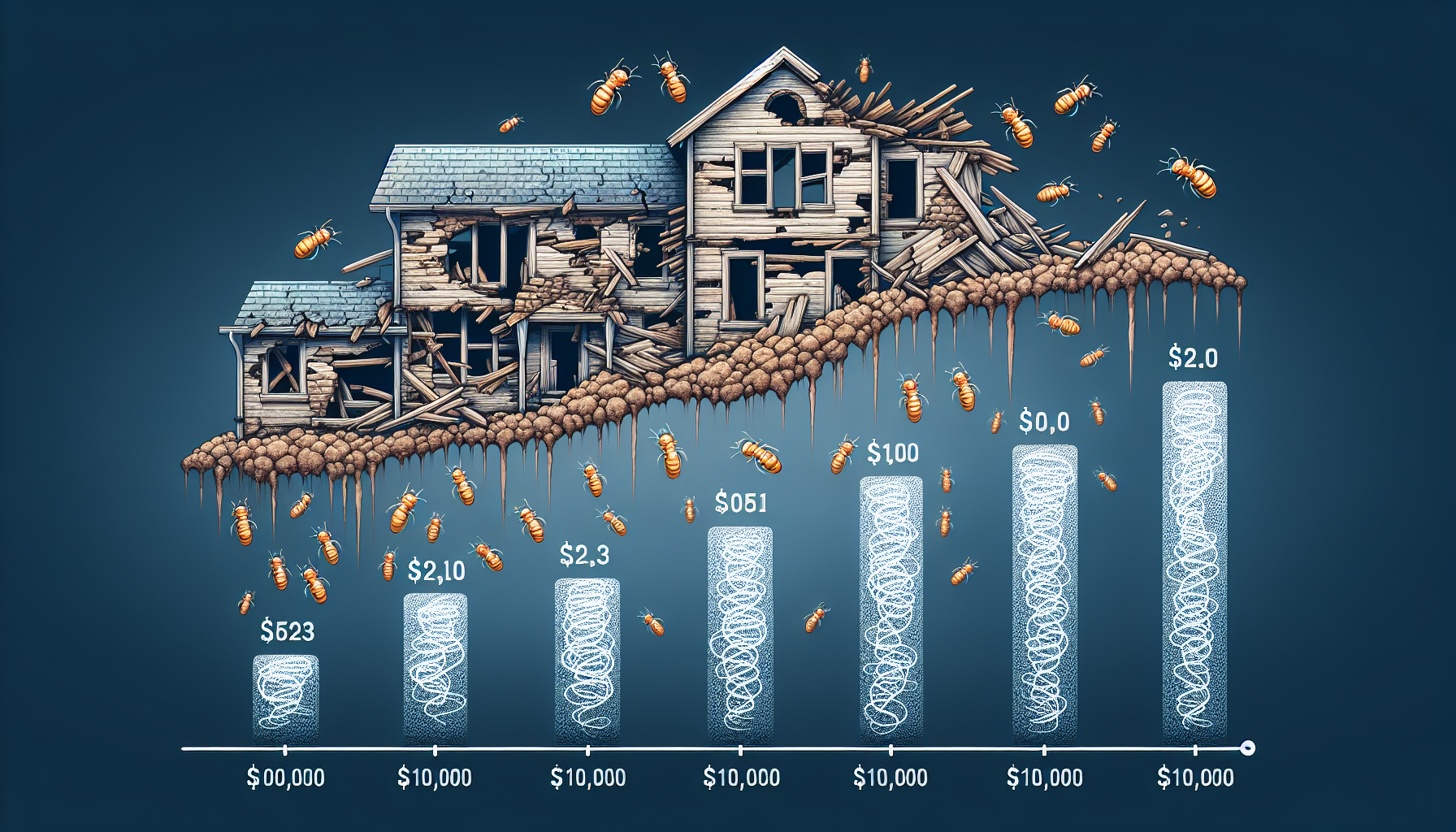
The financial implications of a termite infestation are staggering. Homeowners across the U.S. are collectively spending approximately $5 billion annually on termite control and repairs. However, the financial burden does not end there. On an individual level, an average homeowner may find themselves shelling out $3,000 for repairs and an additional $600 for termite treatment. Such costs can be a heavy blow to any household budget, especially when considering that termite damage is typically not covered by homeowner insurance policies.
Ignoring the signs of a termite infestation can lead to a financial nightmare. Whether it’s the cost of extensive repairs or the devaluation of property, the economic impact of these pests is profound. It’s a price that far exceeds the inconvenience of regular termite inspections and preventative measures, reminding homeowners that an ounce of prevention is truly worth a pound of cure.
Estimating Repair Costs
Repair costs for termite damage can be as unpredictable as the pests themselves. Depending on the infestation’s extent and location, homeowners may face minor fixes starting at $250 or grapple with extensive damage repairs skyrocketing up to $20,250. The average expense, however, hovers around $3,000, a sum that can still pose a significant financial challenge.
Factors such as the location of the infestation, the home’s construction, and the accessibility of the damaged areas all play a role in determining the cost of repairs. Some common repair options include:
- Replacing load-bearing walls or beams, which can cost between $3,000 and $8,000
- Repairing damaged boards
- Removing and replacing affected wood sections
- Reinforcing the damaged wood with supportive structures
The expenses can quickly add up, so homeowners often find themselves facing the decision between these options, each with its own complexity and cost.
Impact on Property Value
The presence of termite damage can significantly affect a home’s market value. In fact, it can result in a devaluation of approximately 20%, a substantial decrease that reflects potential buyers’ concerns over structural complications and the costs of impending repairs. This decline in value not only impacts the immediate financial return on a property but can also hinder a homeowner’s ability to sell or refinance their home.
Understanding the long-term financial impact of termite damage is crucial, as it extends beyond the cost of repairs to affect the overall investment in one’s home. It’s a stark reminder of the importance of maintaining a termite-free property to preserve its value and ensure its marketability.
Health Hazards: The Stealthy Impact of Termites on Wellbeing

Often overlooked are the health hazards that accompany termite infestations. These pests can significantly affect human well-being by:
- Exacerbating allergies and asthma
- Causing skin reactions due to the fine dust and wood particles they release into the air
- Adding stress associated with the discovery and remediation of termite activity, which can take a toll on one’s mental health
These factors add another dimension to the potential health risks posed by these insects.
As these silent invaders compromise more than just the physical structure of our homes, they also pose a threat to the health of its occupants. Understanding the full scope of these health hazards is key in recognizing the urgency of addressing termite infestations not just for the sake of your home, but for your overall well-being.
Respiratory Concerns from Dust and Spores
The fine particles released by termites during their nesting and feeding activities can lead to a host of respiratory concerns. Termite debris can aggravate allergies and asthma, causing symptoms like burning eyes, throat irritation, and runny nose. The allergens generated by termite activity can also lead to respiratory symptoms such as sneezing, coughing, and eye irritation, indicating an allergic response to their presence.
Furthermore, the dust and wood particles deteriorate indoor air quality, potentially leading to persistent respiratory issues. For those who already suffer from conditions like asthma, the presence of mold from termite activity can exacerbate their symptoms, inflaming bronchial tubes and making breathing a struggle. It is essential to recognize the subtle signs of termite-induced respiratory issues and take steps to improve air quality for the sake of one’s health.
Allergies and Sensitive Skin Reactions
In addition to respiratory concerns, termite debris can also lead to skin irritation and exacerbate allergies, especially in sensitive individuals. The fine particles that termites leave behind can cause a range of allergic reactions, from mild skin irritation to more severe responses. The skin, being the largest organ and a primary barrier against environmental threats, can react to the allergens produced by termite activity, leading to discomfort and the need for medical attention in some cases.
Awareness of these potential allergic reactions is crucial in homes with known termite issues. Taking proactive measures to eliminate termites and clean up their debris can help minimize these health risks, ensuring the well-being of all household members.
Preventing the Peril: Strategies to Deter Long-Term Termite Infestation
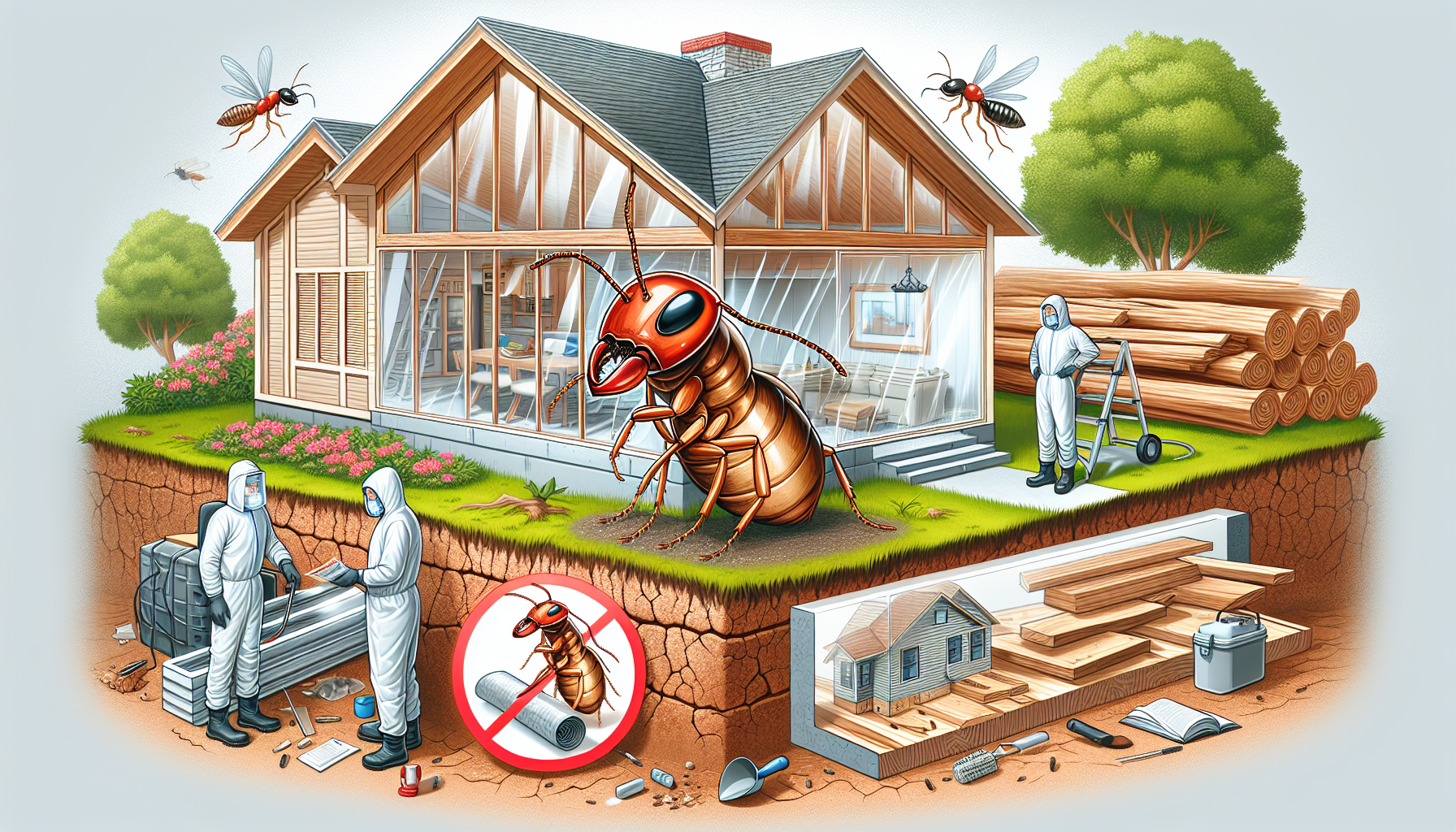
Combating the threat of termites requires a proactive approach, combining the following strategies:
- Regular inspections
- Physical barriers
- Vigilant maintenance
- Implementation of termite-resistant materials, such as pressure-treated lumber
- Use of natural repellents like orange oil and neem oil
- Reducing moisture around the home
- Removing wood-to-soil contact
By adopting these strategies, homeowners can deter termite infestations before they become a serious problem.
It’s not just about responding to an infestation, but about preventing one from occurring in the first place. With the right preventative measures, you can protect your home from the insidious invasion of termites and avoid the subsequent damage and health hazards that accompany their presence.
Regular Termite Inspections
The cornerstone of termite prevention is regular inspection. Detecting termite activity early is critical to minimizing both damage and repair costs. Annual inspections and treatments by a professional can significantly reduce the risk of termite-induced structural failure. If swarmers are observed inside the home, it’s a clear call to action to contact a pest control company for immediate inspection and treatment.
Choosing a reputable termite control specialist is crucial. Look for professionals with a good track record, proper credentials, and certification as licensed pesticide applicators. They can provide thorough inspections backed by industry data and in-house entomologists, offering peace of mind and protection against these silent invaders.
Implementing Physical Barriers
Physical barriers serve as an effective line of defense against termites. Termite shields, for instance, can be installed on foundation piers to prevent termites from reaching the wooden elements of a structure. Additionally, bait stations not only treat current infestations but also monitor for future activity, ensuring that any new threats are swiftly addressed.
When combined, these methods create a comprehensive defense system that protects the home from termite intrusion. Proactive implementation of physical barriers can avert the severe damage and financial loss associated with long-term termite infestations.
Remediation and Maintenance Tips
Effective termite remediation and ongoing maintenance are key to safeguarding your home against future infestations. Here are some steps you can take:
- Repair existing termite damage with pressure-treated wood, which is less susceptible to future termite attacks.
- Improve crawl space ventilation to maintain a dry environment that is inhospitable to termites.
- Improve crawl space drainage to prevent water buildup, which can attract termites.
By following these steps, you can prevent termite infestation, protecting your home from termites and minimizing the risk of future infestations.
After eradicating termites and completing repairs, maintaining a termite-free home is crucial to prevent reinfestation. Regular inspections, immediate treatment of any new activity, and maintaining a dry environment are essential steps in preserving the structural integrity and value of your home.
Recognizing and Reacting: Identifying Early Signs of Termite Activity
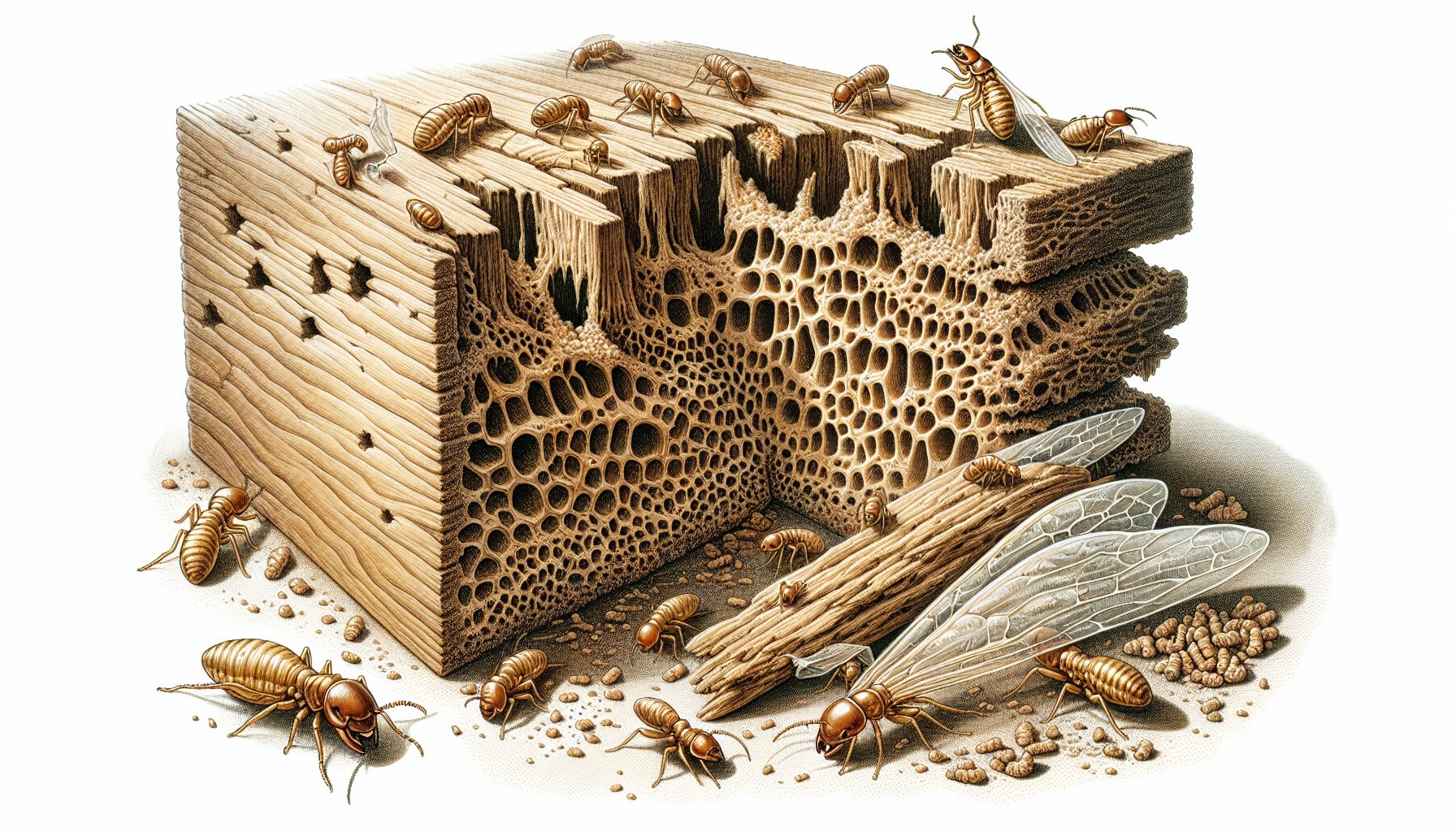
Early detection of termites is critical in mitigating the damage they cause. Homeowners must be vigilant in spotting the early signs of termite activity, which can include:
- Visual indicators, such as mud tubes on walls or wooden structures
- Auditory clues, such as tapping or rustling sounds coming from walls or ceilings
- Tactile evidence, such as hollow-sounding wood or wood that crumbles easily
Recognizing these signs allows for prompt reaction and treatment, potentially saving thousands of dollars in repair costs and preserving the structural integrity of the home.
Being able to identify the early signs of termite presence can mean the difference between a minor inconvenience and a major disaster. Understanding what to look for is the first step in protecting your home from these destructive invaders.
Visual Indicators of an Infestation
Visual cues are often the first indicators of a termite infestation. These may include the sight of frass, which appears as small, pellet-like fecal mounds, indicating the presence of certain termite species, such as drywood termites. Additionally, homeowners might discover piles of wings, resembling fish scales, near windows or other light sources – a telltale sign that a termite swarm has recently taken place.
Other signs could be more subtle yet indicative of an underlying problem, such as loose tiles, bubbling paint, or crumbling wood trim. These signs of structural damage may not scream “termites” at first glance, but they are often the result of termite activity hidden from view. Being alert to these visual signs can prompt a timely response, potentially stopping termites in their tracks before they cause further damage.
Auditory Clues and Tactile Evidence
Beyond what meets the eye, termite infestations can also be detected through sound and touch. A hollow noise emitted when tapping on what should be solid wood can be a clear auditory clue that termites have compromised its density. This is a simple yet effective way to check for the presence of termites, and any such discovery should prompt further investigation.
Tactile evidence may include the feeling of soft or spongy wood, which suggests it has been weakened by termite activity. Upon further inspection, you might find termite exit holes on wood surfaces, reinforcing the suspicion of an active infestation. These tactile discoveries are often signs that termites have been at work for some time, further emphasizing the need for immediate action.
Tired Of Termite Infestations? Contact NYC Extermination Today!

If the thought of termites silently eroding the foundation of your home leaves you feeling unsettled, it’s time to take definitive action. NYC Extermination is your ally in the fight against these destructive pests. With a track record of resolving termite issues since 1929, this professional pest management team serves the New York City Metro area, providing thorough inspections and effective treatment plans.
NYC Extermination offers a combination of perimeter soil treatments and bait stations to create a long-term barrier against termites. Their comprehensive inspections are backed by industry data and the expertise of an in-house entomologist, ensuring that every nook and cranny is checked for signs of termite activity. Don’t let termites take another bite out of your home – reach out to NYC Extermination for professional help in eliminating and preventing future infestations.
Summary
Recapping the journey through the silent and often overlooked world of termite infestations, it’s clear that the impact of these pests is multifaceted, affecting the structural integrity of homes, leading to significant financial costs, and posing health risks. Regular termite inspections, the implementation of physical barriers, and prompt attention to early signs of activity are essential in protecting your property and health from the long-term effects of termite damage.
As we conclude this exploration, take a moment to reflect on the importance of being proactive in termite control. Whether it’s scheduling regular inspections, improving home maintenance, or seeking professional extermination services, the steps you take today can prevent the far-reaching consequences of termite infestations tomorrow. Let the knowledge imparted here inspire you to take action and preserve the safety and value of your home for years to come.
Frequently Asked Questions
How often should I have my home inspected for termites?
You should have your home inspected for termites annually to detect early signs of termite activity and prevent potential damage.
What are the most common signs of a termite infestation?
The most common signs of a termite infestation include discarded wings, termite droppings, mud tubes, hollow-sounding wood, and visible damage to wood structures. Take immediate action if you notice any of these signs.
Can termites cause health problems for humans?
Yes, termites can cause health problems for humans, including aggravating allergies and asthma, as well as causing skin irritation and allergic reactions.
Are there any effective DIY methods for preventing termites?
Yes, while you can take steps like reducing moisture and using termite-resistant materials, professional inspections and treatments are often necessary for effective control. Regular DIY prevention methods can help, but it’s important to consider professional assistance for thorough control.
What should I do if I find signs of termites in my home?
Contact a professional pest control company for a thorough inspection and appropriate treatment options if you find signs of termite activity.
Recent Comments